Knives Every Chef Should Own: Building the Ultimate Culinary Arsenal
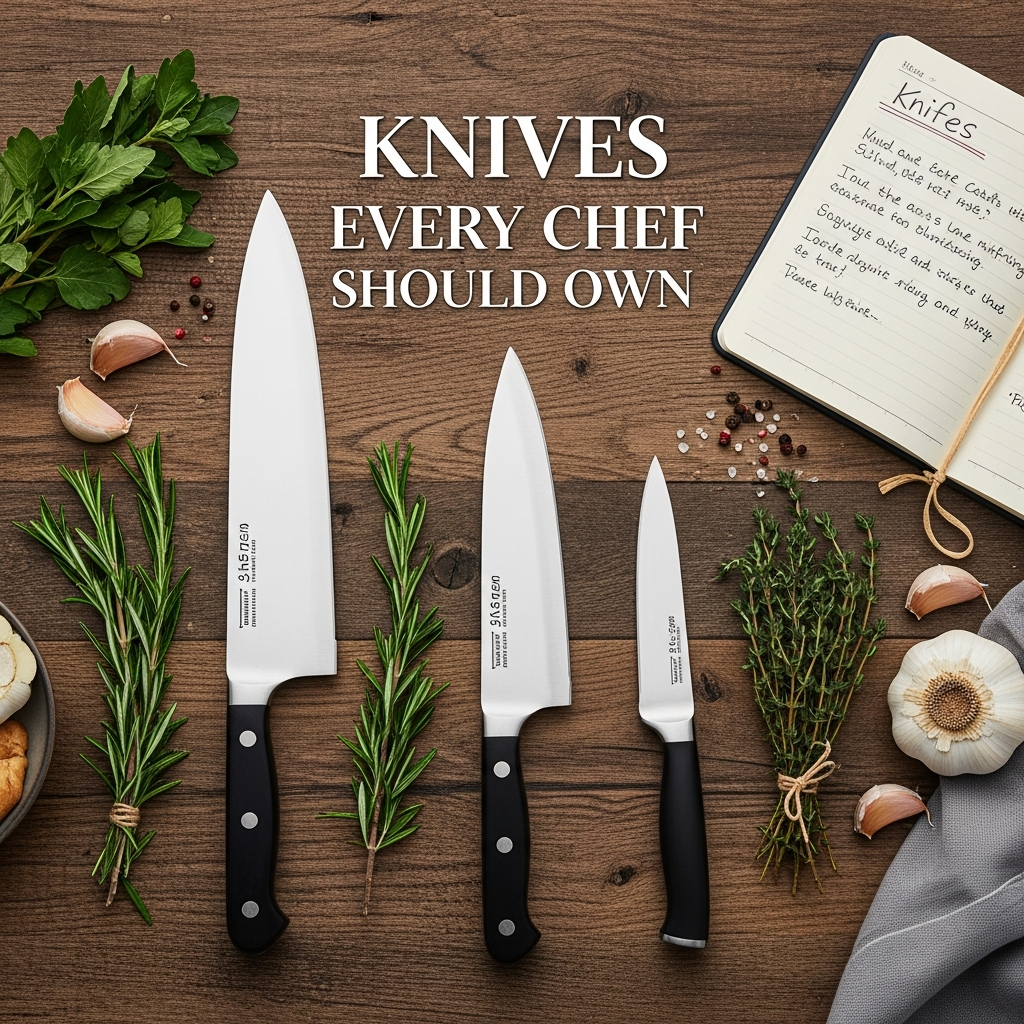
There is a pervasive myth in the culinary world that to be a “real” cook, you need a 20-piece knife block sitting on your counter. This could not be further from the truth. In fact, most professional chefs rely on a core rotation of just three or four blades to handle 95% of their prep work. The concept of a minimalist yet hyper-functional kit is not just about saving money or space; it is about mastering technique. A cluttered block often leads to decision fatigue, whereas a curated selection becomes an intuitive extension of your hand.
Whether you are a culinary student, a passionate home cook, or someone just looking to upgrade from a dull drawer full of mismatched tools, curating your knife kit is a personal journey. At knifeindex.com/, we believe in quality over quantity. The tactile feedback of a perfectly balanced blade, the ergonomic synergy between handle and palm, and the visual satisfaction of a mirror-polished edge are all factors that transcend mere utility. A truly great knife does not just cut ingredients; it preserves their cellular structure, reducing oxidation and maintaining freshness longer than a dull blade ever could.
In this comprehensive guide, we will break down the absolute essentials, the “nice-to-haves,” and the specialized tools that define a pro kitchen. We will also dive into the best chef knife brands to help you invest wisely. Beyond the tools themselves, we will explore the physics of blade geometry, the chemistry of steel alloys, and the biomechanics of proper cutting technique to ensure you are not just buying knives, but building a skill set that will serve you for a lifetime.
External Insight
Even renowned food blogs agree on the essentials. Once Upon a Chef narrows it down to just a few key players. Read their take here: 7 Kitchen Knives Every Cook Needs.
1. The “Holy Trinity”: The Absolute Essentials
If you only buy three knives, make them these. These three blades can handle everything from disjointing a chicken to slicing a strawberry. The magic of this trinity lies in the distinct geometry of each blade. The chef’s knife utilizes a belly curve for rocking, the paring knife employs a straight edge for precision, and the serrated knife uses a sawing motion to breach tough exteriors without destroying tender interiors. Together, they form a cohesive system where each tool compensates for the physical limitations of the others.
A. The Chef’s Knife (Gyuto)
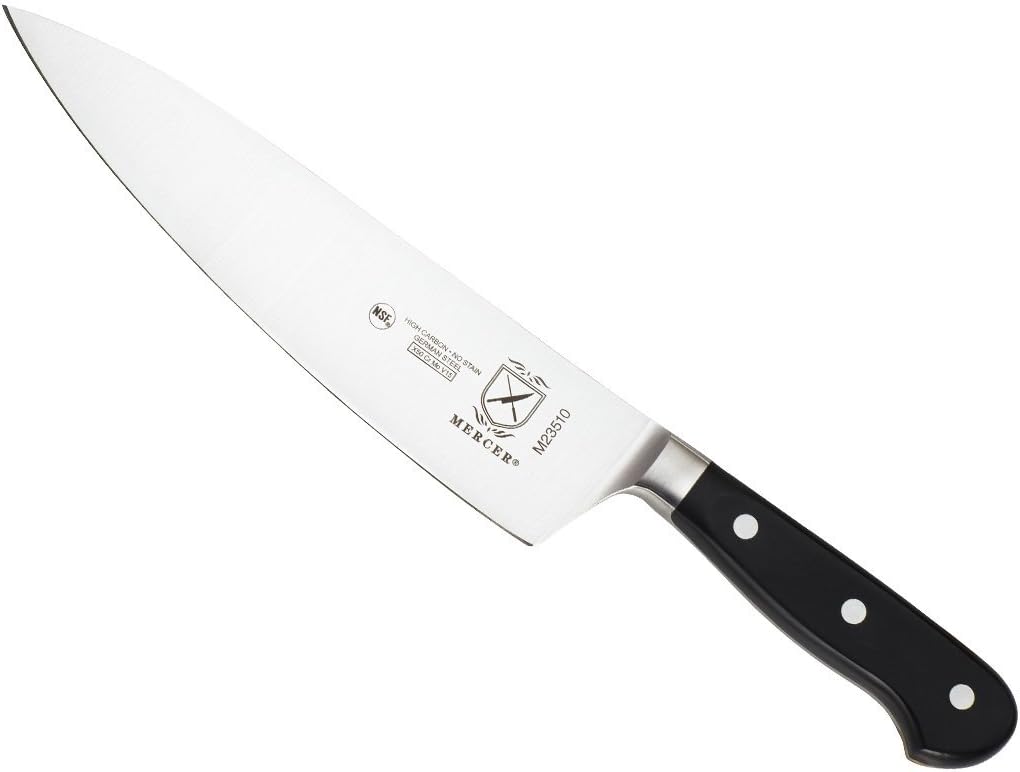
The anchor of your kit. An 8-inch Chef’s knife is designed for the majority of tasks: chopping, slicing, and dicing. The distal taper of the blade, where the spine gradually thins toward the tip, is a critical design element often overlooked by novices. This tapering allows the heel to be robust enough for heavy chopping while the tip remains delicate enough for fine brunoise. The weight distribution should ideally balance on your index finger where the handle meets the blade, creating a neutral pivot point.
Key Decision: Do you want the heavy, rocking power of a German knife (like Wusthof), or the lightweight precision of a Japanese knife (like Shun)?
- Learn more: What is a Chef Knife used for?
- Compare the giants: Shun vs. Wusthof and Wusthof vs. Victorinox.
B. The Paring Knife
The surgeon’s scalpel. For tasks done “in the air” like peeling apples or deveining shrimp, the Chef’s knife is too clumsy. You need a 3 to 4-inch paring knife. The ideal paring knife should feel like an extension of your index finger, with a handle that allows for a pinch grip directly over the blade for maximum control during intricate tournée cuts. The blade should be thin enough to glide through the flesh of a fruit but rigid enough not to flex when removing a potato eye.
Tip: You don’t need to spend a fortune here. A budget-friendly option like Victorinox works wonders.
- Deep Dive: What is a Paring Knife used for?
- Comparison: Paring Knife vs. Utility Knife.
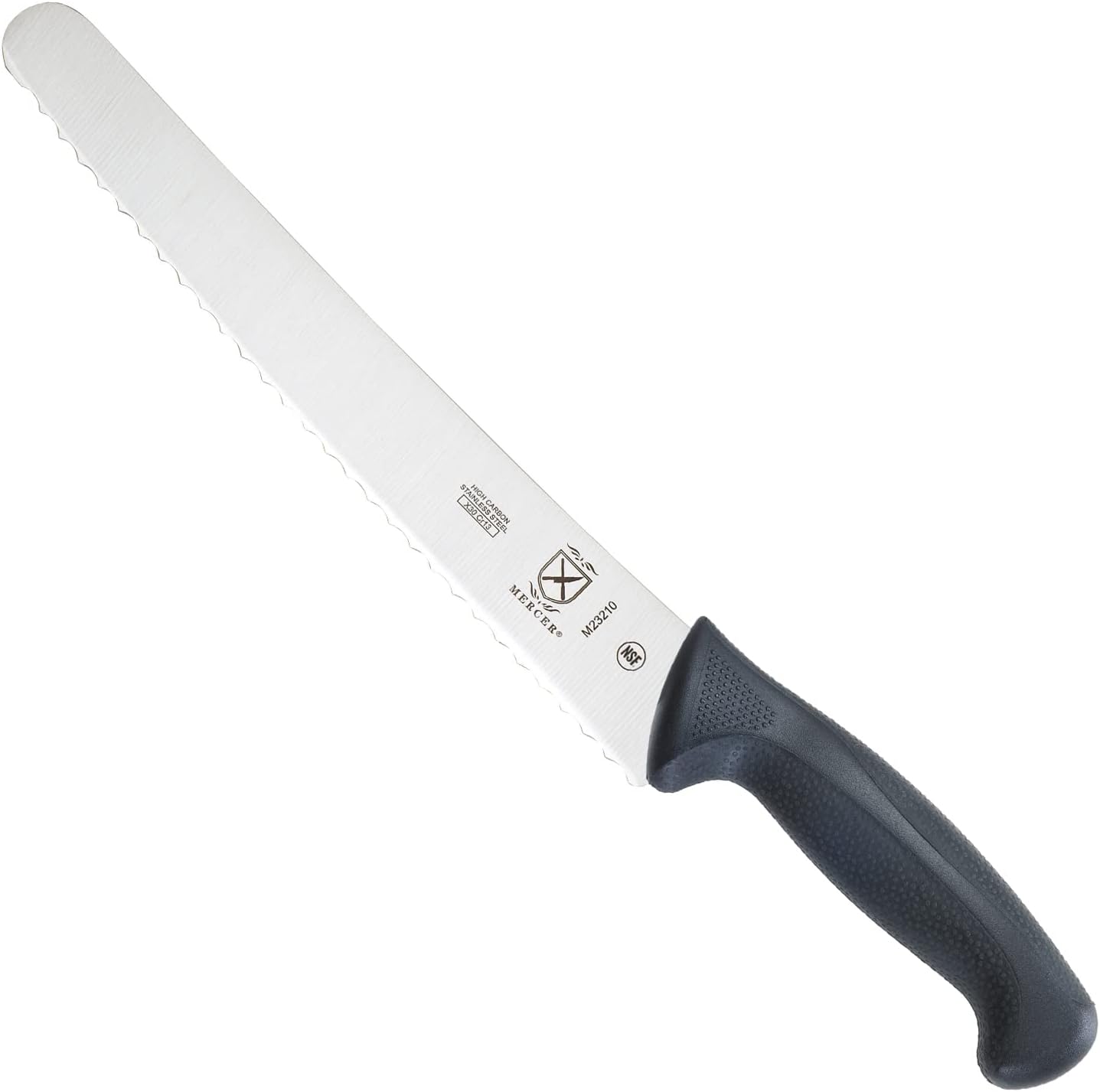
C. The Bread Knife (Serrated Slicer)
It’s not just for bread. A long, serrated knife is essential for slicing tomatoes, leveling cakes, and cutting sandwiches without squashing them. The science behind the serration is one of pressure concentration; the pointed scallops focus force into micro-regions, allowing the blade to puncture a slick skin before the actual cutting edge reaches the interior. This prevents the crushing effect common with straight-edged blades on soft, fibrous, or layered items.
Tip: Look for an offset handle for better knuckle clearance.
- Learn more: What is a Serrated Knife used for?
- The Debate: Bread Knife vs. Serrated Knife.
- Top Picks: Best Bread Knives.
 Wüsthof Classic Ikon 8″ Chef’s Knife
The ultimate workhorse. Perfect balance, durable German steel, and a comfortable handle for long prep sessions.
Check Price on Amazon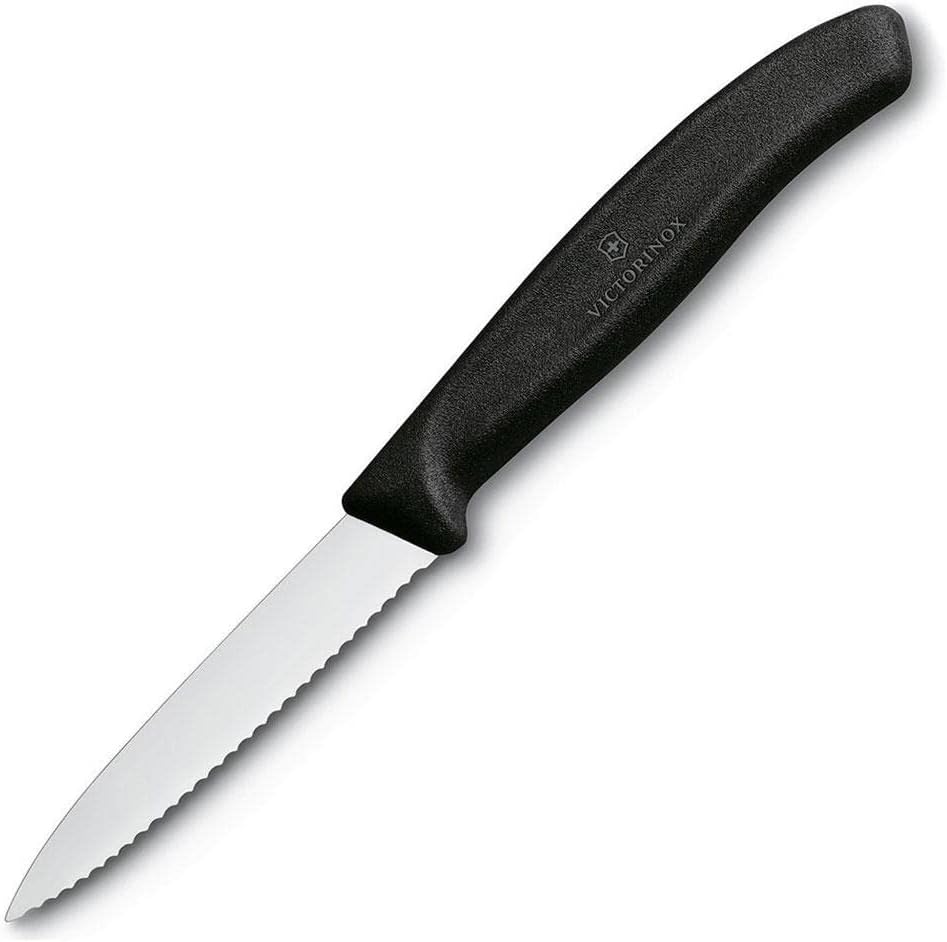 Victorinox Swiss Classic Paring Knife
Cheap, cheerful, and incredibly sharp. The favorite of professional kitchens for detail work.
Check Price on Amazon1.5 The Anatomy of Mastery: Deconstructing the Blade
To truly understand the tools you are investing in, you must move beyond brand names and look at the physical architecture of the knife. A blade is not just a sharp piece of metal; it is a precision instrument where every curve, bevel, and millimeter of thickness dictates its specific purpose in the kitchen. The transition from the heel to the tip, known as the profile, determines the cutting style. A pronounced “belly” facilitates a rolling rock-chop suitable for herbs, while a flatter profile like that of a Santoku or Nakiri demands a push-cut or chop motion that is mechanically more efficient for dense vegetables. Additionally, the height of the blade, measured from the edge to the spine, provides knuckle clearance. A taller blade (50mm or more at the heel) is invaluable for those with larger hands, preventing bruised knuckles against the cutting board during rapid prep work. The “grind” of the blade—whether it is a full flat grind, a convex grind, or a hollow grind—dramatically affects food release. A convex grind, often found on high-end customs and some traditional Japanese blades, pushes food away from the blade face, stopping potato slices from sticking and stacking up against the side. The tip of the knife is a separate tool entirely, designed for scoring, piercing, and creating precise incisions in pastry or meat. Understanding these anatomical points transforms a random purchase into a deliberate, informed acquisition.
2. The Secondary Tier: The Upgrades
Once you have the basics, these knives make specific tasks faster and more enjoyable. These are not mere duplicates of the trinity; they are specialized instruments designed to overcome the minor inefficiencies of the primary set when applied to high-volume or niche tasks.
The Santoku
Many home cooks actually prefer the Santoku over the Chef’s knife. It is shorter, lighter, and flatter, making it ideal for chopping vegetables with a “push-cut” motion. The term “Santoku” translates to “three virtues,” traditionally referring to its proficiency with meat, fish, and vegetables. However, a modern interpretation suggests the three virtues are slicing, dicing, and mincing—tasks at which this blade excels. The scalloped depressions along the blade face, known as Granton edges or kullenschliff, create air pockets that reduce surface tension and friction, preventing waxy vegetables like zucchini or raw potatoes from adhering to the blade. This feature alone can save minutes during a marathon prep session. The wider blade face of the Santoku also acts as a convenient scoop to transfer diced ingredients from the board to the bowl.
Comparison: Chef Knife vs. Santoku Knife.
Usage: What is a Santoku used for?
The Boning Knife
If you roast whole chickens or trim your own brisket, a boning knife is safer and more efficient than a Chef’s knife. It is thin and maneuverable. The key differentiator in boning knives is the flexibility of the blade. A stiff boning knife is ideal for beef and pork, where you need leverage to separate tough connective tissue from dense muscle. A flexible boning knife, conversely, is essential for delicate fish and poultry, where the blade must snake along the rib cage and contour to the bone to maximize yield. The narrow profile significantly reduces drag during long, sweeping cuts through silver skin. Using a boning knife correctly reduces the “waste factor” on a whole animal by up to 5%, a margin that adds up significantly for the budget-conscious home cook or a professional butcher.
Deep Dive: Boning Knife vs. Fillet Knife.
The Utility Knife
The middle child. Smaller than a Chef’s knife, larger than a Paring knife. Great for cutting sandwiches or slicing cheese. Check out our budget guide to find a good utility option. The utility knife shines when the chef’s knife feels too large for the board but a paring knife is too small for the ingredient. It is the preferred tool for preparing citrus segments (supremes) when you don’t have a dedicated petty knife. Its lightweight nature makes it a favorite for those with wrist fatigue or carpal tunnel issues, offering full cutting capacity without the heft of a full-sized gyuto. Look for utility knives with a slightly textured handle to ensure grip stability when your hands are coated in oil or meat fat.
3. The Specialists: For the Enthusiast
These are for the cooks who want to master specific cuisines or techniques. Specialty knives often represent centuries of cultural evolution in food preparation, optimized for a single ingredient or a unique cutting motion that generalist knives struggle to replicate. Investing in a specialist often marks the transition from a casual cook to a dedicated culinarian.
The Nakiri (Vegetable Cleaver)
A rectangular, double-beveled Japanese knife designed purely for vegetables. It has no tip, so you can’t rock it, but it flies through onions and cabbage. The perfectly flat profile of the Nakiri ensures simultaneous contact with the cutting board across the entire length of the blade. This eliminates the “accordion effect,” where vegetables remain connected by a thin, uncut layer of skin because a curved blade did not make complete contact. The broad, tall blade face also provides an excellent vertical reference plane; you can hold your knuckles against it and guide the knife in a perfectly straight line, ensuring uniform julienne and batonnet cuts essential for professional presentation.
Comparison: Santoku vs. Nakiri.
Advanced: Nakiri vs. Usuba.
The Meat Cleaver
A heavy, thick axe for hacking through bones. Do NOT use your delicate Japanese knife for this! The physics of a cleaver rely on mass and velocity, not just sharpness. A high-carbon steel cleaver with a thick, wedge-shaped grind acts as a splitting maul, cracking through chicken vertebrae or pork ribs with a single confident swing. The psychological aspect of using a cleaver is often understated; the authority of the tool demands respect and instills a safe, deliberate working pace. A well-maintained carbon steel cleaver also develops a patina that tells the story of countless family meals, making it an heirloom piece as much as a tool.
Crucial Distinction: Meat Cleaver vs. Vegetable Cleaver.
Guide: Cleaver vs. Butcher Knife.
The Slicing/Carving Knife
Long and thin, designed for slicing Thanksgiving turkeys or briskets in one smooth stroke. The length of a carving knife is its primary weapon against friction. By reducing the number of “sawing” strokes required to bisect a large roast, you prevent the tearing of the crust or the shredding of the meat fibers. A granton edge on a slicer is particularly critical, as the air pockets prevent thin slices of hot roast beef from suctioning onto the blade and rolling up. The narrow width of the blade also minimizes the surface area in contact with the meat, resulting in a cleaner, cooler cut that preserves the internal temperature of the dish until service.
Guide: Carving Knife vs. Slicing Knife.
3.5 The Ergonomics of Cutting: Protecting Your Body for a Lifetime of Cooking
Selecting the right knife is only half the battle; the other half is using it without injuring yourself. Repetitive strain injuries (RSI) and carpal tunnel syndrome are occupational hazards in the kitchen, but they can be avoided with proper form. The “pinch grip” is the universally accepted standard for professional chefs. Instead of gripping the handle like a tennis racket, pinch the blade spine between your thumb and the side of your bent index finger, just in front of the bolster. This grip lowers the center of rotation, giving you exponentially more control over the tip. Your remaining three fingers wrap loosely around the handle simply to stabilize the rear. This immediately reduces wrist strain because the motor control shifts to the larger muscles of the forearm rather than the delicate tendons of the wrist. Your non-dominant hand forms the “claw grip,” with fingertips curled inward and the thumb tucked behind them. The knuckles act as a flat guide wall against the blade. Not only does this guarantee uniform slices, but it prevents the tip of the knife from catching the flat of your fingernail and slipping. Posture is equally critical; the cutting board height should allow your elbows to bend at a comfortable 90-degree angle. If the board is too high, you hunch your shoulders; too low, and you bend your back. Over a two-hour prep session, these micro-adjustments preserve your spinal health and energy levels.
4. Choosing Your Steel: The Science
Before buying, you must decide on the material. This determines how sharp the knife gets and how much maintenance it needs. The steel is the molecular soul of the blade, dictating not just sharpness, but the feedback it transmits to your hand.
| Material | Pros | Cons | Best Brands |
|---|---|---|---|
| German Stainless | Tough, Durable, Rust Resistant | Needs honing often | Wusthof, Zwilling |
| Japanese VG-10 | Very Sharp, Holds Edge | More brittle, prone to chipping | Tojiro, Shun |
| Carbon Steel | Sharpest possible edge | Rusts easily (Patina) | Traditional Japanese |
| Ceramic | Stays sharp for years | Shatters if dropped | Kyocera |
For a detailed look at advanced steels, read our AUS-10 vs VG-10 comparison.
The Metallurgy Matrix: Carbon Content, Carbide Formation, and Rockwell Hardness
The performance of a kitchen knife is fundamentally a story told by its crystalline structure. The Rockwell Hardness Scale (HRC) is the standard metric for measuring a blade’s resistance to deformation. A softer German steel, typically ranging from 56-58 HRC, sacrifices absolute edge retention for remarkable toughness. When you hit a chicken bone with a Wusthof, the steel molecules at the edge might roll over slightly, but they won’t fracture. This “rolling” is easily corrected with a honing steel, which realigns the edge. In contrast, a high-hardness Japanese powder steel like SG2 (R2) can reach 63-64 HRC. At this hardness, the matrix of iron and carbon is packed so tightly that the edge is stable at a much more acute angle (often 15 degrees or less), resulting in a scalpel-like cutting feel. However, this extreme hardness brings brittleness; instead of rolling, a VG-10 blade might micro-chip upon impact with a hard seed or bone. The secret weapon in modern cutlery is carbide formation. Vanadium carbides and Tungsten carbides suspended in the steel matrix provide wear resistance. As you cut acidic ingredients like lemons or tomatoes, the softer iron matrix wears away microscopically, leaving the ultra-hard carbides exposed at the cutting edge, effectively creating a serrated edge at a microscopic level that keeps the blade “toothy” and aggressive long after stropping would dull a simpler steel.
5. Brand Battles: Who Makes the Best?
We have written extensively on brand comparisons. Here is a cheat sheet:
- The German Giants: Zwilling vs. Henkel and Wusthof vs. Victorinox. Go here for durability.
- Japanese Elegance: Miyabi vs. Shun and Global vs. Wusthof. Go here for sharpness and style.
- The Budget Kings: Mercer vs. Victorinox. Perfect for students and first apartments.
- The Modern Disruptors: Brands like Dalstrong are shaking up the market. See Dalstrong vs. Shun and Dalstrong vs. Zwilling.
- The “Too Good to be True?”: Be careful with aggressive marketing. Read our Kamikoto vs. Shun investigation.
The Forging Process: Drop-Forged, Stamped, and the Art of Hon-yaki
The manufacturing process leaves an indelible mark on the blade’s soul. Drop-forging, the standard for premium German blades, involves heating a steel billet to over 1000 degrees Celsius and hammering it into a mold under immense pressure. This process aligns the grain structure of the steel into a continuous flow that follows the shape of the knife, much like the grain in a wooden baseball bat, creating inherent structural strength at the heel and bolster. In contrast, stamped blades are laser-cut from a cold-rolled sheet of steel. While historically viewed as inferior, modern precision stamping and cryogenic heat treatments have closed the performance gap significantly. The Swedish steel used by Victorinox is stamped and then hardened so effectively that it rivals forged knives in edge retention, albeit without the heft and balance provided by a bolster. At the apex of craftsmanship sits the Hon-yaki method, or water-quenching. Here, the blade is forged and differentially hardened by coating the spine with clay before quenching. The rapid cooling of the exposed edge in water creates a martensitic crystalline structure that is astronomically hard (64+ HRC), while the clay-coated spine cools slowly into a softer, springy pearlite structure. This marriage of a surgical edge and a flexible spine is the holy grail of Japanese cutlery, visible as a wavy hamon line on traditional honyaki blades.
6. Maintenance: Protect Your Investment
Owning great knives is useless if you let them go dull. A sharp budget knife is safer than a dull premium one. Dull edges require excessive force, which compresses food cells and leads to faster spoilage and loss of flavor, whereas a sharp edge slips through the cell walls, preserving the texture and integrity of the ingredient.
Sharpening vs. Honing
You need to hone often and sharpen occasionally.
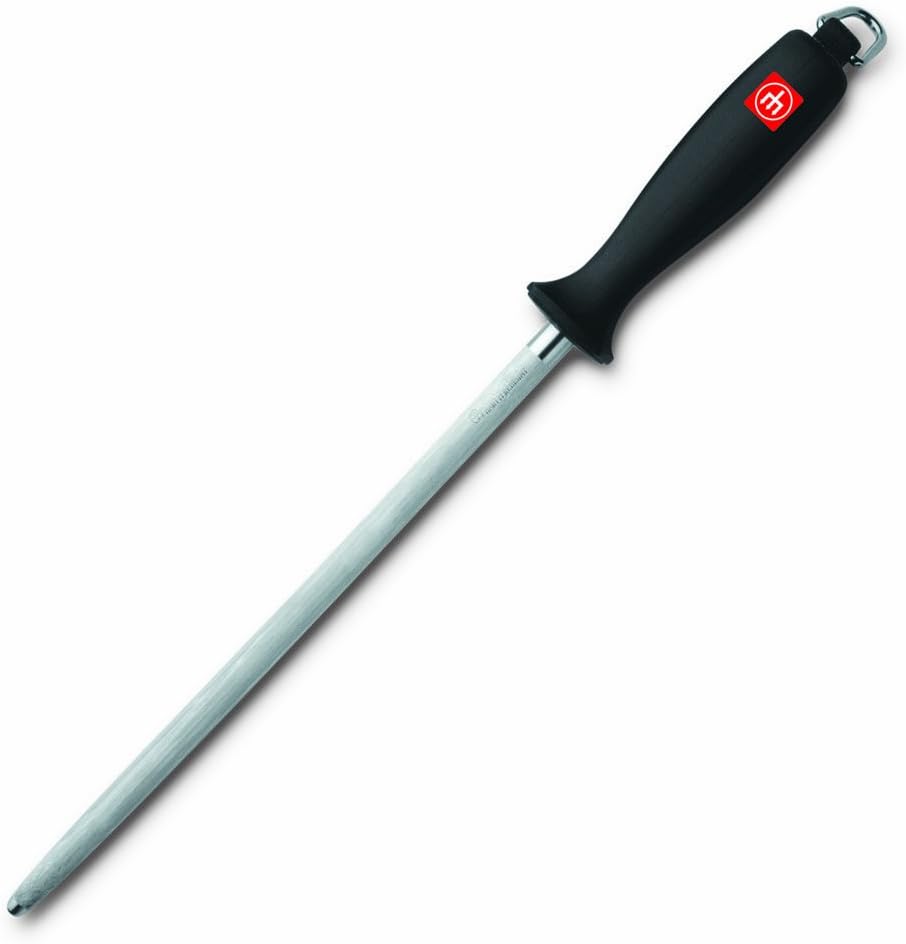
Honing: Realigns the edge. Use a honing steel or leather strop.
Sharpening: Removes metal to create a new edge. Choose between a whetstone or electric sharpener.
Check out our guides for the best manual sharpeners and best electric sharpeners.
Storage and Care
- No Dishwashers: Heat ruins handles. See dishwasher safe knives for exceptions.
- Prevent Rust: Especially for carbon steel. Learn how to remove rust.
- Proper Storage: Use a magnetic holder, a drawer organizer, or a knife bag. Read how to store knives without a block.
The Whetstone as a Meditative Practice
Mastering the whetstone is a rite of passage for any chef. It is a practice that connects you to the blade. Start by submerging your stone until no air bubbles escape; this ensures the pores are saturated and the stone will not scratch the edge. The key to success is angle consistency. While many sharpen at 20 degrees, a Japanese gyuto demands 15 degrees. A useful mental trick is to visualize placing two pennies stacked on the spine of the blade to achieve the correct angle. Progress through a grit sequence: a 400-grit stone to repair chips, a 1000-grit to establish the cutting burr, and a 3000-6000 grit to polish and refine the edge. The formation and detection of a “burr”—a microscopic curl of metal on the opposite side of the edge—is the only true sign that you have apexed the edge. Failing to raise a burr is the most common sharpening mistake, resulting in a polished but blunt knife. Finish by stropping on bare leather or a high-grit stone to strip away the fatigued burr, exposing a clean, aggressive apex. The entire process, done correctly, transforms kitchen prep into a Zen-like sensory experience where the knife falls through food silently.
6.5 Safety and Handling: The Psychology of Respect
A sharp knife is a safe knife, but only if handled with a mindset of situational awareness. Never try to catch a falling knife; the immediate reflex to grab is natural but catastrophic, and the adage “a falling knife has no handle” is a life-saving mantra in any kitchen. Always carry a knife by your side with the edge facing backward and the tip pointing down, announcing “sharp” or “behind” if passing another cook. The cutting board itself must be stabilized; a damp paper towel or a non-slip mat underneath the board prevents it from sliding during forceful cuts, preventing the unpredictable knife direction that causes lacerations. Visualize your cutting path before you start, ensuring your guiding hand is always in a claw position with no fingertips exposed. In high-volume settings, this discipline reduces stress on the mind; muscle memory takes over, allowing you to execute complex dices while focusing on seasoning and timing rather than the blade’s trajectory. Treating your knife as an extension of your body, rather than a separate tool, is the final stage of culinary integration.
7. The Fillet Knife: Mastering Seafood Preparation
While often conflated with the boning knife, the fillet knife occupies a distinct and irreplaceable niche in the seafood kitchen. A dedicated fillet knife features a blade that is significantly thinner, longer, and more flexible than even the most delicate boning knife. This extreme flexibility allows the blade to contour precisely along the intricate bone structure of a fish, maximizing the edible yield from expensive species like salmon, halibut, or branzino. The standard fillet knife ranges from 6 to 9 inches in length, with the longer blades preferred for larger saltwater species and the shorter, stiffer variants ideal for freshwater panfish. The handle of a quality fillet knife is often textured with aggressive grip patterns, as the process of filleting inherently involves wet, slippery hands coated in fish oils and scales. A secure, non-slip grip is not a luxury here; it is a critical safety feature. When selecting a fillet knife, pay close attention to the steel composition. The constant exposure to saltwater and fish acids demands high chromium content for corrosion resistance. Swedish Sandvik steel, commonly found in premium fillet knives like those from Morakniv, offers an exceptional balance of flexibility, edge retention, and rust resistance. The technique of filleting itself is a culinary art form that separates amateurs from professionals. The goal is to glide the blade along the rib cage and backbone, using long, smooth strokes rather than short sawing motions. The flexibility of the blade does the work; your hand merely guides the trajectory. A properly filleted fish should yield two pristine sides with minimal flesh left on the skeleton, a skill that pays for the knife many times over at the fishmonger’s counter.
Electric Fillet Knives: Convenience vs. Craft
For anglers processing dozens of fish after a successful charter trip, electric fillet knives have become increasingly popular. Brands like Rapala and Bubba Blade dominate this market with corded and battery-powered options that oscillate dual reciprocating blades at high speed. The electric fillet knife excels at speed and efficiency, allowing a user to process a fish in seconds rather than minutes. The oscillating action reduces drag through the flesh, meaning the operator applies minimal forward pressure, reducing fatigue during high-volume processing. However, purists argue that electric knives sacrifice the tactile feedback essential for truly maximizing yield. The subtle sensation of the blade riding along bone structure is dampened by the vibration of the motor, potentially leaving valuable flesh on the carcass. For the home cook who only fillets fish occasionally, a manual fillet knife remains the superior choice, offering greater control, quieter operation, and a deeper connection to the ingredient. Many professional kitchens ban electric fillet knives entirely, considering them a crutch that prevents the development of fundamental knife skills. The debate between electric and manual filleting mirrors broader discussions in the culinary world about technology versus tradition, efficiency versus artistry.
8. The Deba Knife: Japanese Tradition for Whole Fish Butchery
Venturing deeper into specialized Japanese cutlery, the Deba knife represents a category that many Western cooks have never encountered but that deserves serious consideration for anyone passionate about seafood. The Deba is a thick, heavy, single-bevel knife designed specifically for breaking down whole fish. Unlike the flexible fillet knife that snakes around bones, the Deba uses its substantial weight and razor-sharp edge to cut through fish bones, heads, and tails with surgical precision. The single-bevel grind—where only one side of the blade is sharpened to a cutting edge—creates a steering effect that allows the blade to follow the natural contours of the fish’s skeleton. This asymmetry is the hallmark of traditional Japanese knives and requires a fundamentally different cutting technique than Western double-bevel blades. The Deba typically ranges from 150mm to 210mm in length, with the larger sizes reserved for professional sushi chefs processing tuna and other large pelagic species. The thickness of the spine, often exceeding 7mm at the heel, provides the structural integrity needed to withstand the forces of cutting through rib bones without chipping or rolling the edge. Traditionally made from high-carbon Hitachi White Steel or Blue Steel, a quality Deba develops a distinctive patina over time that tells the story of countless fish broken down on the cutting board. The maintenance of a single-bevel knife is its own discipline; the back side (urasuki) is intentionally concave to reduce friction, and sharpening requires specialized skills to maintain the correct geometry. For the culinary enthusiast willing to invest the time in learning its use and care, the Deba offers an unparalleled connection to the Japanese approach to seafood butchery, where every cut is deliberate, precise, and respectful of the ingredient.
9. The Yanagiba: The Soul of Sashimi
If the Deba is the hammer of Japanese seafood butchery, the Yanagiba is the scalpel. This long, slender, single-bevel slicer is purpose-built for one of the most demanding tasks in the culinary world: cutting sashimi. The name “Yanagiba” translates literally to “willow leaf blade,” a poetic description of its elegant, sweeping profile. Traditional Yanagiba knives range from 270mm to 360mm (10.6 to 14.2 inches), a length that allows the entire slice of fish to be separated in a single, fluid drawing motion. This is crucial because sawing back and forth tears the delicate cellular structure of raw fish, causing a rough, “fuzzy” surface texture that diminishes both mouthfeel and visual presentation. The single pull-cut executed with a properly sharpened Yanagiba creates a mirror-smooth surface that glistens on the plate, reflecting light and enhancing the perceived freshness of the sashimi. The single-bevel grind directs the blade slightly away from the slice, creating a clean separation without compressing the flesh. Traditional Yanagiba are forged from high-carbon steels that can achieve levels of sharpness unattainable with stainless alloys. The sharpening process for a Yanagiba is a meditative practice in itself, requiring a progression of water stones culminating in polishing compounds that refine the edge to a near-atomic level of precision. Sushi chefs in Japan spend years mastering the use and maintenance of the Yanagiba, considering it not merely a tool but an extension of their culinary soul. For the ambitious home cook, investing in a Yanagiba opens the door to a deeper appreciation of Japanese cuisine, where the quality of the cut is inseparable from the quality of the dish. It transforms a simple plate of raw fish into an expression of craftsmanship that begins long before the first slice is made.
10. The Petty Knife: The Japanese Paring Knife Alternative
Bridging the gap between the Western paring knife and the utility knife, the Japanese Petty knife has become increasingly popular in fusion kitchens worldwide. The term “Petty” is derived from the French “petit,” meaning small, and these knives typically range from 120mm to 180mm in blade length. The Petty knife offers the precision of a paring knife with the versatility of a small utility blade, making it ideal for tasks that require more cutting edge than a paring knife can provide but more control than a full-sized chef’s knife allows. Slicing shallots for a delicate sauce, trimming silver skin from a pork tenderloin, or segmenting citrus for a salad—these are the tasks where the Petty truly shines. The blade profile of a Petty knife is straighter than a chef’s knife but retains a slight belly towards the tip, allowing for a modified rocking motion when mincing herbs or garlic. Many high-end Petty knives are crafted from the same premium steels as their larger Gyuto counterparts, offering the same exceptional edge retention and cutting performance in a more compact package. The handle design of Japanese Petty knives often follows the traditional Wa-handle style (octagonal or D-shaped), which provides a different ergonomic experience than the contoured Western handles. The Wa-handle shifts the balance point forward, placing more weight over the blade and enhancing the feeling of precision during delicate cuts. For cooks with smaller hands or those who find full-sized chef’s knives fatiguing during extended prep sessions, a high-quality Petty knife can become the most frequently reached-for blade in the kitchen. It is the ultimate bridge tool, equally at home in the hands of a professional sushi chef and a home cook preparing a weeknight dinner.
11. The Cheese Knife: Beyond the Basic Slicer
The world of cheese knives is far more nuanced than most home cooks realize, and investing in the right blade for your cheese board elevates both presentation and the eating experience. Different cheese textures demand fundamentally different cutting geometries to prevent crumbling, sticking, or crushing. A soft cheese knife, with its offset handle and wide, often perforated blade, is designed to glide through creamy Brie or Camembert without the cheese adhering to the blade surface. The perforations create air pockets that break the suction between cheese and steel, while the offset handle provides knuckle clearance above the cheese wheel. For semi-hard cheeses like aged Gouda or Comté, a narrow, straight-edged cheese knife with a forked tip serves dual purposes: slicing cleanly through the firm paste and then spearing pieces for transfer to a plate. The forked tip design is a centuries-old innovation that eliminates the need for a separate serving utensil. Hard cheeses like Parmigiano-Reggiano or aged Pecorino require an entirely different approach: a stubby, almond-shaped blade with a chisel-like edge. This design concentrates force into a small area, allowing the user to break off crystalline chunks of hard cheese rather than attempting to slice through it, which would result in crumbled, irregular pieces. The cultural significance of cheese knives extends to regional traditions; the Girolle, a specialized French tool, creates delicate rosettes from a wheel of Tête de Moine by rotating a blade around a central spindle, producing paper-thin curls that maximize surface area and flavor release. While a dedicated cheese knife set may seem extravagant to the minimalist cook, the transformation in the cheese-eating experience—where each variety is presented exactly as intended by the cheesemaker—justifies the drawer space for anyone who regularly entertains or appreciates the craft of artisanal cheese.
12. The Tourné Knife: The Bird’s Beak for Precision Turning
Among the most misunderstood and underutilized knives in the Western kitchen is the tourné knife, also known as a bird’s beak knife. Its distinctive curved, sickle-shaped blade appears intimidating and impractical at first glance, but in the hands of a skilled cook, it performs tasks that no straight-edged blade can replicate. The primary purpose of the tourné knife is to execute the classic French “tournée” cut—a seven-sided, football-shaped vegetable preparation that demonstrates mastery of knife skills. While the tournée cut itself has fallen out of fashion in all but the most traditional kitchens, the knife that bears its name remains invaluable for a wide range of peeling and shaping tasks. The concave cutting edge allows the blade to follow the natural curves of round vegetables with minimal waste, making it the superior tool for peeling apples, potatoes, or turnips when maximum yield matters. The pronounced curve also allows the user to reach into tight spaces, such as removing the eyes from a potato or trimming the root end of a mushroom without damaging the cap. For those who practice vegetable carving or garnishing, the tourné knife is indispensable for creating decorative fluted mushrooms, olive-shaped carrots, and other classic French garnishes. The technique for using a tourné knife differs significantly from standard knife grips; the knife is held with the blade pointing toward the user’s thumb, and the vegetable is rotated against the stationary blade rather than the blade moving against the vegetable. This reversal of motion provides exceptional control and is surprisingly intuitive once the initial awkwardness subsides. While many modern cooking schools have reduced their emphasis on classical knife cuts, the tourné knife endures as a testament to a culinary tradition where the beauty of the final plate was considered inseparable from the precision of the preparation.
13. The Oyster Knife: Specialized Shellfish Tool
Venturing into the realm of highly specialized blades, the oyster knife demonstrates how a tool designed for a single, extremely specific task can be indispensable to those who perform that task regularly. Attempting to shuck oysters with a conventional knife is dangerous and ineffective; the oyster knife addresses this challenge with a short, thick, unsharpened blade designed not to cut, but to pry. The tip of the oyster knife is intentionally dull and often rounded, as its purpose is to wedge between the tightly sealed halves of the oyster shell and apply leverage to sever the adductor muscle that holds them closed. The blade is surprisingly thick (typically 2-3mm at the spine) because the forces involved in prying open a living bivalve can snap a thinner blade instantly. The handle of an oyster knife demands particular attention, as the user’s hand is often wet and positioned directly above the knife tip should it slip. Ergonomic designs with pronounced finger guards, rubberized grips, and contoured shapes that prevent the hand from sliding forward are essential safety features. Regional variations in oyster knife design reflect the different oyster species and shucking traditions around the world. New England-style oyster knives feature a longer, thinner blade designed for the Eastern oyster (Crassostrea virginica), which has a relatively thin shell and a hinge that can be accessed with precision. Gulf Coast oyster knives, by contrast, have shorter, thicker blades to handle the denser, more heavily calcified shells of Gulf oysters. The French “couteau à huîtres” often incorporates a slight curve at the tip to better navigate the irregular interior of European flat oysters. For the seafood enthusiast who hosts raw bar parties or enjoys freshly shucked oysters at home, the oyster knife is a non-negotiable addition to the knife collection—a specialized tool whose value is measured not in versatility, but in the singular perfection with which it performs its designated task.
14. The Cleaver Family: Chinese Choppers and Their Western Cousins
The term “cleaver” conjures images of massive, intimidating blades wielded by butchers, but within Chinese culinary tradition, the cleaver—or “cai dao”—is the primary all-purpose kitchen knife, used for everything from mincing ginger to slicing paper-thin cuts of meat for stir-frying. Understanding the distinctions within the cleaver category is essential for anyone building a comprehensive knife collection. The Chinese chef’s cleaver, also called a slicing cleaver or vegetable cleaver, is surprisingly thin and lightweight compared to its Western counterpart. With a blade typically measuring 180mm to 220mm in length and only 2-3mm thick at the spine, this cleaver excels at push-cutting and chop-cutting vegetables with remarkable speed and uniformity. The tall blade height (typically 80-100mm) provides excellent knuckle clearance and doubles as a convenient bench scraper for transferring ingredients from cutting board to wok. The weight of the blade, while modest, provides enough momentum to glide through dense vegetables like daikon radish or winter squash without requiring downward force from the user. In contrast, the Chinese bone cleaver is a distinctly different tool, with a much thicker, heavier blade (4-6mm at the spine) designed specifically for chopping through poultry and pork bones. The edge geometry of a bone cleaver is more obtuse—typically sharpened to 25-30 degrees per side—to withstand the impact of repeated blows against bone without chipping. Many Chinese home kitchens maintain two cleavers: a thin slicer for vegetables and boneless proteins, and a heavy chopper for bone-in butchery. The dual-cleaver system represents one of the most efficient and economical approaches to kitchen cutlery, with two tools covering essentially all cooking tasks. For Western cooks accustomed to the rocking motion of a curved chef’s knife, the transition to cleaver technique requires adaptation. The straight edge of a cleaver demands a push-cut or straight-down chopping motion, with no rocking or sawing. However, cooks who make this transition often report that the cleaver’s efficiency, combined with the built-in food transfer capability of its tall blade, actually reduces prep time once the muscle memory is established. Brands like CCK and Dengjia offer authentic Chinese cleavers at remarkably affordable prices, making this category one of the best value propositions in the knife world.
15. Knife Handles: The Overlooked Interface
The blade may receive the lion’s share of attention in knife reviews, but the handle is the critical interface between tool and user, and its design directly impacts comfort, control, and long-term satisfaction with the knife. Handle materials span a wide spectrum, each with distinct advantages and drawbacks. Traditional Western knife handles, like those found on Wusthof Classic or Henckels Professional series, feature a full tang encased in molded synthetic material—typically Polyoxymethylene (POM) or Micarta. These synthetics offer exceptional durability, resistance to moisture and temperature extremes, and a slightly textured surface that maintains grip even when wet or greasy. The triple-rivet construction provides visual confirmation of the full tang, a structural feature where the blade steel extends through the entire length of the handle, providing balance and strength. Japanese Wa-handles represent a fundamentally different design philosophy. These handles are typically made from magnolia or ho wood, chosen for its light weight and moisture resistance, and are friction-fit onto a partial tang rather than riveted in place. The octagonal or D-shaped cross-section of Wa-handles is designed to index the blade’s orientation in the hand without requiring a visual check—the facets of the octagon tell the user exactly where the cutting edge is aligned. This tactile feedback is particularly valuable in professional kitchens where a chef’s attention is divided among multiple tasks. The replaceability of Wa-handles is another consideration; because they are not permanently bonded to the tang, a damaged or worn handle can be replaced by a skilled craftsman, extending the knife’s lifespan indefinitely. Exotic hardwoods like ebony, rosewood, and burl offer stunning aesthetics but require oiling and maintenance to prevent cracking in dry climates. For the cook with nickel allergies, titanium-handled knives offer a hypoallergenic alternative to stainless steel bolsters. The weight distribution between blade and handle—the balance point—is perhaps the most personal aspect of handle design. Some cooks prefer the blade-heavy balance of a Wa-handled Gyuto, which provides a sense of authority and cutting power, while others favor the neutral balance of a full-tang Western knife, which feels more maneuverable and responsive. Testing the balance point of a knife before purchase, ideally by holding it in your own hand, is as important as evaluating the blade itself.
16. Knife Sets: Curated Collections vs. Prepackaged Blocks
The knife industry’s marketing machinery heavily promotes prepackaged knife sets, often presented in handsome wooden blocks with slots for every conceivable blade shape. However, the experienced cook’s perspective on knife sets is nuanced. While a matching set offers undeniable aesthetic appeal and the convenience of a single purchase, many prepackaged sets include knives that the average cook will rarely, if ever, use—the steak knives, the superfluous second chef’s knife, the mini-santoku that duplicates the function of the utility knife. These filler pieces inflate the perceived value of the set while diluting the budget that could have been allocated toward fewer, higher-quality core blades. The alternative approach—curating an individual collection piece by piece—allows the cook to match each knife to their specific needs, hand size, and cutting style. It also permits mixing brands, pairing the superior chef’s knife from one manufacturer with the exceptional paring knife from another. For those who do prefer the matching aesthetic of a set, it is advisable to seek out brands that offer “build-your-own” block programs, where the customer selects which knives fill the slots. Alternatively, purchasing an empty magnetic block or a universal knife dock and populating it with individually chosen blades provides the best of both worlds: visual coherence and functional optimization. The knife roll, a fabric or leather case with individual pockets for each blade, is the professional’s alternative to the countertop block. Knife rolls protect edges from contact damage, allow for transport between home and workplace, and can expand organically as the collection grows. Whether displayed on a magnetic wall strip, stored in a drawer organizer, or carried in a roll, the storage solution should protect the edges and provide immediate access to the right tool for the task. A thoughtful approach to knife acquisition and storage is the hallmark of a cook who has moved beyond impulse purchases into intentional curation.
17. Specialized Bread Knives: Beyond the Basic Serrated Slicer
While the standard serrated bread knife covers most home baking needs, the world of artisanal bread has spawned specialized slicing tools that address specific challenges presented by different bread types. The offset bread knife, with its handle raised above the blade plane, solves the knuckle-clearance problem that occurs when slicing through tall, round boules or sourdough loaves. The offset design keeps the user’s hand elevated above the cutting board, preventing bruised knuckles and allowing a full range of motion for the sawing action required by crusty exteriors. The scalloped serration pattern, as distinct from pointed serrations, features rounded troughs between the teeth that are less aggressive on delicate crumb structures. This is particularly important for brioche, challah, and other enriched doughs where aggressive serrations would tear rather than slice. The length of the bread knife should be matched to the size of the loaves being cut; a 10-inch blade handles standard boules comfortably, but bakers of large miche-style country loaves may benefit from a 12-inch slicer that can bisect the entire loaf in a single pass. The bagel knife, a niche but beloved tool, features a guillotine-style design where the bagel is placed in a cradle and the blade descends vertically, eliminating the risk of hand injuries during the notoriously dangerous horizontal bagel cut. For the gluten-free baker, whose breads are often denser and more crumbly than wheat-based loaves, a finer serration pattern with more teeth per inch provides a cleaner cut with less downward pressure. The debate between single-serration and double-serration bread knives reflects deeper preferences in cutting philosophy. Single-serration blades, sharpened on only one side of each tooth, create a cleaner cut but pull slightly to one side during the stroke. Double-serration blades, sharpened on both sides, track straighter but produce marginally more crumbs. Neither is objectively superior; the choice depends on whether the user prioritizes perfect vertical alignment or minimal crumb production. For the home baker who has invested hours in creating the perfect loaf, the right bread knife ensures that the final presentation honors the craftsmanship that preceded it.
18. Steak Knives: The Tableside Experience
Steak knives occupy a unique position in the cutlery ecosystem, bridging the gap between kitchen tools and tableware. Unlike chef’s knives, which are evaluated primarily on cutting performance, steak knives must balance sharpness with aesthetic appeal, as they are displayed on the dining table and handled by guests who may not possess advanced knife skills. The two dominant categories—serrated steak knives and straight-edge steak knives—embody fundamentally different approaches to the tableside cutting experience. Serrated steak knives, popularized by brands like Laguiole and Henckels, rely on a micro-sawing action that requires minimal downward pressure to separate meat fibers. This makes them forgiving for use on ceramic plates, which would quickly dull a straight edge. The serrations continue cutting effectively even as the knife dulls, extending the time between sharpenings—a practical advantage in busy restaurants where knives see heavy use. However, serrated edges tear rather than slice, releasing less of the meat’s aromatic compounds and producing a marginally less pleasant mouthfeel. Straight-edge steak knives, often found in high-end steakhouses and preferred by culinary purists, deliver a clean, surgical cut that preserves the integrity of each bite. The absence of tearing means that juices remain sealed within the meat fibers until the moment of chewing, maximizing flavor perception. The trade-off is maintenance; straight-edge steak knives require regular honing and sharpening, and they perform poorly on ceramic or stoneware plates. Many hosts of dinner parties provide wooden steak boards as an alternative to ceramic plates, creating an ideal surface for straight-edge knives while adding a rustic, upscale aesthetic to the presentation. The handle material of steak knives deserves particular consideration, as these knives are often washed more frequently than kitchen knives and may be exposed to the high heat of dishwashers (though hand washing is always recommended). Riveted synthetic handles offer the best combination of durability and comfort for the dining table. For those who entertain regularly, investing in a quality set of steak knives—whether serrated for practicality or straight-edge for elegance—elevates the dining experience and communicates attention to detail that guests notice and appreciate.
19. Knife Storage Innovations: Protecting Blades and Fingers
The conversation about knife storage extends far beyond the classic wooden block, and the choices made in this category have direct consequences for blade longevity and kitchen safety. Magnetic knife strips, mounted on walls or backsplashes, have gained popularity in both professional and home kitchens for several compelling reasons. By suspending knives in open air, magnetic strips eliminate the edge-to-surface contact that dulls blades stored loose in drawers. The visibility of a magnetic strip display encourages organizational discipline; each knife has a designated spot, and an empty spot immediately signals that a knife is out of place. This visibility also serves as a subtle safety feature, as knives are easily identified and reached without fumbling through a drawer or block. The aesthetic appeal of a well-arranged magnetic strip, with blades arranged by size and type, transforms functional storage into kitchen decor. However, magnetic strips are not without drawbacks. The exposed blades collect airborne grease and dust in busy kitchens, requiring frequent cleaning. There is also the remote but real risk of a knife being knocked off the strip by an errant elbow or a slamming cabinet door. For homes with young children, the accessibility of magnetic strips may be a liability rather than a benefit. In-drawer knife organizers offer a compromise between protection and accessibility. These inserts, made from wood, bamboo, or molded plastic, cradle each knife in a dedicated slot, preventing blade-to-blade contact while keeping knives out of sight and out of reach of children. The best drawer organizers accommodate knives of different sizes and shapes, with flexible slots that can hold everything from a paring knife to a 10-inch chef’s knife. Drawer placement matters; a dedicated knife drawer immediately adjacent to the primary prep area minimizes the steps between grabbing a knife and beginning work. For the cook with limited drawer space, in-block storage remains a viable option, provided the block is designed with horizontal slots that do not require the edge to drag against wood each time the knife is inserted or removed. Universal blocks with flexible, bristle-filled slots accommodate knives of any brand and size, solving the mismatch problem that occurs when a knife set’s included block cannot accommodate later additions to the collection. Regardless of the storage method chosen, the guiding principle remains constant: blades should be protected from contact with other hard surfaces, and the storage system should encourage the habit of returning knives to their designated homes immediately after use.
20. Knife Safety for Families: Teaching the Next Generation
The presence of sharp knives in a household with children need not be a source of constant anxiety if approached with intentional education and age-appropriate tools. The culinary world has increasingly embraced the philosophy that children taught to respect knives from an early age develop safer kitchen habits than those for whom knives are mysterious, forbidden objects. Nylon kid-safe knives, designed with serrated edges that cut food but not skin, provide an entry point for children as young as three or four to participate in meal preparation. These tools allow young children to practice the motions of cutting—the claw grip, the sawing action, the focus on the task—without the consequences of a mistake involving a sharp blade. As children demonstrate responsibility and fine motor control, typically around ages six to eight, they can transition to supervised use of small, sharp knives. The paring knife, with its short blade and manageable size, is the ideal first sharp knife for a child. The learning progression mirrors that of any skill: start with soft foods like bananas and strawberries, advance to firmer vegetables like cucumbers and carrots, and eventually graduate to more challenging tasks like mincing herbs or trimming meat. Throughout this progression, the emphasis remains on technique, focus, and the absence of distractions. The rule of “no knives when tired, angry, or rushed” applies to adults and children alike, and modeling this discipline is perhaps the most impactful safety lesson a parent can teach. Beyond the mechanical skills, knife education for children includes the cultural and ethical dimensions of cooking: the respect for the ingredient, the connection to the meal being prepared, and the understanding that the knife is a tool for creation, not aggression. Children who grow up with this holistic relationship to kitchen knives are not only safer cooks but more thoughtful eaters and more confident contributors to family meal preparation. In an age of pre-packaged convenience foods, teaching knife skills to the next generation is an act of culinary preservation, passing forward the fundamental human practice of transforming raw ingredients into nourishing meals with one’s own hands.
Frequently Asked Questions (FAQ)
We recommend buying individual knives. Sets often include “filler” items you won’t use. However, if you want a matching aesthetic, check our reviews of the best knife sets to find one with high-quality core tools.
Forged knives are made from a single bar of steel and usually have a bolster (heavier). Stamped knives are cut from a sheet (lighter). Modern stamped knives like Global or Victorinox are excellent quality. Read more: Difference Between Stamped and Forged Knives.
It could be your cutting board. Glass and stone boards destroy edges. Switch to wood or plastic. Also, ensure you are honing your knife before every use to keep the edge aligned.
Mac is sharper but more brittle. Wusthof is tougher. It depends on your style. See our Mac vs. Wusthof comparison.
A fillet knife is longer, thinner, and much more flexible than a boning knife, specifically designed to contour along the delicate bone structure of fish. A boning knife is thicker and stiffer, built to separate meat from bone on larger animals like beef and pork. Using a boning knife for filleting fish will waste valuable flesh, while using a fillet knife for boning a pork shoulder may cause the blade to flex unpredictably, creating a safety hazard.
Single-bevel knives like Yanagiba and Deba require a fundamentally different sharpening technique than double-bevel Western knives. The front bevel (shinogi) is sharpened at the knife’s specific angle, while the back side (urasuki) is laid flat against the stone to remove the burr. This process preserves the concave back geometry that reduces friction during cutting. Beginners are advised to seek instruction from an experienced sharpener before attempting to maintain these knives themselves.
Conclusion: Build Your Kit, One Blade at a Time
Building a collection of knives every chef should own is a marathon, not a sprint. Start with a high-quality Chef’s Knife that fits your hand perfectly. Add a Paring Knife and a Bread Knife. Then, as your skills grow, expand into specialty Japanese blades or heavy-duty cleavers.
Remember, the best knife is the one you feel comfortable using. Whether you choose the German reliability of Mercer or Wusthof, or the Japanese precision of Miyabi, keep them sharp, keep them clean, and get cooking.
From Home Cook to Sous Chef: The Culinary Knife Pathway
Many aspiring chefs ask us what knives they truly need for culinary school or their first day in a professional kitchen. The transition from a home kitchen to a professional brigade is often jarring, and the knife kit you carry is your resume. Culinary schools typically provide a standardized starter kit, but investing in your own tools early shows commitment. The fundamental kit for a stage (intern) should include a razor-sharp 10-inch Chef’s Knife (professional volume demands the extra length), a stiff and flexible boning knife, a honing steel, a Y-peeler, and a paring knife. These must be housed in a sturdy knife roll, not a block. The knife roll protects the edges and allows for mobility. As you progress through the stations—garde manger, saucier, entremetier—you will discover gaps. You might find that julienning pounds of peppers requires the specialized thinness of a Japanese petty knife, or that breaking down whole salmons on the fish station demands the supreme flexibility of a dedicated fillet knife. The act of buying a new knife to solve a specific daily frustration is how a true collection grows organically. It is not about consumerism; it is about solving a physical problem with a precision instrument. By the time you earn a sous chef position, your kit will likely contain 8 to 12 tools, each with a specific story, patina, and purpose, perfectly adapted to your unique cooking style. This personalized arsenal is the mark of a professional who has not just bought their craft, but has lived it.