Chef Knife vs. Santoku Knife: Which Blade Rules the Kitchen?
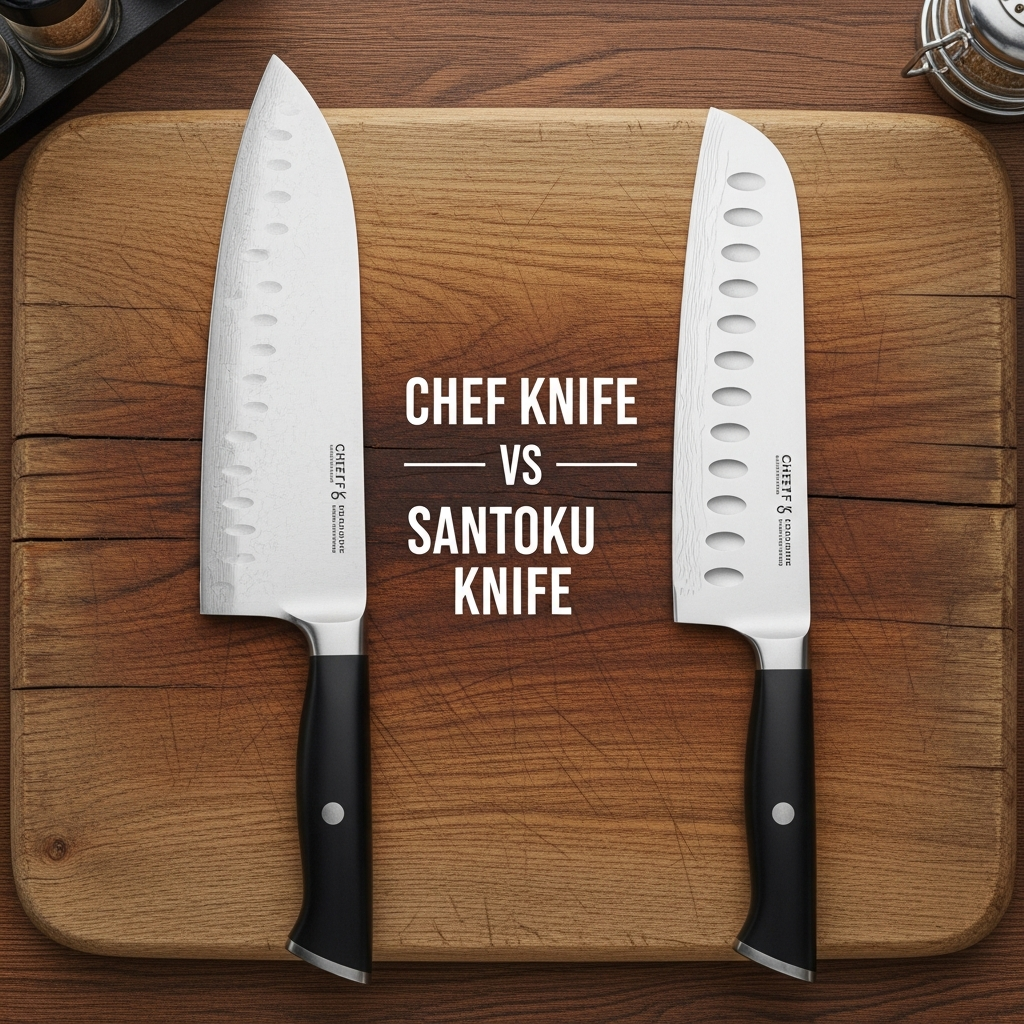
In the culinary world, there is a rivalry as old as East versus West. It is the ultimate battle for absolute supremacy on your cutting board: the heavy-duty Western Chef’s Knife up against the agile, precision-focused Japanese Santoku Knife.
If you are actively browsing knifeindex.com/ looking to build or upgrade your essential kitchen kit, you might understandably be confused. At first glance, they look somewhat similar. They both claim to be the ultimate “multi-purpose” blade. They perform virtually identical tasks—chopping onions, slicing chicken, dicing carrots. Yet, they feel completely different in the hand, require entirely different physical cutting motions, and are forged using vastly different metallurgical philosophies.
Choosing the wrong one can make your daily meal prep feel like a grueling chore, resulting in wrist fatigue and poorly cut ingredients. Choosing the right one, however, can completely transform cooking into an effortless joy, making you feel like a seasoned professional.
Whether you are comparing legacy German brands like Zwilling vs. Henkel, or looking at high-end Japanese vs. Western options like Shun vs. Wusthof, this definitive, comprehensive guide will meticulously break down the history, the anatomical geometry, the metallurgy, the cutting techniques, and the absolute best use-cases for each blade style.
1. Historical Origins & Definitions: What Exactly Are We Comparing?
To truly understand how these knives function, we must first look at the culinary cultures that birthed them. A knife’s shape is heavily dictated by the diet of the people who created it.
The Western Chef’s Knife (The French & German Workhorse)
Originating primarily in Germany (specifically the legendary city of Solingen) and France (Thiers), the Western Chef’s knife is the undisputed workhorse of the European kitchen. Historically, the European diet was heavy in dense root vegetables, thick-crusted breads, and large, bone-in cuts of meat. The tools required to process this diet needed to be heavy, highly durable, and capable of brute force.
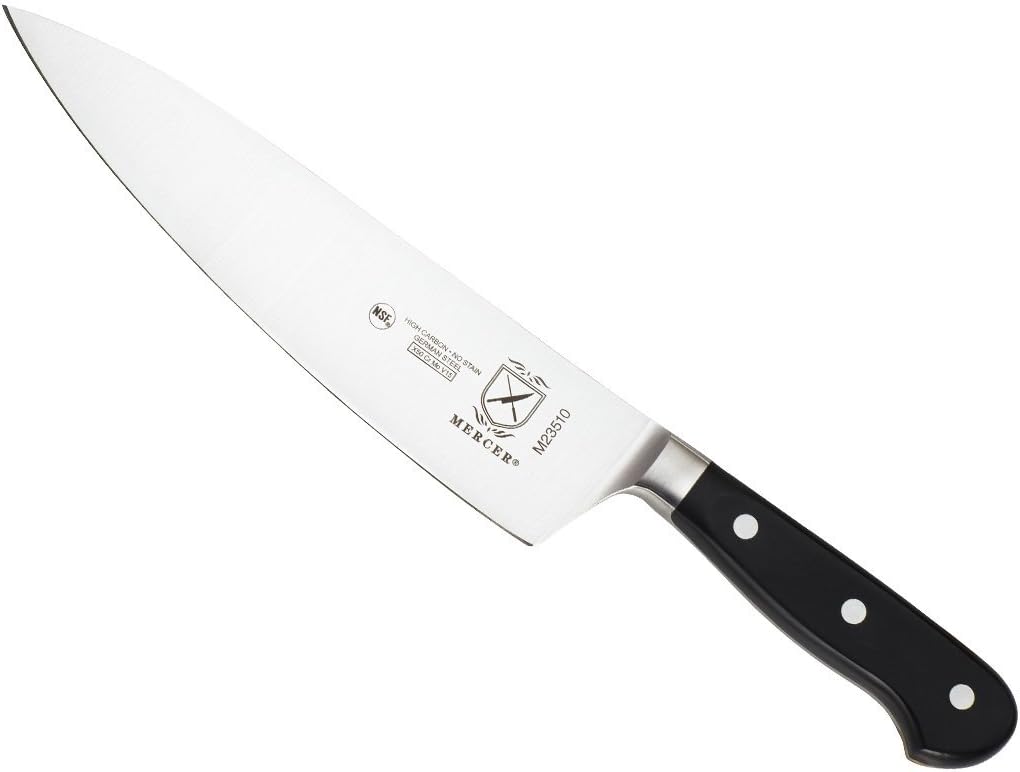
Also sometimes referred to as a “French knife” or a “Sabatier” style blade, the Western Chef’s knife typically features a broad blade that curves dramatically upward towards a sharp, pointed tip. This prominent curve—known in the culinary world as the “belly”—is specifically engineered for a distinct, rhythmic motion: rock chopping. For an even deeper dive into its myriad of functions, read our foundational guide on what is a chef knife used for.
The Santoku Bocho (The Japanese Hybrid)
The Santoku, by contrast, is a relatively modern invention originating in Japan during the post-World War II economic boom. Before this era, Japanese cooks traditionally used highly specialized knives: the Nakiri (a flat vegetable cleaver), the Deba or Yanagiba (long, thin slicers for fish), and the Deba (a thick, heavy blade for butchering fish).
As Western ingredients like beef and pork became more widely available and popular in Japanese households, home cooks grew frustrated with constantly switching between specialized blades. They needed a single, hybrid knife that could comfortably handle the traditional fish and vegetables, while also efficiently processing modern meats. Enter the Santoku Bocho.
The name directly translates to “Three Virtues” or “Three Uses” (referring to its mastery of slicing, dicing, and mincing; or its ability to handle meat, fish, and vegetables). It took the flat, straight edge of the Nakiri and added a pointed tip, resulting in a lighter, thinner blade with a rounded “sheep’s foot” nose designed for an up-and-down push-cutting motion. Learn more in our dedicated post: What is a Santoku knife used for?
External Insight
Kamikoto, a luxury Japanese steel knife brand, notes that while both knives are exceptionally versatile, the Santoku is inherently lighter, shorter, and often much better suited for home cooks with smaller hands or those who lack the counter space for an 8-to-10-inch swinging blade. Read their professional take here: Difference Between Chef’s Knife and Santoku Knife.
2. Head-to-Head Anatomy: The Geometry of the Cut
To help you decide which blade belongs on your magnetic rack, let’s look at the physical and geometric differences side-by-side. These aren’t just aesthetic choices; every millimeter of steel dictates how the knife interacts with your food.
| Anatomical Feature | Western Chef’s Knife | Japanese Santoku Knife |
|---|---|---|
| Standard Blade Length | 8 to 10 inches (Longer, requires more space) | 5.5 to 7 inches (Compact, nimble) |
| Blade Profile / Edge | Prominent curved “Belly” (ideal for rocking) | Relatively flat edge (ideal for up-and-down chopping) |
| Weight & Balance | Heavier, substantial; balance point is often at the bolster | Lighter, highly agile; balance point is often further forward |
| Tip Design | Sharp, spear-like pointed tip for piercing | Rounded “Sheep’s Foot” or K-tip; slopes down to the edge |
| Edge Angle (Bevel) | 18° to 22° per side (Thicker, more durable) | 12° to 15° per side (Thinner, razor-sharp precision) |
| Spine Thickness | Thick spine with distal taper for heavy driving force | Thin spine from heel to tip, reducing wedging in dense foods |
| Best Suited For | Heavy duty prep, disjointing chicken, rocking herbs | Precision vegetable slicing, push-cutting, delicate proteins |
3. Metallurgy: The Tale of Two Steels
The differences between these two iconic knives go much deeper than their shapes; they are forged using fundamentally different metallurgical philosophies. This affects how sharp the knife can get, how long it stays sharp, and how easily it can be damaged.
German/Western Steel: Toughness Over Hardness
Western Chef’s knives are typically forged from steel alloys like X50CrMoV15. This steel is designed to be relatively “soft” on the Rockwell Hardness scale (usually around HRC 56-58).
Why make a soft knife? Because softer steel is incredibly tough and highly ductile. If you accidentally strike a chicken bone, drop the knife in the sink, or aggressively twist the blade while cutting a dense butternut squash, the edge will safely “roll” or bend rather than chip. It is virtually indestructible, highly resistant to rust, and incredibly easy to hone back to sharpness using a standard steel rod.
Japanese Steel: Hardness Over Toughness
Santoku knives, specifically those adhering to Japanese traditions, are forged from high-carbon stainless steels (like VG-10, SG2, or AUS-10) or reactive carbon steels (like Aogami/Blue Paper Steel). These steels are heat-treated to an extreme hardness (usually HRC 60-63+).
This immense hardness allows the blade to be ground to a staggeringly thin 12-to-15 degree angle, yielding a scalpel-like edge that retains its sharpness exponentially longer than German steel. However, the trade-off is brittleness. Hard steel does not bend; it chips. If you hit a bone or pry apart frozen foods with a high-end Santoku, you risk snapping a piece of the blade off completely.
4. Ergonomics & Handles: Wa vs. Yo
How you hold the knife is just as important as the blade itself. Western Chef’s knives almost exclusively use a “Yo-Handle”. This is the classic, heavy, riveted handle with an exposed full tang of steel running through it. It provides excellent counterbalance and is incredibly ergonomic for a full-fisted grip.
Santokus can come with Western handles, but traditional Japanese models use a “Wa-Handle”. These are typically lighter, hidden-tang wooden handles shaped like an octagon, a “D”, or an oval. Wa-handles shift the balance point of the knife forward, encouraging the chef to use a “pinch grip” (pinching the base of the blade with the thumb and index finger) which drastically increases control and reduces wrist fatigue.
5. Cutting Mechanics: Rock vs. Chop
The biggest functional difference isn’t the knife itself; it’s how you must move your hand and wrist to utilize the geometry properly.
The Rock Chop (The Chef’s Knife)
Because of the highly curved belly of a Western Chef’s Knife, you can keep the tip of the blade anchored on the cutting board. Acting as a fulcrum, you lift the handle up and down, rocking the blade rapidly over the food. This technique is incredibly fast, highly efficient, and is the absolute best method for mincing massive piles of fresh herbs, garlic, or nuts. German knives, like those heavily featured in our best German kitchen knives list, excel exclusively at this motion.
The Push Cut (The Santoku)
The Santoku has a relatively flat edge. If you attempt to “rock chop” with a Santoku, the flat belly will aggressively slam into the cutting board, jarring your wrist and potentially damaging the thin edge. Instead, the Santoku requires a “push cut” or a “glide.” You lift the knife completely off the board, move it forward, and push down simultaneously in one smooth, diagonal motion.
This technique results in impeccably clean, razor-precise slices without bruising delicate herbs or tearing tomato skins. It is also significantly less tiring for your wrist if you are executing high-volume vegetable prep. Premium Japanese brands like Shun, Miyabi, and Global optimize their steel specifically for this exact cutting motion.
6. The Granton Edge: Why Does the Santoku Have Dimples?
If you look at most modern Santokus, you will notice a row of oval dimples or scallops ground into the side of the blade near the edge. This is known as a Granton edge or a hollow-ground edge.
Because Santokus have flat sides and are used for rapid up-and-down slicing, wet or starchy foods (like potatoes, cucumbers, or zucchini) tend to create a vacuum seal and aggressively stick to the side of the blade, forcing you to stop and wipe them off. The Granton dimples create tiny, microscopic air pockets between the steel and the food, breaking the suction and allowing slices to fall away cleanly. While some modern Chef’s knives now feature Granton edges, it is a staple defining feature of the Westernized Santoku.
7. Top Product Recommendations
We have rigorously tested the best chef knife brands on the market. Here are the undisputed champions of each distinct style.
 Wüsthof Classic Ikon 8″ Chef’s Knife
The definitive, heavyweight Western blade. It features flawless balance, a comfortable half-bolster that allows you to sharpen the entire length of the blade, and a beautifully sweeping curved belly for effortless, rapid rock-chopping. Forged in Solingen, Germany, it is a clear winner in our massive Wusthof vs Victorinox comparison.
Check Price on Amazon Shun Classic 7″ Santoku
The iconic Japanese entry point for Western cooks. It features an ultra-hard VG-MAX cutting core protected by 34 beautiful layers of stainless Damascus cladding. It is incredibly light, devastatingly sharp out of the box, and features deep hollow-ground indentations to prevent starchy food from sticking during rapid prep.
Check Price on Amazon8. Detailed Comparisons by Brand Philosophy
If you already possess a specific brand loyalty, here is exactly how their respective Chef vs. Santoku models stack up against one another.
Wüsthof & Zwilling (The German Approach)
It is important to note that German-made Santokus are almost always hybridized. They are significantly heavier, thicker, and softer than traditional Japanese Santokus, and they usually incorporate a slight belly curve to allow for some rocking. If you are deeply comparing Wusthof vs Zwilling vs Shun, know that the German Santokus are far tougher, require less babying, and can handle light bones infinitely better than the fragile, brittle Japanese versions.
Shun, Miyabi, & Global (The Japanese Approach)
These brands manufacture “true” Santokus (or at least, much closer to the Japanese ideal). They are laser-thin, aggressively tapered, and forged from exceptionally hard steel (VG10, SG2, or Cromova 18). They will hold an edge for months of heavy use, but they will absolutely chip if you abuse them or use improper cutting boards. See our Miyabi vs Shun battle for a hyper-detailed breakdown of their premium steel types.
Budget & Commercial Options (Victorinox & Mercer)
If you are on a strict budget, or equipping a commercial kitchen line, the Victorinox Fibrox is available in both shapes. The Mercer Culinary Millennia Santoku is also an absolute favorite among culinary students. Because these are stamped blades (cut from a sheet of steel rather than forged), they are very light and highly affordable. (See Mercer vs Victorinox for the ultimate budget showdown).
9. Real-World Application: When to Use Which?
Reach for the Chef’s Knife When:
- Breaking Down Meat: Disjointing a whole raw chicken, slicing through thick cartilage, or portioning a massive beef roast. (Though for eating at the table, ensure you have proper steak knives).
- Tackling Hard Vegetables: Splitting a dense butternut squash, a massive sweet potato, or a watermelon. The heavy weight of the German blade helps drive the steel through the resistance.
- High-Speed Mincing: Rhythmically rocking through a large pile of parsley, cilantro, or garlic cloves.
Reach for the Santoku When:
- Precision Vegetable Prep: Thinly slicing cucumbers, julienning onions, or uniformly dicing bell peppers without crushing the cellular walls. (For bulk, purely vegetarian prep, you should also heavily consider researching what is a Nakiri knife used for).
- Slicing Boneless Proteins: Gliding through raw chicken breast for a stir-fry, or slicing seared flank steak paper-thin.
- Delicate Fish: The exceptionally thin blade moves easily through delicate fish flesh without tearing the grain, making it adequate for crude sashimi preparation.
10. Forged vs. Stamped Construction
The manufacturing process heavily affects both blade types. A fully forged Wusthof Chef’s knife with a thick bolster will be remarkably heavy and handle-balanced, giving you a sense of authoritative power. A stamped Victorinox Santoku will feel feather-light and highly agile, but might lack the momentum needed for heavy cuts. It is critical to understand the long-term trade-offs in our dedicated guide: Difference Between Stamped and Forged Knives.
11. Maintenance, Care, and Proper Sharpening
Regardless of which blade geometry you choose, proper maintenance is entirely non-negotiable if you want the knife to last more than a few months.
- Sharpening Angles Matter: Western Chef’s knives are typically sharpened to a sturdy 20° angle per side. Japanese Santokus are sharpened to a delicate 15° angle. You cannot treat them the same. Ensure you have the best knife electric sharpeners that feature adjustable angle guides, or ideally, learn the meditative art of using a water whetstone.
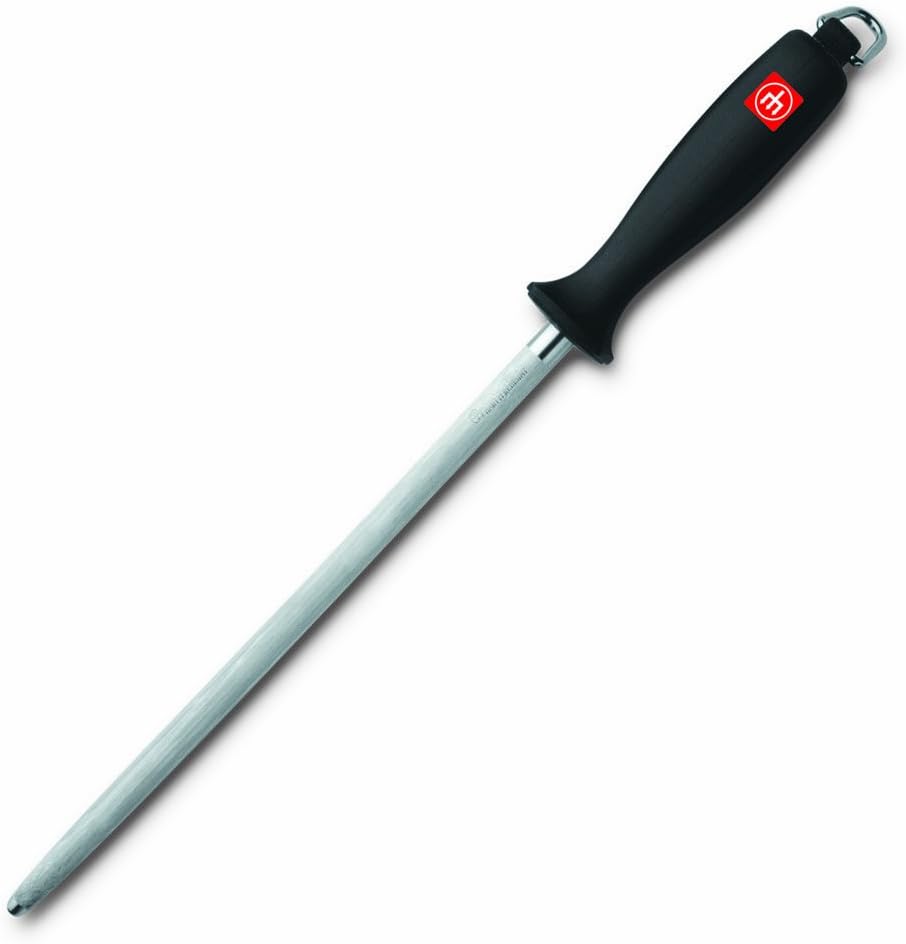
- The Art of Honing: Use a honing rod before every single use to micro-align the edge. *Crucial Note:* Use a steel, grooved honing rod for softer German Chef’s knives, but you MUST use a smooth Ceramic honing rod for hard Japanese Santokus to prevent chipping.
- Rust Prevention & Care: If you purchase a high-carbon Santoku (like a traditional Dalstrong or Shun), you must wash and dry it immediately after touching acidic foods like lemons. Never leave it in a wet sink. If you slip up, learn how to remove rust safely without ruining the blade finish.
- Safe Storage: Never toss a premium knife loosely into a utensil drawer without a plastic guard (saya). The edges will bang against spoons and dull instantly. Use a wall-mounted magnetic holder or a dedicated wooden knife block.
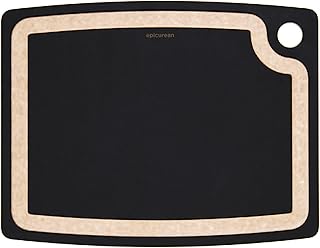
- Cutting Board Material: The board you cut on is just as important as the knife. Never cut on glass, marble, granite, or highly dense bamboo. These will destroy a 15-degree Santoku edge in minutes. Use end-grain wood (walnut, maple) or professional rubber boards like Hasegawa.
12. The Hybrid Contenders: Gyuto vs. Santoku vs. Chef’s Knife
Once you start researching Japanese blades seriously, you will quickly run into a third contender that confuses the comparison even further: the Gyuto. If the Chef’s Knife and the Santoku represent two opposite ends of a spectrum, the Gyuto sits directly in the middle, and understanding where it fits is essential before you commit to a single blade for your kitchen.
What Is a Gyuto, Exactly?
The word Gyuto literally translates to “beef sword,” and it was developed specifically so Japanese cooks could handle Western-style meat cuts using Japanese steel and Japanese sharpening philosophy. Structurally, a Gyuto is essentially a Japanese-forged version of a German Chef’s Knife: it retains the long, gently curved belly that allows for rock-chopping, but it is ground far thinner, sharpened to a much steeper acuity, and built from hard, high-carbon steel rather than soft German stainless alloys.
This matters enormously for anyone shopping the current market, because a huge percentage of “Japanese chef knives” sold today are actually Gyutos wearing a Western name. If a listing says “Japanese Chef’s Knife,” it is very likely a Gyuto in disguise, not a true Western-profile blade.
Gyuto vs. Santoku: Length Is the Deciding Factor
The most obvious distinction between a Gyuto and a Santoku is simply length and curvature. A Gyuto typically runs 8 to 10 inches with a pronounced curve near the tip, meaning it can still be rock-chopped somewhat, whereas a true Santoku’s flatter profile locks you into the push-cut motion almost exclusively. If your hands and prior training lean toward the Western rocking motion but you want Japanese-grade sharpness and edge retention, a Gyuto is very often the smarter purchase over a Santoku.
Where the Bunka Fits In
A fourth blade worth knowing about is the Bunka, sometimes described as a Santoku’s more aggressive cousin. Instead of the rounded sheep’s foot tip of a Santoku, the Bunka features a reverse-tanto or angular “K-tip,” giving it more precision for detail work like scoring skin, trimming silverskin, or making delicate garnish cuts, while still retaining the flat, push-cutting Santoku profile for the majority of the blade. Serious home cooks who outgrow a basic Santoku frequently upgrade to a Bunka rather than jumping straight to a full-length Gyuto.
| Blade Style | Typical Length | Primary Cutting Motion | Ideal User |
|---|---|---|---|
| Western Chef’s Knife | 8″–10″ | Rock chop | Cooks who process meat and dense produce daily |
| Gyuto | 8″–10″ | Rock chop / hybrid glide | Cooks who want Western motion with Japanese edge retention |
| Santoku | 5.5″–7″ | Push cut | Vegetable-forward, smaller-handed, beginner-friendly cooks |
| Bunka | 6″–7.5″ | Push cut with a precision tip | Home cooks who want detail control beyond a basic Santoku |
13. Steel Deep Dive: What HRC, Edge Retention, and Corrosion Resistance Actually Mean
Marketing copy loves to throw around numbers like “HRC 60” or acronyms like “VG-10” without explaining what any of it actually means for how the knife performs in your hand. Understanding these specifications will make you a far smarter shopper the next time you are comparing listings.
Rockwell Hardness (HRC) in Plain English
The Rockwell C scale measures how much a diamond-tipped indenter dents into the steel under a fixed load; a higher number means the steel resists denting, which correlates directly with edge retention. German Chef’s knife steel typically sits at HRC 56–58, a “sweet spot” that trades some edge retention for exceptional resistance to chipping and rolling. Japanese Santoku steel typically runs HRC 60–63, occasionally reaching the mid-60s in boutique blades, which is why a properly sharpened Santoku can shave paper-thin cucumber slices for weeks before needing a touch-up, while a Chef’s knife needs honing every few uses to stay at its best.
Edge Retention vs. Ease of Sharpening: The Real Trade-Off
Edge retention and ease of sharpening sit at opposite ends of a see-saw. Harder steel holds its edge longer between sharpenings, but it also takes significantly longer to actually re-sharpen from scratch on a whetstone, because you are grinding through denser, more resistant material. Softer German steel dulls faster in daily use but can be restored to razor sharpness in a few passes on a coarse stone, which is exactly why professional kitchens that sharpen constantly during service often prefer softer steel that snaps back quickly under pressure.
Corrosion Resistance: Stainless vs. Carbon
Most Western Chef’s knives and most modern Santokus are made from stainless steel alloys that resist rust even with imperfect care. However, a subset of premium Japanese knives use genuine high-carbon steel (such as Shirogami/White Paper Steel or Aogami/Blue Paper Steel) with no chromium for corrosion resistance at all. These blades sharpen to an even finer edge than stainless VG-10 or AUS-10, but they will develop a grey patina within hours of contact with acidic food, and they will rust orange overnight if left wet. If you are not prepared to hand-wash and immediately dry a knife after every single use, stick to stainless-clad Japanese steel rather than true carbon steel.
Quick Reference: Steel Types by Knife Style
Western Chef’s Knives commonly use X50CrMoV15 or similar German stainless alloys around HRC 56–58. Mainstream Japanese Santokus commonly use VG-10, AUS-8, or AUS-10 stainless steel around HRC 59–61. Premium Japanese Santokus step up to SG2/R2 powdered steel or Aogami Super, often exceeding HRC 63, delivering the longest edge retention available in a home kitchen blade.
14. Handle Materials Compared: Pakkawood, Micarta, G10, and Traditional Wood
The handle is the only part of the knife your hand actually touches for hours at a time, yet it is frequently an afterthought in most buying guides. Material choice affects grip security when wet, long-term durability, weight distribution, and even hygiene.
Pakkawood: The Modern Standard
Pakkawood is resin-impregnated laminated wood, essentially real wood grain compressed with polymer resin under high pressure. It looks like natural wood, offers a warm, comfortable grip, and is used on the vast majority of mid-range and premium Japanese Wa-handles, including many Shun and Miyabi models. Unlike raw wood, Pakkawood will not absorb moisture, crack, or harbor bacteria over years of use, making it dramatically more practical than traditional solid wood while retaining a similar aesthetic and feel.
Micarta and G10: The Durability Champions
Micarta (layered fabric or paper soaked in resin) and G10 (layered fiberglass soaked in resin) are increasingly common on higher-end custom and semi-custom knives, particularly from newer disruptor brands. Both materials are essentially indestructible, completely waterproof, will never crack in temperature swings, and provide excellent grip texture even when covered in oil or wet with rinse water. The trade-off is a slightly more “technical” or synthetic look compared to the warmth of Pakkawood, which matters if you care about a knife’s aesthetic on display.
Traditional Solid Wood (Magnolia, Ho Wood, Walnut)
Truly traditional Japanese Wa-handles, especially on entry-level and mid-tier lines, are often carved from unlaminated Ho Wood (magnolia) or walnut. These handles are lightweight, inexpensive, and beautiful, but they are also porous, meaning they can absorb water over time, shrink slightly as they dry out, and occasionally need re-oiling to prevent splitting at the tang. They are perfectly fine for a home cook who is diligent about drying knives immediately, but they are not the right choice for a commercial kitchen or a careless dishwasher-adjacent lifestyle.
POM and Synthetic Polymer (The Budget Workhorse)
Budget-friendly Chef’s knives and Santokus, including many Victorinox and Mercer models, use POM (Polyoxymethylene) or similarly dense synthetic polymer handles. These are essentially maintenance-free: they never crack, never absorb moisture, resist heat, and can be run through a dishwasher without any long-term damage, though hand-washing is still recommended to protect the edge. If low maintenance is your single highest priority, a synthetic polymer handle is genuinely hard to beat, regardless of price point.
15. Full Tang vs. Partial Tang: Why Construction Matters for Balance and Longevity
The “tang” refers to the portion of the blade’s steel that extends into the handle, and it is one of the most misunderstood specifications in knife shopping.
Full Tang Construction
A full tang means the steel runs the entire length of the handle, visible as a thin line of metal sandwiched between the handle scales (most obvious on riveted Yo-handles). This construction is standard on nearly every Western Chef’s Knife and provides maximum strength, a more substantial balance point near the bolster, and long-term durability, since there is no glued joint between a separate handle and a short tang that can eventually work loose.
Partial (Hidden) Tang Construction
Most traditional Japanese Wa-handled Santokus use a partial or “hidden” tang, where the steel extends only a few inches into the handle and the wooden handle itself is friction-fit or lightly epoxied around it, resembling a chisel or a paintbrush handle. This is not a sign of lower quality; it is a deliberate design choice that keeps the knife extremely lightweight and shifts the balance point forward toward the blade for superior control during push-cutting. However, it does mean that if the handle ever cracks or the epoxy fails after many years, a hidden-tang Wa-handle can be replaced far more easily and cheaply than repairing a riveted full-tang Yo-handle, which is actually an underappreciated long-term maintenance advantage for traditional Japanese knives.
16. Left-Handed Cooks: Which Blade Style Is More Accommodating?
Left-handed home cooks are frequently an afterthought in knife design, and the differences between these two blade families matter more than most retailers admit.
Western Chef’s Knives Are Generally Ambidextrous
Most Western Chef’s knives use a symmetrical, double-bevel edge ground at an equal angle on both sides of the blade. This means a right-handed and a left-handed cook experience essentially identical cutting performance, with no adjustment needed regardless of which hand holds the handle.
Traditional Japanese Blades Can Be Single-Bevel
While the vast majority of mass-market Santokus sold in the West are also symmetrical double-bevel blades (and therefore just as ambidextrous as a Chef’s Knife), some premium, traditionally-made Japanese Santokus and nearly all specialty single-purpose Japanese knives (like a Yanagiba) use an asymmetrical single-bevel grind, sharpened almost exclusively on one side. These single-bevel blades are built specifically for a right-handed grip by default, and a left-handed cook using one will experience the blade veering off-course mid-cut unless they special-order a left-handed grind, which most artisan Japanese knife makers do offer for an additional fee and lead time.
The practical takeaway: if you are left-handed and shopping for a Santoku, always confirm in the product description or by contacting the seller that the specific model is a symmetrical double-bevel edge before purchasing, since this detail is rarely highlighted prominently in Amazon listings.
17. Weight, Balance Point, and How to Test a Knife Before You Buy
Weight and balance are the two specifications that raw numbers on a spec sheet can never fully capture, yet they matter more to daily comfort than almost anything else on this page.
Typical Weight Ranges
An 8-inch German Chef’s Knife typically weighs between 220 and 280 grams, while a 7-inch Japanese Santoku typically weighs between 140 and 190 grams, roughly a third lighter despite the shorter blade contributing to some of that difference. Over a 45-minute vegetable prep session, that weight difference translates into measurably less forearm and wrist fatigue with the Santoku, which is a major reason so many home cooks with smaller hands or wrist conditions naturally gravitate toward it.
Finding the Balance Point
To test a knife’s balance point, rest your index finger directly under the bolster (the junction between blade and handle) and see whether the knife tips forward toward the blade or backward toward the handle. A Western Chef’s Knife almost always balances at or slightly behind the bolster, putting the perceived weight in your palm for driving power. A traditional Wa-handled Santoku typically balances slightly forward of the bolster, into the blade itself, which paradoxically makes rapid slicing motions feel lighter and more controlled even though the raw gram weight is lower.
Why This Matters More Than Brand Name
Two knives with identical steel and identical HRC hardness can feel completely different in actual use purely because of where their mass is distributed. If at all possible, handle a knife in person at a kitchen supply store before ordering the exact same model online, or read verified purchase reviews that specifically mention balance and in-hand feel rather than just sharpness out of the box.
18. Cost Breakdown: Entry-Level, Mid-Range, and Premium Price Tiers
Knife pricing can range from fifteen dollars to well over four hundred, and understanding what you are actually paying for at each tier prevents both overspending and under-buying.
| Price Tier | Typical Range | What You’re Paying For |
|---|---|---|
| Entry-Level | $15–$45 | Stamped blades, synthetic handles, softer steel, functional but shorter edge life |
| Mid-Range | $60–$150 | Forged construction, name-brand steel (VG-10, X50CrMoV15), proper heat treatment, better fit and finish |
| Premium | $150–$400+ | Hand-finished Damascus cladding, powdered steel cores (SG2, R2), hand-fitted Wa-handles, individual craftsman attention |
For most home cooks, the mid-range tier delivers the overwhelming majority of the performance benefit relative to cost; premium knives offer diminishing returns that mostly benefit collectors, professional chefs sharpening daily, or cooks who simply enjoy owning a beautifully finished tool as much as using it.
19. Building a Complete Knife Roll: What Culinary Students Actually Need
If you are heading into culinary school or a first line cook position, a Chef’s Knife and a Santoku alone will not cover every station you are assigned to. A genuinely complete starter roll typically includes one long Western-style Chef’s Knife or Gyuto as the main workhorse, one Santoku or paring knife for detail vegetable work, a dedicated boning or fillet knife for breaking down proteins, a serrated bread knife for bakery stations, and a honing rod appropriate to whichever primary steel you have chosen. Many culinary programs also require a specific offset serrated knife and a channel/gutting knife for produce and seafood rotations, so always check your program’s exact supply list before purchasing a generic “chef starter set,” since some bundled sets substitute lower-quality stamped blades to hit a price point.
20. Common Mistakes That Wreck a Chef’s Knife or Santoku
Even an expensive, high-performance blade will fail prematurely if it is used or stored incorrectly. These are the mistakes we see most often from home cooks upgrading from big-box store knives for the first time.
- Cutting on glass, granite, or marble: These surfaces are harder than the steel itself and will roll or chip an edge within a single prep session, regardless of how expensive the knife was.
- Twisting the blade to pry apart food: Using a knife as a lever to separate stuck dough, frozen food, or wedged produce puts lateral stress the blade was never designed to absorb, especially on thin Japanese steel.
- Leaving a wet blade on the counter or in the sink: Even stainless steel can develop surface pitting and micro-rust if left wet for hours, and true carbon steel will visibly rust within a day.
- Running premium knives through the dishwasher: Detergent chemicals, heat, and blade-on-blade contact with other utensils will dull the edge and can pit or discolor Damascus cladding within a handful of cycles.
- Skipping regular honing: Waiting until a knife feels obviously dull before honing means you have already been micro-damaging the edge for weeks; honing before each use keeps the edge aligned and delays the need for full sharpening.
- Storing loose in a drawer: Metal-on-metal contact with other utensils in an unprotected drawer is one of the single fastest ways to dull an edge, second only to using the wrong cutting board.
21. Knife Skills You Can Practice With Either Blade
Regardless of which knife you ultimately choose, your actual cutting technique matters more than the tool in your hand. Investing thirty minutes into deliberate practice with basic cuts will improve your speed, consistency, and safety far more than any single upgrade in steel or handle material ever could.
The Claw Grip
The single most important habit for any home cook to build is the “claw grip” on the guide hand: curling your fingertips under so your knuckles, not your fingertips, face the blade, while your thumb tucks safely behind your other fingers. This grip works identically whether you are rock-chopping with a Chef’s Knife or push-cutting with a Santoku, and it is the primary defense against accidental nicks during fast prep work.
The Pinch Grip on the Blade
On the knife-holding hand, professional cooks pinch the blade itself, just in front of the bolster, between thumb and index finger, rather than wrapping all fingers around the handle like gripping a hammer. This pinch grip dramatically increases control and precision, and it is especially important on a forward-balanced Santoku where the extra stability directly translates into cleaner, more uniform slices.
Practicing the Julienne, Brunoise, and Chiffonade
Three foundational cuts are worth deliberately practicing with a carrot, an onion, and a stack of basil leaves: the julienne (thin matchstick strips), the brunoise (a fine dice built from julienned strips cut crosswise), and the chiffonade (thin ribbons of leafy herbs rolled tightly and sliced). A Santoku’s flat edge and lighter weight tend to make the julienne and chiffonade feel more controlled for beginners, while a Chef’s Knife’s rocking motion tends to make the brunoise faster once you have built confidence and speed.
Speed Comes From Repetition, Not From the Knife
It is tempting to believe that a sharper, more expensive knife will automatically make you faster in the kitchen. In reality, professional-level speed comes almost entirely from thousands of repetitions building muscle memory for consistent cut sizes, not from the blade itself. A cheap, sharp knife in the hands of a practiced cook will consistently outperform an expensive, dull knife in the hands of a beginner, which is exactly why culinary schools spend the first several weeks of training on knife skills drills using inexpensive practice blades before students ever touch their personal knife roll.
22. What Professional Chefs Actually Prefer: Survey Insights
Anecdotally, working chefs are far more split on this debate than marketing copy from any single brand would suggest, and the split tends to follow cuisine specialization rather than pure preference.
Western Line Cooks and Butchers Lean Chef’s Knife
Cooks working stations that involve heavy protein breakdown, large-batch mirepoix production, or high-volume mincing for stocks and sauces overwhelmingly reach for a Western-profile Chef’s Knife or a Gyuto, specifically because the rocking motion is faster for large piles of aromatics and the tougher steel survives accidental contact with bones and cartilage during fast-paced butchery work.
Sushi and Vegetable-Forward Cooks Lean Santoku or Nakiri
Cooks specializing in vegetable-forward cuisine, sushi preparation, or delicate protein work (like thin-sliced sashimi or paper-thin carpaccio) far more often prefer the flatter, thinner geometry of a Santoku, Nakiri, or dedicated slicing knife, since the push-cut motion produces cleaner cross-sections without bruising or tearing delicate cell structures.
Most Experienced Cooks Eventually Own Both
The overwhelming consensus among cooks with more than five years of professional experience is that the “versus” framing is somewhat artificial at the highest skill level: a well-equipped line cook typically owns both a Western-style Chef’s Knife (or Gyuto) and a Santoku (or Nakiri), reaching for whichever tool matches the specific task at hand rather than trying to force one blade to do everything. This is a useful reminder for home cooks agonizing over “which one should I buy” — the honest professional answer is very often “eventually, both.”
23. Pre-Built Knife Sets vs. Building Your Collection Piece by Piece
Retailers heavily promote bundled knife block sets, but whether they represent good value depends entirely on your cooking habits and how much you already know about your own preferences.
The Case for a Starter Set
A well-curated knife block set (typically including a Chef’s Knife, a Santoku or utility knife, a paring knife, kitchen shears, and a honing rod) makes sense for someone furnishing a first kitchen from scratch, since it guarantees you have a functional tool for every basic task without researching each purchase individually. Sets also tend to offer a modest discount compared to buying every piece separately at full retail price.
The Case Against Bundled Sets
The major downside of bundled sets is that manufacturers frequently cut costs somewhere to hit an attractive bundle price point, often on the least “exciting” pieces like the bread knife or the honing rod, meaning you may end up with several knives you rarely use (a boning knife, for instance, if you never break down whole poultry) while the two knives you actually reach for daily, the Chef’s Knife and a paring or utility knife, are only mid-tier quality. Buying your primary Chef’s Knife or Santoku individually, at full attention to steel type and handle comfort, and filling in specialty knives only as you discover you actually need them, almost always produces a more satisfying, better-value collection over two or three years compared to committing to a full block set on day one.
24. Sourcing and Sustainability: Where Does Your Steel Come From?
An increasingly common question from environmentally conscious shoppers is where the raw steel in their knife was actually mined, smelted, and forged, and how that affects the product’s overall footprint.
German Chef’s Knife steel is typically produced domestically within the EU under relatively strict environmental and labor regulations, and companies like Wüsthof and Zwilling have historically kept forging operations centralized in Solingen for generations, which supports quality control but does mean higher energy costs are baked into the retail price. Japanese steel production, particularly for boutique carbon steels like Aogami, is often sourced from small-batch specialty mills (Hitachi Metals being the most famous) that produce far smaller volumes than mass-market stainless steel producers, contributing to both the premium price and the reputation for exceptional consistency. If sustainability and supply chain transparency matter to your purchasing decision, look specifically for brands that publish forge location and steel sourcing details directly on their product pages rather than relying on generic “Japanese steel” or “German steel” marketing language, which can sometimes obscure the fact that final assembly happens in a third country entirely.
25. Traveling With Your Knives: Culinary Competitions, Pop-Ups, and Catering Gigs
Cooks who travel for competitions, private catering events, or pop-up gigs face a unique set of considerations that home cooks rarely think about. A rugged, full-tang Western Chef’s Knife with a synthetic handle generally survives transport in a knife roll far better than a delicate, hidden-tang traditional Wa-handled Santoku, simply because the construction tolerates minor impacts during transit without the handle loosening or cracking. If your Santoku is a genuine investment piece with a traditional wood handle, always transport it in a rigid blade guard (saya) rather than a soft roll pocket, and consider a hard-shell knife case if you are checking a bag through airport security or shipping tools ahead to a competition venue, since even brief rough handling can chip a thin, high-hardness Japanese edge in ways that are far more forgiving on a tougher German blade.
26. Matching Your Knife to Real Weekly Cooking Scenarios
Abstract specifications are useful, but most people make better purchasing decisions when they picture their own actual weekly cooking routine rather than a generic “best overall” recommendation. Below are several common home-cooking scenarios and which blade tends to fit best.
Scenario: The Weeknight Stir-Fry Household
If your weeknight routine revolves around quickly slicing chicken breast, bell peppers, broccoli, carrots, and aromatics for stir-fries several nights a week, the Santoku’s push-cut motion and Granton-edge food release make it the more efficient daily driver, since you are almost never dealing with bones, thick roasts, or hard winter squash in this style of cooking.
Scenario: The Sunday Batch-Cooking Family
Households that batch-cook large trays of roasted vegetables, braise big cuts of meat, or break down a whole chicken or turkey on weekends will get more consistent daily use out of a Western Chef’s Knife, since its weight, durability, and rocking motion are simply better suited to sustained heavy-duty prep sessions and occasional contact with bone or cartilage.
Scenario: The Health-Conscious, Vegetable-Heavy Kitchen
Cooks focused on high-vegetable, plant-forward meals, salads, and fresh produce prep every day will typically find a Santoku (or a dedicated Nakiri) noticeably less fatiguing over a full week of daily use, thanks to the lighter weight and thinner edge gliding through produce with minimal resistance, reducing the repetitive strain that a heavier blade can cause over months of daily chopping.
Scenario: The Small-Kitchen, Small-Hands Apartment Cook
In a compact apartment kitchen with limited counter space and a smaller cutting board, the shorter overall length of a Santoku is genuinely easier to maneuver without the tip constantly running off the edge of the board, and the reduced weight is particularly appreciated by cooks with smaller hands or any degree of wrist or grip-strength limitation.
Scenario: The Serious Home Chef Who Entertains Often
If you regularly host dinner parties involving both meat-forward mains and elaborate vegetable sides, you are exactly the profile of cook who benefits most from owning both blades rather than compromising with just one. A mid-range Chef’s Knife paired with a mid-range Santoku, purchased separately rather than as part of a bundled set, typically costs less in total than a single premium do-everything blade, while giving you noticeably better performance across the full range of tasks a dinner party demands.
27. A Complete Walkthrough: Sharpening Your Knife at Home on a Whetstone
Owning either blade eventually means learning to sharpen it properly, since even the best steel dulls with regular use. Here is a realistic, beginner-friendly walkthrough that applies to both knife families, with notes on where the process diverges.
Step One: Choose the Right Grit Progression
For routine maintenance sharpening on either a Chef’s Knife or a Santoku, a combination stone with a 1000-grit side (for repairing a dull or slightly damaged edge) and a 6000-grit side (for polishing and refining that edge to its final sharpness) covers the vast majority of home sharpening needs. Serious Japanese knife owners often add a 3000-grit stone as a middle step and an 8000-plus grit finishing stone for a true mirror polish, but this is optional for anyone who isn’t chasing competition-level sharpness.
Step Two: Soak and Set Up the Stone
Most whetstones need to be soaked in water for 10 to 15 minutes before use until air bubbles stop rising to the surface (splash-and-go ceramic stones are an exception and only need a light misting). Place the stone on a non-slip base or a damp towel so it cannot shift while you are applying pressure during sharpening strokes.
Step Three: Find and Hold the Correct Angle
This is where the two knife families genuinely diverge. For a Western Chef’s Knife, aim for roughly a 20-degree angle per side, which is comfortably approximated by tilting the spine of the blade about the width of two stacked coins off the stone’s surface. For a Japanese Santoku, aim for a much shallower 12-to-15-degree angle per side, closer to the width of a single coin, since going too steep on Japanese steel wastes the fine, thin geometry the manufacturer originally ground into the blade.
Step Four: Work Through the Grits With Consistent Strokes
Starting on the coarser stone, draw the blade across the surface in smooth, consistent edge-leading or edge-trailing strokes (either works, as long as you stay consistent), maintaining your chosen angle the entire time, and alternate sides evenly every ten to fifteen strokes so you do not over-sharpen one side relative to the other. Once you feel a small, even burr form along the entire opposite edge, move to the finer stone and repeat with much lighter pressure to polish and refine the edge.
Step Five: Strop and Test
Finish by lightly stropping the blade on a leather strop or the back of an old towel to remove the microscopic burr left behind by the finishing stone, then test sharpness by seeing whether the blade can slice cleanly through a sheet of printer paper or shave a few hairs off your arm without snagging. If the edge catches or tears rather than slicing cleanly, return to the coarser stone and repeat the process, since an inconsistent angle is almost always the culprit behind an edge that still feels dull after a full sharpening session.
How Often Should You Actually Sharpen?
A home cook using their primary knife daily should expect to fully sharpen a Western Chef’s Knife roughly every two to three months with regular honing in between, while a well-maintained Japanese Santoku, thanks to its harder steel, can often go four to six months between full sharpenings under the same daily use, provided it is honed with a ceramic rod and never abused on the wrong cutting surface.
28. Warranties, Lifetime Guarantees, and Long-Term Value
One overlooked factor in the Chef’s Knife vs. Santoku decision is what happens years down the line if something goes wrong, and the warranty policies of the major manufacturers differ substantially between the two traditions.
German Brands and Their Famous Lifetime Warranties
Wüsthof and Zwilling both offer genuine lifetime warranties against manufacturing defects on their forged Chef’s Knives, reflecting the confidence these companies have in their tough, forgiving German steel. These warranties typically cover things like a blade snapping at the tang or a rivet failing, though they explicitly exclude normal wear, chipping from misuse, and rust from improper care, so a warranty is not a substitute for proper maintenance.
Japanese Brands and More Limited Coverage
Japanese knife manufacturers, including Shun and Miyabi, generally offer more limited warranties, often one to three years against manufacturing defects, reflecting the reality that harder, thinner steel is inherently more prone to chipping from user error in ways that are difficult to distinguish from a genuine factory defect. This is not necessarily a sign of lower confidence in the product; it is simply an acknowledgment that thin, hard Japanese steel behaves very differently under stress than tough German steel, and manufacturers are understandably cautious about covering damage that is frequently caused by improper cutting boards or accidental bone contact rather than a true defect.
Calculating True Lifetime Cost
When you account for occasional professional resharpening costs, the eventual need to replace a handle on a hidden-tang Wa-handled knife, and the higher upfront price of premium Japanese steel, a genuinely fair lifetime cost comparison often favors a well-made German Chef’s Knife for cooks who are rough on their tools, while heavily favoring a well-made Japanese Santoku for cooks who are diligent about maintenance and primarily use their knife on appropriate cutting surfaces. Neither blade is objectively the better long-term investment in isolation; the deciding factor is almost always the owner’s own habits rather than the knife itself.
29. What About Other Specialty Knives?
While the Chef’s Knife and the Santoku are the indisputable stars of the show, you should not try to force them to do absolutely everything in the kitchen.
Need to peel an apple, core a strawberry, or devein shrimp off the cutting board? You need a smaller blade. Read what is a paring knife used for.
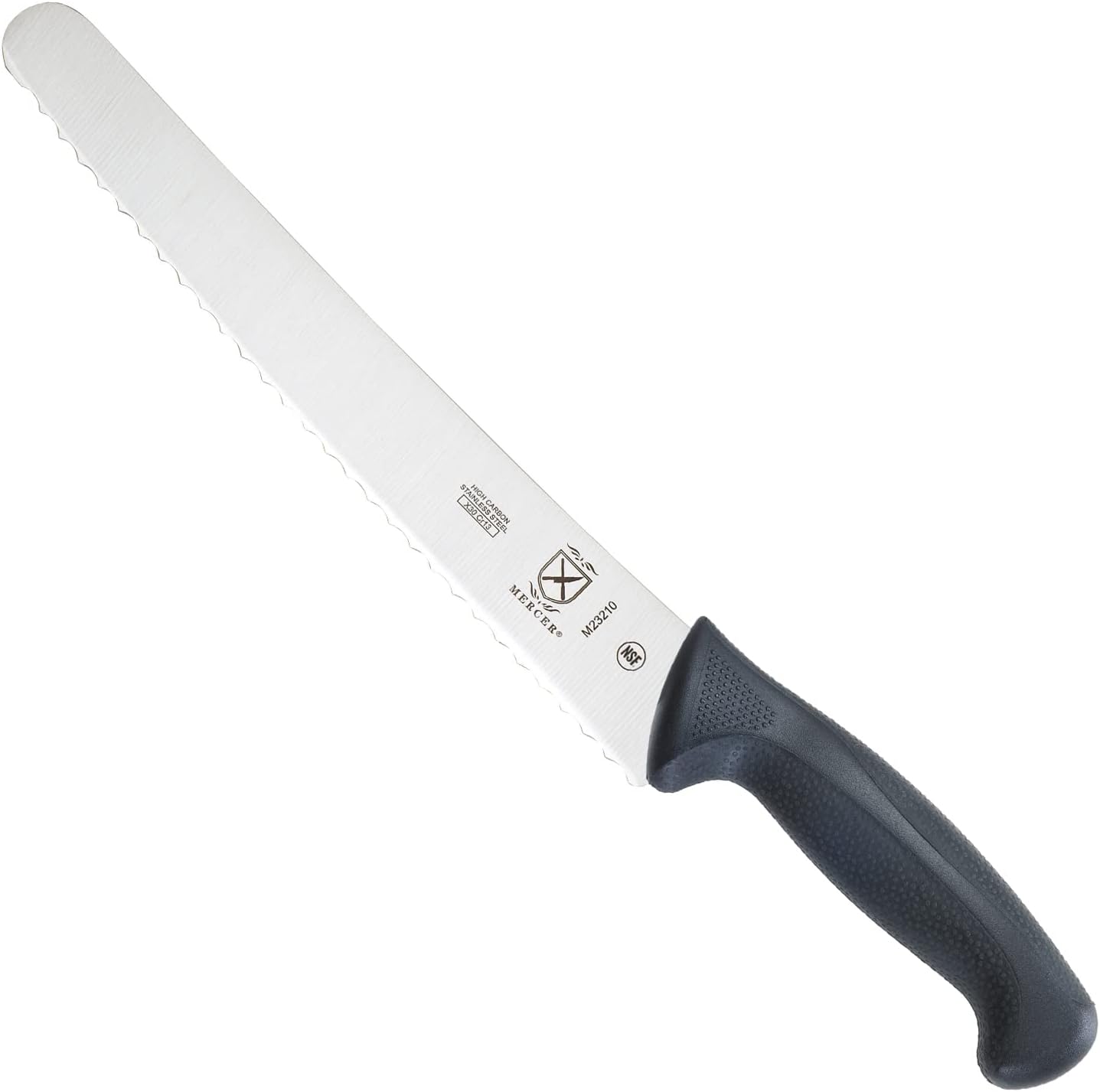
Need to cut through a crusty artisan sourdough boule or a delicate sponge cake without crushing it? A straight edge will fail. Read what is a serrated knife used for (or check out our rankings for the best bread knife).
Are you a culinary student taking your tools on the go? Protect your investment and get a professional knife bag.
Frequently Asked Questions (FAQ)
For roughly 90% of home cooks, the answer is yes. If you do not regularly butcher whole chickens, slice through dense bones, or chop massive winter squashes, the lighter, shorter, and highly nimble Santoku is often much more comfortable, precise, and significantly less intimidating to use on a daily basis.
Those oval indentations are officially called a “Granton edge” or a hollow-ground edge. Because the Santoku is used for rapid, flat slicing, wet foods tend to suction onto the steel. The dimples create tiny air pockets between the blade and the food, which effectively breaks the vacuum seal and stops wet vegetables (like potatoes and cucumbers) from sticking to the knife while you chop.
The Santoku is almost universally considered better and safer for absolute beginners because it possesses a shorter blade (typically 7 inches versus a daunting 8-10 inches), making it far easier to control. The rounded sheep’s foot tip is also less likely to accidentally puncture something (or someone) than the needle-sharp tip of a Chef’s knife. However, learning to use the Chef’s knife correctly teaches the fundamental “rocking” skill that is mandatory in fast-paced professional commercial kitchens.
It entirely depends on your aesthetic preferences and cutting style. Wusthof represents traditional, heavy-duty, no-nonsense German excellence with a proven track record lasting over a century. Dalstrong is a modern disruptor offering highly aggressive, flashier designs and highly varied imported steel types at competitive prices. See our exhaustive Dalstrong vs Wusthof metallurgical comparison for a deep dive to see which philosophy suits your kitchen.
A Gyuto is a longer, more curved Japanese blade (8–10 inches) built to be rock-chopped like a Western Chef’s Knife but forged from harder Japanese steel. A Santoku is shorter (5.5–7 inches), has a much flatter edge profile, and is designed almost exclusively for an up-and-down push-cutting motion rather than rocking.
HRC stands for Rockwell C Hardness, a scale that measures how strongly steel resists denting. Higher HRC numbers mean the steel holds a sharp edge longer between sharpenings but is also more brittle and prone to chipping, while lower HRC numbers mean the steel dulls faster but bends rather than chips under stress.
No. Dishwasher heat, harsh detergent, and contact with other utensils will dull the edge, and for Japanese Santokus can cause chipping or handle damage. Both knife styles should always be hand-washed and dried immediately.
For a first knife, budget and mid-range brands like Victorinox, Mercer Culinary, or a standard Wüsthof Gourmet line offer forgiving, low-maintenance steel and comfortable handles at a price that lets a new cook build skill and confidence before investing in a premium blade.
Conclusion: The Final Verdict
The ultimate choice between a Western Chef Knife vs. a Japanese Santoku is a deeply personal one. There is no objective “best” knife—there is only the best knife for you. It depends entirely on the size of your hands, the height of your counters, the type of food you cook most frequently, and your natural wrist mechanics.
Choose a Western Chef’s Knife If: You prefer a heavy, substantial tool that relies on weight and gravity to do the hard work for you. You frequently cook large meat roasts, tackle incredibly tough, dense root vegetables, and you vastly prefer the fast, rhythmic, fluid rocking motion of mincing herbs with the tip anchored to the board.
Choose a Japanese Santoku If: You highly value lightweight agility and razor-sharp precision over brute force. You prep massive volumes of vegetables for stir-frys or salads, you possess smaller hands, or you naturally prefer a clean, straight up-and-down push-cutting motion.
Ideally? A well-stocked, highly functional kitchen should absolutely have both. But if you can only afford to pick one right now, start with the one that feels like a natural, ergonomic extension of your own hand. We highly recommend checking out our comprehensive budget knife guide to find an inexpensive, highly-rated version of each style so you can affordably test them out on your own cutting board before investing hundreds of dollars in a premium lifetime blade.