Hand-Forged Knives: The Complete Guide to Choosing, Understanding, and Caring for a True Blacksmith Blade
Everything you need to know about hand-forged knives — how they’re made, what separates a genuine forged blade from a stamped imitation, which steels and handle materials matter, and how to pick the right one for your kitchen, campsite, or everyday carry.
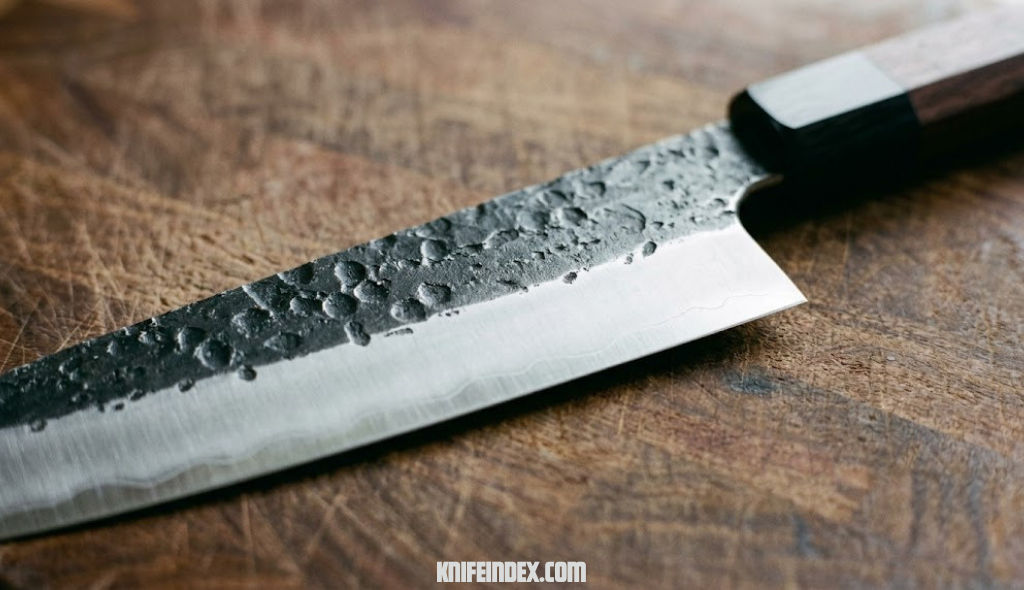
What Is a Hand-Forged Knife?
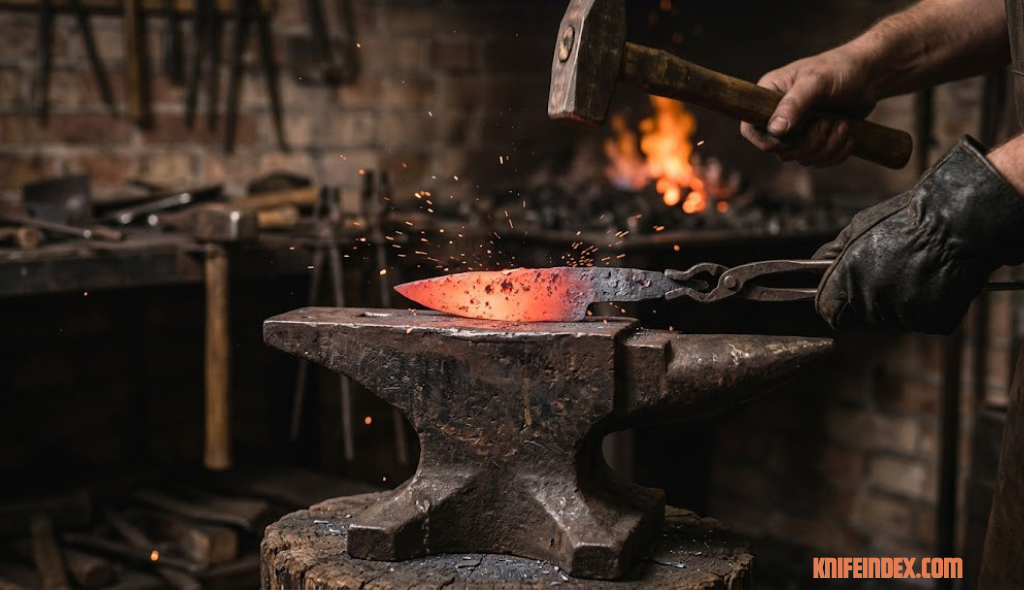
A hand-forged knife is a blade shaped primarily through heat and hammer work rather than cut from flat sheet steel. A bladesmith heats a bar of steel in a forge until it glows orange, then hammers it — often on an anvil, sometimes assisted by a power hammer — to draw out the profile, set the bevels, and establish the distal taper that gives a forged blade its characteristic balance. This is fundamentally different from mass production, where a blade shape is punched or laser-cut from a sheet and then ground to a final profile.
The term “hand-forged” gets used loosely in marketing, so it helps to separate real distinctions. A knife can be forged by a single smith working a solo forge, or it can be forged on an industrial scale with hydraulic presses shaping pre-heated billets into rough blanks that are later hand-finished. Both are legitimately “forged,” but the amount of individual craftsmanship varies enormously, and that variance is exactly why prices for forged knives range from under fifty dollars to several thousand.
What unites almost every hand-forged blade is a denser, more refined grain structure at the edge, a taper that begins thick at the spine and thins gradually toward the point, and — in the best examples — a level of fit and finish that stock-removal knives rarely match without significant extra grinding work. If you’re weighing a forged blade against something more mainstream, it’s worth reading our breakdown of forged vs. stamped knives before you commit to either camp.
Why People Seek Out Hand-Forged Blades
The appeal of a hand-forged knife goes beyond raw cutting performance. There’s a tactile, almost ceremonial quality to owning a blade that was shaped by direct human effort at a forge rather than punched from a sheet by an automated die. Home cooks who spend serious time behind a cutting board often notice the difference in balance immediately — a properly forged chef’s knife rocks through an onion or a stack of herbs with a momentum that a lighter stamped blade simply can’t replicate. Outdoorsmen and hunters gravitate toward forged full-tang knives for the peace of mind that comes with a blade unlikely to snap under hard use. And collectors are drawn to the individuality of the craft itself: no two hand-forged blades, even from the same maker using the same steel, are ever perfectly identical.
A Living Craft, Not a Historical Relic
It’s worth noting that hand forging isn’t a nostalgic throwback confined to renaissance fairs and museum displays — it’s an active, evolving craft. Modern bladesmiths regularly combine traditional hammer-and-anvil technique with contemporary steels, precision heat-treatment ovens, and CNC-assisted handle fitting, blending old-world skill with new-world materials science. Understanding this blend is key to evaluating any hand-forged knife you’re considering: the “hand-forged” label describes how the blade was shaped, not necessarily how modern or traditional the rest of the manufacturing process is.

Want to feel the difference a forged blade makes in hand? This hand-hammered Damascus chef knife is a solid entry point into forged cutlery.
Check Price on AmazonThe Forging Process, Step by Step
Understanding how a forged blade actually comes together makes it much easier to judge quality when you’re shopping. The process typically unfolds in a fairly consistent sequence, whether it happens in a one-person shop or a small production facility.
1. Selecting and Cutting the Steel Bar
The smith starts with a bar or billet of steel matched to the intended use — a tough, shock-resistant alloy for a camp knife, a fine-grained high-carbon steel for a kitchen blade, or a stainless alloy for something that needs to shrug off moisture.
2. Heating in the Forge
The steel is heated to a specific temperature range, usually judged by color, until it becomes malleable enough to move under the hammer without cracking.
3. Hammering the Profile
Repeated heating-and-hammering cycles draw the bar into a rough blade shape, spreading the metal to create the point, the belly, and the beginnings of the distal taper — the gradual thinning from ricasso to tip that gives a forged knife its lively, front-heavy-yet-balanced feel in hand.
4. Normalizing and Annealing
Before final shaping, the blade goes through cycles of controlled heating and cooling to relieve internal stress and refine the grain structure. Skipping this step is one of the most common shortcuts in cheap “forged” knives, and it’s a major reason some forged blades warp or chip despite looking impressive.
5. Rough Grinding
Once the profile is set, the smith grinds away hammer scale and refines the bevels, bringing the blade close to its final shape while leaving room for heat treatment shrinkage.
6. Heat Treatment and Quenching
This is the step that actually determines hardness and edge retention. The blade is heated to its critical temperature and rapidly cooled — quenched — in oil, water, or air depending on the alloy, then tempered at a lower temperature to reduce brittleness.
7. Final Grinding, Handle Fitting, and Sharpening
The blade is ground to its finished bevel, the handle scales or full handle are fitted to the tang, and the edge is honed to a working sharpness before the knife ships.
Every one of these stages is a place where quality can be added — or cut. A smith who skips normalization cycles or rushes the quench can produce a blade that looks identical to a properly forged one but performs far worse in the field.
Hand Forging vs. Power-Hammer and Press Forging
Not every “hand-forged” knife is shaped exclusively by a hammer swung by hand. Many contemporary shops use power hammers or hydraulic presses to handle the bulk of the initial shaping — drawing out the bar and roughing in the profile — before the smith finishes the details, bevels, and distal taper entirely by hand. This hybrid approach is generally considered legitimate hand forging within the trade, since the defining hand skill lies in controlling the final geometry and heat treatment, not necessarily in every single hammer blow. Purists sometimes draw a sharper line, reserving “hand-forged” strictly for blades shaped entirely with hand tools at a solo anvil, so it’s worth asking a maker directly which parts of their process are mechanized if that distinction matters to you.
Why the Quench Is the Riskiest Step
Of all the stages in forging a knife, quenching carries the highest risk of ruining an otherwise well-shaped blade. Cooling the steel too quickly, unevenly, or in the wrong medium for that particular alloy can introduce warping or even hairline cracks that may not show up until the blade is put under stress later. This is why experienced smiths treat quenching almost ritualistically — controlling oil or water temperature precisely, moving the blade in a consistent pattern through the quenchant, and immediately checking for warp before moving on to tempering. A knife that survives this stage cleanly, straight and crack-free, is already most of the way to being a reliable tool.
Forged vs. Stamped: Why It Matters
The forged-versus-stamped debate is one of the oldest arguments in cutlery, and both sides have legitimate points. Stamped blades are cut from a flat sheet of steel using a die, then ground and finished. This process is fast, consistent, and far cheaper, which is why the majority of budget and mid-range knives — including many respected kitchen brands — use it.
Forged blades, by contrast, take longer to produce and typically use thicker starting stock, giving the finished blade a fuller bolster, a more substantial spine, and often better balance for tasks that demand rocking or chopping motion. The tradeoff is cost and, in lower-quality forged knives, inconsistency — a rushed forging job can actually underperform a well-made stamped blade.
| Attribute | Hand-Forged Knife | Stamped Knife |
|---|---|---|
| Starting material | Thick steel bar, hammered to shape | Flat steel sheet, die-cut |
| Grain structure | Refined by forging and hammering | Unchanged from the mill sheet |
| Bolster | Often integral, full and substantial | Usually absent or riveted on |
| Balance | Typically heavier, blade-forward | Lighter, more handle-neutral |
| Production time | Hours to days per blade | Minutes per blade |
| Price range | Mid to premium | Budget to mid-range |
| Consistency | Depends heavily on smith skill | Very consistent, machine-controlled |
Neither approach is universally “better.” A well-heat-treated stamped blade from a reputable factory can outperform a poorly forged knife from an inexperienced maker. But at the top end, hand forging is where you find the heirloom-quality pieces — the kind of knife that gets passed down rather than replaced.
Where the Bolster Difference Really Shows Up
The integral bolster found on most forged knives — the thick collar of steel where blade meets handle — does more than look substantial. It shifts weight toward the front of the knife, which improves control during a rocking chop, and it protects fingers from sliding forward onto the edge during aggressive cutting motions. Stamped knives can approximate a bolster by welding or riveting on a separate piece, but this adds a seam that can eventually loosen, whereas a forged bolster is structurally one continuous piece of steel with the rest of the blade. If you handle both styles side by side, this is often the single most noticeable physical difference, even before you factor in edge performance.
It’s also worth remembering that the terms “forged” and “stamped” aren’t perfect proxies for “expensive” and “cheap.” Some very well-regarded stamped knife lines from established manufacturers are deliberately positioned as lighter, more nimble alternatives to heavier forged lines within the same brand’s catalog, aimed at cooks who prefer a thinner, faster-moving blade regardless of price point.
Steel Choices in Hand-Forged Blades
Forging doesn’t replace the importance of steel chemistry — it works alongside it. A smith can forge a beautiful blade out of the wrong steel and still end up with a knife that won’t hold an edge or that rusts the first time it meets citrus juice.
High-Carbon Steels
Traditional forged blades most often use simple high-carbon steels like 1080, 1084, 1095, or W2, prized for how well they respond to forging and heat treatment, and for the fine, keen edge they can take. The tradeoff is reactivity — these steels will patina and can rust if neglected, which is why so many forged-knife buyers end up researching how to prevent rust on knives early in ownership.
Stainless and Semi-Stainless Options
Some forging shops now work with stainless-capable steels to appeal to buyers who don’t want maintenance rituals. If you’re comparing chromium content and corrosion resistance across common blade steels, our guide to whether 440 stainless steel is good for a knife is a useful starting point.
Tool Steels and Spring Steels
Some forges also work with tool steels originally designed for industrial cutting and stamping applications, such as O1 or L6, which forge well and offer a favorable balance of toughness and edge retention for hard-use fixed blades. Spring steels like 5160, commonly used in leaf springs, are another popular choice among bushcraft-focused smiths for their exceptional toughness under repeated flexing and impact, even if their edge retention lags slightly behind higher-carbon options.
Pattern-Welded and Powder Steels
At the premium end, smiths increasingly forge with modern powder-metallurgy steels or laminate multiple alloys together. For a deep look at how two of the most talked-about modern super-steels compare in real use, see our MagnaCut vs. M390 comparison, and for a broader foundational primer, our guide to the best knife steels for beginners breaks down hardness, toughness, and edge retention in plain language.
| Steel Type | Forgeability | Edge Retention | Corrosion Resistance | Typical Use |
|---|---|---|---|---|
| 1084 / 1080 | Excellent | Good | Low | Traditional forged blades, bushcraft |
| 1095 | Very good | Very good | Low | Camp and hunting knives |
| W2 | Excellent | Good | Low | Hamon-focused art knives |
| 52100 | Good | Excellent | Low-moderate | Fine edge kitchen and hunting blades |
| 440C | Moderate | Moderate | High | Low-maintenance forged knives |
| CPM steels | Requires specialized equipment | Excellent | Varies | Premium production-forged blades |
Whichever alloy a maker chooses, the forging and heat-treatment process matters as much as the raw chemistry printed on the spec sheet. Two knives in the same steel can perform very differently depending on how carefully the smith controlled grain refinement during forging.
Why Forging Changes How Steel Behaves
It’s a common misconception that forging is purely about shaping a blade — in reality, the repeated cycles of heating and hammering also work the internal grain structure of the steel. Each hammer blow, delivered at the right temperature, breaks down coarse carbide clusters and encourages a finer, more uniform crystalline structure. This matters because grain size has a direct relationship to toughness: a coarse grain structure is more prone to micro-fracturing under stress, while a fine grain structure bends and flexes slightly before it fails, giving the blade more resilience at the edge.
This is also why normalizing cycles — repeated heat-and-cool passes performed before the final quench — are so important. A smith who forges a blade quickly without proper normalization can leave the grain structure uneven, which shows up later as a blade that chips unpredictably in one spot while holding up fine everywhere else. Reputable forges will often mention grain refinement cycles explicitly in their process descriptions, which is one more signal separating a serious maker from a hobbyist rushing product to market.
Rockwell Hardness and What It Actually Tells You
Most forged knife listings mention a Rockwell C (HRC) hardness rating, typically somewhere between 55 and 62 for working blades. Hardness and toughness sit at opposite ends of a spectrum: a harder blade holds an edge longer but is more prone to chipping, while a softer blade rolls rather than chips but needs sharpening more often. Hand forging gives a skilled smith more control over this balance because differential heat treatment — hardening the edge while leaving the spine slightly softer — is much easier to achieve on a forged blade with an existing distal taper than on a flat stamped blank. For a deeper dive into how HRC numbers translate into real kitchen and field performance, see our guide on understanding Rockwell hardness in kitchen knives.
Damascus and Pattern-Welded Steel
No discussion of hand-forged knives is complete without Damascus steel, the swirling, layered pattern that has become almost synonymous with “forged” in popular imagination. Modern Damascus is technically pattern-welded steel: two or more alloys are stacked, forge-welded together, folded, and drawn out repeatedly, creating dozens or hundreds of visible layers when the surface is etched with acid.
It’s important to separate aesthetics from performance here. A well-made Damascus blade can perform beautifully, but the pattern itself doesn’t make a knife sharper or tougher — it’s a byproduct of combining steels with different etching responses, chosen as much for visual contrast as for complementary mechanical properties. If you want to understand exactly how the process works and what actually makes it valuable, our explainer on what Damascus steel is and how it’s made covers the full process, and our roundup of the best Damascus steel knives highlights which production pieces are worth the premium.
Buyers should be aware that a lot of budget “Damascus” cutlery is acid-etched or laser-printed pattern on a mono-steel blade rather than genuine pattern-welded construction. Genuine forged Damascus will show the pattern continue consistently through the edge bevel itself, not just sit as a surface-level finish.
A Brief History Behind the Name
The name traces back to legendary wootz steel blades traded through and associated with Damascus in the medieval period, prized for a distinctive natural pattern created by carbide banding during the original smelting process. That specific wootz technique was largely lost to history, and the pattern-welded Damascus produced by modern smiths is a different — though related in spirit — technique of stacking and folding separate steel types rather than relying on a single alloy’s natural crystallization. Historians and metallurgists still debate exactly how closely modern pattern-welding recreates the properties of the original wootz blades, but the visual language of swirling layered steel has carried the name forward regardless.
Common Damascus Patterns
Bladesmiths can manipulate the folding and manipulation process to create distinct visual patterns: a straightforward “random” or “ladder” pattern from simple folding, a “raindrop” pattern created by drilling small holes before folding, or a “twist” pattern from twisting the billet along its axis before drawing it out. Each pattern requires different manipulation techniques and, in turn, different amounts of hand labor, which is part of why prices vary so widely even among knives using similar steel combinations.
Separating Marketing From Metallurgy
It’s worth repeating because it trips up so many first-time buyers: pattern alone does not indicate performance. The steels chosen for the pattern-welded billet — not the pattern itself — determine hardness, edge retention, and toughness. A Damascus blade made from two mediocre alloys will underperform a well-heat-treated mono-steel blade in the same price range, even though the Damascus knife looks more impressive on a display shelf. If cutting performance matters more to you than aesthetics, it’s worth prioritizing steel quality and heat treatment documentation over pattern complexity when comparing forged knives.

Prefer a rugged, high-carbon forged blade over a pattern-welded showpiece? This full-tang hunting knife is built for real field use.
Check Price on AmazonTang Construction and Structural Integrity
The tang — the portion of the blade steel that extends into the handle — is one of the clearest indicators of how a knife was built and how much abuse it can handle. Hand-forged knives are especially well suited to full-tang construction, since forging naturally produces a continuous piece of steel running the length of the blade and handle.
A full tang extends the entire length and width of the handle, usually sandwiched between two handle scales, and gives maximum strength for batoning, prying, or heavy chopping. A partial or hidden tang tapers or narrows before the end of the handle, saving weight and allowing more traditional wood-and-pin construction but sacrificing some leverage strength. Our full breakdown of full tang vs. partial tang knives walks through exactly when each design makes more sense.
For hard-use outdoor knives, this distinction matters enormously — many forged survival and bushcraft blades are marketed specifically on full-tang strength, since a broken tang in the backcountry can turn a tool into a liability.
Rat-Tail, Stick, and Encapsulated Tangs
Beyond the full-versus-partial distinction, there are a handful of specific tang styles worth knowing. A rat-tail (or “hidden”) tang narrows dramatically and is often threaded into a pommel, common on traditional forged fixed blades and some sword-adjacent designs. A stick tang runs the length of the handle but is narrower than the blade spine, saving weight while still providing solid strength for most tasks short of heavy prying. An encapsulated tang is fully enclosed within a molded synthetic handle, offering excellent weather resistance at the cost of being harder to inspect or repair if something goes wrong internally.
Why Tang Choice Interacts With Forging Method
Because a forged blade starts as a single continuous bar of steel, extending that same bar into a full tang is often a natural extension of the forging process rather than an added manufacturing step, which is part of why full-tang construction is so strongly associated with quality forged knives. Stock-removal manufacturers can also produce excellent full-tang knives, but doing so means starting with more raw material and grinding away more waste, which adds cost. This is one of the quieter reasons hand-forged full-tang knives can represent good value relative to their stock-removal full-tang counterparts, even at a similar price point.
Blade Geometry and Grind Types
Forging gives a smith unusual freedom to control the distal taper — the gradual thinning of the blade from base to tip — which directly affects how a knife feels in motion. A well-forged blade often feels lighter in the hand than its raw dimensions suggest, because mass is concentrated where it’s needed and removed everywhere else.
Grind type is a separate but related consideration. Flat grinds, hollow grinds, convex grinds, and chisel grinds all cut differently, and forged blades are especially well suited to convex grinds, which are difficult to achieve through stock removal alone but come naturally from hammer work followed by careful finishing. Convex edges tend to be tougher and better suited to chopping and batoning, which is one reason so many forged camp and bushcraft knives use this profile.
Grind and geometry also determine how a knife behaves on specific materials — for a closer look at how thickness behind the edge changes cutting performance, see our guide to blade geometry and thin vs. thick behind the edge.
Comparing Common Grind Profiles
| Grind Type | Best For | Common On Forged Blades? | Sharpening Difficulty |
|---|---|---|---|
| Flat grind | General kitchen use, slicing | Common | Moderate |
| Hollow grind | Fine push-cuts, straight razors | Uncommon | Moderate |
| Convex grind | Chopping, batoning, durability | Very common | Higher (freehand/strop preferred) |
| Chisel grind | Precision single-bevel cuts | Uncommon outside Japanese styles | Specialized |
| Sabre grind | Hard-use fixed blades | Common | Moderate |
How Distal Taper Changes Handling
A pronounced distal taper — the blade thinning noticeably from the ricasso toward the tip — is one of the signature marks of quality forging. It shifts a portion of the blade’s mass back toward the handle, making a longer knife feel more agile than its raw length and thickness would suggest on paper. This is especially noticeable in forged chef’s knives and hunting blades, where a well-tapered forged blade can feel almost weightless in a controlled cut despite having a substantially thicker spine than a comparable stock-removal blade.
Single Bevel vs. Double Bevel Considerations
Most Western-style forged knives use a double (symmetrical) bevel, ground evenly on both sides of the edge. Some traditional forged blades, particularly those influenced by Japanese bladesmithing, use a single bevel ground almost entirely on one face. Single-bevel blades can achieve an extremely fine, precise edge for specific cutting tasks but require different sharpening technique and are generally less forgiving for general-purpose use. Our comparison of single-bevel vs. double-bevel knives covers which style suits different cutting styles and skill levels.
Handle Materials and Ergonomics
A forged blade is only half the knife — the handle determines comfort, grip security, and how the knife feels over long sessions of use. Traditional hand-forged knives frequently pair the blade with natural materials that complement the artisanal character of the steel.
Wood
Stabilized or oil-finished hardwoods remain the most common choice for forged blades, offering warmth, grip, and a handmade aesthetic, though they require more upkeep than synthetic alternatives.
Micarta and G-10
These composite materials offer excellent grip in wet conditions and near-zero maintenance, making them popular for hard-use forged knives meant for hunting or camping.
Horn, Bone, and Antler
Common on traditional and reproduction forged blades, these materials add character but can be more sensitive to temperature and moisture swings over time.
For a full comparison of how these options perform in grip, durability, and maintenance, our guide to knife handle materials compared is worth reading before you settle on a specific knife.
How Handles Attach on Forged Knives
Two common construction methods dominate forged handle attachment. In “hidden tang” construction, the handle material is drilled through and slid over a narrowed tang, then secured with a peened pommel or threaded end cap — a traditional method well suited to wood, horn, and antler. In “full tang” construction, two flat handle scales are pinned or bolted to either side of the exposed tang, a method that works especially well with Micarta, G-10, and stabilized wood, and allows the tang itself to be visible along the handle’s edge as a mark of quality.
Balance Point and Handle Weight
Because forged blades are often heavier at the front than stock-removal equivalents, handle material and shape become part of the balancing equation. A heavier hardwood or antler handle can shift the balance point back toward the palm for a more neutral feel, while a lighter Micarta or hollow-pinned handle keeps the balance point further forward for chopping-focused tasks. Neither is objectively correct — it comes down to matching the knife’s intended job to how it feels in a full swing versus a controlled, close grip.
Comfort Considerations for Extended Use
For knives that will see hours of continuous use — a kitchen knife during meal prep for a large gathering, or a hunting knife during a long field-dressing session — handle shape matters as much as material. Contoured finger grooves, a slight palm swell, and rounded spine edges all reduce fatigue and hot-spot formation. Buyers shopping for a forged blade purely by photos should look for reviews that specifically mention comfort during extended sessions, since handle ergonomics are difficult to judge from images alone.
Best Hand-Forged Knives by Category
Hand-forged construction shows up across nearly every knife category, but it shines brightest in a few specific use cases.
Kitchen and Chef Knives
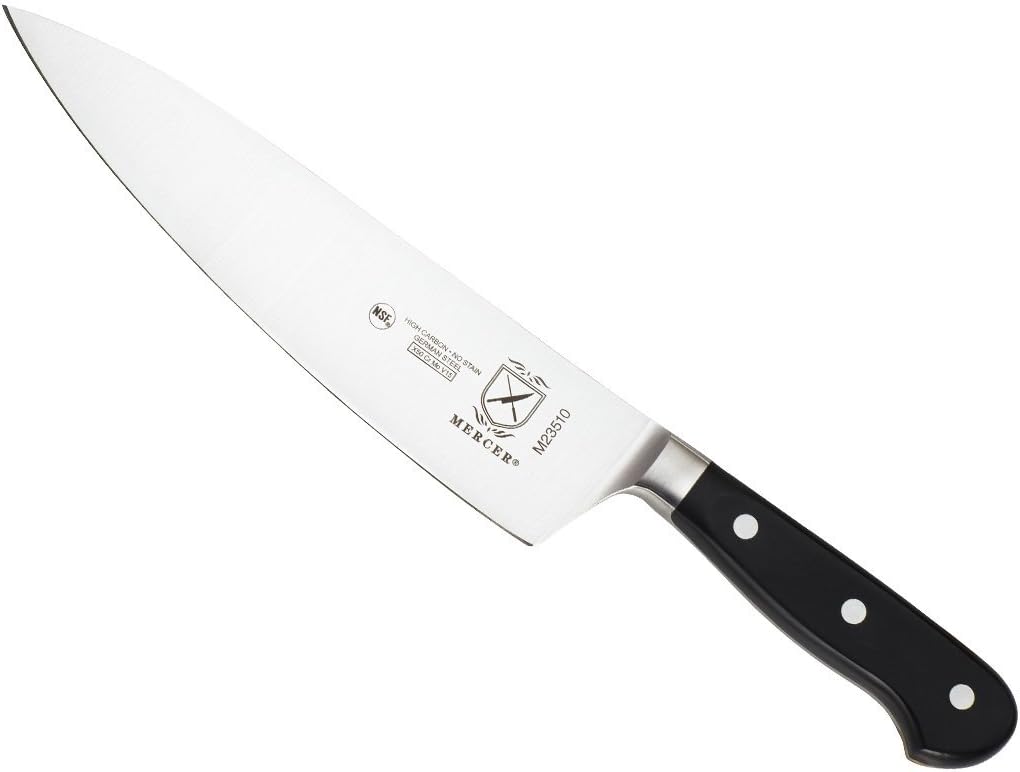
Forged chef knives are prized for their heft, full bolster, and rocking-motion balance. If you’re building out a kitchen collection, our guides to the best chef knives for home cooks and the best Japanese gyuto knives both feature forged options worth comparing side by side.
Hunting and Field-Dressing Knives
A forged hunting knife needs to hold an edge through repeated cape and skinning work without chipping. Our roundup of the best knives for field dressing and our dedicated guide on field dressing knife blade shape and steel break down what to prioritize.
Bushcraft and Survival Knives
Forged full-tang construction is especially prized in bushcraft circles for its resistance to prying and batoning stress, making it a natural fit for camping and survival use.
Everyday Carry and Pocket Knives
Fewer hand-forged blades show up in folding knife form, since forging a small folding blade is more difficult than a fixed blade, but some makers do produce forged folders. If EDC is your focus, our buying guide to the best pocket knives for everyday carry covers both forged and stock-removal options.
Cleavers and Heavy Choppers
The weight and balance forging provides makes it a natural match for cleavers, where mass and edge geometry matter more than they do in a light utility blade. See our guide to the best cleaver knives for heavy-duty chopping for specific recommendations.
Boning, Fillet, and Specialty Kitchen Blades
Forged construction isn’t limited to chef knives — many boning and fillet knives also benefit from a forged bolster that adds control during precise, close-in work near bone and joints. Our guides to the best boning knives for butchers and home cooks and the best fillet knives for fish processing both cover forged and flexible stock-removal options side by side.
Axes and Hatchets: The Forged Cousin of the Knife
Forging isn’t exclusive to knives — many of the same principles apply to hand-forged axes and hatchets used alongside camp knives. If you’re building out a full outdoor cutting kit, our comparisons of the Fiskars vs. Estwing and Hultafors vs. Hults Bruk lines are worth reading alongside your knife research.
Collector and Art Knives
At the far end of the spectrum, some forged knives are built primarily as display and collector pieces, featuring elaborate Damascus patterns, filework, and exotic handle materials chosen more for visual impact than daily-carry practicality. These pieces still need to be functionally sound — a collector knife with a poorly heat-treated edge is still a poorly made knife — but buyers in this category typically prioritize artistry and rarity alongside performance.
Understanding Price Tiers in Hand-Forged Knives
Forged knife pricing spans an unusually wide range compared to most cutlery categories, and understanding what separates each tier helps set realistic expectations before you shop.
Entry-Level Forged Knives (Under $60)
At this tier, knives are typically forged on a semi-industrial scale using hydraulic presses or drop hammers rather than entirely by hand, then finished with machine grinding. Steel is usually a simple high-carbon alloy, and while quality can be surprisingly solid, heat treatment consistency varies more than at higher tiers. These knives are a reasonable way to experience forged balance and edge geometry without a large investment.
Mid-Range Forged Knives ($60–$250)
This tier includes semi-custom and small-batch forged knives, often finished by hand even if the initial shaping used mechanical assistance. Steel choices become more specific and better documented, handle fit and finish improve noticeably, and many buyers find this range offers the best balance of craftsmanship and value.
Premium and Custom Forged Knives ($250 and Up)
At the top end, knives are forged individually by a named smith from start to finish, often using premium steels, hand-fitted natural handle materials, and detailed heat-treatment documentation. Pricing here reflects hours of skilled labor per blade rather than raw material cost alone, and pieces at this tier are frequently treated as heirloom items rather than disposable tools.
Regional Forging Traditions Worth Knowing
Hand forging is a global craft, and different regional traditions have shaped distinct approaches to steel, geometry, and finishing that still influence knives sold today.
Scandinavian Forging
Scandinavian smiths popularized simple, high-carbon, flat-ground blades known for toughness and ease of field sharpening — a tradition reflected in the enduring popularity of brands covered in our Morakniv Companion review and the forged full-tang Morakniv Garberg.
Japanese Forging
Japanese bladesmithing traditions emphasize thin, hard, precisely angled edges, often paired with differential hardening techniques that produce a visible hamon line along the blade. This tradition heavily informs premium kitchen knives, and our history of Japanese knife making from samurai to sushi traces how these techniques carried over into modern gyuto and santoku production.
American Bushcraft and Custom Forging
A thriving community of independent American bladesmiths focuses on full-tang, high-carbon forged knives built for camping, hunting, and bushcraft, often finished with convex grinds and natural handle materials suited to hard outdoor use.
German and European Production Forging
Larger European manufacturers have scaled forging into a semi-automated process while still marketing the knives as forged, producing consistent, full-bolster kitchen knives at accessible price points — a tradition our comparisons of Zwilling vs. Wusthof explore in detail.
How to Buy a Hand-Forged Knife
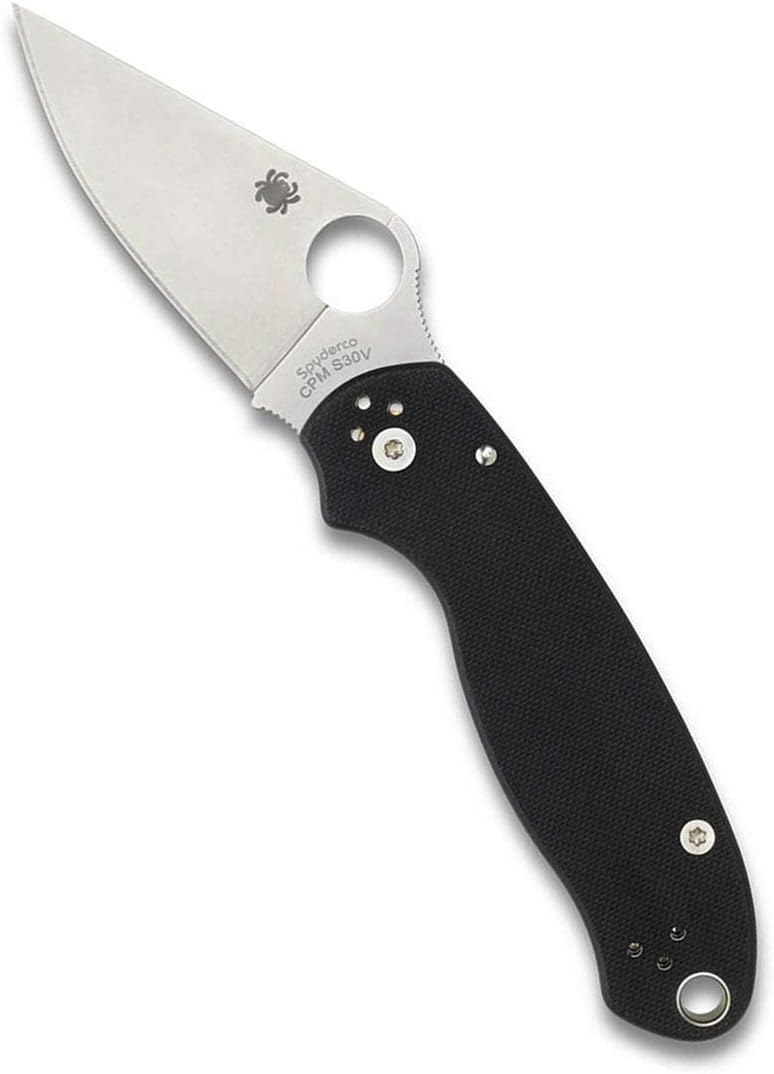
Because “hand-forged” isn’t a legally protected term, it’s easy for marketing language to outpace what’s actually inside the box. A few checks will help you separate genuine craftsmanship from a marketing label slapped on a mediocre blade. It’s also worth remembering that the same due-diligence habits that serve you well shopping for folding EDC knives — checking steel, lock type, and fit and finish, as covered in our guides to the Benchmade Bugout and Spyderco Paramilitary 2 — apply just as well to fixed, forged blades, even though the construction methods differ substantially.
Check the Steel Specification
A maker confident in their heat treatment will tell you exactly what steel they used and often what hardness (Rockwell C rating) they achieved. Vague listings that only say “high carbon steel” with no further detail deserve extra scrutiny.
Look at the Bevel and Grind Consistency
Uneven grind lines, wavy bevels, or a blade that isn’t symmetrical when viewed edge-on down the spine often indicate a rushed or inexperienced forging job.
Inspect the Tang and Handle Fit
Gaps between handle scales and the tang, or a handle that flexes under pressure, both point to poor fit and finish regardless of how good the blade steel might be.
Consider the Maker’s Reputation
Individual bladesmiths and small forges often have portfolios, reviews, or community reputations you can research before buying, especially for higher-priced pieces.
Match the Knife to Its Job
A forged Damascus gentleman’s knife is not the right tool for batoning firewood, and a rugged bushcraft blade is overkill for slicing tomatoes. Our guide to the best gentleman’s knives is a good reference if refined EDC is more your priority than hard use.
Ask About Warranty and Repair Policy
Established forges and manufacturers often stand behind their work with a warranty covering defects in materials or heat treatment, and many independent smiths will re-sharpen or repair their own knives for a nominal fee or free of charge. This kind of ongoing relationship with a maker is one of the intangible benefits of buying hand-forged over mass-produced, and it’s worth asking about directly before a larger purchase.
Read Verified Reviews, Not Just Marketing Copy
Because “hand-forged,” “genuine Damascus,” and “premium high-carbon steel” are all phrases that appear on both excellent and mediocre knives alike, independent reviews from buyers who have actually used the knife for its intended purpose are one of the most reliable signals available. Look specifically for mentions of edge retention after repeated use, any reported chipping or warping, and comments on how the handle holds up over time rather than first-impression photos alone.
Consider Buying From a Named Smith When Possible
Knives attributed to a specific, identifiable bladesmith — rather than an anonymous “artisan collection” — tend to carry more accountability, since the maker’s reputation is directly tied to the knife’s performance. This isn’t a hard rule, since many excellent small forges sell under a shop name rather than an individual’s name, but transparency about who actually made the blade is generally a positive sign.

Looking for a rugged, full-tang forged blade for camping and bushcraft? This is a well-reviewed option worth comparing.
Check Price on AmazonCaring for a Hand-Forged Blade
Most hand-forged knives use high-carbon steels that reward — and require — a bit more attentiveness than a fully stainless factory blade. The good news is that the maintenance routine is simple once it becomes habit.
Developing and Maintaining a Patina
High-carbon forged blades naturally develop a gray-blue patina with use, which actually helps protect against deeper rust by forming a passive oxide layer. Our guide on knife patina, explained walks through how to encourage an even patina rather than blotchy surface rust.
Preventing and Removing Rust
Drying a carbon-steel forged blade immediately after use and applying a light coat of oil is the single most effective habit for long-term care. If rust does appear, our guides to how to get rust off a knife and how to remove rust from kitchen knives cover safe removal methods that won’t damage the edge.
Sharpening a Forged Edge
Convex and high-carbon forged edges typically respond best to whetstones rather than pull-through sharpeners, which can round over a carefully forged convex bevel. See our comparison of whetstone vs. electric sharpeners for guidance on which approach suits your blade, and our roundup of the best knife sharpeners for specific product picks.
Storage
Because forged blades are often an investment piece, proper storage matters. A dedicated block, magnetic strip, or knife roll prevents edge-on-edge contact that can chip a fine convex grind — our guide to how to make a knife block is a good DIY starting point if you want a custom fit for an oddly shaped forged blade, and our roundup of magnetic knife strips and edge damage is worth a look if you’re weighing magnetic storage against a traditional block for a fine forged edge.
Oiling and Long-Term Protection
Beyond routine drying, a light coat of mineral oil or a dedicated blade oil applied every few weeks — more often in humid climates — creates a barrier against moisture that dramatically slows rust formation on high-carbon forged steel. This is especially important for knives that see occasional rather than daily use, since a blade left untouched in a drawer for weeks is more vulnerable than one handled and wiped down regularly.
Handling Handle Maintenance Alongside the Blade
Natural handle materials need their own care schedule independent of the blade. Oil-finished wood handles benefit from an occasional light reapplication of food-safe mineral oil to prevent drying and cracking, while horn and bone can be more sensitive to rapid humidity or temperature swings and are best kept away from direct heat sources like stovetops or dishwashers. Micarta and G-10 handles, by contrast, need essentially no maintenance beyond normal cleaning, which is part of why they’re so popular on hard-use forged knives.
Transporting a Forged Blade Safely
If you’re traveling with a forged kitchen knife or taking a hunting knife into the field, a rigid sheath or blade guard prevents both accidental injury and edge damage from loose contact with other gear. Our guide to how to travel with kitchen knives safely covers sheathing and case options that protect a fine forged edge in transit.
Pros, Cons, and Who Should Buy One
Reasons to Choose a Hand-Forged Knife
- Denser grain structure and refined steel from repeated hammering
- Superior balance for chopping, rocking, and heavy-use tasks
- Distal taper that reduces perceived weight without sacrificing strength
- Full-tang strength well suited to hard outdoor use
- Often unique, one-of-a-kind aesthetics and craftsmanship
- Frequently repairable and re-sharpenable for decades of use
Reasons to Consider Alternatives
- Higher price point than comparable stamped or stock-removal knives
- Quality varies widely between makers and marketing claims
- High-carbon steel options require regular maintenance to avoid rust
- Heavier feel may not suit users who prefer light, nimble blades
- Harder to verify quality without hands-on inspection or trusted reviews
Hand-forged knives make the most sense for buyers who value longevity, character, and performance over convenience — home cooks who rock-chop daily, hunters who need a dependable field blade, and collectors who appreciate the craftsmanship behind the steel. If low-maintenance convenience is the priority, a quality stainless stock-removal knife may be the more practical choice, and it’s worth reading our guide on high-carbon vs. stainless steel before deciding which camp you fall into.
A Practical Way to Decide
If you’re still on the fence, it helps to think in terms of how the knife will actually be used rather than how it looks on a shelf. Someone who cooks daily and doesn’t mind a two-minute drying-and-oiling routine after each session will likely get years of satisfying use out of a forged carbon-steel chef’s knife. Someone who wants to toss a knife in a bag, forget about it for weeks, and still have it ready to go might be better served by a stainless stock-removal blade — forged or not. And for anyone who spends serious time outdoors relying on one knife for everything from feathering tinder to processing game, the strength and durability of a full-tang forged blade is difficult to substitute with anything else at a comparable price.
Longevity as the Real Differentiator
Perhaps the most underrated advantage of a genuinely well-forged knife is how repairable it is over its lifespan. A forged blade with proper heat treatment can be reground and resharpened dozens of times over decades of use without significantly compromising its geometry, and handles can typically be replaced or refinished independently of the blade itself. This stands in contrast to many budget knives, forged or otherwise, which are effectively disposable once the factory edge angle has been ground away through repeated sharpening. For buyers thinking in terms of cost-per-year rather than sticker price, a well-made forged knife often works out to be the more economical choice over a decade of ownership.
Frequently Asked Questions
Are hand-forged knives actually better than machine-made ones?
Not automatically. A well-heat-treated stock-removal knife can outperform a poorly forged one. What forging offers, when done well, is a more refined grain structure, better balance, and often a fuller, stronger profile — but the maker’s skill matters as much as the process itself.
Why are hand-forged knives so expensive?
Forging takes significantly longer than stamping or CNC cutting, often involving hours of heating, hammering, grinding, and heat treatment per blade, along with more raw material to account for hammer loss and shrinkage during shaping.
Do all hand-forged knives rust?
Only if they’re made from high-carbon, non-stainless steel, which is common in traditional forged blades. Some forging shops do work with stainless alloys specifically to reduce maintenance, though these are less common at the traditional end of the craft.
What is the difference between forged and Damascus steel?
Forging is a shaping process, while Damascus refers to a pattern-welded steel construction made of multiple layered alloys. A knife can be forged without being Damascus, and — much less commonly — Damascus billets can also be shaped through other processes, though forging remains the traditional method.
How can I tell if a “hand-forged” knife is genuine?
Look for clear steel specifications, consistent grind lines, a properly fitted tang, and, ideally, some information about the maker or forge. Vague listings with stock photos and no steel details are a red flag.
Can a hand-forged knife be used in the kitchen every day?
Yes — many professional chefs use forged knives daily, though carbon-steel versions require drying after each use and occasional oiling to prevent rust.
What steel is best for a first hand-forged knife?
Simple high-carbon steels like 1084 or 1095 are common, beginner-friendly choices that forge and sharpen easily while offering good edge retention for the price.
Is a full tang always necessary in a forged knife?
Not for every use case. Full tangs add strength for prying and batoning, but a well-made partial or hidden tang is perfectly adequate for kitchen or light utility work.
How do I remove rust from a hand-forged carbon steel blade without damaging it?
Gentle methods like a baking soda paste or fine bronze wool typically lift surface rust without harming the patina or edge. Aggressive sanding or harsh chemicals should be avoided on a well-forged blade.
Do hand-forged knives need to be sharpened differently?
Many forged blades use convex grinds, which respond better to whetstones or leather strops than to pull-through or angle-locked sharpening systems, which can flatten the natural convex curve.
What’s the difference between forging and stamping in knife making?
Forging shapes steel through heat and hammer work, refining the grain and allowing a distal taper, while stamping cuts a blade shape from flat sheet steel using a die, leaving the grain structure essentially unchanged. Our detailed guide on the difference between forging and stamping covers this in more depth.
Are hand-forged pocket knives a good option for everyday carry?
They exist but are less common than forged fixed blades, since forging small folding blade components is more technically demanding. Most EDC buyers will find more variety among quality stock-removal folders.
How long does a hand-forged knife typically last?
With proper care, a well-forged and correctly heat-treated blade can realistically last for decades, and many are handed down as family pieces. The blade steel itself doesn’t wear out from normal use — it’s usually the handle or an accumulation of chips from improper sharpening that eventually limits a forged knife’s working life, and both of those issues are typically repairable.
Can I sharpen a hand-forged knife myself, or should I send it to a professional?
Most forged blades can absolutely be sharpened at home with a basic whetstone setup and some practice, especially flat and sabre grinds. Complex convex or single-bevel edges benefit from extra care, and first-time owners of an expensive convex-ground forged knife may prefer to send it to a professional sharpener, or the original maker, for the first few sharpenings until they’re comfortable maintaining the exact edge angle themselves.
Do hand-forged knives make good gifts?
Yes — a well-chosen forged knife is one of the more memorable gifts in cutlery, particularly for cooking enthusiasts, hunters, or outdoorsmen who will appreciate both the craftsmanship and the practical utility. Just be mindful of matching the knife type and handle style to the recipient’s actual habits rather than choosing purely on visual appeal.
Is it worth paying extra for a named bladesmith versus a production forge?
It depends on what you value. A named smith typically offers more individual attention to fit, finish, and heat treatment consistency, along with a direct relationship you can reach out to for repairs or questions. A reputable production forge, meanwhile, can offer more consistent quality control across a larger batch and often a lower price. Neither option is automatically superior — it comes down to whether you’re prioritizing individuality and direct accountability or consistency and value.
Final Verdict
A genuine hand-forged knife rewards the buyer who values craftsmanship, balance, and longevity over sheer convenience. The forging process — heating, hammering, normalizing, and carefully heat-treating a blade — produces a tool with a refined grain structure and a taper that stock-removal knives struggle to replicate without significant extra grinding. Whether you’re after a substantial forged chef’s knife for the kitchen, a full-tang hunting blade for the field, or a Damascus showpiece for the collection, the fundamentals stay the same: check the steel, inspect the fit and finish, and match the blade to the job you actually need it to do.
Take your time comparing makers, ask questions about steel and heat treatment when the listing doesn’t answer them upfront, and don’t be swayed by pattern or polish alone — a plain, honestly built high-carbon forged blade from a careful maker will almost always outperform a flashy, poorly heat-treated Damascus knife rushed to market. Approached with a little patience, buying a hand-forged knife is one of the more rewarding purchases you can make in cutlery, and very often the last knife of its type you’ll ever need to buy.

Ready to add a hand-forged blade to your kitchen or kit? Compare current options and prices below.
Shop Hand-Forged Knives on Amazon