High Carbon Steel vs Stainless Steel: The Complete Breakdown
Everything you need to know before choosing between high carbon steel and stainless steel — edge retention, rust resistance, sharpening, maintenance, and which one actually belongs in your kitchen or on your belt.
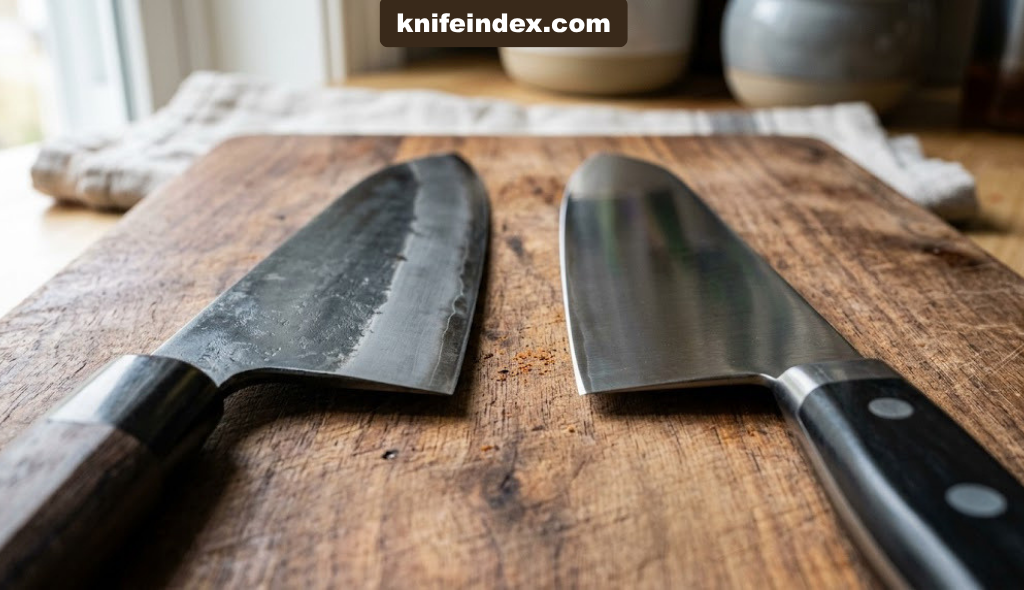
What Is High Carbon Steel?
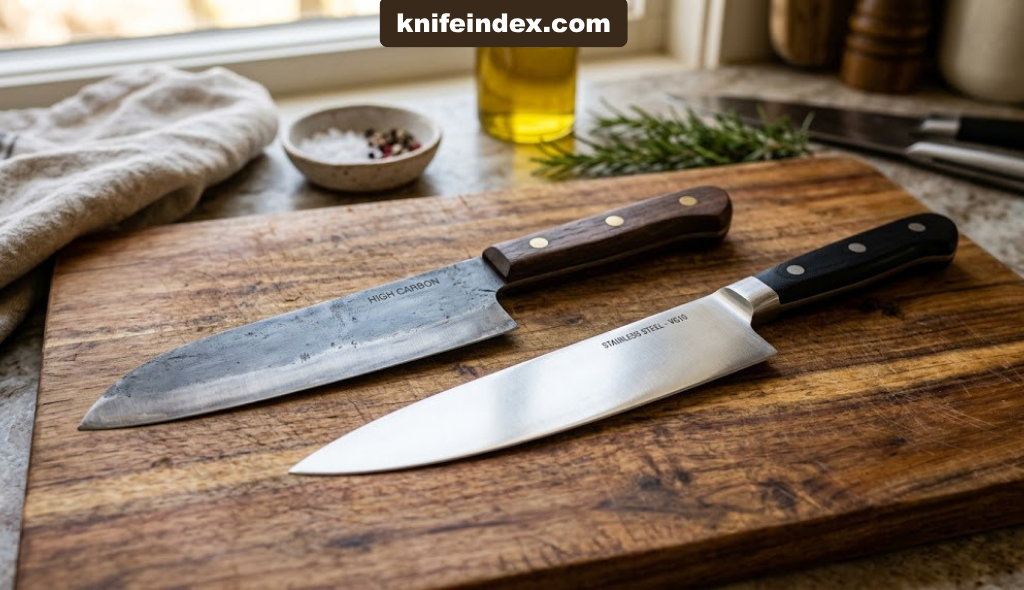
High carbon steel is, at its core, a simple alloy: iron combined with a higher percentage of carbon than standard steel, typically somewhere between 0.5% and 1.5%. That extra carbon is what gives the steel its hardening potential. When heat treated correctly, high carbon steel can reach exceptional hardness levels, which translates directly into a blade that takes an extremely sharp edge and holds it longer than most stainless alternatives under the same conditions.
Classic examples include 1095, 1084, 5160, and W2 — steels favored by traditional bladesmiths and used heavily in hand-forged knives. These steels are prized because they respond beautifully to forging, they’re forgiving to work with, and they reward proper heat treatment with a blade that can shave hair or slice through rope with minimal resistance.
The tradeoff is reactivity. Without a protective coating, high carbon steel oxidizes when exposed to moisture, acid, and air. This is the steel that develops a gray-blue patina over time, and if neglected, will rust. That reactivity isn’t necessarily a flaw — many enthusiasts consider it part of the character of the blade — but it does mean high carbon steel asks more of its owner than a “buy it and forget it” stainless knife would.
Why Bladesmiths Still Reach for High Carbon Steel
Ask any traditional bladesmith why they still choose high carbon steel over modern stainless alloys, and the answer usually comes down to workability and feedback during the forging process. High carbon steel behaves predictably under the hammer, it’s forgiving of minor temperature fluctuations during forging, and it provides clear visual and tactile cues — color changes, spark patterns, and hammer feel — that experienced smiths rely on to judge when the steel is at the right temperature for the next step.
Stainless steel, particularly high-chromium grades, is notoriously difficult to forge by hand. The chromium raises the steel’s critical temperatures and narrows the workable range, and many premium stainless steels are only practical to produce through industrial processes like powder metallurgy rather than traditional forging at all. This is a major reason why the custom and hand-forged knife world remains so heavily rooted in high carbon steel traditions, even as factory-made stainless knives have taken over the mass market.
Common High Carbon Steel Grades Explained
Not all high carbon steels serve the same purpose. 1095 is a simple, effective choice for fixed blades and is widely used because it’s inexpensive, easy to source, and forgiving to heat treat. 1084 is even simpler and is a favorite among beginner bladesmiths for its predictable results. 5160, originally developed as a spring steel for automotive leaf springs, is prized for exceptional toughness and is a go-to choice for larger blades like machetes and swords that need to survive repeated impact without cracking. W2 is a water-hardening tool steel capable of producing a distinctive hamon (temper line) when differentially hardened, making it popular among custom knife makers focused on aesthetics as much as performance.
What Is Stainless Steel?
Stainless steel is technically also a carbon steel — the difference is the addition of chromium, generally at least 10.5% by weight. That chromium reacts with oxygen to form an invisible, self-healing chromium oxide layer on the surface of the metal. This layer is what gives stainless steel its resistance to rust and staining, which is why it dominates the modern cutlery market, from budget kitchen knives to premium pocket knives like the Benchmade Bugout.
Not all stainless steels are created equal. Entry-level stainless like 420J2 or 3Cr13 is soft and easy to sharpen but loses its edge quickly. Mid-tier steels like AUS-8, 8Cr13MoV, and 14C28N strike a reasonable balance. Premium powder-metallurgy stainless steels like S35VN, M390, and MagnaCut push edge retention numbers that rival — and in some cases exceed — traditional high carbon steel, all while maintaining excellent corrosion resistance.
The chromium that provides corrosion resistance also affects how the steel behaves under heat treatment and how it responds to a sharpening stone. Generally speaking, higher-alloy stainless steels are harder to sharpen than simple high carbon steels, though modern steel science has narrowed that gap considerably.
The Three Tiers of Stainless Steel
It helps to think of stainless steel in three broad performance tiers rather than as a single category. Entry-level stainless steels like 420J2, 3Cr13, and 440A are soft, inexpensive, and easy to sharpen, but they lose their edge quickly under regular use and are best suited for occasional-use kitchen knives or promotional/gift knives rather than serious daily carry. Mid-tier stainless steels like AUS-8, 8Cr13MoV, 14C28N, and 440C balance affordability with genuinely usable performance, making them the backbone of the budget-to-midrange knife market, including well-regarded value picks like the QSP Hawk.
Premium tier stainless steels — S30V, S35VN, S45VN, M390, CPM-20CV, and MagnaCut — represent the current state of the art, produced almost exclusively through powder metallurgy for maximum grain uniformity. These steels routinely appear in top-tier production and custom knives because they deliver a genuinely rare combination: excellent edge retention, strong corrosion resistance, and (in the case of newer designs like MagnaCut) improved toughness compared to older super steels that sometimes sacrificed durability for wear resistance.
Why MagnaCut Changed the Conversation
MagnaCut deserves special mention because it was specifically engineered — using modern computational metallurgy — to solve the traditional tradeoff between edge retention, corrosion resistance, and toughness that had defined stainless steel development for decades. Rather than being a slight tweak of an older recipe, MagnaCut was designed from the ground up with a target carbide volume calculated to maximize toughness without giving up meaningful wear resistance. It’s a strong example of how far modern stainless steel has come from the simple rust-resistant blades of the early 20th century, and part of why the “carbon steel is automatically tougher” assumption is increasingly outdated for premium modern alloys.
The Metallurgy Behind the Debate
To really understand why this debate exists, it helps to zoom out to the periodic table for a second. Steel is fundamentally iron with a small amount of carbon added to increase hardness. Everything else — chromium, vanadium, molybdenum, nickel, tungsten — is added to modify specific properties: corrosion resistance, wear resistance, toughness, or grain refinement.
High carbon steel keeps the recipe simple. Fewer alloying elements mean a finer, more uniform grain structure is easier to achieve, which is part of why these steels can be sharpened to such a fine, aggressive edge. Stainless steels introduce chromium carbides into the microstructure. These carbides are extremely hard and contribute to wear resistance, but they can also make the edge slightly less refined at a microscopic level unless the steel is manufactured with tight grain control, as is the case with powder metallurgy steels.
| Property | High Carbon Steel | Stainless Steel |
|---|---|---|
| Typical Chromium Content | Under 1% | 10.5%+ |
| Corrosion Resistance | Low | Moderate to High |
| Edge Sharpness Potential | Very High | High (steel dependent) |
| Sharpening Difficulty | Easy to Moderate | Moderate to Difficult |
| Toughness | High | Moderate to High (steel dependent) |
| Maintenance Needs | High | Low |
If you want a deeper dive into how specific alloys stack up, our breakdown of D2 vs 8Cr13MoV and our comparison of S35VN vs S45VN both dig into how alloying choices change real-world performance.
How Heat Treatment Changes Everything
Steel type alone doesn’t tell the whole story. The exact same batch of 1095 or S35VN can perform completely differently depending on how it was heat treated. Heat treatment involves heating the steel to a critical temperature, quenching it rapidly to lock in a hardened crystal structure, and then tempering it to relieve internal stress and dial in the balance between hardness and toughness.
This is why two knives using the exact same steel designation can feel worlds apart in practice. A poorly heat-treated high carbon blade might chip on first use, while a properly treated one from a reputable maker will flex, cut, and hold an edge exactly as the steel’s theoretical properties suggest. The same logic applies to stainless — companies that invest in precise, computer-controlled heat treatment (cryogenic quenching, multiple temper cycles) consistently get more performance out of the same raw alloy than companies using generic factory settings.
This is also part of why brand reputation matters as much as steel choice. Makers like Chris Reeve and companies producing steels reviewed in our Buck 420HC heat treat breakdown are known specifically for pushing more performance out of otherwise ordinary steel through tighter heat treatment control.
Grain Structure and Carbide Size
At a microscopic level, the difference between a steel that takes a hair-splitting edge and one that merely gets “sharp enough” often comes down to carbide size and distribution. Traditional high carbon steels tend to form fine, evenly distributed carbides, which is part of why they can be honed to such a refined edge. Some older or lower-quality stainless steels form larger, more irregular carbide clusters that can tear out at a microscopic level rather than shear cleanly, leading to a less refined edge even at the same measured sharpness.
Modern powder metallurgy solves much of this problem. Instead of casting steel in large ingots where carbides can grow unevenly, powder metallurgy atomizes the molten steel into a fine powder before compacting it under heat and pressure. The result is an extremely uniform, fine-grained structure with small, evenly distributed carbides — giving steels like MagnaCut and M390 both excellent wear resistance and a genuinely fine edge, addressing what used to be the biggest weakness of high-alloy stainless steel.

Check Price on Amazon
Edge Retention Compared
Edge retention refers to how long a blade holds a working sharpness before it needs to be touched up. This is where the high carbon vs stainless debate gets the most nuanced, because “it depends on the specific steel” is genuinely the correct answer.
Traditional high carbon steels like 1095 are prized for how easily they reach a scary-sharp edge, but at moderate hardness levels they don’t hold that edge as long as premium modern stainless steels. Where high carbon steel shines is in blades pushed to very high hardness, such as Japanese-style knives, which can hold an edge exceptionally well but sacrifice some toughness in the process.
On the stainless side, budget steels like 420HC or 3Cr13 dull relatively fast, but high-end powder metallurgy stainless steels such as MagnaCut and M390 now sit at or near the top of practically every independent edge retention chart, outperforming most traditional carbon steels in laboratory cutting tests.
How Edge Retention Is Actually Tested
Most independent edge retention comparisons use a method called CATRA testing, which repeatedly cuts a standardized abrasive-laden cardboard media and measures how many cuts a blade can make before it drops below a defined sharpness threshold. This method strips away subjective “it feels sharp” impressions and produces a repeatable number that lets very different steels be compared apples-to-apples.
What these tests consistently show is that wear resistance — largely driven by carbide volume and hardness — correlates strongly with CATRA scores, but toughness and edge stability matter just as much in real-world use. A steel that scores extremely well on cardboard cutting can still underperform in the kitchen if it’s prone to rolling or micro-chipping on harder cutting boards or bone contact, which is why lab numbers should always be read alongside real-world reviews like our Ontario RAT-1 review or Ontario RAT-2 review, both of which cover AUS-8 performance under everyday conditions.
Real-World Edge Retention vs Lab Numbers
It’s worth separating laboratory edge retention from what you’ll actually experience day to day. A kitchen knife used mostly on a wood or plastic cutting board will retain its edge far longer than the same knife used on glass or stone. Similarly, a pocket knife used for cardboard breakdown and rope cutting will dull faster than one used mainly for opening mail and light tasks. Steel selection matters, but cutting surface, cutting medium, and technique often have just as much impact on how long an edge actually lasts in practice.
Rust and Corrosion Resistance
This is the single biggest practical difference between the two categories. High carbon steel will rust if left wet, exposed to acidic foods, or stored improperly. It requires a deliberate routine: wipe the blade dry immediately after use, apply a light coat of oil for storage, and avoid leaving it in a damp sheath or drawer.
Stainless steel’s chromium oxide layer handles the vast majority of everyday exposure without issue. It’s not literally “stain-less” — it can still rust under prolonged neglect, contact with saltwater, or if the passive layer is damaged — but for the average user, it’s dramatically lower maintenance.
If you already own carbon steel tools, our guides on how to prevent rust on knives and how to get rust off a knife walk through the exact maintenance routine that keeps carbon blades in top shape for decades.
| Scenario | High Carbon Steel | Stainless Steel |
|---|---|---|
| Left wet overnight | High rust risk | Low rust risk |
| Cutting citrus or tomatoes | Will discolor/patina | Unaffected |
| Humid or coastal climate | Needs active care | Generally fine |
| Stored in leather sheath | Risky without oiling | Low risk |
The Science Behind Chromium Oxide Protection
Stainless steel’s corrosion resistance isn’t a coating — it’s a chemical reaction that happens continuously at the surface. When chromium is exposed to oxygen, it forms a thin, transparent layer of chromium oxide that’s only a few nanometers thick but incredibly effective at blocking further oxidation. The remarkable part is that this layer is self-healing: if you scratch the surface, exposing fresh steel to the air, a new oxide layer forms almost instantly, provided there’s enough chromium present (generally that 10.5% threshold).
High carbon steel has no equivalent mechanism. Its iron content oxidizes readily when exposed to moisture and oxygen, forming iron oxide — rust — which is porous and does not protect the underlying metal the way chromium oxide does. This is precisely why rust, left unchecked, continues to eat deeper into a carbon steel blade rather than stopping at the surface.
Building a Simple Carbon Steel Maintenance Routine
- Wipe the blade completely dry with a clean cloth immediately after each use
- Avoid letting acidic foods (citrus, tomato, vinegar) sit on the blade for extended periods
- Apply a thin coat of mineral oil, camellia oil, or a dedicated blade oil before storage
- Store in a dry environment, ideally not in an airtight sheath that traps residual moisture
- Address any spot of surface rust immediately with fine steel wool or a rust eraser before it spreads
Following this routine consistently is really the entire secret to owning high carbon steel successfully — it’s not complicated, it just has to become a habit.
Toughness and Chipping Resistance
Toughness measures a blade’s resistance to chipping, cracking, or snapping under stress or impact, and it’s a separate property from hardness or edge retention. High carbon steel, particularly at moderate hardness, tends to be tough and forgiving — this is a big reason it remains a favorite for camp knives, machetes, and bushcraft blades that get used for batoning or heavy chopping.
Stainless steel toughness varies widely by alloy. Simpler stainless steels like 420HC can actually be quite tough, while some high-carbide “super steels” trade toughness for wear resistance and can be more prone to micro-chipping if used improperly. This is why steel selection for hard-use tools, like those covered in our field dressing knife guide, often leans toward steels that balance edge retention with real-world durability rather than chasing lab numbers alone.
Hardness vs Toughness: A Critical Distinction
It’s easy to assume that a harder steel is automatically a “better” steel, but hardness and toughness actually pull in opposite directions. As hardness increases, a steel typically becomes more brittle, meaning it resists deformation (bending) but becomes more prone to cracking or chipping under sudden impact. Toughness is the steel’s ability to absorb energy and deform slightly rather than fracture.
This is why bladesmiths and manufacturers deliberately temper high-hardness steel down slightly rather than leaving it at maximum achievable hardness. A blade at 66 HRC might hold an edge beautifully but chip if it strikes a bone or hits the edge of a cutting board at the wrong angle, while the same steel tempered to 60 HRC sacrifices a small amount of edge retention for a meaningful gain in real-world durability. Axes and hatchets in particular, such as those compared in our Gransfors Bruk vs Hults Bruk comparison, are almost always tempered toward the tougher end of the spectrum because impact resistance matters more than pure edge holding for that tool category.

Check Price on Amazon
Patina, Reactivity, and Food Use
One of the most misunderstood aspects of high carbon steel is patina. When exposed to acids, oils, and air, the surface develops a blue-gray, sometimes mottled coloring. This isn’t rust — it’s actually a mild oxide layer that, once formed, can slow further corrosion by acting as a rudimentary barrier. Many carbon steel users deliberately force a patina using vinegar or mustard to protect the blade going forward.
For food prep, patina can transfer a faint metallic taste to acidic ingredients, which is one reason professional kitchens lean heavily on stainless for anything involving citrus, tomatoes, or vinegar-based dishes. If you’re deciding between the two for kitchen use, it’s worth reading our full comparison of high carbon vs regular stainless steel knives for a kitchen-specific breakdown.
Stainless steel has no equivalent reactivity concern. It won’t discolor from lemon juice, it won’t impart flavor, and it doesn’t require any “break-in” process to perform reliably.
How to Force a Protective Patina
Many high carbon steel owners choose to proactively force a patina rather than let it form randomly. A common method involves wiping the blade with diluted white vinegar or yellow mustard, letting it sit for several minutes, then rinsing and drying thoroughly. This creates an even, dark gray or blue-black layer across the blade that’s generally more resistant to blotchy, uneven staining than a patina that develops naturally over months of scattered use.
It’s worth noting that a forced patina is cosmetic and protective, not a substitute for proper drying and oiling. Even a well-patinated blade can still rust if left wet for extended periods — the patina simply reduces the surface’s reactivity somewhat, it doesn’t eliminate it.
Flavor Transfer and Kitchen Considerations
Beyond the cosmetic patina discussion, there’s a legitimate food safety and flavor consideration for high carbon kitchen knives. Cutting acidic ingredients like onions, citrus, or tomatoes with a freshly sharpened, unpatinated carbon steel blade can leave a faint metallic taste on the food, particularly noticeable in delicate preparations like sashimi or citrus salads. This is a major reason Japanese kitchen knife makers frequently offer the same blade shape in both carbon steel (often labeled “shirogami” or “aogami” for white and blue steel respectively) and stainless-clad versions, letting cooks choose based on their tolerance for maintenance versus their sensitivity to flavor transfer. For more on Japanese blade traditions, see our piece on the history of Japanese knife making.
Best Use Cases for Each
Where High Carbon Steel Excels
- Bushcraft and survival knives that need to shed material with a spine capable of striking a ferro rod
- Traditional and hand-forged blades where edge geometry and ease of resharpening in the field matter most
- Axes and hatchets, where impact toughness is critical — see our comparisons like Fiskars vs Estwing and Hultafors vs Hults Bruk
- Butcher and kitchen knives used daily in professional settings where a quick touch-up on a steel rod between cuts is standard practice
Where Stainless Steel Excels
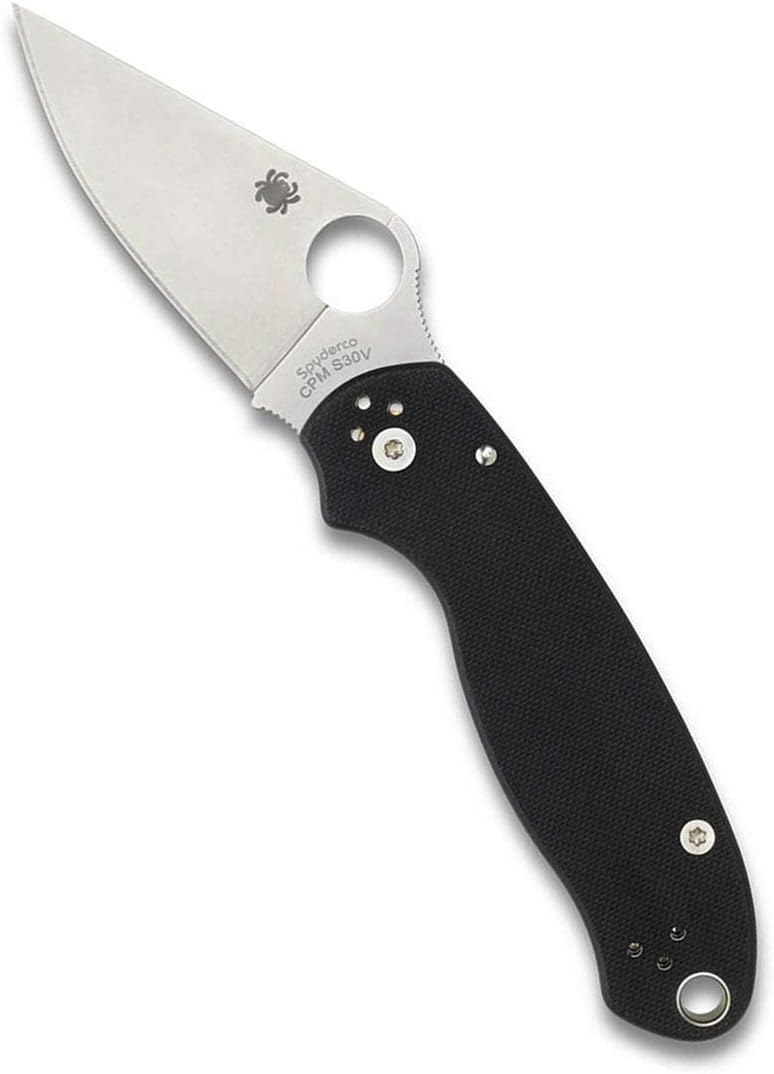
- Everyday carry folding knives that spend most of their life in a pocket, such as the Spyderco Paramilitary 2 or Benchmade 940 Osborne
- Kitchen knives used around water, acidic ingredients, and dishwashers
- Marine, coastal, or humid-climate environments where corrosion risk is elevated
- Low-maintenance users who want strong performance without a dedicated care routine
Matching Steel Choice to Specific Knife Categories
Different knife categories genuinely favor different steel philosophies, and it’s worth thinking about steel choice category by category rather than in the abstract.
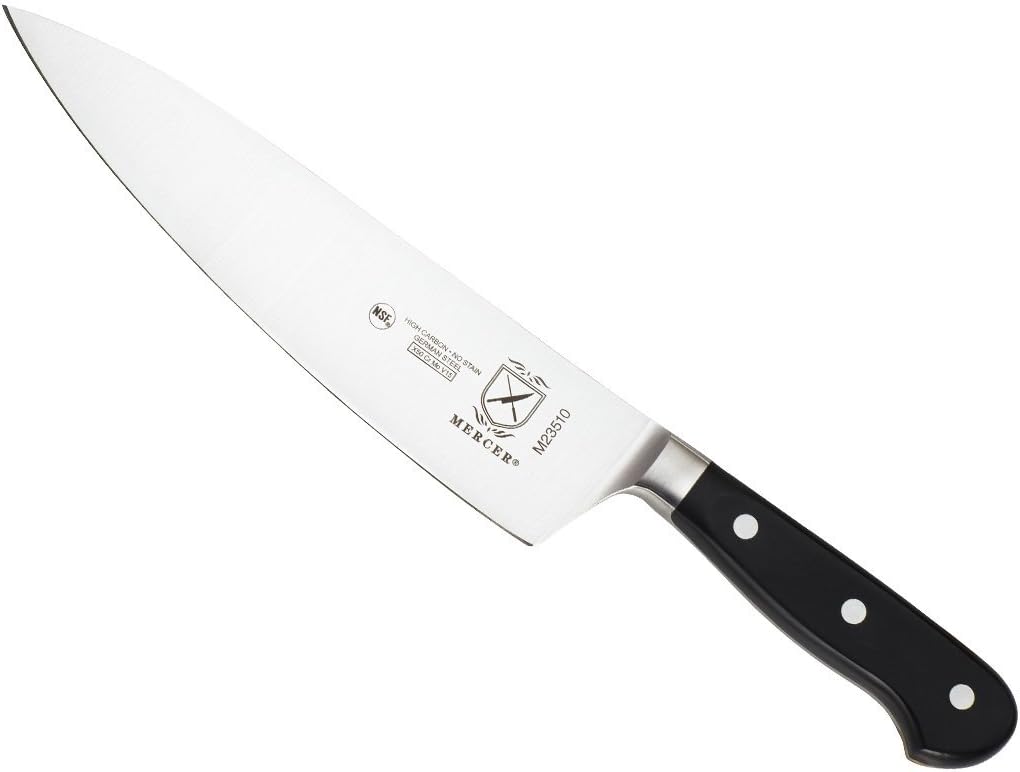
Chef’s knives: Professional kitchens are split, but the trend among high-volume prep cooks still leans toward carbon steel or carbon-clad Japanese blades for the sharpness and ease of touch-up sharpening, while home cooks overwhelmingly favor stainless for the reduced maintenance burden — see our German steel vs Japanese steel comparison for more detail.
Folding EDC knives: Nearly always stainless, for the obvious reason that a knife riding in a pocket all day is exposed to sweat, humidity, and inconsistent care. Models like the Spyderco Delica 4 and Knafs Lander both rely on stainless steel for this exact reason.
Fixed-blade outdoor and survival knives: This category is the most genuinely split. Traditionalists favor high carbon steel like 1095 or 5160 for toughness and field sharpenability, as covered in our Morakniv Companion review, while modern manufacturers increasingly offer tough stainless alternatives for users who prioritize low maintenance in wet environments.
Hunting and field dressing knives: Stainless is heavily favored here due to constant exposure to blood, moisture, and animal fat, all of which accelerate corrosion on unprotected carbon steel.
Axes, Hatchets, and Heavy Chopping Tools
Chopping tools deserve their own discussion because the demands placed on the steel are fundamentally different from a knife blade. Repeated high-impact strikes into wood mean toughness and shock absorption matter far more than pure edge retention, which is why the vast majority of quality axes and hatchets, including those in our Fiskars X27 comparison and Hultafors H-009 SV review, are made from simple, tough high carbon steels rather than premium stainless. The edge doesn’t need to stay razor sharp for hundreds of cuts the way a pocket knife edge might; it needs to survive repeated shock loading without chipping or rolling, a job simple carbon steel handles exceptionally well at a reasonable cost.
Maintenance Time Investment: A Realistic Comparison
| Activity | High Carbon Steel | Stainless Steel |
|---|---|---|
| After each use | Wipe dry (30 seconds) | Rinse or wipe (optional) |
| Weekly care | Light oil application | None required |
| Monthly sharpening touch-up | 2-3 minutes on strop | 5-10 minutes depending on steel |
| Annual deep sharpening | 10-15 minutes | 20-40 minutes on premium steel |
| Rust incident response | Occasional, requires attention | Rare |
Looked at this way, high carbon steel actually wins on quick touch-up sharpening time, while stainless steel wins on the passive, day-to-day maintenance burden. Neither is objectively “less work” overall — the work is just distributed differently.
Popular Steel Grades Compared
| Steel | Type | Edge Retention | Corrosion Resistance | Ease of Sharpening |
|---|---|---|---|---|
| 1095 | High Carbon | Good | Poor | Easy |
| 5160 | High Carbon | Good (tough) | Poor | Easy |
| 440C | Stainless | Moderate | Good | Moderate |
| 14C28N | Stainless | Good | Very Good | Moderate |
| D2 | Semi-Stainless | Very Good | Moderate | Difficult |
| S35VN | Stainless | Very Good | Very Good | Moderate-Difficult |
| M390 | Stainless | Excellent | Excellent | Difficult |
| MagnaCut | Stainless | Excellent | Excellent | Difficult |
Curious how two specific grades stack up head-to-head? Check our detailed breakdowns of 14C28N vs Nitro-V, VG10 vs AUS10, and Cruwear vs 3V for use-case specific recommendations.
A Brief History of Steel in Blade Making
Carbon steel has been the backbone of edged tools for thousands of years, dating back to early iron and bloomery steel production long before anyone understood the chemistry involved. Blacksmiths learned through trial and error that certain ores, certain quenching methods, and certain tempering colors produced better blades, refining that craft over centuries into the high carbon steel recipes still used today, including in Damascus-style pattern welding — a process we cover in detail in our piece on what Damascus steel is and how it’s made.
Stainless steel, by contrast, is a remarkably recent invention. It wasn’t developed until the early 20th century, when metallurgists experimenting with chromium-iron alloys for gun barrels noticed the metal resisted the etching acids used in testing. That accidental discovery around 1913 eventually made its way into cutlery, and by the mid-20th century stainless steel had become the dominant material for mass-produced kitchen and pocket knives — a shift that reshaped the entire cutlery industry within a few decades.
Common Myths About Carbon and Stainless Steel
A few persistent myths are worth clearing up. First, “stainless steel can’t rust” is false — it’s rust-resistant, not rust-proof, and can absolutely corrode under the wrong conditions. Second, “carbon steel is always sharper than stainless” is also false — sharpness is a function of edge angle and finish, not steel type; both can be sharpened to the same geometric sharpness, the real difference is how long that sharpness lasts and how easily it’s restored. Third, “premium stainless steel is always better than carbon steel” oversimplifies a genuinely situational decision — for hard field use where sharpening resources are limited, simple, tough carbon steel can still outperform a premium stainless steel that’s harder to touch up without the right tools.
Cost, Value, and Longevity
High carbon steel knives, especially traditional grades like 1095, tend to be inexpensive to manufacture, which is part of why brands like Morakniv and Morakniv Garberg can offer excellent carbon steel performance at a budget price point. The tradeoff is the ongoing time investment in maintenance.
Stainless steel spans the entire price spectrum, from ultra-budget 3Cr13 blades to $300+ knives running M390 or MagnaCut. Higher-end stainless steel typically costs more to produce because of the complexity of the alloy and the powder metallurgy process, but it pays that cost back in reduced maintenance and long-term reliability.
When you factor in the long-term picture — replacement sharpening stones, oil, potential for rust damage, and the time spent on upkeep — a quality stainless steel knife often ends up cheaper to own over a 10-year span, even with a higher upfront price.
Resale Value and Collectibility
Interestingly, this dynamic sometimes flips in the secondary knife market. Well-maintained high carbon steel blades, particularly hand-forged or vintage pieces, can command strong resale and collector value precisely because a beautiful, even patina and a well-cared-for edge demonstrate the owner’s diligence and the blade’s quality. Stainless steel knives, while generally easier to resell in “like new” condition because they don’t show wear the same way, rarely carry the same collector premium unless they’re from a sought-after maker or limited production run.
Total Cost of Ownership Example
| Cost Factor | Budget High Carbon Blade | Premium Stainless Blade |
|---|---|---|
| Upfront Price | Low | Moderate to High |
| Sharpening Stone Needs | Basic (inexpensive) | Diamond/CBN (pricier) |
| Oil/Maintenance Supplies | Ongoing small cost | Minimal |
| Rust Damage Risk | Moderate to High | Low |
| Expected Lifespan with Proper Care | Decades | Decades |

Check Price on Amazon
Which One Should You Buy?
There’s no universally “better” steel — only a better steel for your specific use case, climate, and maintenance tolerance. Ask yourself these three questions:
- How much maintenance am I willing to do? If the honest answer is “none,” lean stainless.
- What environment will this knife live in? Humid, coastal, or wet-use environments favor stainless. Dry climates and controlled storage make carbon steel far more manageable.
- What’s the primary task? Heavy chopping and field use favor tough carbon steels or tough stainless steels; EDC and food prep favor corrosion-resistant stainless.
For a broader look at how blade material choice fits into the bigger picture of knife construction, our guide on forged vs stamped knives and our explainer on blade geometry are worth reading before you buy.
A Simple Decision Framework
If you’re still torn, run through this quick framework before making a purchase:
- Choose high carbon steel if: you enjoy the ritual of blade maintenance, you live in a dry climate, you want the fastest possible touch-up sharpening, and you’re comfortable developing or managing a patina.
- Choose budget-to-mid stainless steel if: you want a reliable, low-cost everyday tool that won’t punish you for occasional neglect, and you don’t need extreme edge retention.
- Choose premium powder-metallurgy stainless steel if: you want the best available combination of edge retention and corrosion resistance and you’re willing to invest in proper diamond sharpening tools to maintain it.
Climate and Regional Considerations
Where you live plays a bigger role in this decision than most buyers realize. In consistently dry, low-humidity climates, high carbon steel is remarkably easy to maintain — a quick wipe-down after use is often sufficient, and rust develops slowly even with imperfect care. In humid, coastal, or tropical regions, the exact same knife with the exact same care routine can develop surface rust within days if even briefly neglected, simply because ambient moisture in the air itself is enough to trigger oxidation.
This is one of the most overlooked factors in the carbon vs stainless debate. A knife enthusiast in Arizona and a knife enthusiast in coastal Florida can have completely different experiences with the exact same steel, which is why local climate should weigh heavily into the decision, arguably more than personal preference for sharpening feel or aesthetics.
Transitioning Between the Two: What to Expect
If you’ve spent years using stainless steel and are picking up a high carbon blade for the first time, expect an adjustment period. The sharpening experience will feel noticeably different — the steel will cut faster under the stone, meaning you’ll need a lighter touch and fewer passes to avoid removing too much material. You’ll also need to build the habit of drying and oiling the blade, which stainless steel users often skip entirely without consequence.
Conversely, longtime carbon steel users switching to premium stainless steel are often surprised by how much longer sharpening sessions take, particularly on steels like M390 or S90V. The payoff is not having to think about the blade between uses — no wiping, no oiling, no patina management, just consistent performance. Many experienced knife users end up owning both types for different purposes: a carbon steel blade for controlled environments like a home kitchen, and a stainless folder for EDC and outdoor use where conditions are less predictable. If you’re building out a rotation, our guide on the three essential chef knife blades shows how mixing steel types across a small collection can cover every scenario without compromise.
Frequently Asked Questions
Is high carbon steel better than stainless steel?
Neither is objectively better — high carbon steel generally sharpens easier and can hold a very fine edge, while stainless steel resists rust and requires far less maintenance. The right choice depends on your use case and willingness to maintain the blade.
Does high carbon steel rust easily?
Yes. Without a protective coating or regular oiling, high carbon steel will begin to rust within hours of prolonged exposure to moisture, especially in humid conditions or after contact with acidic foods.
Can stainless steel rust?
It can, but it’s far more resistant than high carbon steel. Stainless steel can still corrode under prolonged neglect, saltwater exposure, or if the protective chromium oxide layer is physically damaged.
Which steel is easier to sharpen, carbon or stainless?
Simple high carbon steels like 1095 are generally easier and faster to sharpen than premium stainless steels loaded with hard carbides, such as M390 or S30V. Budget and mid-tier stainless steels sharpen almost as easily as carbon steel.
What is patina and is it bad?
Patina is a natural oxide layer that forms on high carbon steel from exposure to air, acids, and oils. It’s not harmful — many users consider it a form of light protection against deeper corrosion, and it does not affect the blade’s cutting performance.
Why do professional chefs still use carbon steel knives?
Many professional chefs prefer carbon steel for the exceptional sharpness and easy touch-up sharpening it offers during long prep sessions, even though it requires diligent daily maintenance to prevent rust.
Is stainless steel strong enough for outdoor and survival use?
Modern stainless steels, particularly tougher grades, are absolutely capable for outdoor use. Traditional high carbon steel is still favored by many bushcraft purists for its toughness and ease of field sharpening, but quality stainless survival knives are widely used and trusted.
Does high carbon steel hold an edge longer than stainless steel?
It depends on the specific grades being compared. Budget stainless steel dulls faster than most high carbon steel, but premium powder-metallurgy stainless steels often outperform traditional high carbon steel in edge retention testing.
How do I prevent my carbon steel knife from rusting?
Wipe the blade dry immediately after use, avoid leaving it wet or in a damp sheath, apply a light coat of mineral oil or camellia oil regularly, and store it in a dry environment.
Is 440C stainless steel considered high quality?
440C is a solid mid-tier stainless steel offering good corrosion resistance and moderate edge retention. It’s a step down from modern powder-metallurgy steels but remains a reliable, affordable option.
Can I use high carbon steel knives in the dishwasher?
No. Dishwashers expose blades to prolonged moisture, heat, and harsh detergents that will rapidly rust and pit high carbon steel. Always hand wash and dry carbon steel blades immediately.
What’s the best steel for a beginner who doesn’t want to maintain a knife often?
A mid-to-premium stainless steel like 14C28N, S35VN, or MagnaCut offers the best balance of low maintenance and strong performance for someone who doesn’t want to think about rust prevention.
Is D2 steel considered stainless or high carbon?
D2 sits in a gray area often called “semi-stainless.” It has a chromium content just under the typical 10.5% stainless threshold, giving it noticeably better corrosion resistance than true high carbon steel but not quite the rust immunity of full stainless grades.
Why do some premium knives still use high carbon steel instead of modern super steels?
Some makers and users simply prefer the sharpening feel, edge character, and traditional aesthetic of high carbon steel, and for certain applications like heavy chopping or forged blades, the toughness and ease of field maintenance still make it the more practical choice.
Does higher hardness always mean better performance?
Not necessarily. Higher hardness generally improves edge retention but can reduce toughness, making the blade more prone to chipping. The best-performing knives balance hardness and toughness through careful heat treatment rather than simply maximizing hardness.
Can I convert a stainless steel knife to develop a patina like carbon steel?
No. Patina formation depends on the iron in the steel oxidizing readily, which stainless steel’s chromium oxide layer actively prevents. Stainless steel will not develop the same type of patina regardless of exposure to acids or oils.
Essential Maintenance Tools for Each Steel Type
Having the right tools on hand makes the carbon vs stainless decision far less intimidating. Here’s a practical breakdown of what to keep in your maintenance kit depending on which steel you own.
For High Carbon Steel Owners
- A combination whetstone (roughly 400/1000 grit is a solid starting point)
- A leather strop with honing compound for quick edge touch-ups
- A light mineral oil or dedicated blade oil for post-use protection
- A microfiber cloth for immediate drying after use
- Fine steel wool or a rust eraser block for addressing early surface rust
For Stainless Steel Owners
- A diamond or CBN sharpening stone for harder, high-alloy stainless steels
- A basic ceramic honing rod for quick edge realignment between sharpenings
- Mild dish soap and warm water for routine cleaning (avoiding harsh abrasives on satin or mirror finishes)
- A microfiber cloth to prevent water spotting, particularly on polished blades
Regardless of which steel you choose, investing in a quality sharpening system pays for itself many times over across the life of a knife. A dull blade is also a genuinely more dangerous blade, since it requires more force and is more prone to slipping during use.
Conclusion: Choosing the Right Steel for You
High carbon steel and stainless steel both earn their place in the knife world for very different reasons. High carbon steel rewards attentive owners with easy sharpening and excellent cutting performance, while stainless steel offers peace of mind, low maintenance, and steadily improving edge retention thanks to modern powder metallurgy. Neither is a wrong choice — the right one is simply the steel that matches how you’ll actually use and care for your blade.
Think honestly about your climate, your patience for maintenance, and the actual tasks you’ll be performing, and the right steel usually becomes obvious. Many experienced collectors and everyday users end up owning both, letting each blade do the job it’s genuinely best suited for rather than trying to find one “perfect” steel to handle everything.
Ready to put this knowledge to use? Browse our full complete guide to knife steel types or explore top picks below.
Shop High Carbon Steel Knives Shop Stainless Steel Knives