Best Knife Steels for Beginners: A Complete No-Nonsense Guide
If you’ve ever stood in front of a knife display or scrolled through a hundred listings wondering what “S30V” or “14C28N” even means, you’re not alone. This guide breaks down knife steel in plain language so you can pick a blade that’s easy to sharpen, holds an edge long enough for daily use, and won’t rust the first time it gets wet.
1. What Knife Steel Actually Is
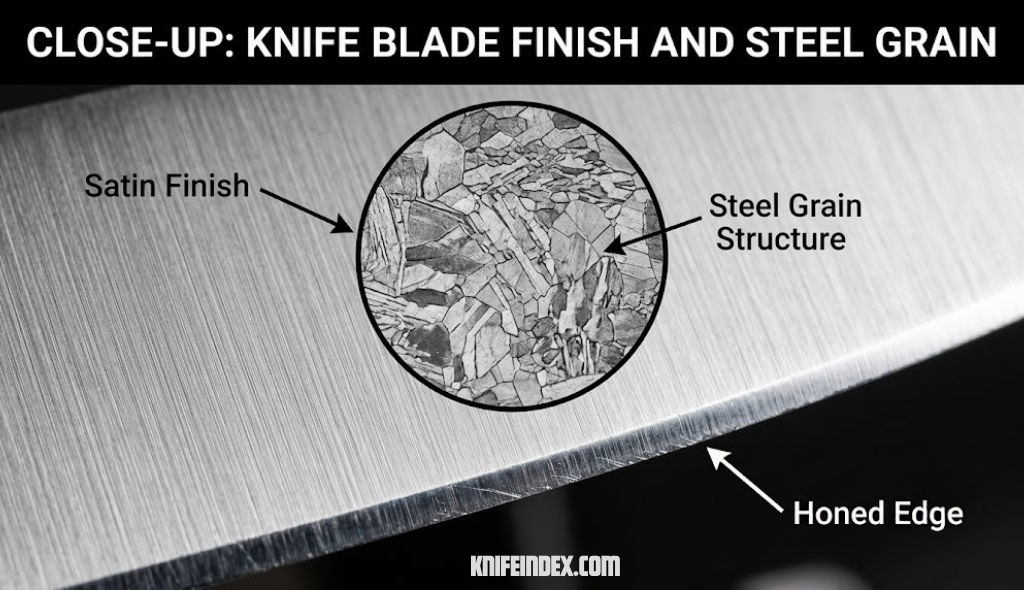
Every knife blade starts as a specific steel alloy — a recipe of iron mixed with carbon and other elements like chromium, vanadium, molybdenum, or manganese. The exact combination determines how hard the steel gets after heat treatment, how well it resists corrosion, how easily it can be sharpened, and how long it holds an edge before it needs touching up again. Understanding this foundational concept is the first step toward making an informed purchase and appreciating the engineering behind even the most basic pocket knife.
For someone just getting into knives, this can feel like reading a chemistry textbook. The good news is you don’t need a materials science degree to make a smart choice. You just need to understand a handful of names and what tradeoffs they represent. This guide focuses specifically on steels that are forgiving for beginners — meaning they sharpen easily on basic gear, resist rust reasonably well, and perform predictably in everyday tasks like breaking down cardboard boxes, preparing food, or whittling wood around a campfire.
Whether you’re shopping for your first pocket folder like the CRKT Pilar or your first proper kitchen knife, the steel is arguably the single most important spec on the listing — more important than the handle material, the brand name, or even the blade shape in many cases. A well-chosen steel can make the difference between a tool that becomes a lifelong companion and one that ends up forgotten in a drawer because it was too frustrating to maintain.

Shop Beginner Knives on Amazon
2. Why Steel Choice Matters More for Beginners
Experienced knife users often gravitate toward “super steels” that hold an edge for months but require diamond stones and real technique to sharpen. That’s a terrible starting point for someone new to knives. If your first blade is difficult to sharpen, you’ll get frustrated, the edge will degrade, and you may end up disliking knives altogether — when the real problem was simply picking steel that didn’t match your skill level. The learning curve for sharpening is steep enough on its own without battling a steel that resists abrasion at every turn.
Beginners benefit from steels that are:
- Easy to resharpen using basic pull-through sharpeners or simple whetstones, allowing for quick touch-ups that build confidence
- Resistant to rust and staining, since new owners often forget to dry and oil blades properly after use in wet or humid conditions
- Tough enough to survive drops, mild prying, and everyday clumsiness without chipping or snapping at the edge
- Affordable enough that a learning mistake doesn’t feel like a financial disaster, encouraging experimentation and regular practice
This is why a knife like the Morakniv Garberg or the Ontario RAT-1 gets recommended constantly to first-time buyers — not because the steel is exotic, but because it behaves predictably and forgives mistakes. These knives serve as excellent training platforms where the user can focus on developing proper technique without the added pressure of maintaining a high-maintenance super steel.
3. The Four Properties That Actually Matter
Instead of memorizing dozens of steel names, it helps to understand the four properties that every steel balances. No steel maximizes all four — it’s always a compromise. Recognizing this balance is the key to cutting through marketing hype and finding a steel that genuinely suits your daily needs.
Edge Retention
This is how long a blade stays sharp under normal use. Higher edge retention generally comes from higher carbide content, which also tends to make the steel harder to sharpen. For a beginner, chasing maximum edge retention is often a trap because it directly correlates with increased sharpening difficulty.
Toughness
Toughness is resistance to chipping or snapping under stress, like batoning wood or accidentally twisting the blade in a cut. Tougher steels tend to sacrifice some edge retention, but for a new user who might misuse a knife, this property prevents catastrophic failure.
Corrosion Resistance
This measures how well steel resists rust and staining. High-chromium stainless steels excel here, while high-carbon steels need more diligent care but often reward you with easier sharpening. For those living in coastal or humid environments, corrosion resistance should be a top priority.
Sharpenability
This is how easily the steel responds to a sharpening stone or rod. Simpler steels with lower carbide volume sharpen quickly, even with basic gear — a huge advantage for anyone still building their sharpening skills. This single property often determines whether a beginner will stick with the hobby or abandon it out of frustration.
Good Beginner Traits
- Sharpens on basic stones or pull-through tools
- Resists rust with minimal upkeep
- Predictable, forgiving performance
- Widely available and affordable
- Responds well to stropping for edge maintenance
Traits to Avoid Early On
- Requires diamond stones to sharpen at all
- Extremely reactive high-carbon steel with no coating
- Brittle steel prone to chipping on hard use
- Premium pricing for marginal beginner benefit
- Difficult to deburr cleanly without advanced technique
4. Stainless vs. Carbon Steel for New Owners
This is usually the first fork in the road. Stainless steels contain enough chromium (generally 12%+) to resist rust well, while carbon steels contain little to none, trading corrosion resistance for easier sharpening and, in some cases, better toughness. The visual appeal of a developing patina on carbon steel is a major draw for some enthusiasts, but it requires a commitment to maintenance that can overwhelm a first-time owner.
For most beginners, stainless is the safer starting point simply because it forgives the inevitable moments you forget to dry your blade after washing it or leave it in a damp sheath overnight. Carbon steel can be a rewarding next step once you’re comfortable with basic knife care routines like the ones covered in our guide on how to prevent rust on knives. Many experienced users eventually keep both types in their collection, selecting carbon steel for dedicated outdoor tasks and stainless for everyday carry and kitchen use.
| Factor | Stainless Steel | Carbon Steel |
|---|---|---|
| Rust Resistance | High | Low to none |
| Sharpening Ease | Moderate | Easy |
| Edge Retention | Moderate to High | Moderate |
| Maintenance Needed | Low | High |
| Best For | First-time owners, kitchen use | Bushcraft, experienced users |
| Patina Development | None | Develops character over time |
5. The Best Beginner-Friendly Steels, Ranked
1. 8Cr13MoV
A Chinese-made stainless steel found on countless budget-friendly knives. It sharpens quickly, resists rust well, and holds a working edge long enough for daily tasks. It’s not going to win any edge-retention contests, but for a first knife, that’s rarely the point. Its softness means you can get it razor-sharp with minimal effort, which is incredibly satisfying when you are just starting to learn. See how it stacks up in our D2 vs. 8Cr13MoV comparison.
2. 14C28N
A Sandvik-made Swedish stainless steel that punches well above its price point. It offers a noticeable step up in edge retention over basic stainless steels while still being easy to touch up on a simple stone. Its fine grain structure allows it to take an exceptionally keen edge. Brands like CIVIVI and Kizer use it heavily on budget-to-midrange folders because it delivers a near-premium experience without the premium sharpening difficulty. Our 14C28N vs. Nitro-V breakdown covers this in detail.
3. AUS-8 / AUS-10
Japanese stainless steels similar in performance to 8Cr13MoV but generally with slightly better heat treatment consistency depending on the manufacturer. AUS-10 offers a bump in edge retention thanks to added vanadium. Great middle ground for kitchen knives and folders alike, and compared thoroughly in our VG-10 vs. AUS-10 guide.
4. 420HC
Used by Buck Knives for decades, 420HC (high carbon) is soft enough to sharpen with almost zero effort, yet tough and rust-resistant enough for outdoor and kitchen tasks. When heat-treated properly, as Buck famously does with its Bos process, it performs far beyond what its simple chemistry suggests. Learn more in our Buck 420HC heat-treat breakdown.
5. Sandvik 12C27 / 13C26
Common on Morakniv blades, this steel is prized for how easily it takes and holds a working edge, making it a favorite for bushcraft beginners and kitchen prep alike. Its purity and fine carbide structure mean it can achieve a level of sharpness that rivals much more expensive steels, a perfect platform for practicing freehand sharpening.
6. VG-10
A step up in edge retention, popular on Japanese kitchen knives. Slightly more demanding to sharpen than 8Cr13MoV, but still very approachable, and a common upgrade pick once you’ve built basic sharpening confidence. It holds a toothy edge well, making it excellent for slicing tasks like preparing vegetables or filleting fish.

Browse VG-10 Knives
6. Side-by-Side Steel Comparison Table
| Steel | Edge Retention | Ease of Sharpening | Rust Resistance | Typical Price Tier |
|---|---|---|---|---|
| 8Cr13MoV | Fair | Very Easy | Good | Budget |
| 420HC | Fair | Very Easy | Very Good | Budget |
| Sandvik 12C27 | Fair-Good | Easy | Very Good | Budget |
| AUS-8 / AUS-10 | Good | Easy | Good | Budget-Mid |
| 14C28N | Good | Easy | Very Good | Mid |
| VG-10 | Very Good | Moderate | Good | Mid |
| D2 (semi-stainless) | Very Good | Moderate-Hard | Fair | Mid |
| S35VN / MagnaCut | Excellent | Hard | Very Good | Premium |
Notice the pattern: as edge retention climbs, ease of sharpening usually drops. This is the core tradeoff behind almost every steel decision, and it’s why beginners are generally steered toward the left side of this table before working their way right as skills develop. The journey from 8Cr13MoV to MagnaCut is a rewarding progression that mirrors your growing sharpening expertise. For a deeper look at premium options, check our MagnaCut vs. M390 comparison and S35VN vs. S45VN breakdown.
8. Kitchen Knives vs. EDC/Pocket Knives
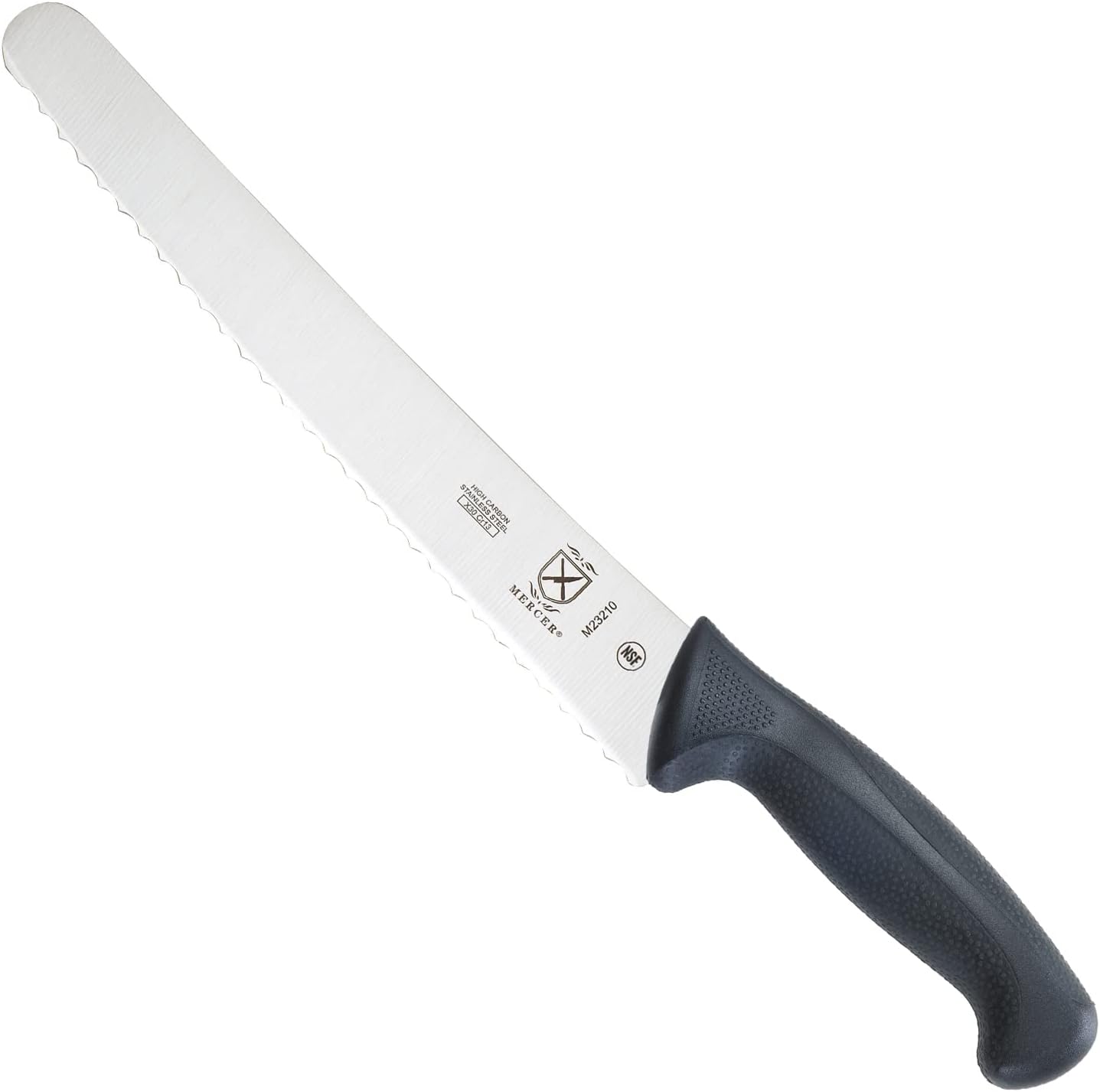
Steel priorities shift dramatically depending on how the knife is used. Kitchen knives are sharpened frequently and exposed to moisture, acids, and constant cutting board contact, so corrosion resistance and quick sharpenability matter more than raw edge retention. A chef’s knife that can be brought back to peak sharpness with a few passes on a honing rod is far more valuable in a busy kitchen than one that holds an edge for weeks but requires an hour on the stones when it finally dulls. Pocket knives, on the other hand, are sharpened less often but need to survive drops, pocket lint, and the occasional improvised task like prying or scraping, so a blend of toughness and edge retention becomes more important.
If you’re building your first EDC rotation, models like the Spyderco Delica 4 or Benchmade Bugout offer a great balance of beginner-friendly steel with serious everyday-carry performance. For kitchen use, budget picks like the Dexter-Russell line remain popular precisely because their steel is so easy to keep sharp with minimal fuss, and their softness means they rarely chip even when striking bones or frozen food accidentally.
10. Maintenance Tips by Steel Type
- Basic stainless (8Cr13MoV, 420HC, AUS-8): Wipe dry after use, occasional light oiling of the pivot, and a quick strop every few weeks keeps these blades performing well. They are forgiving enough to survive a damp pocket without immediate rust.
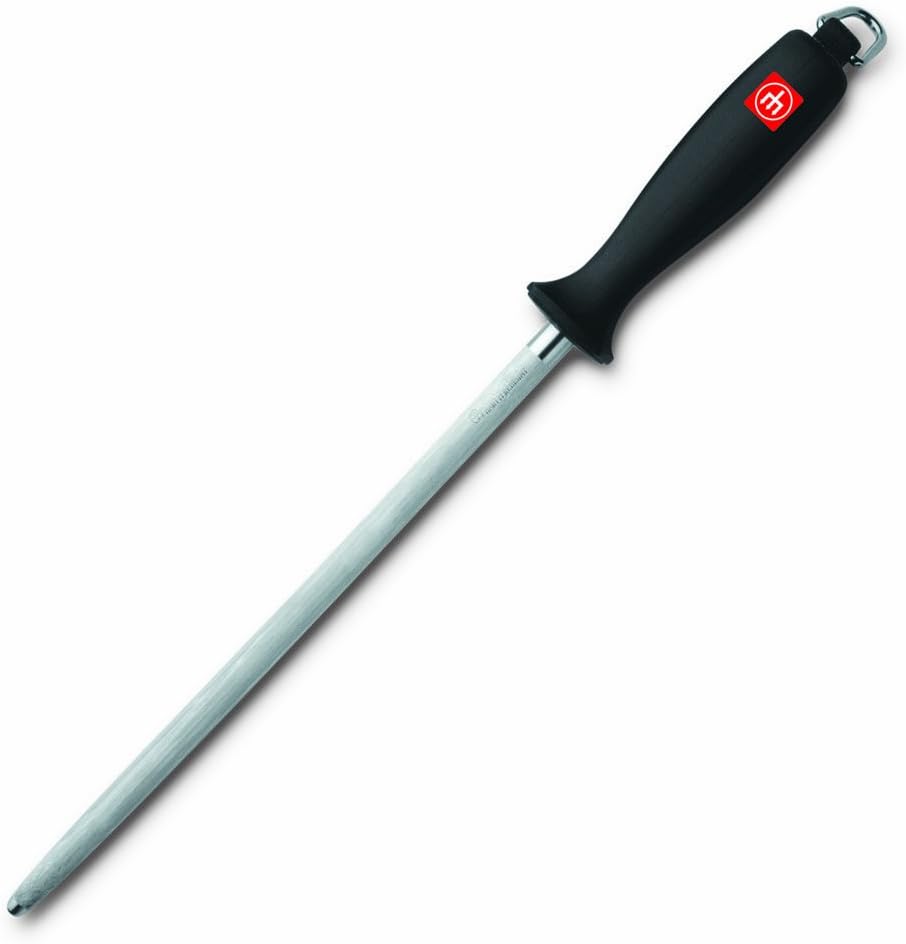
- Higher-alloy stainless (14C28N, VG-10): Same routine, but you can stretch sharpening intervals slightly longer thanks to better edge retention. A ceramic honing rod works wonders to maintain a micro-bevel between full sharpening sessions.
- Semi-stainless (D2): Slightly more prone to staining than true stainless — dry thoroughly and consider a light coat of oil if stored for long periods. Watch for pinpoint rust spots around the pivot area where moisture tends to collect.
- Carbon steel: Dry immediately after every use, apply a thin coat of mineral oil, and expect a patina to develop over time — this is normal and actually protective. Forcing a patina with mustard or vinegar is a popular beginner project to add a layer of rust resistance.
For deeper guidance, our full walkthrough on how to get rust off a knife covers recovery steps if you do run into early corrosion. Even the most careful beginners will eventually see a spot of rust, and knowing how to address it without panicking is an essential part of knife ownership.
11. Common Beginner Mistakes
- Chasing premium steel too early. A super steel you can’t sharpen is worse than a basic steel you maintain regularly. The knife becomes a paperweight once the factory edge degrades.
- Ignoring heat treatment. The same steel name can perform very differently between brands depending on how well it’s heat treated — this is why brand reputation still matters. A well-treated 420HC from Buck can outperform a poorly treated D2 from a no-name manufacturer.
- Skipping maintenance basics. Even the best beginner steel will rust or dull prematurely without basic care. A small investment in a strop and a bottle of mineral oil pays dividends over years of use.
- Buying based on steel name alone. Handle ergonomics, lock type, and blade shape matter just as much for a satisfying first-knife experience. A blade that feels uncomfortable in hand won’t get carried, regardless of the steel.
- Using the wrong sharpening angle. Most beginner steels are forgiving, but consistent angle control still makes a huge difference in results. Using an angle guide or practicing with a marker on the edge can dramatically accelerate the learning process.
- Applying too much pressure while sharpening. Beginners often lean into the stone, thinking harder is faster. Light, consistent pressure produces better edges and prevents premature stone wear.
12. Understanding the Rockwell Hardness Scale
The Rockwell C scale (HRC) is the standard measurement for knife blade hardness. Most pocket and kitchen knives fall between 54 and 64 HRC. Lower numbers mean softer steel that sharpens quickly and resists chipping but may deform or roll at the edge under heavy use. Higher numbers indicate harder steel that holds a sharp edge much longer but becomes more brittle and prone to snapping if dropped or twisted. A good beginner range to target is 56 to 60 HRC, which provides a balanced platform that is hard enough to hold an edge through reasonable tasks but soft enough to sharpen without diamond stones.
Many budget steels like 8Cr13MoV are typically run around 57-59 HRC, which is right in the sweet spot for learning. Premium steels can exceed 62 HRC, which is impressive on paper but can feel glass-like and unforgiving for someone still developing their touch. The hardness also affects the feedback through the stone, with softer steels giving a grittier, more tactile sensation that helps beginners understand when they are hitting the apex.
13. How Heat Treatment Changes Everything
The same steel can behave completely differently depending on the heat treatment protocol. Heat treatment involves heating the blade to a critical temperature, quenching it to lock the steel’s crystalline structure, and then tempering it to relieve brittleness. A perfectly executed heat treatment can make a budget steel perform like a mid-tier steel, while a botched heat treatment can make even premium powder-metallurgy steel chippy or impossible to sharpen. This is why buying from reputable manufacturers with known quality control is more important than chasing a specific steel name on a spec sheet.
For beginners, the takeaway is simple: a well-heat-treated 420HC from a company with decades of experience will often outperform a poorly treated S35VN from a manufacturer cutting corners. Researching brand reputation and their specific heat treatment protocols, like Buck’s Bos process or Spyderco’s industry-leading consistency, is just as important as researching the steel itself.
14. Full Tang vs. Partial Tang: It’s Not Just About Steel
While steel is the focus of this guide, the tang of a fixed-blade knife deserves attention because it directly impacts durability. A full tang extends the entire length of the handle and is visible between the handle scales, providing maximum strength for tasks like batoning. A partial tang or rat-tail tang only extends partway into the handle, which saves weight and material but can be a point of failure under hard use. For beginners planning to use their knife for camping, bushcraft, or any activity involving lateral force, a full tang design in a tough steel like 12C27 or 420HC is the safest and most educational choice.
Learning how steel behaves under stress helps you appreciate the balance between hardness and toughness in a real-world context.
15. Damascus and Pattern-Welded Steel: Hype vs. Reality
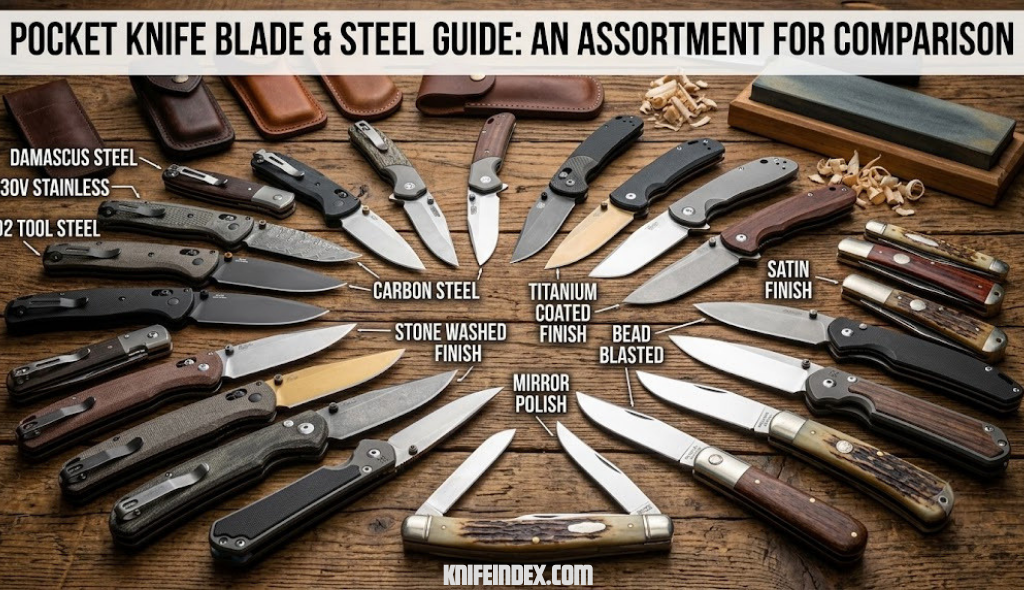
Damascus steel is visually stunning, featuring wavy, organic patterns created by forge-welding multiple layers of different steels together. However, for a beginner, the visual appeal can mask practical tradeoffs. Modern pattern-welded Damascus often combines a tough core steel with decorative layers that may not offer the same corrosion resistance or edge performance as a homogeneous modern stainless steel. Inexpensive Damascus knives found on marketplaces are frequently made from unknown steel mixes that can be frustrating to sharpen and prone to rust.
While Damascus makes for a beautiful heirloom piece, a new knife user is better served by learning the fundamentals on a known, predictable steel before venturing into the world of pattern-welded blades.
16. A Field Guide to Whetstone Grits
Sharpening stones are categorized by grit numbers. Coarse stones (below 400 grit) remove metal quickly and are used for repairing chips or resetting a completely dull edge. Medium stones (800 to 2000 grit) are the workhorses for regular sharpening, establishing the primary cutting edge. Fine stones (3000 to 8000 grit) refine and polish the edge to a mirror finish. For a beginner working with 8Cr13MoV or similar steels, a single medium stone around 1000 grit is the perfect starting point — it’s aggressive enough to create a burr without removing excessive material, and it leaves a toothy, versatile edge ideal for everyday tasks.
Jumping straight to high-grit polishing stones before mastering angle control is a common mistake that leads to frustration and a blade that feels sharp but slips on materials like tomato skins.
17. Blade Coatings Explained
Many beginner knives feature coatings like titanium nitride (TiN), black oxide, or DLC (Diamond-Like Carbon). These coatings serve two primary purposes: adding a layer of corrosion resistance and reducing glare. For a new owner, a coating can be a useful safety net, especially on semi-stainless steels like D2. However, coatings will eventually wear with use and sharpening, revealing the bare steel beneath. Some beginners mistake this natural wear for a defect. Understanding that a blade is a tool meant to show its history helps set realistic expectations.
18. CPM Steels: What “CPM” Actually Means
CPM stands for Crucible Particle Metallurgy, a manufacturing process that produces a finer, more uniform carbide structure than traditional ingot casting. Steels like CPM-S30V, CPM-S35VN, and CPM-MagnaCut benefit from this process, gaining improved toughness and sharpenability relative to their carbide content. While these represent the pinnacle of modern knife steel technology, the “CPM” prefix also signals that sharpening will likely require diamond abrasives. For beginners, encountering CPM steel later in the learning journey, after mastering basic stones, makes the transition smoother and more rewarding.
19. Ceramic Blades vs. Steel
Ceramic blades offer extreme hardness and absolute corrosion resistance, staying sharp far longer than most steels. However, they are also very brittle — a ceramic blade can snap if dropped on a hard floor or used to twist. More critically for a beginner, ceramic cannot be sharpened with standard equipment; it requires diamond stones and significant patience. While ceramic can be a useful specialty tool in the kitchen for slicing, it is a poor platform for learning the core skills of knife maintenance, making steel the superior choice for a first serious knife.
20. Steel Choices for Hunting and Fishing Knives
Field dressing game or cleaning fish exposes a blade to moisture, blood, and abrasive materials like scales and bone. A beginner’s hunting knife should prioritize stainless steel for easy sanitation and corrosion resistance. Steels like 14C28N or 420HC are excellent here — they are tough enough to handle joint separation, stainless enough to resist the elements, and simple enough to touch up on a pocket stone while still in the field. Avoid high-carbon steels for wet fishing environments unless you are meticulously disciplined about immediate drying and oiling.
21. Common Knife Steel Myths, Debunked
Myth: A harder blade is always better. Reality: Beyond a certain point, hardness trades toughness for brittleness. A 62 HRC blade that chips when it glances a staple is less useful than a 58 HRC blade that rolls slightly and can be stropped back.
Myth: Stainless steel never rusts. Reality: “Stainless” means it stains less, not that it is stain-proof. Even high-chromium steels can develop rust spots if neglected in saltwater or harsh conditions.
Myth: You can judge a knife’s quality by the country it’s made in. Reality: Modern manufacturing has globalized quality. Chinese factories produce excellent 14C28N blades, and some American-made knives use budget steel. Judge the heat treatment and quality control, not the country of origin.
22. Legal Considerations: Blade Length and Carry Rules
An often-overlooked aspect of choosing a beginner knife is local legality. Blade length restrictions vary widely by jurisdiction — some cities limit folders to under 3 inches, while others have no limit but restrict concealed carry. Before buying, research your local laws to ensure your new knife won’t cause legal headaches. This is another reason budget-friendly, shorter-bladed folders in simple stainless steel are ideal starters; they tend to be compliant in more places and are less financially painful to replace if local rules change or you decide to gift the knife to someone else.
24. Our Top Picks for First-Time Buyers
Putting it all together, here are the categories worth exploring first. These recommendations balance steel choice, build quality, and price to provide the best possible learning experience for a new knife owner:
- Best budget EDC folder: CRKT Squid — simple, affordable, and easy to sharpen.
- Best fixed blade for outdoor learning: Morakniv Companion — legendary beginner steel and unbeatable value.
- Best mid-tier folder: Spyderco Tenacious — a step up in fit and finish while staying beginner-friendly.
- Best kitchen starter knife: A basic VG-10 or AUS-8 chef’s knife, paired with our best knife sharpeners guide to build good habits from day one.
- Best rugged all-rounder: Ontario RAT-1 — tough AUS-8 steel that shrugs off hard use.

Check Price on Amazon
Frequently Asked Questions
What is the easiest knife steel to sharpen for beginners?
420HC and 8Cr13MoV are widely considered the easiest, since they respond quickly to basic stones and pull-through sharpeners without requiring diamond abrasives. Their softer matrix allows beginners to feel the burr forming, which is essential for developing proper technique.
Is stainless steel better than carbon steel for a first knife?
For most beginners, yes. Stainless steel forgives the moisture exposure and inconsistent maintenance habits that are common when you’re still learning proper knife care. The peace of mind alone makes it the better platform for building foundational skills.
Does more expensive steel always mean a better knife?
Not necessarily for beginners. Premium steels offer better edge retention but are harder to sharpen, which can be frustrating before you’ve built basic sharpening skills. A $50 knife you can keep razor-sharp is better than a $200 knife that stays dull for months.
What steel does Morakniv use, and is it good for beginners?
Morakniv typically uses Sandvik stainless steels like 12C27, which are known for being easy to sharpen while still holding a usable edge for everyday and outdoor tasks. Their consistent heat treatment makes them an ideal training platform for new sharpeners.
How often should a beginner sharpen their knife?
This depends on use, but light stropping every couple of weeks combined with a full sharpening session every one to three months is a reasonable starting routine for most beginner steels. The goal is to maintain the edge, not wait until it’s completely dull.
Can I use a pull-through sharpener on any steel?
Pull-through sharpeners work best on softer stainless steels. Harder premium steels may not respond well and can even damage the sharpener’s carbide inserts over time. They are a convenient short-term solution but should eventually be replaced with stones as your skills grow.
What’s the difference between 8Cr13MoV and D2 steel?
8Cr13MoV is a fully stainless steel that’s easy to sharpen but has moderate edge retention, while D2 is semi-stainless with noticeably better edge retention but requires more effort to sharpen and slightly more care to prevent staining. Many beginners start with 8Cr13MoV and graduate to D2 as a natural next step.
Is carbon steel too much maintenance for a first knife?
It requires more attention than stainless, including drying immediately after use and occasional oiling, but many beginners successfully start with carbon steel as long as they’re prepared for that routine. The ritual of care can become a satisfying part of the hobby.
What steel should I look for in a first kitchen knife?
VG-10, AUS-8, or 14C28N are excellent starting points, offering a good balance of edge retention and easy at-home sharpening. These steels respond well to honing rods, making them practical for daily kitchen use.
Do budget knives with basic steel still cut well?
Yes. Steel is only part of performance — blade geometry, grind quality, and heat treatment also play major roles, which is why many budget knives with simple steel still perform impressively well. A thin, well-ground blade in 8Cr13MoV can out-slice a thick premium steel blade.
How do I know if a steel will rust easily?
Steels with lower chromium content, generally under 12%, are more prone to rust. Product listings that mention “carbon steel” or omit stainless certification are worth researching further before buying. Reading user reviews from humid climates can also give real-world insight.
What’s a good next steel to try after starting with a basic stainless knife?
Many beginners move up to 14C28N or VG-10 next, since these offer a noticeable edge-retention improvement while still being manageable to sharpen with standard equipment. This progression builds confidence and keeps the learning curve smooth.
Final Thoughts
Choosing the right knife steel as a beginner isn’t about finding the “best” steel in an absolute sense — it’s about finding the steel that matches your current skills, your maintenance habits, and your budget. Starting with an easy-to-sharpen, rust-resistant stainless steel sets you up for a much more enjoyable learning curve than jumping straight to a premium super steel you’re not yet equipped to maintain.
Every experienced knife enthusiast started somewhere, and the vast majority began with simple steels that forgave their mistakes and rewarded their practice. The scratches on a budget blade, the slightly uneven bevel from an early sharpening session, and the developing understanding of how steel responds to a stone are all part of a rewarding journey. Embrace the learning process, and remember that a sharp, well-maintained 8Cr13MoV knife in skilled hands will always outperform a neglected MagnaCut blade.
As your sharpening skills and knife knowledge grow, you can confidently step up to steels like D2, S35VN, or MagnaCut, knowing exactly what tradeoffs you’re making. For now, focus on building good habits with a forgiving blade, and the rest will follow naturally.
Shop Beginner-Friendly Knives on Amazon