
How to Remove Rust from Kitchen Knives: The Ultimate Restoration Guide
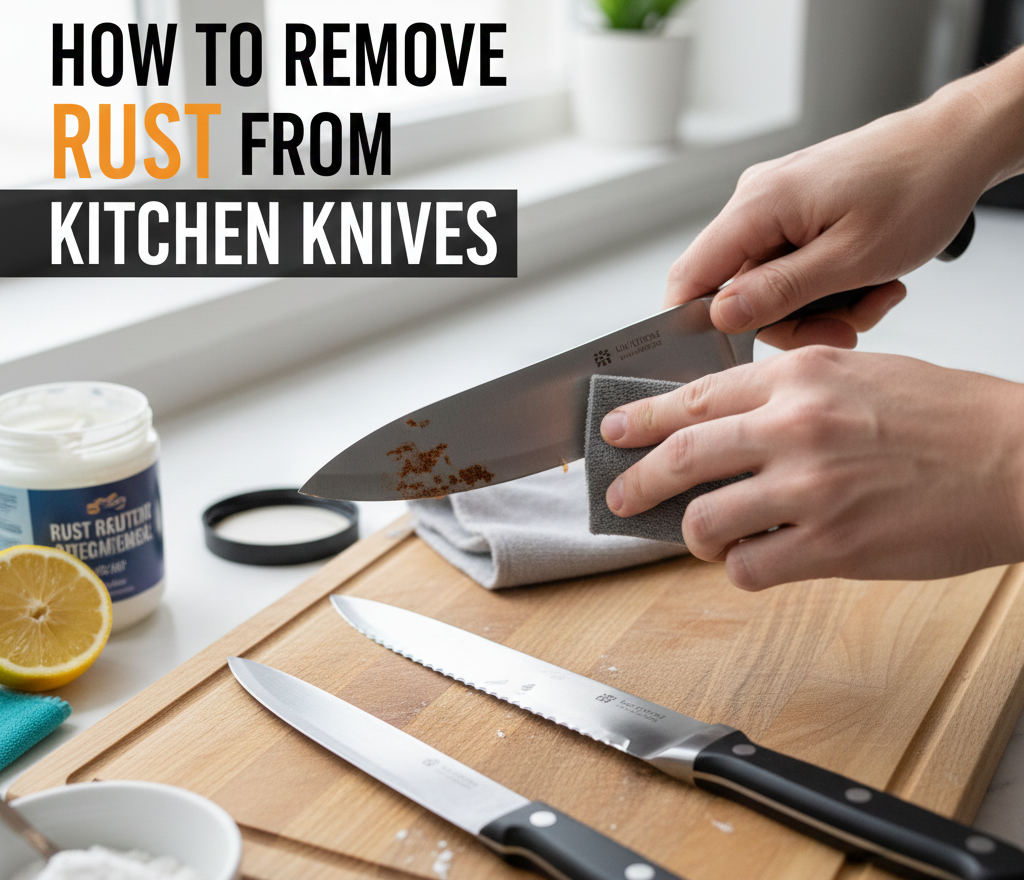
There is a specific kind of heartbreak that occurs when you pull your favorite blade out of the drawer, only to find small, reddish-brown spots marring the steel. Whether it is a heritage piece or one of the best affordable chef knives you just bought, rust feels like a death sentence.
But here is the good news: It is not.
Rust on kitchen knives is common, treatable, and entirely preventable. At knifeindex.com, we have restored hundreds of blades, from high-carbon Japanese steel to sturdy German beaters. In this comprehensive guide, we will walk you through the science of rust, five proven methods to remove it, and the essential maintenance habits to ensure it never returns.
1. Why Do “Stainless” Knives Rust?
First, we need to address the elephant in the room. You bought a stainless steel knife. So, why is it stained?
The term “stainless” is a bit of a misnomer; it should really be called “stain-resistant.” All steel is iron-based, and iron wants to oxidize when exposed to oxygen and moisture. To combat this, manufacturers add Chromium.
- German Knives: Brands like those in our best German kitchen knives guide (Wusthof, Zwilling) use softer steel with higher chromium content. They are very rust-resistant but can still corrode if left in a puddle of water.
- Japanese Knives: High-end blades, often featured in our best Japanese kitchen knives reviews (Shun, Miyabi), use high-carbon steel. Carbon makes the edge incredibly sharp, but it sacrifices corrosion resistance. These knives can rust overnight if not dried immediately.
Whether you are debating Shun vs. Wusthof or looking at stamped vs. forged knives, no steel is immune to neglect.
2. The Danger Zone: Assessing the Damage
Before you start scrubbing, look closely at the blade.
- Surface Rust: Light orange or brown dust. It wipes off or feels smooth. This is easy to fix.
- Pitting: Dark black spots or actual divots in the metal. This is corrosion that has eaten into the steel. While you can stop the rust, the pits are permanent unless you grind the blade down.
External Insight: The Science of Vinegar
Vinegar is a mild acid (acetic acid) that attacks rust (iron oxide). For a deeper dive into the chemical reaction, check out this guide from Smith’s Products: Method #1: Vinegar Soak Explained.
3. Method 1: The Lemon Juice Scrub (For Light Rust)
If you have minor spotting on a budget chef knife, start here. It is gentle and natural.
- Slice a lemon in half.
- Sprinkle coarse salt directly onto the cut side of the lemon.
- Rub the salted lemon over the rusty spots on the blade. The acidity dissolves the rust, while the salt acts as a mild abrasive.
- Let it sit for 2-3 minutes (no longer on high-carbon knives!).
- Rinse and dry thoroughly.
4. Method 2: The Baking Soda Paste (For Stubborn Spots)
This is our preferred method for most kitchen knives, including Santoku and Nakiri blades, as it is not too acidic.
- Mix baking soda and a little water in a small bowl until it forms a thick paste (like toothpaste consistency).
- Apply the paste to the rust spots.
- Let it sit for 30 minutes.
- Scrub vigorously with a toothbrush or a non-abrasive sponge (do not use steel wool on a polished blade!).
- Wash and dry.
5. Method 3: The Vinegar Soak (The Heavy Duty Option)
Use this for neglected knives or older carbon steel blades found in thrift stores. Note: This can affect the finish (patina) of the knife.
- Fill a glass with white vinegar.
- Submerge only the blade. Do not soak the handle, especially if it is wood (like those on best chef knife brands).
- Soak for 5 minutes. Check it. If the rust is still there, soak for another 5.
- Wipe the blade down. The rust should come right off.
- Crucial: Wash with soap immediately to stop the acid from pitting the steel.
6. Method 4: The Potato Trick (For Tip Rust)
It sounds like a myth, but it works. Potatoes contain oxalic acid, which dissolves rust. This is great for rust near the tip of a paring knife.
- Stick the blade into a potato.
- Let it sit for a few hours.
- Remove, scrub with a sponge, wash, and dry.
7. The Aftermath: Sharpening is Mandatory
Rust eats the edge of your knife. Even if you remove the visible orange spots, the microscopic cutting edge is likely jagged and dull. After removing rust, you must sharpen the knife.
Depending on your skill level, you have options:
- Whetstones: The best option for removing damaged metal. See our guide on the best knives sharpener (manual stones).
- Electric Sharpeners: If you removed heavy rust and need to reset the edge quickly, the best knife electric sharpeners can grind a new edge in minutes.
- Pull-Throughs: Good for maintenance, but maybe not enough for a rusted edge. Check our best knife sharpener reviews for safe options.
8. Prevention: Never Let it Happen Again
Rust removal removes metal. You can only do it so many times before you ruin the knife. Prevention is key.
A. The “Dishwasher” Rule
We cannot stress this enough: Never put good knives in the dishwasher. The heat, humidity, and abrasive detergent are a rust factory. Even knives marketed as dishwasher safe steak knives will eventually corrode. Hand wash and dry immediately.
B. Proper Storage
Do not throw your knife in a drawer. It traps moisture and bangs against other metal.
- For drawers, use a knife drawer organizer.
- For counters, use one of the best knife sets with a block.
- For display and airflow, magnetic knife holders are superior.
C. Carbon Steel Care
If you own a carbon steel Nakiri or a specialized blade, wipe it down between tasks. If storing it for a long time, apply a thin layer of food-safe mineral oil.
9. Recommended Products for Knife Care
Based on our extensive testing of Henckels vs. Victorinox and other top brands, these are the tools that save blades.
 Sabitoru Rust Eraser (Medium/Fine)
A rubberized abrasive block that acts like a pencil eraser for rust. Essential for anyone owning Japanese knives. It removes rust without scratching the blade deeply.
Check Price on Amazon Kurobara 100% Pure Tsubaki Knife Oil
The traditional choice. A few drops of this food-safe oil prevents oxidation during storage. Highly recommended for high-carbon blades.
Check Price on Amazon Premium Magnetic Knife Bar (16 Inch)
Airflow is the enemy of rust. Unlike a block that can trap moisture, a magnetic strip allows your knives to dry completely. A great upgrade for any kitchen.
Check Price on Amazon10. Brand Specifics: Does It Matter?
Different brands react differently to rust removal.
- Victorinox: The stamped steel in Victorinox knives is highly polished and resistant. Rust is usually very superficial and comes off with baking soda easily.
- Wusthof/Zwilling: These forged German knives are tough. You can scrub them a bit harder. Check our Zwilling vs Henkel comparison for steel hardness details.
- Shun/Miyabi: Be careful! The Damascus cladding can be scratched by abrasive scouring pads. Use the baking soda method or a specific rust eraser gently. Read more in Shun vs Wusthof.
11. Rust vs. Patina: Learning to Tell Them Apart
One of the most common mistakes home cooks make is panicking over discoloration that isn’t rust at all. If you own a high-carbon blade, especially something like a traditional Japanese single-bevel knife or an older French carbon steel chef’s knife, you have almost certainly noticed the surface changing color over time. This is patina, and it is not the enemy.
Patina forms when carbon steel reacts with the acids in food, mild moisture, and oxygen in a slow, controlled way. Instead of producing the flaky, reddish-orange iron oxide we call rust, patina creates a thin, stable layer of iron oxide and other compounds that actually protects the steel underneath from further corrosion. It typically appears as blue-gray, purple, brown, or even mottled rainbow colors across the blade face.
So how do you tell the difference? Rust is active and destructive. It flakes, it feels gritty or rough under your thumbnail, and it tends to spread if left untouched, especially in humid conditions. Patina, by contrast, is smooth to the touch, does not flake off, and tends to stabilize once it has formed. Many carbon steel enthusiasts actually encourage patina to develop intentionally by wiping the blade with diluted vinegar, mustard, or even coffee grounds, because a well-developed patina acts as a natural rust barrier.
If you scrub away patina thinking it is rust, you are removing a protective layer, and the bare steel underneath will be more vulnerable to future corrosion until a new patina forms. This is why, before attacking a blade with any of the methods above, it pays to look closely. Reddish, orange, or brown dust that transfers to a cloth is rust. Bluish-gray or mottled coloring that stays put is patina. When in doubt, try wiping the spot with a dry cloth; rust will often leave a faint orange smudge, while patina will not budge.
12. The Chemistry Behind the Orange Stain
Understanding what is actually happening at a molecular level can help you make smarter choices about how you treat your blades. Rust, technically called iron oxide, forms through a process called oxidation. When iron atoms in the steel are exposed to both oxygen and water, they lose electrons to the oxygen atoms, forming iron oxide compounds. This is an electrochemical reaction, meaning it behaves a bit like a tiny battery, with electrons flowing from one area of the metal to another.
Several factors accelerate this process. Salt is one of the biggest culprits because it increases the electrical conductivity of any moisture sitting on the blade, which speeds up the electron transfer that drives corrosion. This is exactly why knives that have been used to cut cured meats, pickles, or salty broths and then left unwashed rust noticeably faster than knives used purely on vegetables. Acidic foods like tomatoes, citrus, and vinegar-based sauces can also strip away the thin protective chromium oxide layer that makes stainless steel resistant to corrosion in the first place, temporarily leaving the metal more exposed until that layer reforms.
Heat plays a role too. Chemical reactions generally speed up as temperature rises, so a warm, humid kitchen environment, particularly during summer months or in homes without air conditioning, creates ideal conditions for rust to take hold quickly. This is one reason knife rust complaints often spike during humid seasons, even among people who have owned the same knives for years without issue.
Understanding this chemistry reinforces a simple truth: rust prevention is really moisture and electrolyte management. Dry blades in low-humidity environments essentially cannot rust, no matter what steel they are made from.
13. Method 5: Electrolysis Rust Removal for Severely Corroded Blades
For knives with heavy, entrenched rust, such as an inherited blade that has been sitting in a garage or a flea-market find, the gentle kitchen methods above may not be enough. Electrolysis is a more advanced technique used by restoration hobbyists and collectors to strip rust without removing significant amounts of the underlying steel.
- Dissolve a tablespoon of washing soda (sodium carbonate) per liter of water in a plastic container large enough to submerge the blade.
- Attach the negative lead of a battery charger to the knife using a wire or alligator clip, ensuring the handle stays out of the solution if it is wood, bone, or another porous material.
- Attach the positive lead to a separate piece of scrap steel, such as rebar, and submerge that as the sacrificial anode. Never use stainless steel as the sacrificial piece, as it can release harmful compounds during the reaction.
- Suspend both pieces in the solution so they do not touch each other, then turn on the charger at a low amperage setting.
- Let the reaction run for one to several hours depending on the severity of the rust. You will see bubbles forming and the rust lifting off as a black, sludgy residue.
- Remove the blade, scrub off the loosened residue with a non-abrasive pad, then wash, dry, and immediately oil the blade to prevent flash rusting, since bare steel fresh out of an electrolysis bath is extremely reactive.
This method is overkill for a lightly spotted daily-use knife, but it is genuinely useful for antique carbon steel blades or neglected knives you want to bring back from the brink without grinding away the original steel geometry.
14. Method 6: Commercial Rust Removers and Barkeeper’s Friend
If natural remedies are not cutting it, a dedicated commercial rust remover or a product like Barkeeper’s Friend can help. These products typically rely on mild oxalic acid, similar in principle to the potato trick described earlier, but in a more concentrated and consistent form.
- Wet the blade slightly and sprinkle the powder directly onto the rusted areas, or make a thin paste with a few drops of water.
- Using a soft cloth or non-scratch sponge, work the paste into the rust spots in small circular motions.
- Rinse thoroughly under running water within a couple of minutes; do not let oxalic acid-based cleaners sit on the blade for extended periods.
- Dry immediately and check the finish. Repeat only if necessary, since repeated use can dull a polished mirror finish over time.
These commercial cleaners are excellent for kitchens that deal with rust on multiple surfaces, since the same product often works on sinks and cookware as well as blades, making it a convenient all-purpose option to keep under the sink.
15. Should You Ever Use Steel Wool or Sandpaper?
It is tempting to reach for the most aggressive tool in the cabinet when rust looks stubborn, but steel wool and sandpaper carry real risks for kitchen knives. Both are abrasive enough to physically scratch and dull a polished blade finish, and steel wool in particular can leave behind microscopic iron particles embedded in the surface, which can actually accelerate future rusting rather than prevent it.
If you must use an abrasive, extremely fine grit wet/dry sandpaper, in the 1500 to 3000 grit range, used wet and with light pressure, is a safer choice than steel wool. Always work in the direction of any existing grain lines on the blade rather than in circular motions, and follow up with a metal polish to restore some of the shine. For most home cooks, however, a dedicated rust eraser block or a baking soda paste will handle the job with far less risk to the finish, and should be tried first before ever considering sandpaper.
16. Rust in Hard-to-Reach Places: Bolsters, Pins, and the Ricasso
Rust does not confine itself neatly to the flat of the blade. Some of the most persistent corrosion problems show up in the tiny crevices where moisture likes to hide: around the bolster where the blade meets the handle, in the gap around the rivets or pins, and along the ricasso, the small unsharpened section of blade just above the handle.
These areas are notoriously easy to miss during a quick rinse, and because they trap water against two different materials at once, often steel against wood or steel against a synthetic handle scale, they are prime real estate for rust to develop unnoticed until it has already taken hold. A soft-bristled toothbrush dipped in a baking soda paste is ideal for working into these tight seams. After cleaning, take extra care to dry these areas thoroughly, using a cotton swab if necessary to reach into the gap around rivets, since residual moisture here is one of the leading causes of recurring rust in otherwise well-maintained knives.
17. Is It Safe to Cook With a Knife That Has Rust?
A question we hear constantly is whether rust on a blade poses any health risk. The short answer is that light surface rust itself is not typically considered toxic in the way that, say, lead or mercury contamination would be, but that does not mean you should ignore it or keep using a rusty knife as normal.
The bigger concerns are twofold. First, rust flakes can physically transfer onto food, which is unappetizing and can affect flavor, particularly in delicate dishes like sashimi or citrus segments where any metallic taste is immediately noticeable. Second, and more importantly, a pitted or rusted blade surface is far harder to clean thoroughly, since bacteria can hide in the microscopic pits left behind by corrosion, creating a genuine food safety concern over time, especially on a knife regularly used for raw proteins.
The responsible approach is simple: treat rust as soon as you notice it using one of the methods in this guide, and if a blade has significant pitting near the edge where it contacts food most directly, consider having it professionally reground or retiring it from food-prep duty altogether.
18. How to Identify Your Knife’s Steel Type Before Treating Rust
Not all steels respond the same way to acidic treatments, and knowing what you are working with can save you from an unpleasant surprise. If you do not have the original packaging or a stamp on the blade, there are a few simple clues you can use.
- Magnet test: Nearly all knife steels, stainless or carbon, are magnetic, so this will not help you distinguish between the two, but it can help rule out titanium or ceramic blades, which are not magnetic at all.
- Patina behavior: If the blade develops color changes quickly after cutting an onion or a lemon, it is very likely high-carbon steel. Stainless steel resists this kind of rapid discoloration.
- Edge retention feel: Carbon steel blades typically feel like they hold a working edge longer between sharpenings but chip more easily on hard surfaces, while stainless blades tend to dull a bit faster but resist chipping.
- Manufacturer markings: Look along the spine or ricasso for etched text. Terms like “VG-10,” “AUS-8,” “1095,” or “White Steel” all indicate specific alloys, and a quick search of the stamped code will tell you exactly what you are dealing with.
Once you know your steel type, you can calibrate your rust removal approach: high-carbon blades benefit from shorter acid exposure times and immediate oiling afterward, while stainless blades can generally tolerate slightly longer treatment without ill effects.
19. Long-Term Storage: Preventing Rust While Traveling or Between Uses
Rust problems often start not during daily use, but during storage, particularly when a knife is packed away for travel, seasonal use, or simply left unused in a drawer for weeks at a time. If you are transporting knives to a second home, a catering job, or a camping trip, never wrap a blade in a damp towel or seal it inside an airtight plastic bag while there is even a trace of moisture left on the surface.
Instead, dry the blade completely, apply a very thin coat of food-safe mineral oil or camellia oil, and wrap it in a breathable material like a cotton knife roll before placing it in a bag. If you are storing knives long-term, such as putting away a specialty holiday knife you only use once a year, the same principle applies: clean, dry, oil, and store in a breathable sheath or roll rather than sealed plastic, which can trap residual humidity against the steel for months at a time.
For particularly humid climates or coastal environments where the air itself carries excess moisture and salt, some collectors go a step further and store carbon steel blades with a silica gel packet nearby to actively pull moisture out of the surrounding air.
20. Rust on Knife Blocks and Sheaths: An Overlooked Cause
Homeowners often focus entirely on the blade itself while ignoring a surprisingly common source of recurring rust: the storage vessel. Wooden knife blocks can absorb moisture over time, especially if knives are ever placed into the slots even slightly damp, and that trapped humidity gets transferred right back onto the blade every time it is stored. Leather sheaths behave similarly, and can actually be worse, since leather can hold moisture against a blade for extended periods and, in some cases, the tanning chemicals used in the leather can react with bare steel.
If you are noticing rust returning to the same knife again and again despite drying it properly after washing, inspect your storage solution. A knife block that smells musty, feels damp inside the slots, or has visible mildew is actively contributing to your rust problem. Letting the block air out in a dry location, or switching to an open-air magnetic strip as discussed earlier, often solves a “mystery” recurring rust issue that seemed unrelated to washing habits at all.
21. Water Quality, Hard Water, and Dishwasher Detergent
Not all water is equal when it comes to rust risk. Hard water, which contains higher concentrations of dissolved minerals like calcium and magnesium, can leave mineral deposits on a blade as it dries, and these deposits can trap moisture against the steel longer than a quick air-dry would otherwise allow. If you live in a hard water area and notice cloudy spots or a chalky film on your blades after washing, towel-drying immediately rather than air-drying will significantly reduce rust risk.
Dishwasher detergent deserves special mention here as well, beyond just the heat and humidity concerns already covered. Many dishwasher detergents are highly alkaline and formulated to be aggressive on baked-on food residue, which also means they can strip away protective oils and even attack the thin oxide layer on stainless steel over repeated cycles. Combined with the prolonged wet heat cycle and the knife knocking against other utensils in the rack, this creates close to a worst-case scenario for blade longevity, reinforcing why hand washing remains the gold standard for anything beyond the cheapest utility knives.
22. When to Call a Professional: Restoration vs. Replacement
At some point, a badly rusted or pitted knife raises a legitimate question: is it worth saving? Professional knife sharpening and restoration services can regrind a blade to remove deep pitting entirely, essentially taking the steel back down past the damaged layer to reveal clean metal underneath. This is a great option for sentimental pieces, discontinued models, or high-end knives that would be expensive to replace.
However, regrinding removes material permanently, which changes the blade’s profile slightly and can only be done so many times before the knife becomes too thin or loses its original geometry. As a general guideline, if pitting covers a small, localized area and the knife is otherwise in good structural condition, professional regrinding is usually worthwhile. If rust and pitting have spread across most of the blade, or if the tip has broken off in addition to the corrosion, it may be more economical to treat the restoration as a lesson learned and invest in a new blade with a proper maintenance routine going forward.
23. Building a Simple Rust-Prevention Maintenance Schedule
Consistency beats intensity when it comes to rust prevention. Rather than treating knife care as an occasional deep-clean project, building a few small habits into your regular kitchen routine will do more to prevent rust than any single product ever could.
- After every use: Hand wash immediately, especially after cutting acidic or salty foods, and dry completely with a towel before putting the knife away.
- Weekly: Give carbon steel blades a quick wipe with a lightly oiled cloth, even if they have not shown any signs of rust, as a preventative measure.
- Monthly: Inspect storage solutions, knife blocks, magnetic strips, and drawer organizers for trapped moisture, dust buildup, or signs of mildew.
- Seasonally: During humid months, increase the frequency of oiling for carbon steel blades and consider adding a silica gel packet to enclosed storage.
- Before long-term storage: Clean, dry, oil, and wrap in breathable material before putting any knife away for an extended period.
Treat this schedule the same way you would treat car maintenance: small, regular efforts that prevent the far more time-consuming and risky task of rust removal down the line.
24. Common Mistakes That Actually Make Rust Worse
In our years of testing and restoring blades, we have seen a handful of well-intentioned habits that actually accelerate rust rather than prevent it.
- Air-drying instead of towel-drying: Letting a blade “air dry” in a rack leaves it wet for far longer than a thirty-second towel dry, giving oxidation more time to start.
- Over-oiling stainless steel: While carbon steel benefits from regular oiling, heavily oiling stainless blades unnecessarily can attract dust and grime, which paradoxically traps more moisture against the surface over time.
- Storing wet in a sheath or roll: A sheath that looks dry on the outside can hide moisture against the blade for days, quietly encouraging rust to form completely out of sight.
- Scrubbing patina off “just in case”: As covered earlier, removing a healthy patina layer under the mistaken belief that it is rust leaves the bare steel more vulnerable, not less.
- Using the wrong cutting board: Highly acidic or salty runoff pooling on a non-absorbent plastic board can sit in contact with the blade edge longer during use, especially during long prep sessions, contributing to edge-line rust over time.
Avoiding these small missteps, combined with the maintenance schedule above, will keep the vast majority of home kitchen knives rust-free indefinitely.
25. Comparing Rust Removal Methods: Which One Should You Actually Use?
With so many techniques covered in this guide, from lemon juice to electrolysis, it helps to think about which method fits which situation rather than reaching for the most aggressive option by default. The general rule is to start gentle and escalate only if needed.
For a knife with a handful of light orange specks that you noticed the same day they appeared, the lemon and salt scrub or a quick baking soda paste will usually resolve the issue in under ten minutes with essentially no risk to the finish. For a knife that has been sitting unused for a few weeks with more established surface rust, the vinegar soak offers a stronger, faster result, provided you are diligent about washing and drying immediately afterward to stop the acid from continuing to work on the steel. The potato trick sits somewhere in between; it is slow but extremely gentle, making it a good overnight option for a blade you are not in a rush to use.
Commercial rust removers and Barkeeper’s Friend earn their place for moderate, more widespread rust across a larger surface area, especially when you want a predictable, repeatable result rather than experimenting with kitchen staples. Electrolysis and steel wool or sandpaper should be considered last resorts, reserved for genuinely neglected blades, antiques, or restoration projects where the goal is bringing a knife back from years of storage rather than simply maintaining a knife already in regular rotation. Choosing the mildest effective method each time will keep your blades looking better for far longer than habitually reaching for the strongest tool available.
26. Common Myths About Knife Rust, Debunked
Misinformation about rust spreads almost as easily as rust itself, so it is worth clearing up a few persistent myths we hear from readers.
- “Stainless steel knives can never rust.” As covered earlier, stainless steel is stain-resistant, not stain-proof. Neglect, salt exposure, and moisture can still cause visible corrosion on even the highest-end stainless blades.
- “A little rust means the knife is ruined.” Surface rust is almost always cosmetic and fully reversible with the methods in this guide. Only deep pitting that has eaten significantly into the steel poses a lasting structural concern.
- “Oiling a knife will make food taste like oil.” A properly applied thin coat of food-safe mineral or camellia oil is wiped down before use and leaves no detectable flavor; the amount used for rust prevention is a few drops, not a coating.
- “You should never let a carbon steel knife touch acidic food.” In reality, controlled exposure to acidic foods is exactly how a protective patina develops. The concern is prolonged, unwashed contact, not brief use during normal cooking.
- “Once a knife rusts, it will always rust again in the same spot.” If the underlying cause, usually inadequate drying or poor storage, is corrected, there is no reason the same spot should be more prone to future rust than anywhere else on the blade.
27. Humidity Control in the Kitchen: A Bigger Picture Approach
For readers dealing with recurring rust across multiple knives despite doing everything right individually, the root cause is sometimes environmental rather than related to any single habit. Kitchens in coastal regions, older homes without adequate ventilation, or spaces near a dishwasher or stovetop that generates a lot of steam can maintain ambient humidity levels that make rust prevention an uphill battle no matter how carefully you dry each blade.
If you suspect this is the case, a simple hygrometer placed near your knife storage area can confirm whether humidity is consistently elevated. Ideally, kitchen storage areas for edged tools should stay below roughly 50 percent relative humidity. Running a small dehumidifier in an enclosed kitchen during humid months, ensuring your knife block or drawer is not positioned directly above the dishwasher or near a stovetop, and improving general kitchen ventilation with an exhaust fan can meaningfully reduce ambient moisture levels. For collectors with a larger number of high-value carbon steel blades, some go as far as storing their most prized knives in a dedicated cabinet with desiccant packets or a small electric dehumidifying rod, similar to what camera collectors use to protect lenses from fungus in humid climates.
28. Knife Rust vs. Cast Iron Rust: Why They Behave Differently
Many home cooks who season cast iron pans as a matter of routine assume the same logic should apply to knives, but the two situations are actually quite different. Cast iron is intentionally seasoned with a thick, baked-on layer of polymerized oil precisely because raw cast iron has no chromium content at all and is extremely prone to rust; the seasoning layer is doing all of the protective work.
Knife steel, particularly stainless knife steel, already contains chromium that forms its own thin, self-healing oxide layer, so knives do not need or benefit from the thick seasoning treatment used on cookware. In fact, applying a heavy, baked-on oil layer to a knife blade the way you would a skillet would interfere with the blade’s cutting performance and food release. This is why knife protection relies on a very thin, wipeable oil film rather than the thick seasoning built up on cast iron over months of use. Understanding this distinction helps explain why “just season it like a pan” advice, while well-intentioned, is not the right approach for blades.
29. DIY Oil Blends and Natural Alternatives for Blade Protection
While dedicated products like camellia oil are the traditional choice among Japanese knife enthusiasts, several accessible, food-safe alternatives work well for basic rust prevention if you do not have a specialty oil on hand.
- Mineral oil: Widely available, odorless, and food-safe, mineral oil is a reliable everyday choice and the most common recommendation for cutting boards as well as blades.
- Coconut oil (fractionated): Fractionated coconut oil stays liquid at room temperature and resists going rancid, unlike regular coconut oil, making it a reasonable short-term option.
- Grapeseed oil: A light, neutral oil that can work in a pinch, though it has a shorter shelf life once opened and should be replaced more frequently than mineral oil.
Avoid using olive oil or other polyunsaturated cooking oils for long-term blade storage, since these oils are more prone to turning rancid or becoming sticky over time compared to mineral oil or camellia oil, which are specifically stable enough for tool preservation. Whichever oil you choose, the application method matters more than the exact product: use a soft cloth to apply the thinnest possible film, wiping away any excess so the blade looks lightly polished rather than visibly wet or greasy.
30. A Complete Rust-Prevention Checklist for New Knife Owners
If you have just invested in a quality chef’s knife or received one as a gift, bookmark this simple checklist to build good habits from day one, long before rust ever becomes a problem.
- Hand wash the blade immediately after every use, never leaving it to soak in a sink full of water with other dishes.
- Dry the blade completely with a towel the moment it is washed, paying special attention to the bolster, pins, and ricasso.
- Store the knife in a way that allows airflow, whether that is a magnetic strip, a knife block with ventilated slots, or an individual sheath that is removed periodically to air out.
- For carbon steel blades, apply a light coat of food-safe oil weekly, or any time the knife will not be used for more than a few days.
- Never place the knife in a dishwasher, regardless of what the manufacturer’s marketing claims about dishwasher safety.
- Inspect the blade periodically for early spotting, and address any rust immediately with the gentlest method available rather than letting it sit.
- Sharpen and hone the blade on a regular schedule, since a properly maintained edge is also easier to keep clean and dry along its length.
Following this checklist consistently from the first day of ownership is far easier than trying to reverse years of accumulated rust damage later on.
31. Glossary of Rust and Steel Terms
For readers new to knife care, here is a quick reference for some of the terminology used throughout this guide.
- Oxidation: The chemical process by which a metal reacts with oxygen, forming compounds like rust.
- Chromium oxide layer: The microscopically thin, self-healing protective film on stainless steel that gives it corrosion resistance.
- Patina: A stable, protective surface layer that forms on carbon steel over time through controlled oxidation, distinct from destructive rust.
- Pitting: Localized corrosion that eats into the metal, leaving small permanent holes or depressions even after rust is removed.
- Ricasso: The short, unsharpened section of the blade closest to the handle, often overlooked during cleaning.
- Bolster: The thick junction between the blade and handle on many forged knives, another common rust trap.
- High-carbon steel: Steel with a higher carbon content and typically less chromium, prized for edge sharpness but more prone to rust and patina formation.
- Electrolysis: A rust removal technique using an electrical current passed through a solution to lift rust from a blade without significant loss of underlying steel.
Frequently Asked Questions (FAQ)
Technically, WD-40 removes rust, but it is not food safe. We do not recommend it for anything that touches your food. Stick to vinegar, lemon, or dedicated food-safe oils.
Not usually. Surface rust is cosmetic. However, if the rust is left for months, it can cause “pitting” (small holes) which weakens the structural integrity. If a blade is deeply pitted near the edge, it may need to be professionally reground.
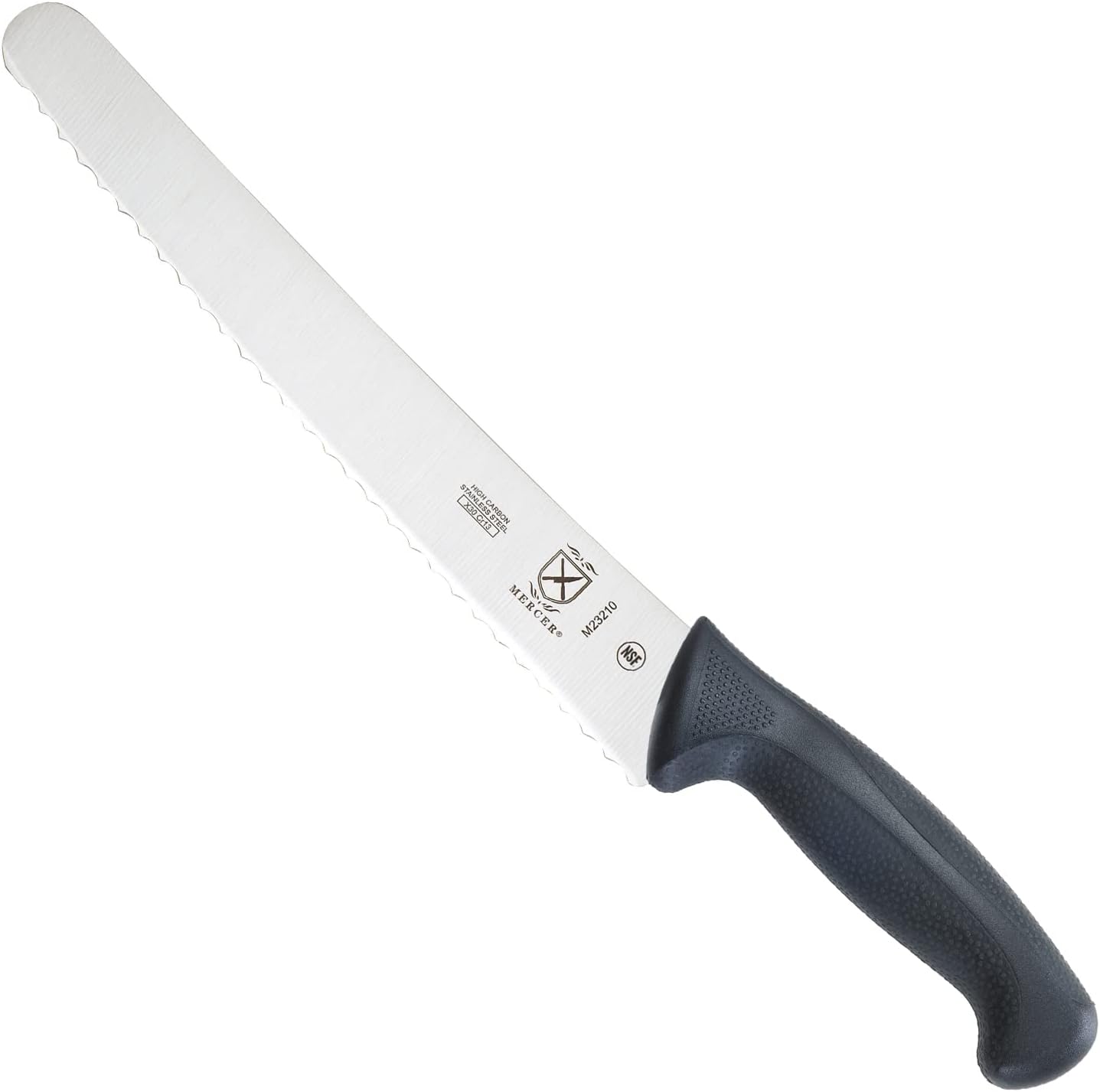
Moisture gets trapped in the gullets (the curves). This is common with bread knives. Use the toothbrush and baking soda method to get into those tight spaces. See our guide on what is a serrated knife used for.
If you are a chef traveling with your kit, do not wrap knives in damp towels. Use a breathable knife bag and ensure blades are 100% dry before zipping it up.
If it flakes off, feels gritty, and leaves an orange smudge on a cloth, it is rust. If it is smooth, bluish-gray or mottled, and stays put, it is patina, a protective layer that you should leave alone rather than scrub away.
Brief exposure of a few minutes is generally safe, but prolonged soaking in acid can etch the steel and, on very thin edges, cause micro-pitting right at the cutting edge. Always rinse, wash with soap, and dry immediately after any acid treatment.
As a general rule, a light wipe of food-safe oil once a week during normal use is sufficient, with more frequent applications before long-term storage or during particularly humid weather.
Rust itself does not “jump” between blades the way mold spreads, but a damp, rust-prone storage environment, such as a musty knife block, can create the same corrosive conditions for every knife stored inside it, making it look like the problem is spreading.
Conclusion
Rust happens to the best of us. It is not a sign of a bad knife; it is a sign of nature doing its work. By catching it early and using the gentle methods outlined above, you can restore your Chef’s Knife or Bread Knife to its former glory.
Remember: The best way to fix rust is to never let it settle. Wash your knives by hand, dry them immediately, and store them properly. Your tools will thank you.
















Pingback: Tojiro vs Wusthof: Which Knife Brand Is Better?