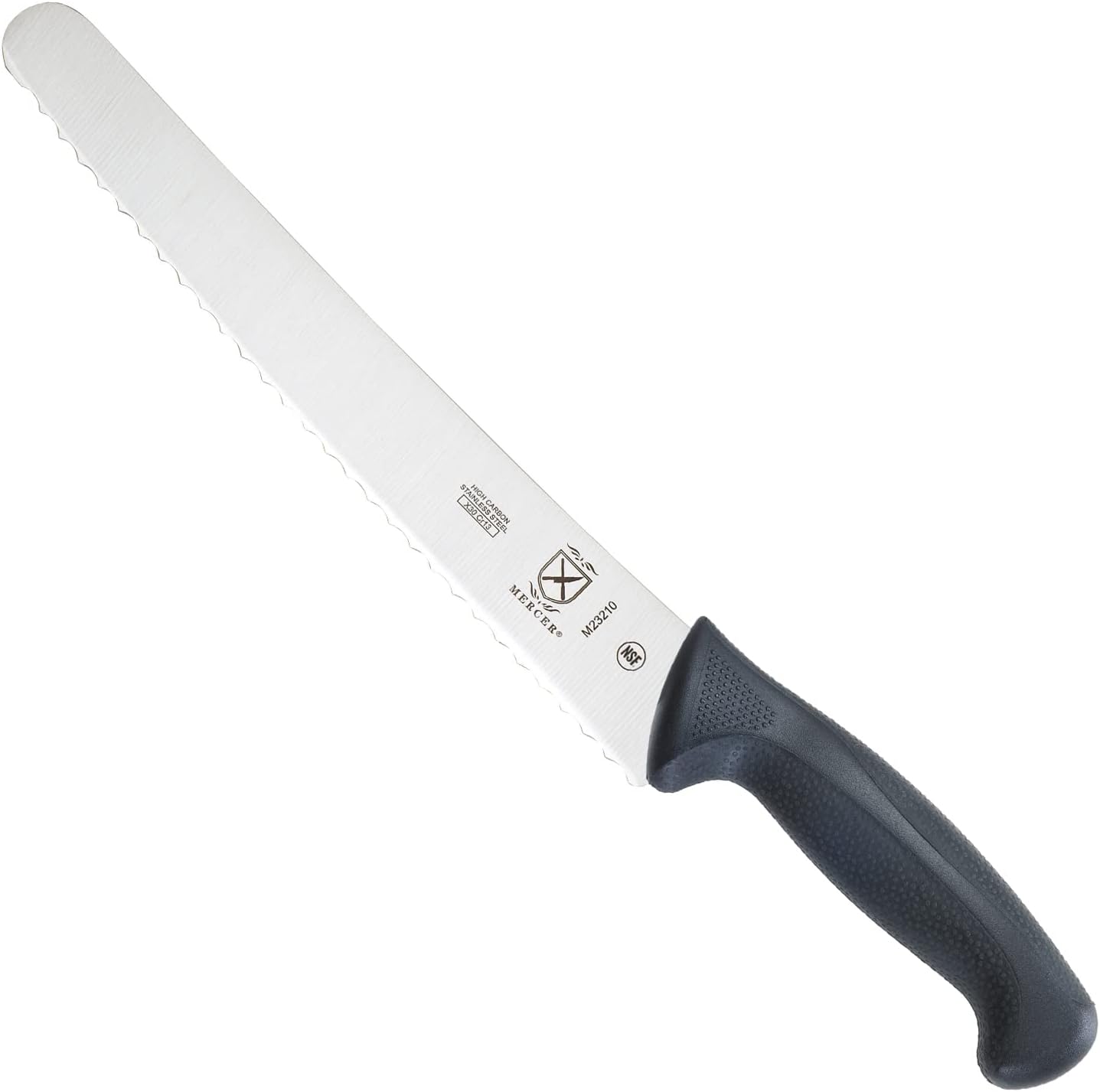
What is a Nakiri Knife Used For? The Japanese Vegetable Master’s Secret Weapon
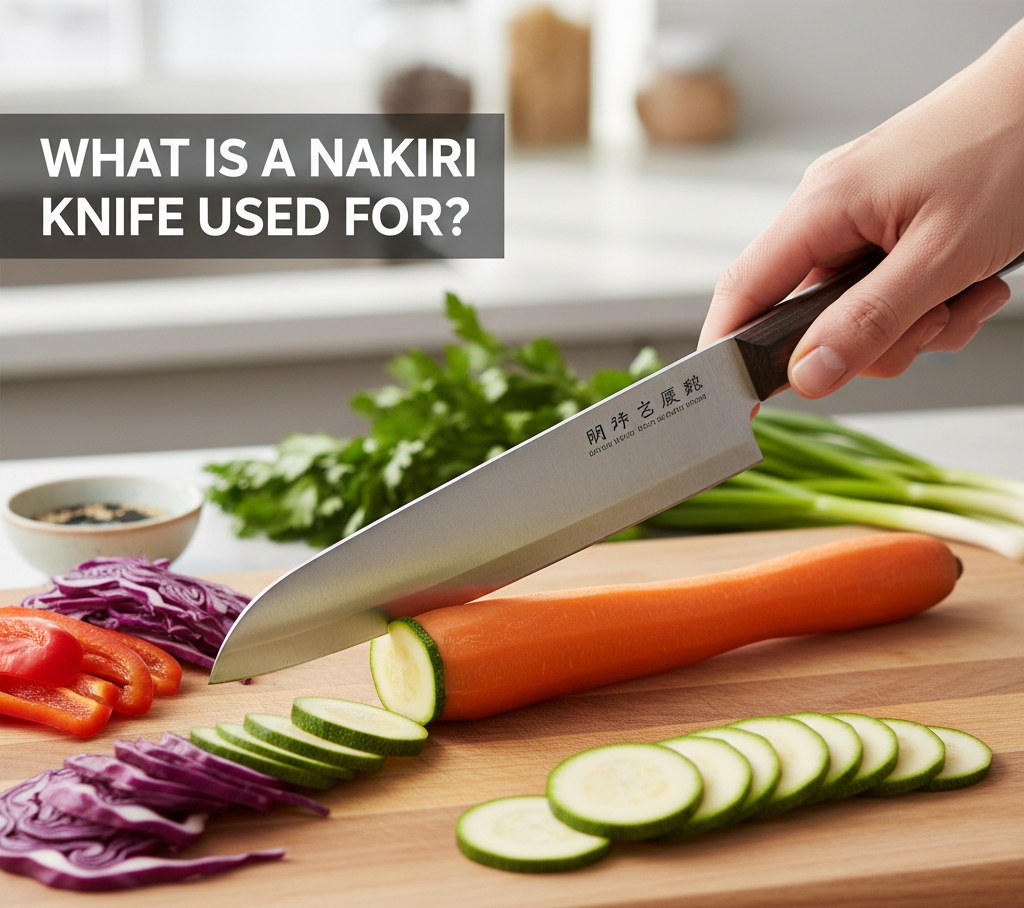
If you have ever experienced the profound frustration of attempting to chop an onion, only to find that it behaves like a springy accordion—where the delicate slices stubbornly stick together at the bottom root—or if you have battled a dense cabbage that seems to actively fight back against your heavy blade, you are likely using the wrong tool for the job. Enter the elegant, precision-focused Nakiri knife.
While the traditional Western Chef’s knife is widely celebrated as the ultimate jack-of-all-trades in the kitchen, the Nakiri is an unapologetic master of one specific, vital domain: Vegetables. But what exactly is a Nakiri knife used for in a practical sense, and why are both passionate home cooks and Michelin-starred professional chefs alike flocking to knifeindex.com/ to actively hunt down the best Japanese blades to complete their culinary kits?
In this exhaustively comprehensive guide, we will brutally break down the unique geometry, the specific push-cutting technique required to wield it, the metallurgy, the historical “why” behind this fascinating rectangular blade, and the intricacies of Japanese knife terminology such as Damascus steel, Kurouchi finishes, and Wa-handles. Whether you are deeply entrenched in the great Shun vs. Wusthof debate, or you are simply looking for the best budget chef knife alternative dedicated purely to processing mountains of greens, you are in exactly the right place. We will leave no stone unturned in our quest to elevate your culinary preparation.
The Deep History of the Nakiri: From Samurai Swords to Kitchen Cutlery
To truly understand the Nakiri, one must step back into the Edo period of Japan (1603–1867). During this era, dietary laws deeply influenced by Buddhism meant that the consumption of four-legged animals was largely prohibited. The Japanese diet was overwhelmingly centered around vegetables, rice, and fish. As a result, the tools of the kitchen evolved to hyper-specialize in these specific ingredients.
The turning point for modern Japanese kitchen knives, including the Nakiri, came during the Meiji Restoration with the passing of the Haitorei Edict in 1876. This law banned the public wearing of swords by the samurai class. Suddenly, thousands of master swordsmiths in legendary forging cities like Sakai, Seki, and Takefu found themselves without a market for their katanas. To survive, these brilliant metallurgical artists pivoted their centuries of knowledge—folding steel, creating differential heat treatments, and crafting razor-sharp edges—into creating the world’s finest kitchen cutlery.
The Nakiri was born out of this transition. It was designed specifically for the rural home cook who needed a robust, double-beveled vegetable knife that was easier to maintain than the fragile, single-beveled Usuba used by high-end sushi chefs. The legacy of those samurai swords lives on in the incredibly high Rockwell Hardness (HRC) ratings and the terrifyingly sharp edges of today’s premium Nakiris.
The Anatomy of a Nakiri: It is Absolutely Not a Meat Cleaver
Perhaps the single most common, and potentially dangerous, misconception among Western cooks is that the Nakiri is a meat cleaver. Visually, it closely resembles one—it possesses a distinctively rectangular shape, a remarkably flat profile, and a surprisingly tall blade face. However, unlike a heavy, thick-spined Chinese Cai Dao or a traditional Western meat cleaver explicitly designed to violently smash through bone, thick cartilage, and dense frozen joints, the Nakiri is extraordinarily thin, highly agile, and meticulously refined.
The Japanese word Nakiri bōchō (菜切り包丁) translates quite literally and simply to “knife for cutting greens.” Every single aspect of its design features tells the story of its highly specialized purpose:
- The Unforgiving Flat Edge: Unlike the sweeping, curved belly of the best German kitchen knives (designed for a rocking motion), the Nakiri’s cutting edge is dead flat, or features only the slightest microscopic curve. This geometry ensures that when you execute a downward chop, the entire length of the blade perfectly contacts the cutting board simultaneously. This completely eliminates those frustrating “accordion” vegetables where the skin remains frustratingly uncut at the very bottom.
- The Boxy, Blunt Tip: The square, blunt nose might look odd or unintuitive to a Western cook used to a sharp spear point, but it serves as both a critical safety feature and a mechanical advantage. The blunt tip prevents you from accidentally stabbing your cutting board (or your hand), while simultaneously adding crucial forward weight to the knife. This forward balance allows gravity to do the heavy lifting for you during rapid chopping sessions.
- The Double Bevel Grind (Ryoba): Unlike the highly traditional, notoriously difficult-to-master single-bevel Usuba (a vegetable knife used exclusively by highly trained Japanese sushi masters, known as kataba), the modern Nakiri is double-beveled. This means it is symmetrically sharpened on both sides (usually to an acute 12-15 degrees per side). This makes it highly intuitive and exceptionally easy to use for both left-handed and right-handed cooks straight out of the box.
- The Tall Blade Face: The significant vertical height of the Nakiri provides massive knuckle clearance against the cutting board. More importantly, it provides a massive, flat steel surface for your non-cutting hand (the “claw hand”) to safely rest against, acting as a flawless guide for executing rapid, highly uniform, paper-thin slices.
- The Spine Thickness: A true Nakiri is astonishingly thin behind the edge, often tapering down from a spine that is a mere 1.5mm to 2mm thick. This laser-thin geometry is what allows it to glide effortlessly through dense root vegetables like sweet potatoes and carrots without wedging or snapping them in half.
The Nakiri’s dead-flat profile physically prohibits the “rock-chopping” motion Western cooks are taught. If you attempt to rock a Nakiri, the blunt tip will instantly dig into your wooden board and snap. Instead, the Nakiri requires a “push-cut” or “tap-chop” motion—lifting the blade completely off the board, moving it slightly forward, and pushing straight down and slightly away from you through the food. This is vastly different from the technique used with a Santoku or Chef’s knife, but it results in substantially cleaner cuts that do not bruise delicate cellular walls. Mastering the push-cut is the key to unlocking the Nakiri’s true potential.
Choosing the Right Nakiri Blade Length: 165mm vs 180mm
When shopping for a Nakiri, you will immediately notice that they are typically shorter than a standard 8-inch (210mm) Western chef’s knife. Because the Nakiri does not require a long belly for rocking, a shorter blade is actually far more efficient and maneuverable. But which size is right for you?
- 165mm (Approx. 6.5 inches): This is the most common and traditional size for a Nakiri. At 165mm, the knife feels incredibly nimble, almost like a natural extension of your hand. It is the perfect size for standard home cutting boards and is highly recommended for beginners or cooks with smaller hands. Its light weight prevents wrist fatigue during marathon meal prep sessions.
- 180mm (Approx. 7.1 inches): The 180mm Nakiri provides a bit more runway, making it ideal for processing larger ingredients like massive heads of cabbage, long daikon radishes, or giant eggplants. Professional prep cooks often prefer the 180mm size because the extra length allows them to process more product with a single stroke. However, it does require a slightly larger cutting board to maneuver comfortably.
Understanding Metallurgy: High Carbon Steel vs. Stainless Steel Nakiris
The soul of any Japanese knife lies in its steel. The type of steel dictates the knife’s edge retention, its ease of sharpening, its durability, and its susceptibility to rust. Japanese steels are typically measured on the Rockwell Hardness Scale (HRC). A higher HRC (60-65) means the steel is harder, can take a sharper edge, and holds it longer, but is more brittle. A lower HRC (56-58), typical of German knives, is softer, requires more frequent honing, but is incredibly tough and chip-resistant.
High-Carbon Steel (Hagane)
Traditionalists and purists flock to high-carbon steel because it can be sharpened to a terrifyingly microscopic edge and holds that edge exceptionally well. However, it requires rigorous maintenance. It is highly reactive and will rust if left wet or covered in acidic juices (like tomatoes or citrus). Over time, carbon steel develops a beautiful, protective discoloration known as a “patina.”
- Shirogami (White Steel): Often #1 or #2. This is the purest form of carbon steel. It takes the sharpest edge of almost any steel on earth and is a dream to sharpen on a whetstone. However, it has the lowest resistance to rust.
- Aogami (Blue Steel): Often #1, #2, or Super Blue (Aogami Super). Tungsten and chromium are added to the White steel base. This increases wear resistance (edge retention) and offers slightly better corrosion resistance, though it will still rust if neglected. Aogami Super is often considered the pinnacle of Japanese knife steel, hitting HRC 63-65.
Stainless and Powdered Metallurgy Steels
For the modern home cook who desires the performance of Japanese geometry without the anxiety of rust, stainless steels are the answer. These alloys contain high amounts of chromium to resist oxidation.
- VG-10 (V-Gold 10): The undisputed king of premium consumer Japanese knives. Brands like Shun and Miyabi utilize VG-10 heavily. It offers excellent edge retention, a very high HRC (usually 60-61), and fantastic rust resistance. It is the perfect middle ground.
- SG2 / R2 (Powdered Steel): An ultra-premium stainless steel made through a complex powder metallurgy process. It allows for an incredibly fine grain structure, resulting in a knife that can reach HRC 63-64, rivalling carbon steel in sharpness and edge retention, while remaining fully stainless.
- AUS-10 and X50CrMoV15: AUS-10 is a highly capable Japanese stainless steel used in mid-range knives, while X50CrMoV15 is the standard German steel used in Wusthof and Zwilling Nakiris—softer, exceptionally durable, and highly rust-resistant.
The Aesthetics of the Blade: Understanding Finishes
Japanese knifemakers are not just metallurgists; they are artisans. The finish applied to the blade of a Nakiri often serves both a functional and an aesthetic purpose.
- Damascus Steel (Suminagashi): Achieved by folding layers of different steel alloys together and acid-etching the final blade. This creates a mesmerizing, wood-grain or watery pattern. Beyond its breathtaking beauty, a Damascus cladding (often 33 to 65 layers) helps protect the hard inner core steel.
- Kurouchi (Blacksmith’s Finish): A dark, rustic, unpolished finish left on the upper portion of the blade straight from the forge. This scale residue acts as a natural protectant against rust on carbon steel knives and gives the knife a raw, traditional character.
- Tsuchime (Hammered Finish): The blade features beautiful, dimpled hammer marks along its face. This is highly functional for a Nakiri: the hammer marks create tiny air pockets between the blade and the vegetable, dramatically reducing surface tension and preventing starchy vegetables like potatoes and zucchini from aggressively sticking to the side of the knife.
- Migaki (Polished Finish): A smooth, shiny, polished finish. It is elegant and minimalist, though wet ingredients may stick to it more readily than a Tsuchime finish.
- Granton Edge: Often found on Western-style Nakiris (like Wusthof), these are hollowed-out oval dimples ground into the edge of the blade, serving the same non-stick purpose as the traditional Tsuchime finish.
Exactly What is a Nakiri Knife Used For? (Specific Culinary Tasks)
The Nakiri is not a generalist; it is a specialist that absolutely excels at high-volume, rapid vegetable and fruit preparation. If your diet is heavy in fresh produce, this knife will save you hours of prep time. Here is exactly where the Nakiri shines brightest, breaking down the exact techniques you can master:
1. Surgical Precision Onion Dicing (The Brunoise)
Dicing onions is the foundational skill of prep cooking. Because the Nakiri blade is flat and incredibly thin behind the edge, you can effortlessly make clean vertical and horizontal cuts into a dense onion without the tip awkwardly wedging or the layers blowing apart. The height of the blade also gives you plenty of safe surface area to confidently rest your guiding knuckles against, resulting in flawless, uniform Brunoise cuts (perfect 1/8-inch cubes) that cook perfectly evenly. Achieving a true Brunoise with a thick Western knife is an exercise in frustration; with a Nakiri, it is effortless.
2. Shredding Dense Cabbage and Fibrous Lettuce (The Chiffonade)
This is arguably the Nakiri’s ultimate superpower. The extra weight concentrated at the tip (the “nose” of the square blade) provides incredible forward momentum. When attempting to cut through massively dense, tightly packed vegetables like a head of purple cabbage or iceberg lettuce, the knife naturally wants to fall forward. You do not need to use brute wrist muscle; you simply guide the falling blade, allowing its weight and razor edge to shear through the fibrous leaves like butter. This makes creating a massive batch of coleslaw a five-minute task rather than a twenty-minute chore.
3. The “Katsuramuki” (Traditional Rotary Peeling)
While this highly advanced technique is traditionally reserved for single-bevel Usuba knives, the straight, long edge of a highly sharpened Nakiri allows ambitious home cooks to successfully peel hard vegetables—like daikon radishes, cucumbers, or zucchini—into continuously long, paper-thin, translucent sheets. These sheets can then be finely julienned (cut into matchsticks) for beautiful garnishes, sushi rolls, or low-carb vegetable noodles.
4. Flawless Herb Chiffonade (Without Bruising)
If you have ever attempted to chop fresh basil, mint, or cilantro with a dull, thick Western chef knife, you know that the edges of the herbs turn a bruised, ugly black color almost instantly. This happens because a thick blade crushes the delicate cellular walls of the herb rather than cleanly severing them, releasing the enzymes that cause rapid oxidation. A razor-sharp Nakiri, specifically specialized Japanese brands forged from hard steel like those seen in best Japanese kitchen knives reviews, slices so cleanly through delicate herbs that the cells remain fully intact, keeping your expensive garnishes vibrant, bright green, and full of essential oils.
5. Executing the Perfect Batonnet and Paysanne
The flat geometry of the Nakiri makes it the undisputed champion of geometric vegetable cuts. When you need to create a Batonnet (a French cut resulting in perfectly rectangular sticks measuring 1/4 inch by 1/4 inch by 2 inches, perfect for French fries or crudités), the Nakiri’s straight edge guarantees a straight line every time. Similarly, for the Paysanne cut (thin, square, or triangular slices often used in rustic soups), the Nakiri’s thin blade ensures you can slice through dense root vegetables rapidly without splitting them down the middle.
6. Safely Transferring Ingredients (The Built-In Spatula)
Once you have flawlessly diced three cups of carrots and celery, you need to move them to the hot pan. The tall, massive surface area of the Nakiri’s rectangular blade acts as a highly efficient, built-in bench scraper. You can easily scoop up massive volumes of prepped ingredients directly off the cutting board and seamlessly transfer them to your wok or stockpot without spilling them everywhere. This saves time and minimizes countertop mess.
Mastering the Grip: How to Hold a Nakiri Knife Properly
To safely and effectively wield a Nakiri, you must abandon the “handle grip” (holding the knife entirely by the handle like a hammer). A Nakiri demands precision and control, which can only be achieved through the Pinch Grip.
The Pinch Grip Technique: Grasp the handle of the Nakiri with your bottom three fingers (middle, ring, and pinky). Then, slide your hand forward so that your thumb and index finger actually rest on the blade itself, pinching the steel just in front of the bolster or handle. Your thumb rests flat against one side of the blade, and your index finger curls around to pinch the other side. This grip gives you supreme rotational control over the blade, making it feel like an extension of your own hand. Because the Nakiri is relatively light and blade-heavy, the pinch grip perfectly balances the knife at its center point.
The Claw Hand: Your non-dominant hand must form the “Claw.” Curl your fingertips inward like a bear claw and rest the flat front face of your knuckles against the tall blade of the Nakiri. Your fingertips hold the vegetable securely while remaining tucked safely away from the razor edge. The flat side of the Nakiri glides up and down against your knuckles, acting as a foolproof guide for producing perfectly uniform slices.
Understanding Handle Anatomy: Wa-Handle vs. Western Handle
When selecting a Nakiri, the handle is just as critical as the steel. It dictates the balance, the weight, and the overall feel of the knife during prolonged prep sessions.
The Traditional Wa-Handle (Japanese Style)
The Wa-handle is the traditional Japanese handle, usually crafted from beautiful woods like Magnolia, Ho wood, Rosewood, or Walnut, often capped with a ferrule made of buffalo horn or resin. They are typically lighter than Western handles, shifting the balance point of the knife forward into the blade, which heavily assists the tap-chop motion of a Nakiri. Wa-handles come in three primary shapes:
- Octagonal: The most premium shape, offering excellent grip and indexing (knowing exactly where the edge is pointing by feel).
- D-Shape: Ergonomically designed to fit into the swell of the palm. (Note: D-shaped handles are usually right-hand or left-hand specific).
- Oval: Simple, symmetrical, and comfortable for all hand sizes.
Wa-handles use a partial tang (the steel goes halfway into the handle and is secured with heat or epoxy), making the knife incredibly lightweight and nimble.
The Western Handle (Yo-Bocho)
Western handles, seen on brands like Wusthof, Mercer, and even some Japanese brands like Shun and Tojiro, are typically heavier, contoured, and secured with rivets. They utilize a full tang (the steel extends all the way to the butt of the handle). This makes the knife heavier and shifts the balance point further back toward the user’s hand. Western handles are often made from ultra-durable synthetic materials like PakkaWood, Micarta, or POM (Polyoxymethylene), which are highly resistant to moisture and cracking.
Nakiri vs. The Culinary World: Detailed Comparisons
To truly understand the profound value of adding a Nakiri to your collection, we must directly compare its geometry and function to its most famous culinary rivals.
| Feature | Nakiri (Vegetable Master) | Santoku (Multi-Purpose) | Western Chef’s Knife | Chinese Cleaver (Cai Dao) |
|---|---|---|---|---|
| Blade Shape | Rectangular, Blunt Tip, Flat Edge | Sheep’s Foot Tip, Slight Belly Curve | Spear Point Tip, Aggressive Belly Curve | Massive Rectangle, Flat or Curved Edge |
| Primary Motion | Push-Cut / Tap-Chop | Push-Cut / Very Light Rocking | Heavy Rock-Chopping | Thrust-Cut / Chopping |
| Ideal Use Case | 100% Vegetables & Fruits | Veg, Boneless Meat, Fish (Generalist) | Heavy Prep, Meat, Hard Squashes, Herbs | Everything (including light bone/garlic smashing) |
| Blade Thickness | Ultra-Thin (Laser) | Thin to Medium | Thick, Heavy Spine | Varies (Slicers are thin, Choppers are heavy) |
| Weight Profile | Very Light, Blade-Heavy Balance | Light to Medium, Center Balance | Heavy, Handle-Heavy Balance | Very Heavy, Severe Blade-Heavy Balance |
Nakiri vs. Santoku: The Battle of Japan
Both are iconic Japanese profiles, but they ultimately serve different masters. The Santoku (translating to “Three Virtues”: slicing, dicing, and mincing) features a pointed, dropped tip and a slight curve along the edge, intentionally making it a versatile hybrid capable of handling meat, fish, and vegetables adequately. The Nakiri, conversely, is an uncompromised specialist. If your diet requires you to do 80% vegetable prep, buy a Nakiri. The flat edge of the Nakiri simply outperforms the slight curve of the Santoku when it comes to clean, bottom-severing vegetable cuts. If you absolutely only have space or budget for one single knife to do everything, read our exhaustive guide on what a Santoku knife is used for.
Nakiri vs. Western Chef Knife
When intensely comparing Wusthof vs. Zwilling vs. Shun, you will quickly notice the European manufacturers (Wusthof/Zwilling) heavily favor a thick spine and a deeply curved belly designed explicitly for the “rocking” motion. The Nakiri categorically cannot rock. If you attempt to rock-chop a Nakiri, the sharp heel and blunt tip will aggressively dig into the board. The Nakiri is built exclusively for the rapid “push-cutter.” Additionally, Western knives are made of softer steel designed to roll rather than chip when hitting bones; Nakiris are made of hard steel designed to hold a razor edge but will chip if abused.
Nakiri vs. Chinese Cleaver (Cai Dao)
This is where visual confusion peaks. The traditional Chinese Cleaver (Cai Dao) is significantly taller, vastly heavier, features thicker blade stock, and can capably handle light bone work (like disjointing a chicken) or smashing tough ginger with its massive flat side. The Nakiri is incredibly light and strictly for soft cellular tissues. Do not ever attempt to hack bones, open coconuts, or chop frozen foods with a Nakiri; the ultra-hard Japanese steel—often found in premium brands like Shun, Miyabi, or Yoshihiro—is highly brittle and will catastrophically chip or shatter.
Nakiri vs. Bunka
The Bunka is a less common but highly aggressive-looking Japanese knife that functions very similarly to a Nakiri. The primary difference is the tip. While a Nakiri has a blunt, square nose, the Bunka features a sharp, angular “K-tip” (Kiritsuke tip) that resembles a reverse Tanto point. The Bunka is fantastic for scoring meats, finely dicing shallots, or detailed tip work, whereas the Nakiri sacrifices the pointed tip for a safer, heavier forward balance.
Top 3 Highly Recommended Nakiri Knives
We have rigorously tested dozens of blades and selected three distinct, top-tier options based on steel metallurgy, handle ergonomics, edge retention, and overall value for the consumer.
 Shun Classic 6.5-Inch Nakiri
The absolute gold standard for introducing premium Japanese steel into Western kitchens. It features a proprietary, ultra-hard VG-MAX cutting core enveloped by 34 stunning layers of stainless Damascus cladding. The blade features hollow-ground indentations (a Granton edge) that actively prevent starchy, wet vegetables from aggressively sticking to the steel. The D-shaped PakkaWood handle is supremely comfortable for right-handed users. A perfect gift for a serious home cook.
Check Availability on Amazon Wüsthof Classic 7″ Nakiri
If you genuinely prefer the heavy, indestructible durability of German steel over the brittle nature of Japanese alloys, this is the undisputed winner. Often highlighted in fierce Wusthof vs. Victorinox debates, this fully forged blade (X50CrMoV15 steel) can take a severe beating, is highly resistant to chipping, and is exponentially easier to hone on a standard steel rod. It represents a fascinating bridge between Asian geometry and Western durability.
Check Availability on Amazon Mercer Culinary Genesis Nakiri
A fantastically robust entry point for culinary students or anyone wanting to try a Nakiri without breaking the bank. It is arguably one of the best affordable chef knife alternatives on the market. It utilizes high-carbon German steel (X50CrMoV15) and features a heavily textured Santoprene handle that offers an unyielding, non-slip grip even when your hands are covered in wet vegetable juices and oils.
Check Availability on AmazonThe Crucial Role of the Cutting Board
Owning a premium Nakiri knife is only half the equation; the surface you cut on is equally important. Hard Japanese steel is exceptionally sharp but notoriously brittle. The wrong cutting board will destroy a $200 Nakiri in a matter of weeks by folding or chipping the microscopic edge.
- The Best Option: End-Grain Wood. Wood boards made of Walnut, Cherry, Maple, or Japanese Hinoki (Cypress) are the absolute gold standard. Specifically, “end-grain” construction is vital. The wood fibers face upward, meaning the knife edge slides between the fibers rather than severing them. The board actually “heals” itself, and the impact on your fragile knife edge is drastically minimized.
- The Acceptable Option: High-Quality Plastic/Rubber. Soft commercial plastic boards (polyethylene) or specialized rubber boards like Hasegawa or Asahi are excellent, especially for raw meat (though you shouldn’t be cutting raw meat with your Nakiri anyway). They are gentle on edges and can be aggressively sanitized.
- The Absolute Worst Options (Never Use These): Glass, marble, granite, ceramic, and surprisingly, Bamboo. Bamboo is actually a grass, and it contains high amounts of natural silica, which is incredibly abrasive and hard. Cutting on a bamboo board will rapidly dull a high-end Nakiri edge. Cutting on glass or marble will instantly roll, chip, and destroy the steel.
How to Maintain, Sharpen, and Protect Your Nakiri
Because authentic Nakiri knives predominantly utilize significantly harder steel (like VG-10, SG2, or Aogami Blue Carbon Steel) to maintain that ridiculously acute, razor-thin edge, they require highly specific, respectful care compared to cheap supermarket knives.
- Proper Whetstone Sharpening Protocols: Never, under any circumstances, drag a high-end Japanese Nakiri through a cheap carbide pull-through sharpener. It will violently rip the carbide structure of the steel, remove massive chunks of metal, and ruin the delicate 15-degree edge angle. You must invest the time to learn how to use the best knives sharpener (water whetstones).
- 400 Grit: Used for repairing chips or restoring a completely dead edge.
- 1000 Grit: The standard grit for general sharpening and establishing a burr.
- 3000 to 6000 Grit: The polishing/finishing stone to refine the edge to hair-shaving, tomato-slicing perfection.
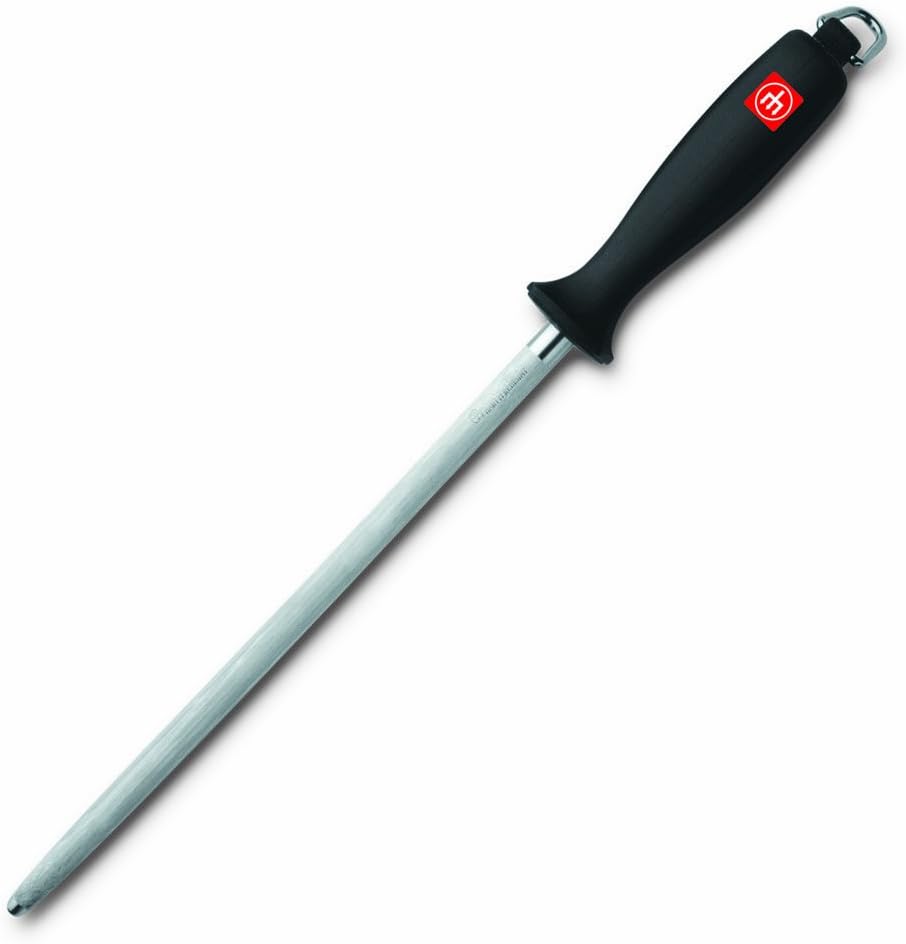
- Honing and Stropping: Do not use a deeply grooved, rough steel honing rod on hard Japanese steel; the aggressive grooves will catch and chip the brittle edge. You must use a smooth Ceramic honing rod to safely realign the microscopic apex of the blade. Better yet, use a leather strop loaded with diamond compound to polish and realign the edge without removing material.
- Safe Storage: The prominent square tip of the Nakiri is highly prone to bending or snapping if carelessly dropped in the sink or thrown into a chaotic utensil drawer. You must store your Nakiri in a dedicated wooden knife block, a wall-mounted magnetic strip, or an in-drawer knife drawer organizer. If you are a traveling chef or caterer, look strictly into purchasing the best knife bag for chefs and utilize hard wooden or plastic edge guards known as sayas.
- Cleaning and Rust Prevention (Carbon Steel Care): Never, ever put a quality knife in the dishwasher, regardless of what the manufacturer claims. The extreme heat ruins the temper, the caustic detergent damages the handle, and the high-pressure water jets bang the delicate edge against ceramic plates. (See our deep-dive article on dishwasher safe knives to understand why this process destroys microscopic edges). Furthermore, if your Nakiri is forged from reactive carbon steel (like Shirogami or Aogami), you must wash and bone-dry it immediately after cutting acidic vegetables (like tomatoes, lemons, or onions). If storing a carbon steel Nakiri for extended periods, wipe the blade down with food-safe Camellia oil (Tsubaki oil) or mineral oil to create an oxygen barrier that prevents aggressive rusting.
External Resource: Witnessing the Nakiri in Action
To truly, fully appreciate the sheer efficiency of the “push cut” technique required to master a Nakiri, reading about it is often not enough. It immensely helps to see it physically performed by a seasoned culinary professional executing rapid-fire chiffonades and brunoises.
We highly recommend taking three minutes to check out this excellent, visually informative demonstration on traditional Japanese Vegetable Knife Skills:
Watch: Nakiri Knife Skills & Push-Cutting Demonstration (YouTube)
Expert Frequently Asked Questions (FAQ)
Technically, yes, the incredibly sharp, flat edge of a Nakiri can certainly slice through boneless, soft meats (like portioning a chicken breast for stir-fry or slicing a cooked steak). However, because it completely lacks a sharp, pointed tip, it is functionally terrible for delicate butchery tasks like piercing tough silver skin, trimming thick fat caps, or meticulously deboning poultry. It is absolutely not ideal for protein. For heavy meat processing, you are vastly better off directly comparing Victorinox vs. Zwilling standard chef knives.
The unique rectangular shape serves two vital geometric purposes. First, it provides a perfectly flat cutting edge, ensuring full, simultaneous contact with the cutting board to completely eliminate stringy, uncut “accordion” vegetables. Second, the tall, wide, rectangular blade face acts as a highly efficient, built-in bench scraper, allowing the chef to easily and safely scoop up massive piles of freshly chopped vegetables to transfer them rapidly to a hot wok or stockpot.
While they look visually identical to a layman, their geometry is totally different. The Nakiri is double-beveled (meaning it is sharpened symmetrically on both sides of the blade, like a Western “V” shape). This makes it highly intuitive, durable, and easy for home cooks to steer straight. The Usuba is strictly single-beveled (sharpened entirely on one side like a chisel). The Usuba is significantly heavier, much harder to sharpen, and is used almost exclusively by highly trained professional Japanese chefs to execute incredibly intricate, paper-thin decorative cuts, such as the famous rotary katsuramuki peeling technique. A single bevel will naturally drift to one side when cutting, requiring great skill to master.
Yes, surprisingly so! Because it forces the user to learn the proper “push-cut” rather than developing bad habits with lazy “rock chopping,” it encourages excellent fundamental knife skills. Furthermore, the blunt tip is a fantastic safety feature for beginners who are nervous about sharp, pointed chef knives. A 165mm Nakiri is highly controllable and unintimidating.
Those dimples are known as a “Granton edge” or, in traditional Japanese forging, a “Tsuchime” (hammered) finish. When you slice wet, starchy vegetables like potatoes, zucchini, or cucumbers, the moisture creates a vacuum seal against a flat steel blade, causing the slices to aggressively stick and fly all over your cutting board. The dimples create tiny air pockets that break this vacuum, allowing the slices to fall cleanly away from the knife as you chop.
It is generally not recommended to use a high-end, thin Japanese Nakiri for massively dense, hard-skinned vegetables like butternut squash, pumpkin, or large turnips. The blades are ground extremely thin to slide through onions and tomatoes, but that thinness makes them fragile. If the knife gets wedged in a hard squash and you accidentally twist the handle to free it, you can easily snap the blade or cause a massive chip in the edge. For hard squashes, use a thick, heavy, cheaper Western chef’s knife or a heavy cleaver.
Kurouchi translates to “first black” or “blacksmith’s finish.” It is a rustic, unpolished finish left on the upper portion of the blade directly from the forging process. Instead of polishing the entire blade until it is shiny, the blacksmith leaves the dark, scaly carbon residue intact. This not only gives the knife a beautiful, raw, artisanal look, but the Kurouchi finish actually helps protect carbon steel knives from rusting.
This depends entirely on your usage volume and the hardness of the steel (HRC). For a home cook using a premium VG-10 or carbon steel Nakiri daily, honing the edge with a ceramic rod once a week will keep the blade aligned. A full sharpening session on a whetstone is usually only necessary every 3 to 6 months. Remember, Japanese steel holds its edge vastly longer than softer German steel, but when it finally goes dull, it requires whetstones to restore, not a pull-through gadget.
If you are a dedicated vegetarian, a vegan, or simply a health-conscious cook who preps massive volumes of daily stir-frys, giant salads, and root vegetables, absolutely yes. The flat geometry fundamentally reduces your prep time, ensures more uniform cooking times for your ingredients, and virtually eliminates wrist fatigue. However, if you rarely cook vegetables and eat mostly processed foods or large cuts of meat, stick to a versatile Chef’s knife. Check our extensive, unbiased reviews of Henckels vs. Victorinox to see exactly which global brands offer the absolute best entry-level Nakiris to test the waters before investing in luxury Japanese steel.