10 Best Skinning Knives for Deer: The Ultimate Field Dressing Guide
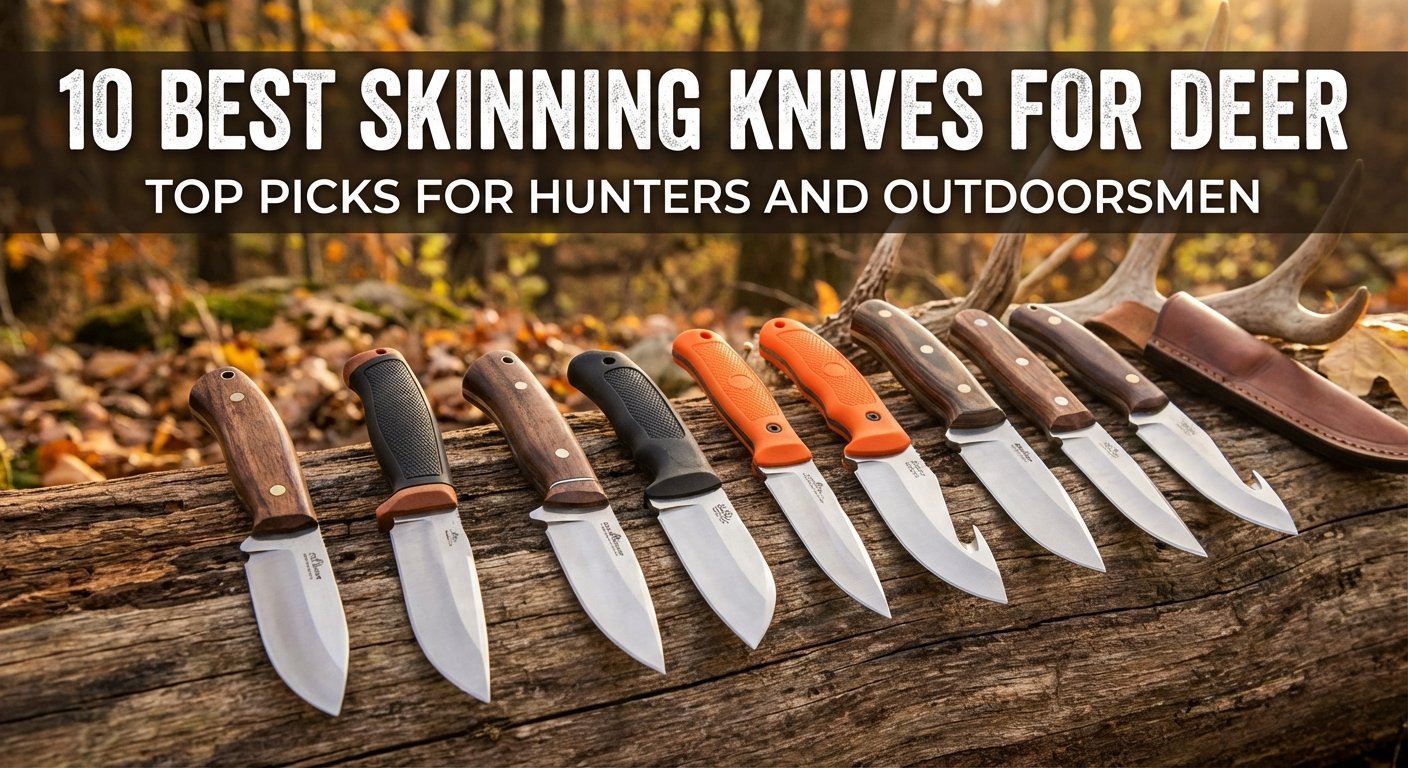
A clean harvest demands a precise tool. We’ve tested and analyzed the top blades on the market to help you find the perfect companion for your next hunt.
Introduction: The Importance of the Right Tool
Every hunter knows that the real work begins after the shot is fired. Field dressing and skinning a deer is a ritual that requires patience, skill, and, most importantly, the right equipment. Using a dull, cumbersome, or poorly designed knife can turn the joy of the harvest into a frustrating ordeal, potentially damaging the meat or the hide.
When selecting the 10 best skinning knives for deer, we aren’t just looking for sharpness. We are looking for edge retention, ergonomic handles that grip well when wet, and blade geometries specifically designed to separate hide from fascia without puncturing the gut. Whether you prefer the classic craftsmanship found in Buck Knives or the modern replaceable blade technology that has taken the industry by storm, this guide covers it all.
We have categorized these knives based on steel quality, handle materials, and overall field performance. From budget-friendly options that rival brands like M-Tech to premium steels similar to what you might find in a Kershaw Blur S30V review, we break down what works best for the whitetail woods.
Quick Comparison: Top Picks at a Glance
| Knife Model | Blade Type | Steel | Best For |
|---|---|---|---|
| Havalon Piranta-Edge | Replaceable | Surgical Steel | Precision & Speed |
| Buck 113 Ranger Skinner | Fixed Drop Point | 420HC | Classic Durability |
| Benchmade Hidden Canyon | Fixed Trailing | CPM-S30V | Premium Edge Retention |
| Outdoor Edge RazorPro | Hybrid/Replaceable | 420J2 | Versatility (Gut Hook) |
| ESEE Ashley Game Knife | Fixed Drop Point | 1095 Carbon | Bushcraft/Hunting Crossover |
Buying Guide: How to Choose a Deer Skinning Knife
Before diving into the specific reviews, it is essential to understand the anatomy of a great skinning knife. Unlike tactical knives—such as the SOG-TAC XR—hunting knives prioritize sweeping bellies and slicing geometry over piercing power.
1. Blade Shape: Drop Point vs. Trailing Point
For skinning, you generally want a deep belly. A trailing point or a swept skinner allows for long, sweeping strokes that separate large sections of hide efficiently. A drop point is more versatile, allowing you to work around joints and cartilage without accidentally piercing the stomach—a critical error that can spoil meat.
2. Steel Composition
The debate often settles between stainless steel and carbon steel.
- Premium Stainless (CPM-S30V, S90V): Excellent rust resistance and holds an edge for multiple deer. Similar to the performance seen in our Spyderco Caribbean review, these steels resist corrosion from blood and sweat.
- High Carbon (1095): Easier to sharpen in the field but requires oil to prevent rust. This is a favorite for survivalists, as seen in the ESEE JG3 review.
- Replaceable Blades: The modern solution. When the blade dulls, you swap it out. No sharpening required in the field.
3. Handle Ergonomics
Field dressing is messy. Blood, fat, and rain make handles slippery. Look for materials like Micarta, G10, or textured rubber (checking). A classic wood handle looks great but can become slick. If you are used to the grip on a tactical folder like the ZT Knife, you’ll appreciate the textured G10 scales found on modern hunting knives.
Beyond the raw material, the actual shape of the handle matters just as much as what it is made from. A handle that swells slightly in the palm and tapers toward the guard gives you a natural pivot point, letting your wrist do the work instead of your forearm. Hunters with larger hands often find that slim, minimalist handles like those found on some ultralight skinners force a pinch grip that fatigues quickly during a long skinning session, especially on a big-bodied buck or a mature bull elk. Conversely, an oversized handle can feel clumsy when you need to choke up close to the blade for detail work around the eyes and ears during caping. The best all-around designs offer a subtle palm swell with enough real estate for a full four-finger grip, plus a slight forward or rearward guard to keep your hand from sliding onto the edge when the handle gets slick with blood and tallow.
4. Blade Length and Thickness
It is tempting to assume that a bigger blade does more work, but skinning knives actually benefit from staying relatively short and thin. Most dedicated deer skinners run somewhere between 3 and 4.5 inches of cutting edge, which is plenty to open the hide, work around the legs, and separate the cape without the tip becoming unwieldy in tight spaces like the brisket or pelvic girdle. A thin blade stock, typically in the range of 0.08 to 0.12 inches, glides through connective tissue with far less resistance than the thick stock found on survival or bushcraft knives such as the KA-BAR Becker BK2 further down this list. That extra thickness is wonderful for batoning wood or prying, but it is a liability when you are trying to make delicate cuts along the hide without nicking the meat underneath. If you plan to also break down the carcass into quarters or split the pelvis, a secondary knife with a thicker spine and more length, or a dedicated bone saw, is a smarter choice than forcing a thin skinning blade to do a job it was never designed for.
5. Full Tang vs. Partial Tang Construction
Tang construction is one of those specifications that rarely gets discussed but has a real impact on durability. A full tang knife, where the steel of the blade runs the entire length of the handle and is visible along the spine and butt, distributes stress evenly and is far less likely to snap under lateral pressure. This matters more than people realize when a knife tip gets caught in a joint and you have to twist to free it. Partial tang or push tang knives, where a narrower rod of steel is inserted into a separately molded handle, can still be perfectly serviceable for light skinning duty, and many replaceable-blade systems like the Havalon Piranta-Edge use this construction by necessity since the blade itself is disposable. For a knife you intend to pass down or use hard for a decade of hunting seasons, full tang fixed blades remain the gold standard for peace of mind.
6. Weight and Balance
A knife that feels great sitting in a display case can feel completely different an hour into processing a deer in the field. Weight matters less in absolute ounces and more in how that weight is distributed. A blade-heavy knife wants to do the cutting for you on long draw strokes, which is useful for the sweeping motions needed to separate hide from the back and hams. A handle-heavy or neutrally balanced knife offers more control for the fiddly work around joints, the skull, and the pelvis. Ultralight options like the Havalon Piranta-Edge, which weighs just a few ounces, are appreciated by backcountry and mountain hunters who count every gram in a pack, while a knife like the KA-BAR Becker BK2 trades that lightness for the heft needed to push through bone.
7. Corrosion Resistance in Real Hunting Conditions
Blood, fat, stomach acid, and rain form a genuinely corrosive environment, and it only takes one overnight in a wet pack to see surface rust bloom on an improperly cared-for carbon steel blade. Stainless alloys such as 420HC, 420J2, CPM-S30V, and laminated VG10 hold up far better to this kind of neglect, which is why so many dedicated hunting knives lean stainless rather than the high-carbon steels favored by bushcraft and survival blades. That said, no steel is entirely immune to rust, and even premium stainless benefits from a quick wipe-down and light oiling before it goes back in the pack. If you hunt in consistently wet climates, coastal regions, or humid river-bottom terrain, prioritizing a stainless or laminated blade will save you considerable maintenance headaches compared to a plain carbon steel option like 1095.
In-Depth Reviews: The 10 Best Skinning Knives
1. Havalon Piranta-Edge

The Havalon Piranta changed the game for skinning knives. Originally inspired by taxidermy scalpels, this knife uses replaceable surgical-steel blades. It is incredibly lightweight and offers the sharpest edge possible—because every time it dulls, you just snap on a new one.
What sets the Piranta-Edge apart from many other replaceable-blade competitors is the locking mechanism that holds the blade in place. Early replaceable-blade knives earned a reputation for wobbly, unreliable blade retention, but Havalon’s design uses a bolt-and-lever system that keeps the blade rock solid during use while still allowing a tool-free swap in the field. Because the blade itself is disposable, this knife is particularly well suited to hunters who process several deer per season, or who guide for others, since there is no need to interrupt a busy day of skinning to stop and resharpen. It has also become a favorite among competition hunters and meat processors who prioritize raw speed above all else. The primary tradeoff, as noted in the cons above, is that the thin surgical blades are not meant to contact bone or cartilage under any circumstances, and users accustomed to a traditional fixed blade sometimes need a session or two to adjust their technique before they stop breaking blades on accidental joint contact.
Blade Material: Stainless Surgical (Replaceable)
Handle: ABS Plastic
|
Pros
|
Cons
|
2. Buck 113 Ranger Skinner
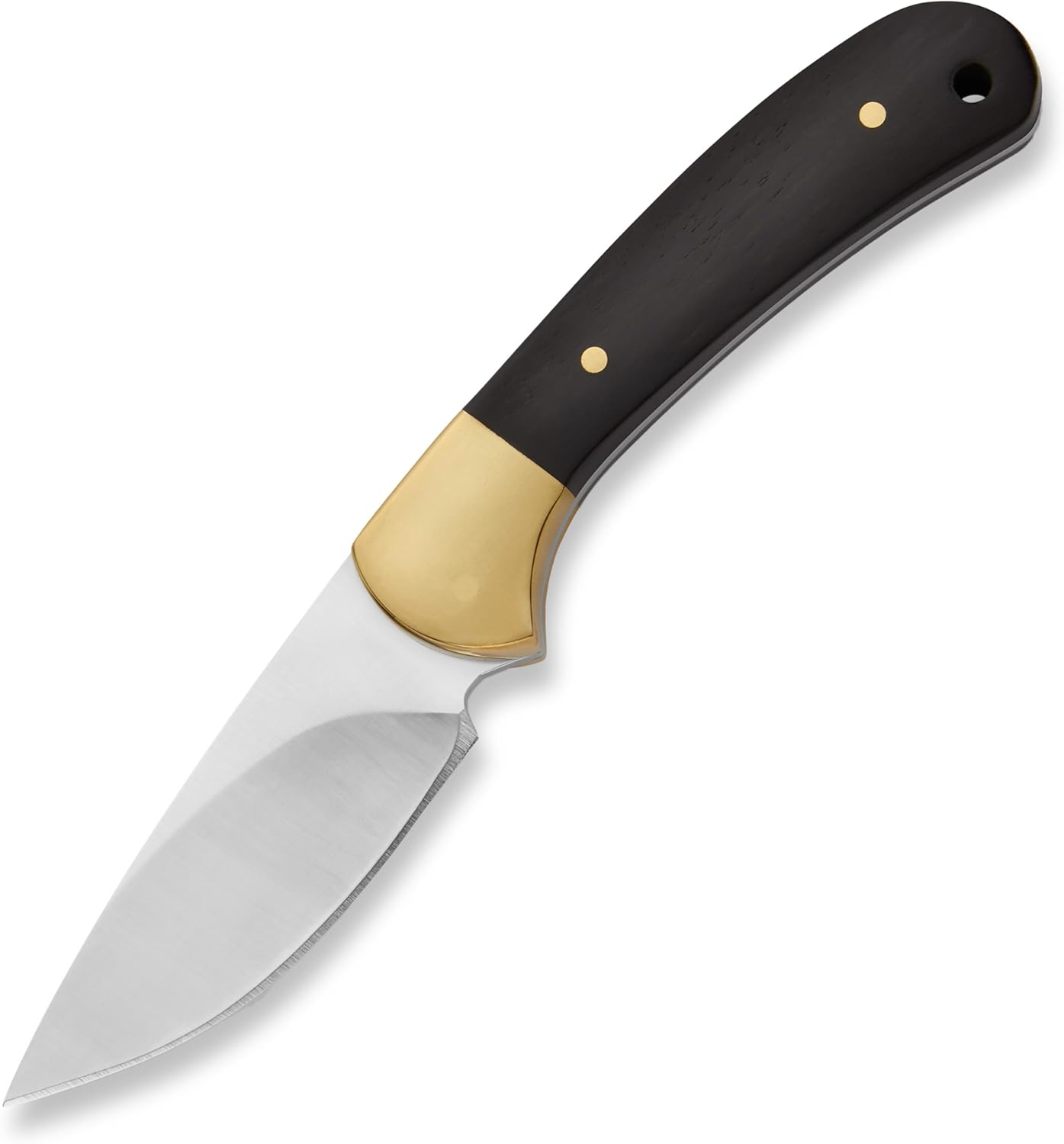
When you think of deer hunting, you likely think of Buck Knives. The 113 Ranger Skinner is a hybrid between their classic Vanguard and the legendary Ranger. It features a compact drop point blade made of 420HC steel, famous for its ease of sharpening and durability. The walnut handle provides a warm, traditional feel that improves with age.
Unlike lighter folders or the sleek Victorinox Cadet, this is a dedicated fixed blade built solely for processing game.
The 113 Ranger Skinner has been in continuous production for decades, and that longevity is a testament to how well the original design solved the core problems of deer skinning. The clip point profile gives the tip enough control for careful work around joints, while the deep belly still provides efficient sweeping cuts along the body. Buck’s in-house heat treatment on 420HC consistently outperforms 420HC from other manufacturers, landing in the 58 HRC range on the Rockwell hardness scale, which strikes a genuinely good balance between edge retention and ease of field sharpening. Hunters who grew up using a Buck knife often stick with the brand for life, not out of nostalgia alone but because the fit and finish have remained consistently high across generations of the product line. For a hunter buying their first dedicated skinning knife, the 113 Ranger Skinner is frequently the knife recommended by outfitters and old-timers alike, precisely because it does not try to reinvent the category.
Blade Material: 420HC Stainless
Handle: American Walnut
|
Pros
|
Cons
|
3. Benchmade Hidden Canyon Hunter

For those who appreciate modern metallurgy, the Benchmade Hidden Canyon Hunter is a top-tier choice. It utilizes CPM-S30V (or S90V in newer Select models), a premium powdered steel that holds an edge significantly longer than standard stainless. The design is short and stubby with a massive belly, allowing you to use your index finger along the spine for ultimate control.
Benchmade built this knife specifically for the whitetail and western big game hunting market, and it shows in the small details. The exaggerated belly maximizes cutting surface in a compact package, meaning you can cape a head and skin a full-sized deer with the same knife without feeling undergunned in either task. The jimping along the spine is aggressive enough to lock your thumb or index finger in place even with a wet, bloody grip, which becomes noticeable during the second or third hour of processing multiple animals. Benchmade also backs the Hidden Canyon Hunter with their LifeSharp service, which offers free sharpening and maintenance for the life of the knife, a benefit that partially offsets the higher upfront cost for hunters who plan to keep the knife for many seasons. The horizontal sheath, while a slight adjustment for hunters used to a vertical drop-leg carry, keeps the knife riding high and out of the way during the physical work of dragging or quartering a deer.
Blade Material: CPM-S30V
Handle: Stabilized Wood or G10
|
Pros
|
Cons
|
4. Outdoor Edge RazorPro

The RazorPro solves the “dull knife” problem similarly to Havalon but adds robustness. It features a two-blade system: a main replaceable blade for skinning and a dedicated zipper blade (gutting blade) that opens the deer like a zipper without piercing the stomach. It’s a complete field dressing system in one handle.
The zipper blade deserves special mention because it solves one of the most nerve-wracking parts of field dressing for less experienced hunters: opening the abdominal cavity without nicking the intestines or bladder. The rounded, blunt-tipped gut hook design rides just under the hide, using the hide itself as a guide, and physically cannot puncture the stomach wall the way a standard pointed blade can if you lose concentration for a moment. This makes the RazorPro a particularly good choice for hunters mentoring a young or new hunter through their first deer, since it removes a major source of anxiety from the process. Outdoor Edge sells replacement blade cartridges in multi-packs, and the blade change mechanism, while requiring slightly more force than the Havalon system, results in a noticeably more secure lockup that many users report feeling more confident about when working near bone.
Blade Material: Japanese 420J2 (Replaceable)
Handle: Rubberized TPR
|
Pros
|
Cons
|
5. ESEE Ashley Game Knife (AGK)

Designed by Ashley Emerson, this knife is a no-nonsense tool. ESEE is known for survival blades (like the ESEE JG3), but the AGK is pure hunter. The handle scales are Micarta, offering a grip that actually gets stickier when wet/bloody. The 1095 carbon steel is tough and easy to sharpen in the field with a simple stone.
What separates the AGK from a typical survival knife pressed into hunting duty is the blade geometry. Rather than a general-purpose flat grind, Ashley Emerson designed the blade specifically around the sweeping strokes and belly needed for efficient skinning, drawing on decades of personal hunting experience. The 1095 steel, while it does require diligence to prevent rust, rewards that maintenance with an edge that is genuinely easy to bring back to hair-popping sharpness with nothing more than a pocket stone, which matters a great deal on a multi-day backcountry hunt where you cannot rely on carrying a full sharpening kit. ESEE’s no-questions-asked lifetime warranty is also one of the most generous in the entire knife industry; if the blade ever breaks under normal use, the company will replace it free of charge, which gives buyers real confidence in pushing the knife hard in the field.
Blade Material: 1095 High Carbon
Handle: Canvas Micarta
|
Pros
|
Cons
|
6. KA-BAR Becker BK2 Campanion

Sometimes you need a tank. While the KA-BAR Dozier is a great budget folder, the Becker BK2 is a fixed blade beast. While slightly thick for delicate caping, it excels at splitting the brisket and pelvis—tasks that would destroy a lesser knife. If you hunt large whitetail or elk and need one tool to do it all, this is it.
Blade Material: 1095 Cro-Van
Handle: Grivory
|
Pros
|
Cons
|
7. Old Timer 152OT Sharpfinger

You cannot write a list of skinning knives without the Sharpfinger. It has skinned more deer in America than perhaps any other knife. The upswept blade shape is unique and perfectly suited for slicing hide. It’s an budget-friendly classic, often available through distributors like Blue Ridge Knives.
Blade Material: 7Cr17MoV High Carbon Stainless
Handle: Sawcut Handle
|
Pros
|
Cons
|
8. Knives of Alaska Alpha Wolf

Knives of Alaska makes tools specifically for professional guides. The Alpha Wolf uses D2 tool steel, which is incredibly hard and holds an edge for a very long time. It features a slender profile that acts like a rigorous boning knife but is sturdy enough for skinning.
Blade Material: D2 Tool Steel
Handle: SureGrip
|
Pros
|
Cons
|
9. Gerber Vital Pocket Folder

If you prefer a folding knife but want the replaceable blade technology, the Gerber Vital is the answer. The high-vis orange handle ensures you won’t lose it in the leaves—a common issue with darker tactical knives like the Cold Steel Wild West Bowie (though the Bowie is a very different beast). The blade exchange mechanism is one of the safest on the market.
Blade Material: Replaceable #60 Razor
Handle: Rubber over-mold
|
Pros
|
Cons
|
10. Fallkniven F1 (or S1)

Originally designed as a survival knife for Swedish Air Force pilots, the Fallkniven F1 (and its larger sibling, the Fallkniven S1) is an exceptional hunting knife. The laminated VG10 steel is convex ground, which separates meat aggressively while maintaining a strong edge. It is a minimalist masterpiece.
Blade Material: Laminated VG10
Handle: Thermorun
|
Pros
|
Cons
|
Step-by-Step: How to Skin a Deer with Any of These Knives
Regardless of which knife you choose from the list above, the fundamentals of an efficient skinning job stay the same. Knowing the sequence in advance saves time in the field and reduces the number of accidental nicks in the hide, which matters if you plan to tan it or if you are caring for a cape destined for the taxidermist.
Step 1: Hang or Position the Deer
Most experienced hunters prefer to hang the deer by the hind legs from a gambrel, which uses gravity to help pull the hide away from the carcass as you work. If you do not have access to a hoist or a tree limb strong enough to hold the weight, skinning on the ground with the deer on its back works too, though it requires more repositioning and is harder on the knees and lower back. Either way, make sure you have a clean, stable surface and good lighting before you make your first cut.
Step 2: Make the Initial Hide Cuts
Starting at the hocks, make a circular cut around each leg just below the joint, then run a straight cut down the inside of each leg to meet the main body cavity incision. A drop point blade like the one on the Buck 113 Ranger Skinner is ideal here because the rounded tip resists accidentally puncturing the muscle beneath the hide. Keep the edge angled slightly outward, blade tip up, so you are cutting hide rather than meat.
Step 3: Separate the Hide from the Carcass
This is where a knife with a generous belly, such as the Old Timer Sharpfinger or the ESEE Ashley Game Knife, earns its keep. Use long, sweeping strokes to separate the hide from the underlying fascia, working from the hindquarters toward the front shoulders. Keep tension on the hide with your free hand and let the edge do the work rather than sawing, which tends to tear the connective tissue and leave more fat and membrane stuck to the meat than necessary.
Step 4: Work Around the Front Shoulders and Neck
The shoulders require more careful, controlled cuts because the hide is thicker and more tightly adhered in this region. A shorter, more maneuverable blade in the 3 to 4 inch range, like the Benchmade Hidden Canyon Hunter, gives you better control for these tight, detailed cuts compared to a longer blade that wants to travel further than you need it to.
Step 5: Cape the Head (If Mounting)
If you intend to have the deer mounted, caping requires the most precision of any step in the process. This is where replaceable-blade knives like the Havalon Piranta-Edge genuinely shine, since a scalpel-sharp edge lets you work delicately around the eyes, nose, and ears without tearing the thin hide in these areas. Take your time here; a rushed cape job is one of the most common reasons taxidermists have to charge extra repair fees.
Step 6: Final Trim and Cleanup
Once the hide is fully removed, go back over the carcass to trim away any remaining membrane, hair, or loose fat that could taint the meat during cooling. A knife that still holds a working edge after all this cutting, rather than one that has gone dull halfway through, makes this final pass considerably faster.
Sharpening and Maintenance: Keeping Your Skinning Knife Field-Ready
A knife is only as good as its edge, and skinning work dulls a blade faster than most other cutting tasks because of the abrasive nature of hide and hair. Understanding how to maintain your edge, both in camp and at home, will extend the life of any knife on this list.
Choosing the Right Sharpening Angle
Most hunting knives are ground somewhere between 17 and 22 degrees per side. A more acute angle, closer to 15 degrees, produces a scalpel-like edge that excels at push cuts through hide but can roll or chip if it contacts bone. A slightly more obtuse angle, closer to 20 to 22 degrees, sacrifices a small amount of initial sharpness for an edge that holds up better to the incidental contact with bone and cartilage that happens during field dressing. Premium powdered steels like the CPM-S30V found on the Benchmade Hidden Canyon Hunter can support a thinner edge angle than a softer steel like 420HC without chipping, thanks to their finer grain structure.
Field Sharpening Tools
A compact diamond stone or ceramic rod is worth its negligible weight in a hunting pack. Touching up an edge with a few light passes after each animal, rather than waiting until the blade is visibly dull, keeps the steel performing at its best and reduces the total number of strokes needed over a full sharpening session at home. Carbon steel blades such as the 1095 found on the ESEE Ashley Game Knife are notably easier to touch up in the field than harder tool steels like the D2 on the Knives of Alaska Alpha Wolf, which tend to require more passes and a coarser abrasive to remove the same amount of material.
At-Home Maintenance
After a hunt, a full sharpening session on a bench stone or guided sharpening system will restore a proper edge geometry that field touch-ups cannot fully replicate. Work through progressively finer grits, and finish with a leather strop if you want a truly polished, hair-popping edge. For replaceable-blade systems like the Havalon Piranta-Edge and Outdoor Edge RazorPro, maintenance is simpler still: rather than sharpening, you simply swap in a fresh blade, though it is still worth keeping the handle and locking mechanism clean and lightly lubricated.
Storage Between Seasons
Carbon steel blades should never be stored in a leather sheath for extended periods, since leather retains moisture and will encourage rust to form even on an otherwise well-maintained blade. A light coat of mineral oil or a rust-inhibiting spray, combined with storage in a dry environment, will keep any of the knives on this list ready to go when next season rolls around. Stainless and laminated blades are more forgiving of imperfect storage conditions, but a quick wipe-down and oiling before putting a knife away for the off-season is good practice regardless of steel type.
Budget Breakdown: Best Skinning Knives by Price Tier
Not every hunter wants to spend the same amount on a skinning knife, and thankfully this category offers excellent options at nearly every price point.
Entry-Level (Under $30)
The Old Timer 152OT Sharpfinger remains one of the best values in the entire hunting knife category. Its proven blade geometry has skinned generations of deer, and while the steel is not cutting-edge by modern standards, it sharpens easily and gets the job done reliably for hunters who process one or two deer a season.
Mid-Range ($30 to $80)
This is where most hunters will find their sweet spot. The Buck 113 Ranger Skinner, the Gerber Vital Pocket Folder, and the Havalon Piranta-Edge all fall into this range, offering meaningfully better steel, ergonomics, or convenience over entry-level options without approaching premium pricing.
Premium ($80 and Up)
For hunters who process multiple animals a season or simply want the best available performance, the Benchmade Hidden Canyon Hunter, the Fallkniven F1, and the Knives of Alaska Alpha Wolf represent the top tier of steel quality, fit, and finish. These knives carry a real premium, but the edge retention and overall build quality often justify the investment for serious or professional users like outfitters and guides.
Caping and Taxidermy Considerations
If you are planning to have your deer mounted, the knife you use and the technique you employ during caping matter enormously. Taxidermists routinely see capes ruined by hunters using knives that are too large, too dull, or too aggressive for the delicate work required around the head, ears, and cape line.
For caping specifically, a small, extremely sharp blade with a fine point is far more useful than the larger sweeping blades that work well on the body of the animal. This is precisely the niche the Havalon Piranta-Edge was designed to fill, since its surgical-grade replaceable blade stays sharper for longer than a traditional fixed blade during the many small, precise cuts caping requires. When in doubt about where to cut for a shoulder mount, it is always better to leave extra cape material than to cut too close, since a taxidermist can trim away excess but cannot repair a cape that has been cut too short around the brisket or shoulders.
Cooling the cape as quickly as possible after skinning is just as important as the knife you use. Hair slippage, where the hair begins to fall out due to bacterial growth, can ruin an otherwise perfectly caped deer within hours in warm weather. Salt the flesh side of the cape liberally and get it to a taxidermist or freezer as soon as possible after the skinning process is complete.
Skinning Knife Safety Tips
Field dressing accidents are among the most common injuries reported during hunting season, and the vast majority are entirely preventable with a few basic precautions.
Cut Away From Your Body
It sounds obvious, but fatigue and awkward positioning around joints and the pelvis lead experienced hunters to make this mistake every season. Always position your free hand and body so that if the blade slips, it moves away from you rather than toward you.
Keep the Blade Sharp
Counterintuitively, a dull knife is more dangerous than a sharp one. A dull edge requires significantly more force to cut through hide, and that extra force is exactly what causes a blade to skip or slip unexpectedly. Keeping your knife properly sharpened, as discussed in the maintenance section above, is one of the single best safety investments you can make.
Wear Cut-Resistant Gloves
A pair of thin, cut-resistant gloves worn underneath your regular field gloves adds a meaningful layer of protection without sacrificing the dexterity needed for detailed cuts around joints and the cape. They also offer some protection against bloodborne pathogens, which is a real consideration when field dressing any wild game animal.
Mind Your Grip When Wet
As covered extensively in the handle ergonomics section, a slick, blood-covered handle is a genuine hazard. If you notice your grip becoming unstable, stop and wipe down both your hands and the handle rather than pushing through with a compromised grip.
Left-Handed and Ambidextrous Considerations
Most fixed-blade skinning knives on this list, including the Buck 113 Ranger Skinner, the ESEE Ashley Game Knife, and the Fallkniven F1, are fully ambidextrous since the blade geometry and handle shape do not favor either hand. The consideration for left-handed hunters becomes more relevant with the sheath and any folding mechanisms.
The Gerber Vital Pocket Folder, for example, has a blade exchange button and pocket clip positioned with right-handed users in mind by default, though the mechanism can still be operated by left-handed users with a small adjustment in grip. Fixed-blade sheaths, particularly the horizontal carry design used by the Benchmade Hidden Canyon Hunter, are worth checking closely if you are left-handed, since some horizontal sheaths are molded specifically for a right-hand draw. When in doubt, a simple vertical drop-leg or belt sheath remains the most universally accessible carry option regardless of your dominant hand.
Sheath Materials: Leather vs. Kydex vs. Nylon
The sheath that comes bundled with a skinning knife is often an afterthought for buyers, but it has a real impact on how the knife performs and how long it lasts in the field.
Leather Sheaths
Traditional leather, like what ships with the Buck 113 Ranger Skinner, has a classic look and molds to the blade shape over time. Its main drawback is moisture retention. A blood-soaked leather sheath left closed up in a pack overnight is one of the fastest ways to introduce rust to an otherwise well-maintained carbon or low-alloy stainless blade.
Kydex Sheaths
Kydex, a rigid thermoplastic, is increasingly common on modern hunting knives and offers excellent moisture resistance along with a satisfying, secure retention click. It wipes clean in seconds and never absorbs blood or fat the way leather does, which is a meaningful advantage for a tool that spends its working life covered in exactly those substances.
Nylon and Ballistic Cloth Sheaths
Budget and mid-range knives, including several replaceable-blade systems, often ship with nylon or ballistic cloth sheaths. These are lightweight and inexpensive but generally offer less blade retention security than leather or Kydex, and they can absorb moisture similarly to leather if not dried out between uses.
Watch: Master the Art of Skinning
Having the best knife is only half the battle. Technique is what saves the meat and the cape. Watch this guide to see proper field dressing methods in action.
Honorable Mentions & Alternatives
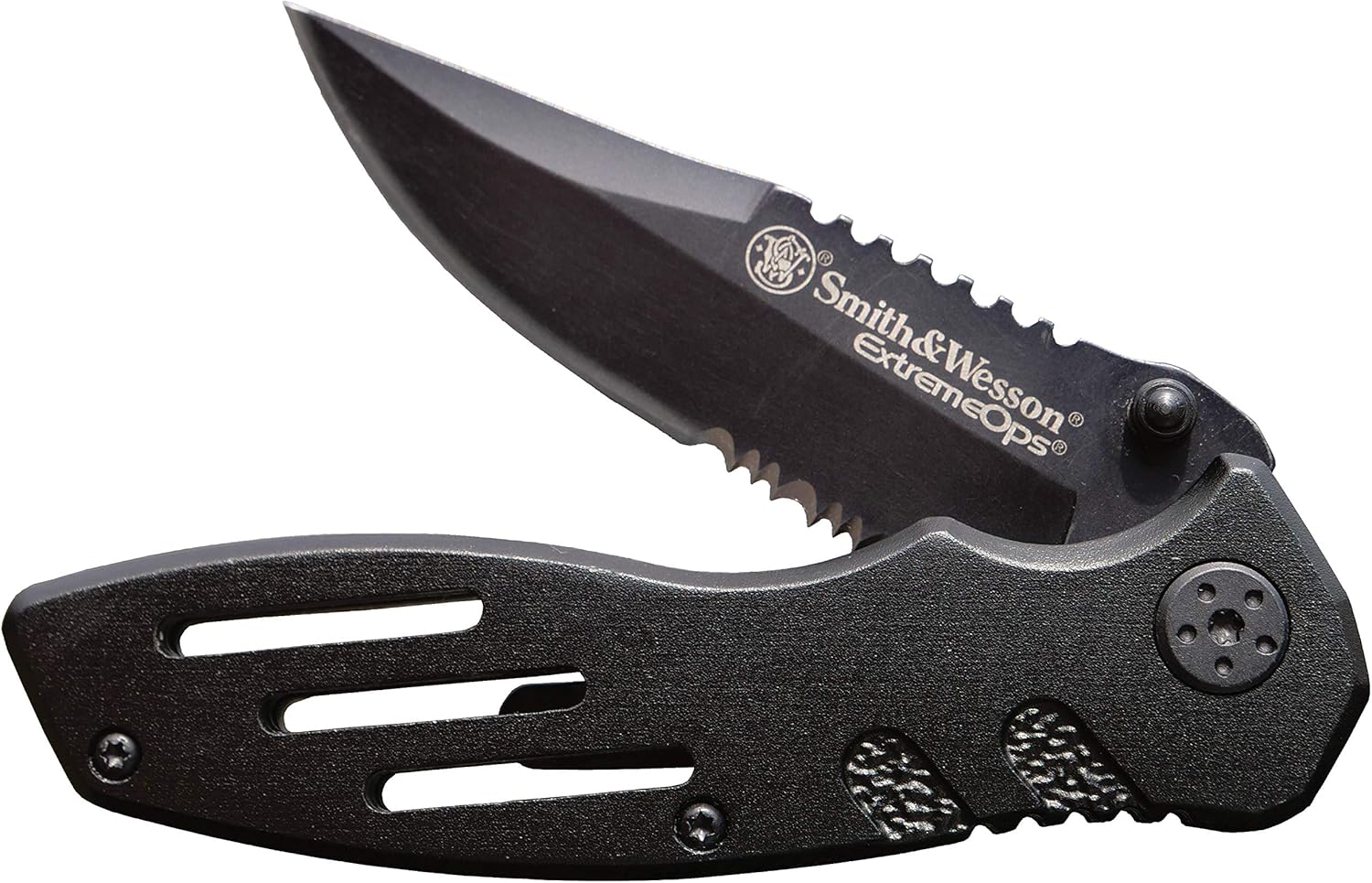
While the list above covers our top picks, the knife world is vast. If you are looking for something lighter for EDC that can double as a backup skinner, the QSP Hawk is a surprising contender with its 14C28N steel. For those who prefer a more tactical crossover, the Smith & Wesson knife reviews often highlight rugged, budget-friendly options that can handle rough abuse, even if they lack the finesse of a dedicated skinner.
Frequently Asked Questions (FAQ)
Final Verdict
Choosing the best skinning knife for deer comes down to your personal hunting style. If you want the ultimate in sharpness and convenience, the Havalon Piranta or Outdoor Edge RazorPro are unbeatable. For those who value tradition and a knife that can be handed down to the next generation, the Buck 113 Ranger or the premium Benchmade Hidden Canyon Hunter are investments worth making.
Remember, a sharp knife is a safe knife. Whichever tool you choose, ensure you maintain it well, and it will serve you faithfully season after season.