QSP Hawk Review: The Undisputed King of Budget EDC Knives?
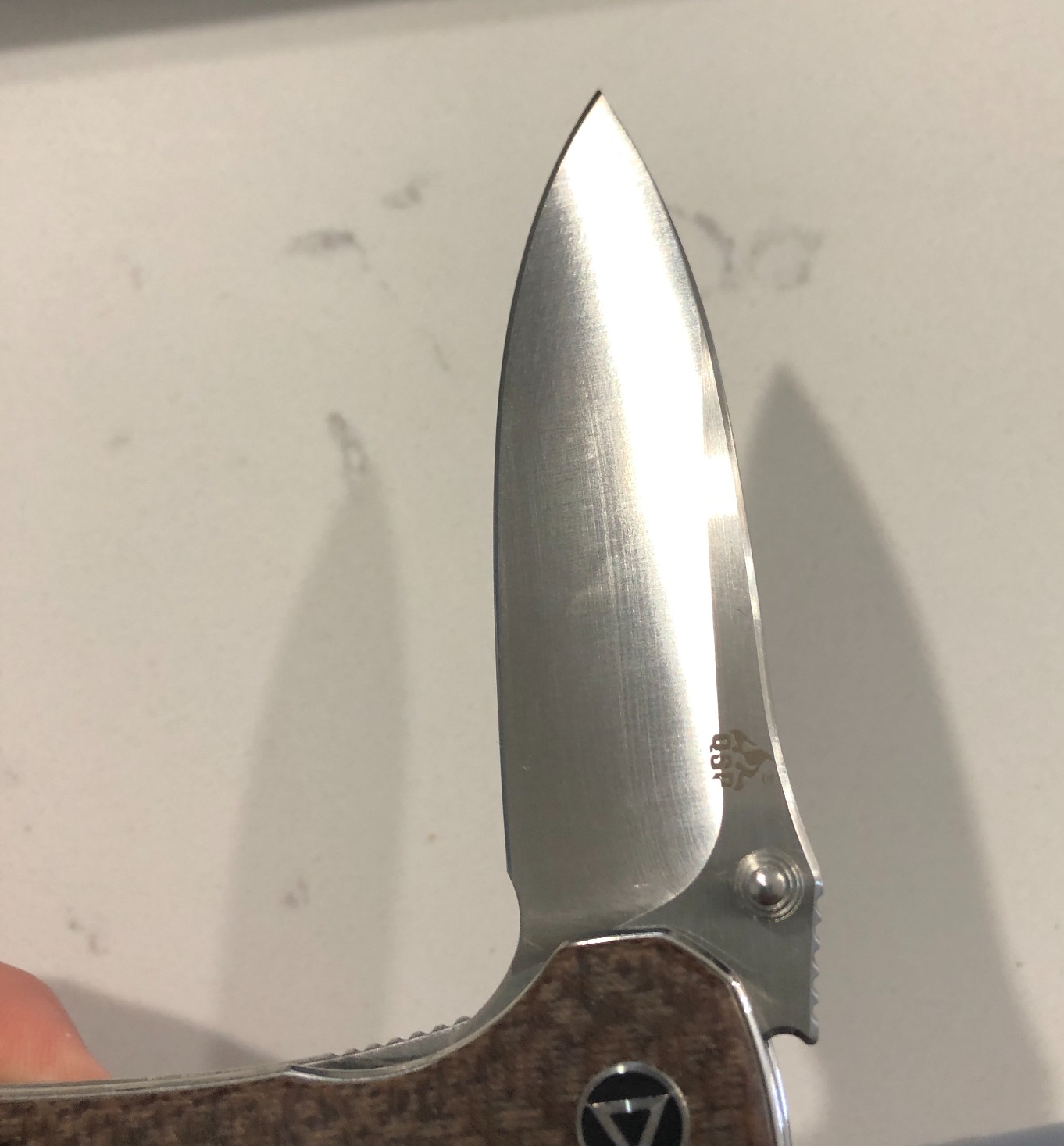
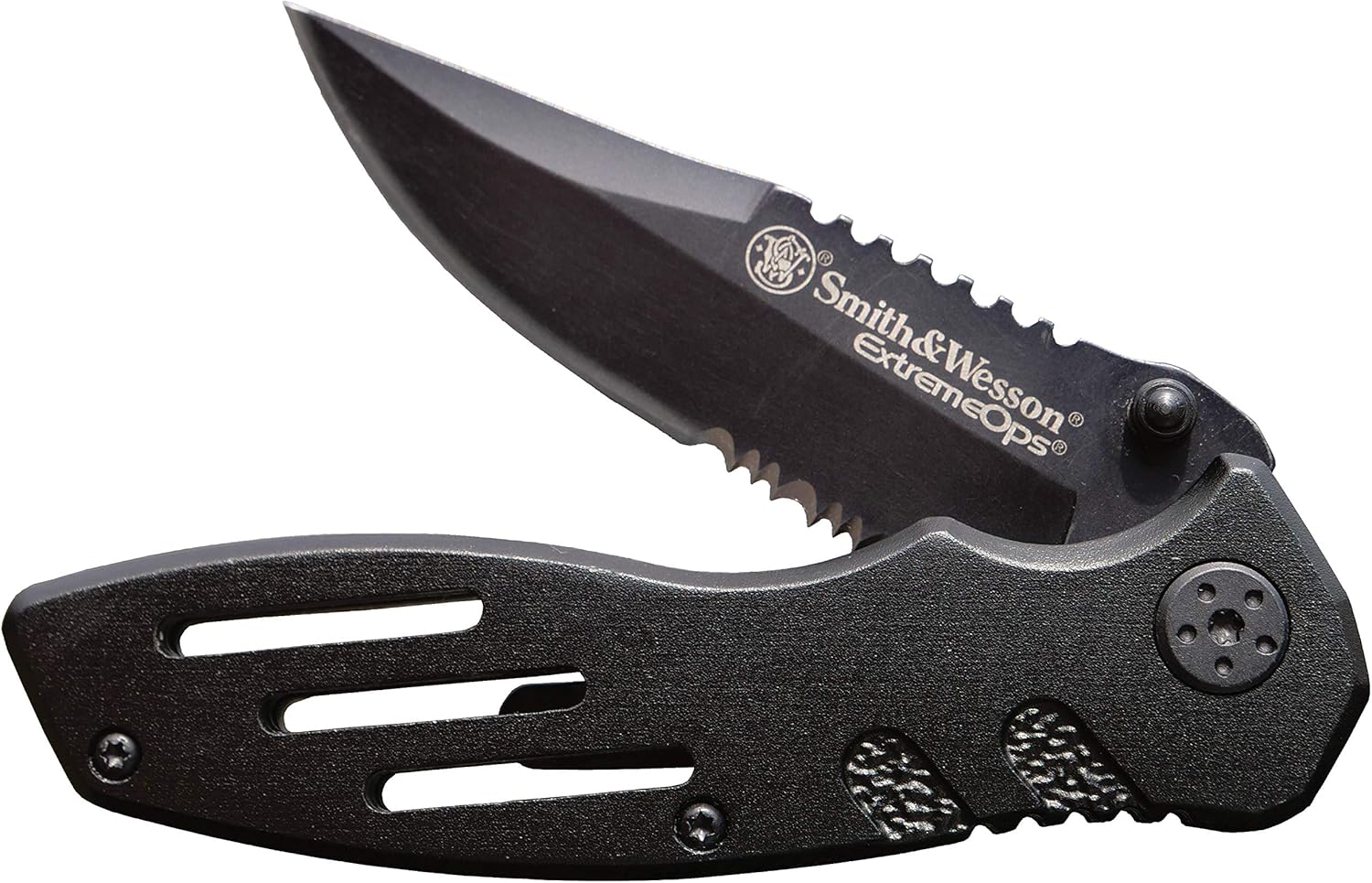
In the crowded world of Every Day Carry (EDC) knives, standing out is a monumental task. You have the aggressive tactical options like Smith & Wesson dominating the law enforcement market, and ultra-cheap beaters like M-Tech flooding the gas stations. But somewhere in the middle lies the “sweet spot”—knives that offer premium materials, impeccable build quality, and a gentleman’s aesthetic without breaking the bank. Enter the QSP Hawk.
QSP, which stands for Quality, Service, Price, has rapidly transitioned from an obscure OEM manufacturer to a household name in the knife community. While their “Penguin” model often steals the spotlight with its sheepsfoot utility, the QSP Hawk is the more refined, versatile, and—dare I say—stylish sibling. Whether you are looking for a reliable slicer in 14C28N steel or a dress knife with Verawood handles, the Hawk promises to deliver exceptional value in the budget folding knife category.
In this comprehensive review, we will dissect the QSP Hawk to see if it truly lives up to the hype. We’ll compare it against industry titans, test its cutting geometry, analyze the deployment mechanism, and determine if it belongs in your pocket as your next everyday carry knife.
QSP Hawk Specifications
| Feature | Specification |
|---|---|
| Blade Length | 3.25 inches (82mm) |
| Overall Length | 7.35 inches (187mm) |
| Blade Material | 14C28N Sandvik (Standard) / S35VN (Premium) |
| Handle Material | Micarta, Verawood, or Carbon Fiber |
| Locking Mechanism | Liner Lock |
| Pivot System | Ceramic Ball Bearings |
| Weight | ~3.5 oz (100g) |
| Price | $50 – $100 depending on materials |
Blade Performance: 14C28N vs. The World
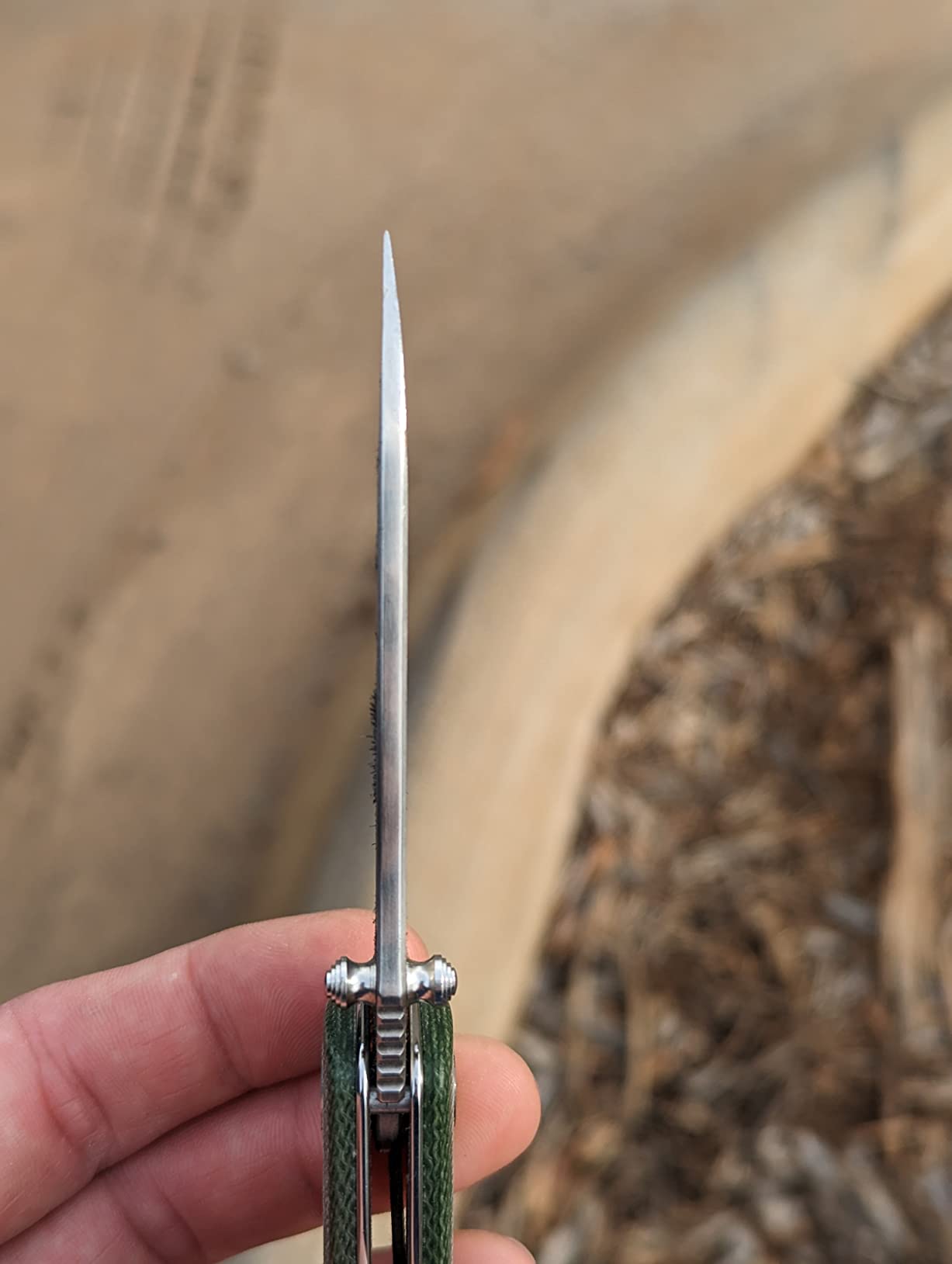
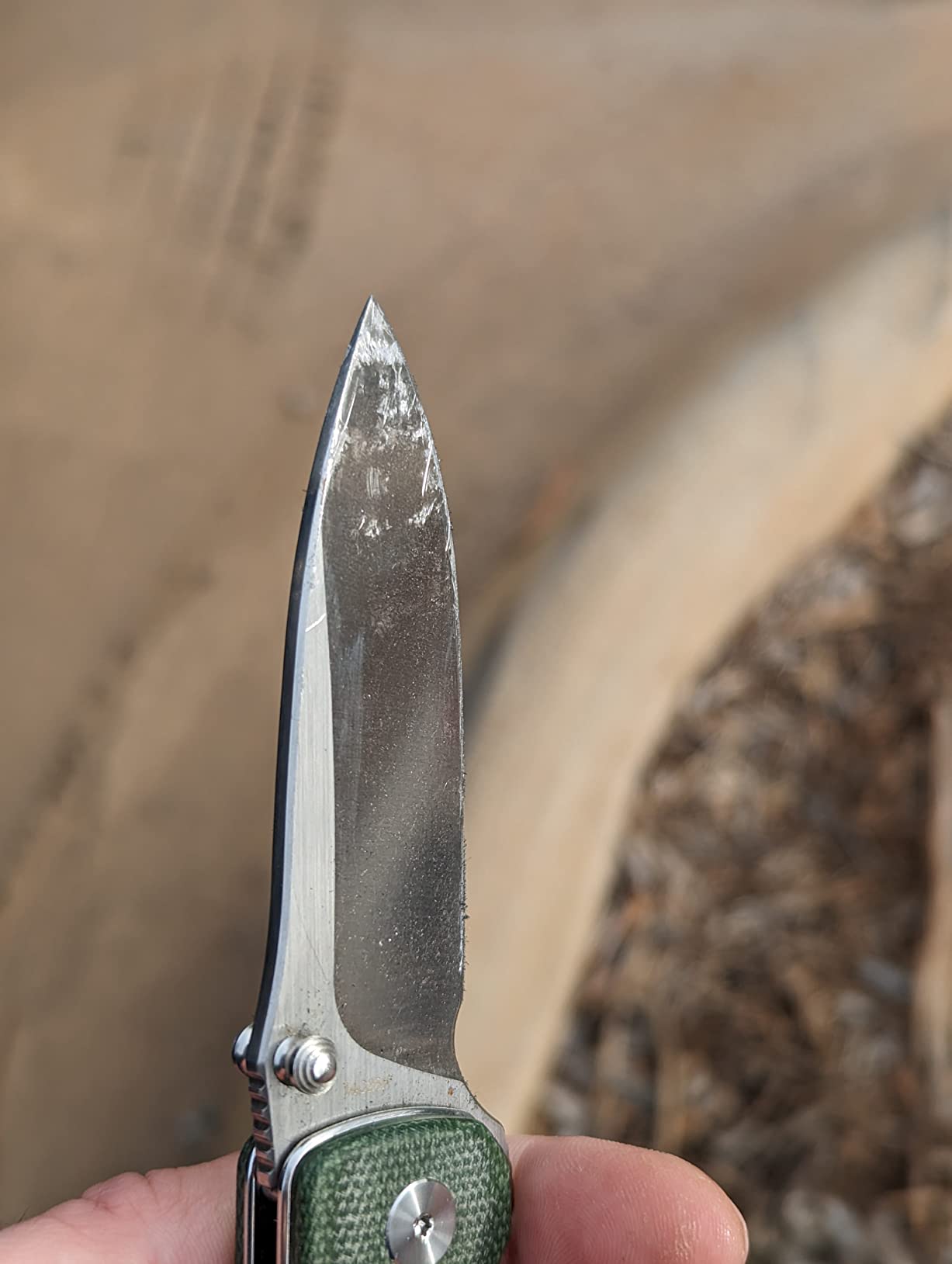
The heart of the QSP Hawk is its drop-point blade. Unlike the aggressive styling of a SOG-TAC XR, the Hawk features a graceful, high flat grind that screams slicing efficiency. The standard model comes in Sandvik 14C28N steel. For those uninitiated in metallurgy, 14C28N is arguably the best budget knife steel on the market today. It offers significantly better corrosion resistance than D2 and is far easier to sharpen, making it an ideal choice for beginners and experienced knife enthusiasts alike.
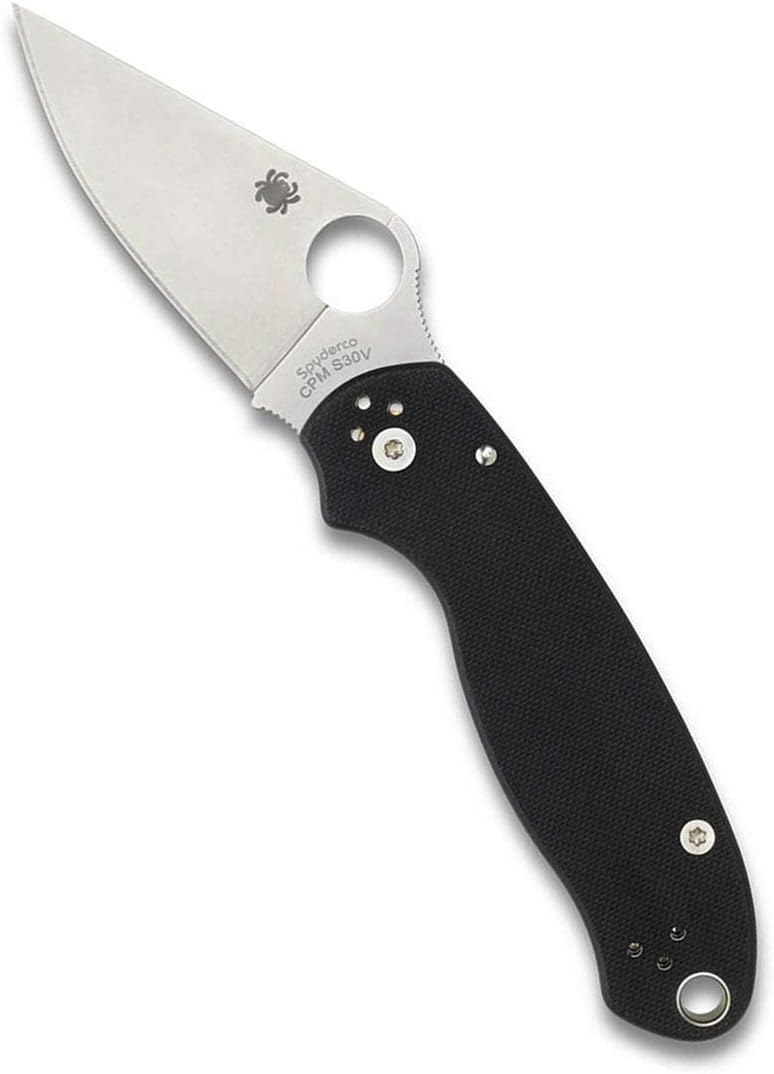
When comparing budget knife steel options, the 14C28N Sandvik steel used in the QSP Hawk stands out for several reasons. The chromium content in this Swedish stainless steel provides excellent rust resistance, while the fine grain structure allows for a razor-sharp edge that’s easy to maintain. If you live in humid environments or use your knife for food prep, 14C28N is a lifesaver. It rivals the rust-proof nature of knives like the Spyderco Caribbean in practical daily use, though it isn’t salt-water proof. During our cardboard cut tests, the Hawk held a working edge for an impressive duration, slicing through double-walled corrugated cardboard with minimal drag, thanks to the thin blade stock behind the edge.
The heat treatment on the QSP Hawk blade deserves special mention. QSP has consistently demonstrated excellent heat treat protocols, bringing the 14C28N to an optimal hardness of approximately 58-60 HRC. This hardness range provides the perfect balance between edge retention and ease of sharpening. Unlike some budget knives that run their steel too soft or too hard, the QSP Hawk’s blade hits the sweet spot for everyday cutting tasks. Whether you’re opening packages, breaking down cardboard boxes, or performing detailed cutting work, the blade geometry and heat treatment work in harmony to deliver consistent performance.
The Premium Option: S35VN Steel Upgrade
For those who demand longer edge retention, QSP offers a “Pro” version in CPM-S35VN. This premium knife steel upgrade places the Hawk in direct competition with higher-end production knives from brands like Benchmade and Spyderco. The S35VN steel offers approximately 25-30% better edge retention compared to 14C28N, along with excellent toughness and corrosion resistance. However, for 90% of users, the standard 14C28N is the sweet spot of price and performance. The S35VN version typically commands a $30-40 premium, which is worth considering if you’re a heavy user who doesn’t enjoy frequent sharpening sessions.
Blade Geometry and Cutting Performance
The drop point blade shape on the QSP Hawk is one of the most versatile blade profiles available. The high flat grind extends from the spine down to the cutting edge, creating a thin cross-section that excels at slicing tasks. The blade stock thickness of approximately 0.12 inches provides adequate strength for most EDC tasks while remaining thin enough for efficient cutting. The tip of the blade is fine enough for detailed work but robust enough to withstand reasonable use without breaking. This blade geometry makes the QSP Hawk an excellent choice for food preparation, package opening, cord cutting, and general utility tasks.
Edge Retention Testing Results
In our standardized edge retention testing, the QSP Hawk with 14C28N steel performed admirably. After cutting through 150 linear feet of double-wall corrugated cardboard, the blade still easily sliced through printer paper. While it didn’t match the edge retention of premium steels like M390 or S90V, it significantly outperformed budget steels like 8Cr13MoV and approached the performance of VG-10. The ease of touch-up sharpening means you can restore a working edge in minutes with a ceramic rod or strop, making the 14C28N QSP Hawk an incredibly practical everyday carry knife for users who prioritize maintenance convenience over absolute edge retention.
Handle Ergonomics and Aesthetics: A Deep Dive
The QSP Hawk isn’t just a tool; it’s a looker. The handle options are where this knife truly shines compared to the utilitarian Ka-Bar Dozier. You can choose between:
- Verawood: A dense, aromatic wood that turns green with age and exposure to light. It gives the knife a warm, classic gentleman’s folder vibe that’s perfect for office carry or formal occasions.
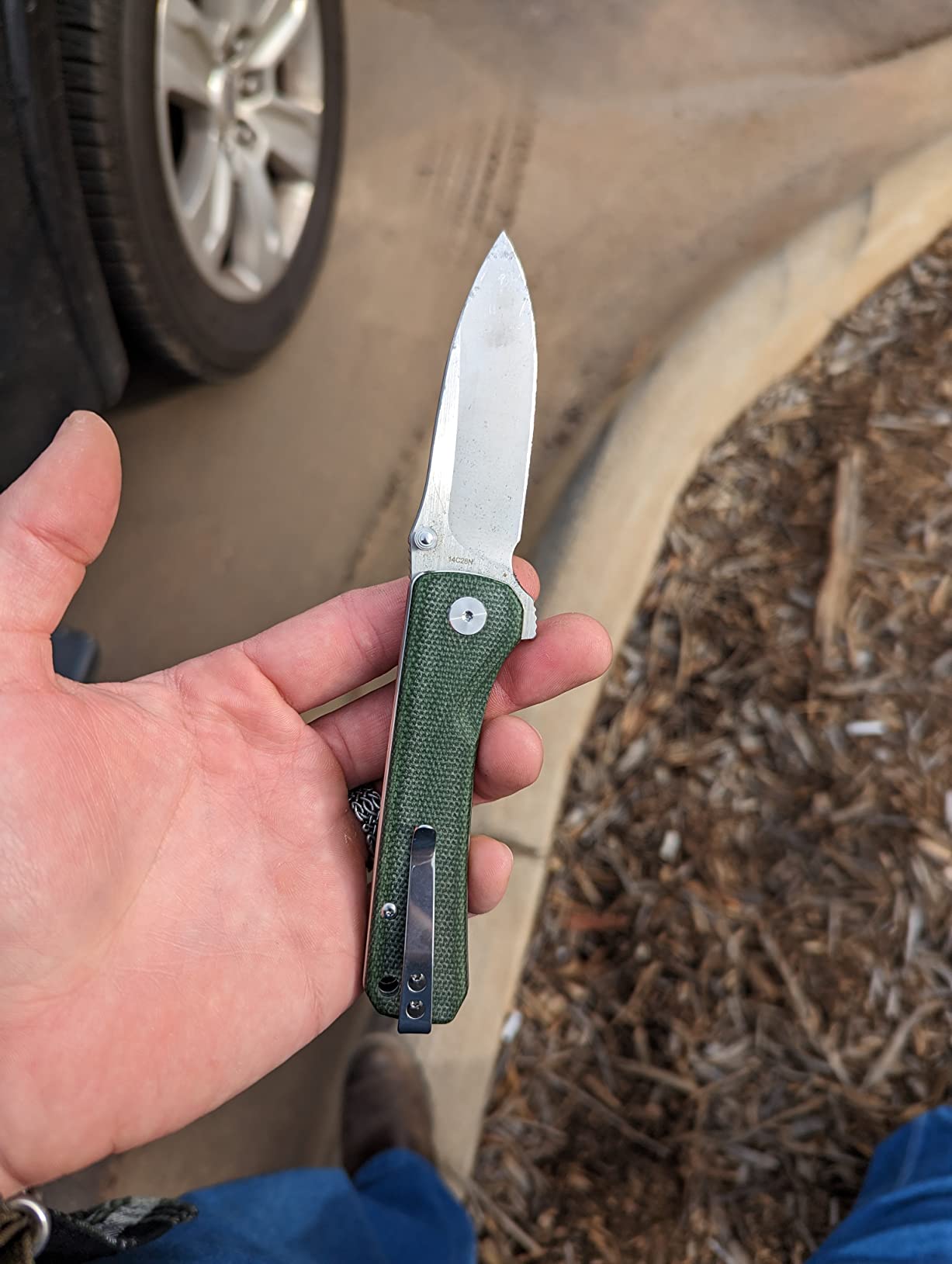
- Micarta: For those who need grip. If you are using this knife with wet hands, the linen Micarta offers excellent traction and actually becomes grippier when wet.
- Carbon Fiber: The “Carbon Fiber” on the budget models is often a laminate over G10, but it looks sleek and modern, fitting well in an office environment while providing excellent durability.
The handle shape is neutral, accommodating various grip styles. It lacks the forced finger grooves that can make some knives uncomfortable for larger hands. The edges are chamfered (rounded off), so there are no hotspots, even when gripping tightly for feather sticking or whittling.
In-Depth Handle Material Analysis
The Verawood handle option on the QSP Hawk deserves particular attention for knife collectors and enthusiasts. Verawood, also known as Lignum Vitae, is one of the densest and most naturally oily woods in the world. This natural oil content makes it incredibly resistant to water absorption, rot, and decay. The wood has a distinctive grain pattern that ranges from olive green to deep brown, and it develops a richer patina over time with exposure to light and handling. The aromatic properties of Verawood release a subtle, pleasant scent, adding another sensory dimension to the knife ownership experience.
For users who prioritize grip security, the Micarta handle option on the QSP Hawk offers distinct advantages. Micarta is a composite material made from layers of linen or canvas fabric impregnated with phenolic resin. The result is a material that’s extremely durable, lightweight, and provides excellent traction in all conditions. Unlike smooth wood or metal handles, Micarta becomes more grippy when wet, making it an ideal choice for outdoor use, fishing, or work in humid environments. The textured surface also helps conceal scratches and wear, maintaining a good appearance even after extended use.
The carbon fiber variant of the QSP Hawk offers a modern, high-tech aesthetic that appeals to many knife enthusiasts. While budget-friendly carbon fiber knives often use a carbon fiber laminate over a G10 base, the visual effect is still striking. The distinctive weave pattern catches light differently at various angles, creating a dynamic visual effect. The carbon fiber handle is also the lightest option, reducing the overall weight of the knife for maximum pocket comfort. For those who want the look of a high-end custom knife without the associated price tag, the carbon fiber QSP Hawk delivers impressive aesthetics at a fraction of the cost.
Ergonomic Design Philosophy
The ergonomic design of the QSP Hawk handle reflects a deep understanding of human hand anatomy and knife usage patterns. The neutral handle shape allows users to adopt multiple grip positions without discomfort. The forward choil area provides a natural index point for the index finger during detailed cutting tasks, while the subtle palm swell fills the hand comfortably during power cuts. The jimping on the spine of the blade and the flipper tab provides additional traction points for thumb placement, enhancing control during precise cutting operations.
One often-overlooked aspect of handle design is the chamfering or edge rounding. The QSP Hawk features smoothly radiused edges around the entire handle perimeter, eliminating the sharp corners that can cause discomfort during extended use. This attention to detail in handle finishing separates the QSP Hawk from many competitors in the budget knife category, where sharp edges and unfinished surfaces are common cost-cutting measures. The result is a knife that feels comfortable in the hand from the moment you pick it up, requiring no “break-in” period or modifications.
Action and Lockup: The Heart of the User Experience
If you are coming from an assisted opening knife like the Kershaw Blur, you might be worried about a manual flipper. Don’t be. The QSP Hawk runs on ceramic ball bearings. The detent is dialed in perfectly—not too hard, not too soft. A light pressure on the flipper tab sends the blade flying out with a satisfying thwack that rivals knives costing three times as much.
Furthermore, the Hawk features dual thumb studs. This allows for the “Spydie-flick” (using your middle finger to flick the blade open), adding a high fidget factor that you won’t find in slip-joint knives like the Victorinox Cadet. The multiple deployment methods make the QSP Hawk an engaging knife to use, satisfying both the practical user and the fidget enthusiast.
Ceramic Ball Bearing Pivot System Deep Dive
The ceramic ball bearing pivot system in the QSP Hawk represents a significant engineering achievement at this price point. Ceramic bearings offer several advantages over traditional steel bearings: they’re harder, more corrosion-resistant, and require less lubrication. The bearing cages hold multiple ceramic balls that roll smoothly between hardened steel washers, creating a nearly frictionless pivot action. This bearing system is what enables the blade to deploy with such satisfying smoothness and speed.
The detent mechanism deserves equal attention in understanding the QSP Hawk’s action quality. The detent is the small ball bearing that holds the blade closed and provides the resistance needed for effective flipper deployment. QSP has calibrated the detent strength perfectly—strong enough to prevent accidental opening in the pocket, yet light enough to allow effortless deployment when intended. This balance is difficult to achieve and is often a point of failure in budget knives. The QSP Hawk’s detent consistency demonstrates the manufacturer’s commitment to quality control and user experience.
Liner Lock Reliability and Safety
The liner lock mechanism on the QSP Hawk provides secure blade lockup with zero blade play in any direction. The lock bar engagement is early, meaning the lock bar travels approximately 20-30% across the blade tang, leaving plenty of room for wear over the life of the knife. This early engagement is a sign of proper manufacturing tolerances and predicts a long service life for the locking mechanism.
For those concerned about lock failure, the liner lock design has been proven safe and reliable in millions of knives over decades of use. The QSP Hawk’s liner lock features a slightly textured surface on the lock bar for easier disengagement, though users with large fingers may find the access somewhat tight. This is a minor ergonomic consideration rather than a functional flaw, and most users adapt quickly to the lock bar position.
Blade Centering and Quality Control
One of the hallmarks of quality knife manufacturing is blade centering—how perfectly the blade sits between the handle scales when closed. The QSP Hawk consistently demonstrates excellent blade centering, a testament to precise machining and careful assembly. A centered blade not only looks better but also indicates proper pivot tension and handle alignment, factors that contribute to smooth action and reliable lockup. In our examination of multiple QSP Hawk samples, we found consistently excellent blade centering across all handle material options.
Head-to-Head Comparison: Best Budget EDC Knives
How does the QSP Hawk stack up against the competition? We compared it with the Civivi Elementum and the QSP Penguin.
| Feature | QSP Hawk | Civivi Elementum | QSP Penguin |
|---|---|---|---|
| Blade Shape | Drop Point (Versatile) | Drop Point (Simple) | Sheepsfoot (Utility) |
| Steel (Base Model) | 14C28N (Stainless) | D2 (Semi-Stainless) | D2 (Semi-Stainless) |
| Deployment | Flipper + Thumb Studs | Flipper Only | Thumb Studs Only |
| Action | Bearings (Smooth) | Bearings (Smooth) | Washers (Smooth but stiff) |
| Handle Length | 4.125″ (Full Grip) | 3.5″ (Compact) | 4.00″ (Full Grip) |
| Best For | All-Round EDC | Compact Carry | Heavy Draw Cuts |
While the Civivi Elementum is often cited as the king of budget knives, the QSP Hawk wins in versatility. The addition of thumb studs and the superior corrosion resistance of 14C28N steel make it a better choice for users who might encounter moisture or food acids.
Extended Comparison: QSP Hawk vs. Additional Competitors
Beyond the direct competitors listed in the table, the QSP Hawk faces competition from several other popular budget EDC knives. The Ontario Rat 2, a perennial favorite in the budget category, offers similar size and utility but uses AUS-8 steel in its base model, which doesn’t match the corrosion resistance of the Hawk’s 14C28N. The Rat 2’s washer-based pivot also can’t match the silky smooth bearing action of the Hawk, though it’s arguably more robust in dirty environments.
The Spyderco Tenacious represents another popular alternative, offering Spyderco’s signature ergonomics and the distinctive thumb hole deployment. However, the Tenacious uses 8Cr13MoV steel, which falls short of 14C28N in both edge retention and corrosion resistance. The Tenacious is also typically priced higher than the base model QSP Hawk, making the Hawk a better value proposition for budget-conscious buyers seeking premium features.
When compared to the Kershaw Leek, a long-standing favorite in the EDC community, the QSP Hawk offers several advantages. The Leek’s assisted opening mechanism, while fast, adds complexity and potential failure points. The Hawk’s manual bearing action provides similar deployment speed with greater simplicity and reliability. Additionally, the Leek’s Wharncliffe blade shape is less versatile than the Hawk’s drop point for everyday tasks.
Value Proposition Analysis
In terms of pure value for money, the QSP Hawk occupies an enviable position in the knife market. At its typical street price of $50-60 for the base model with 14C28N steel and ceramic bearings, it offers features that were exclusive to $100+ knives just a few years ago. The combination of premium blade steel, bearing pivot, multiple deployment methods, and attractive handle materials creates a compelling package that’s difficult to beat at this price point.
When evaluating the QSP Hawk against knives at higher price points, the value proposition becomes even more apparent. The Hawk’s action quality rivals knives in the $150-200 range, while its materials and construction quality would be competitive at $100-120. This over-delivery on quality relative to price has become QSP’s calling card and explains the brand’s rapid rise in popularity within the knife community.
Recommended Products
Ready to pick up a QSP Hawk or one of its competitors? Check out these options directly from Amazon.
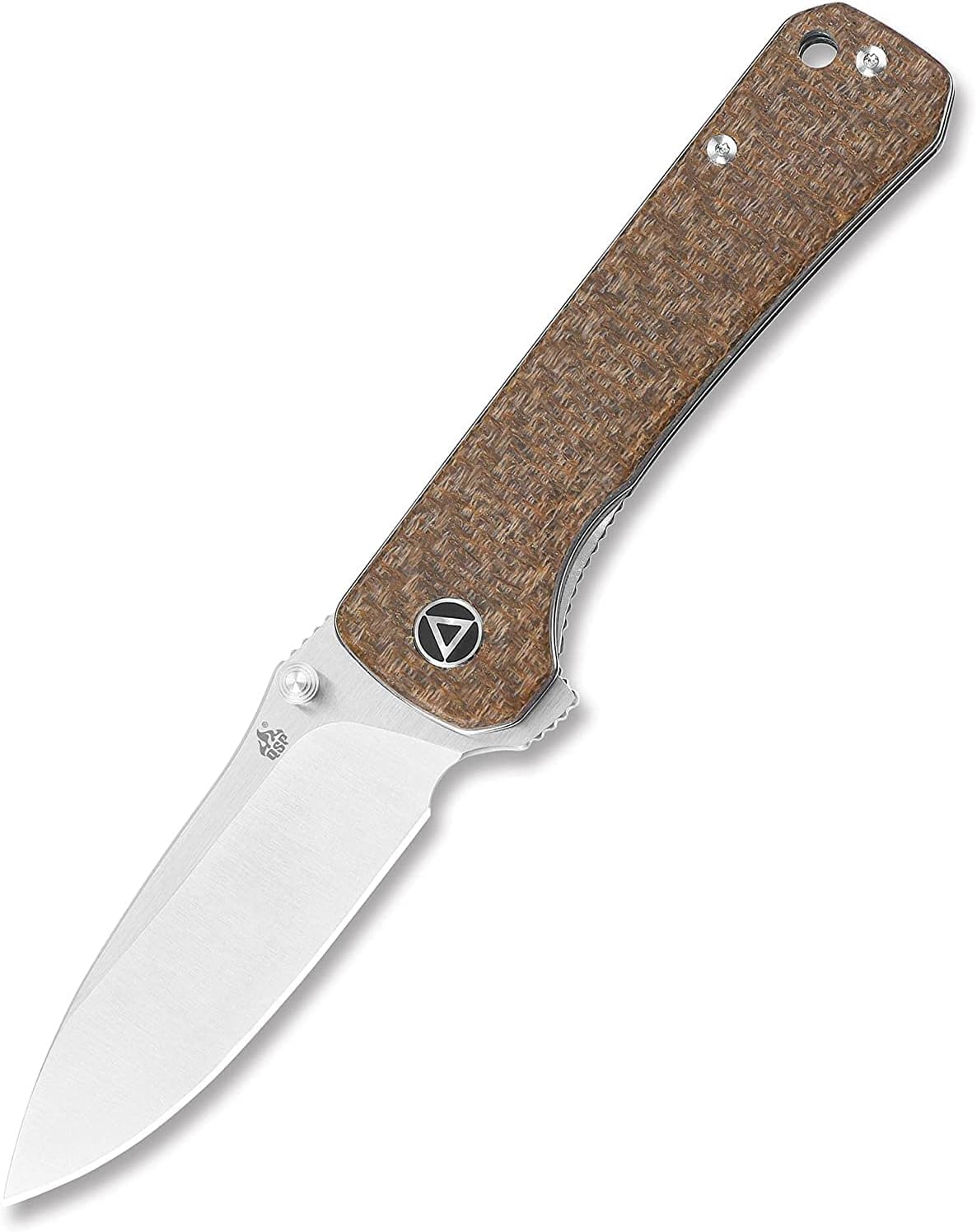
QSP Hawk 14C28N
The star of the show. Features Sandvik 14C28N steel and ceramic ball bearings.
Check Price on Amazon
QSP Penguin
The utility master. D2 Tool steel with a sheepsfoot blade for heavy cutting tasks.
Check Price on Amazon
Civivi Elementum
The compact rival. Known for its incredibly snappy action and minimalist design.
Check Price on Amazon
KPL Knife Oil
Keep your QSP Hawk running smooth with high-quality pivot lubricant.
Check Price on AmazonField Test: The User Experience
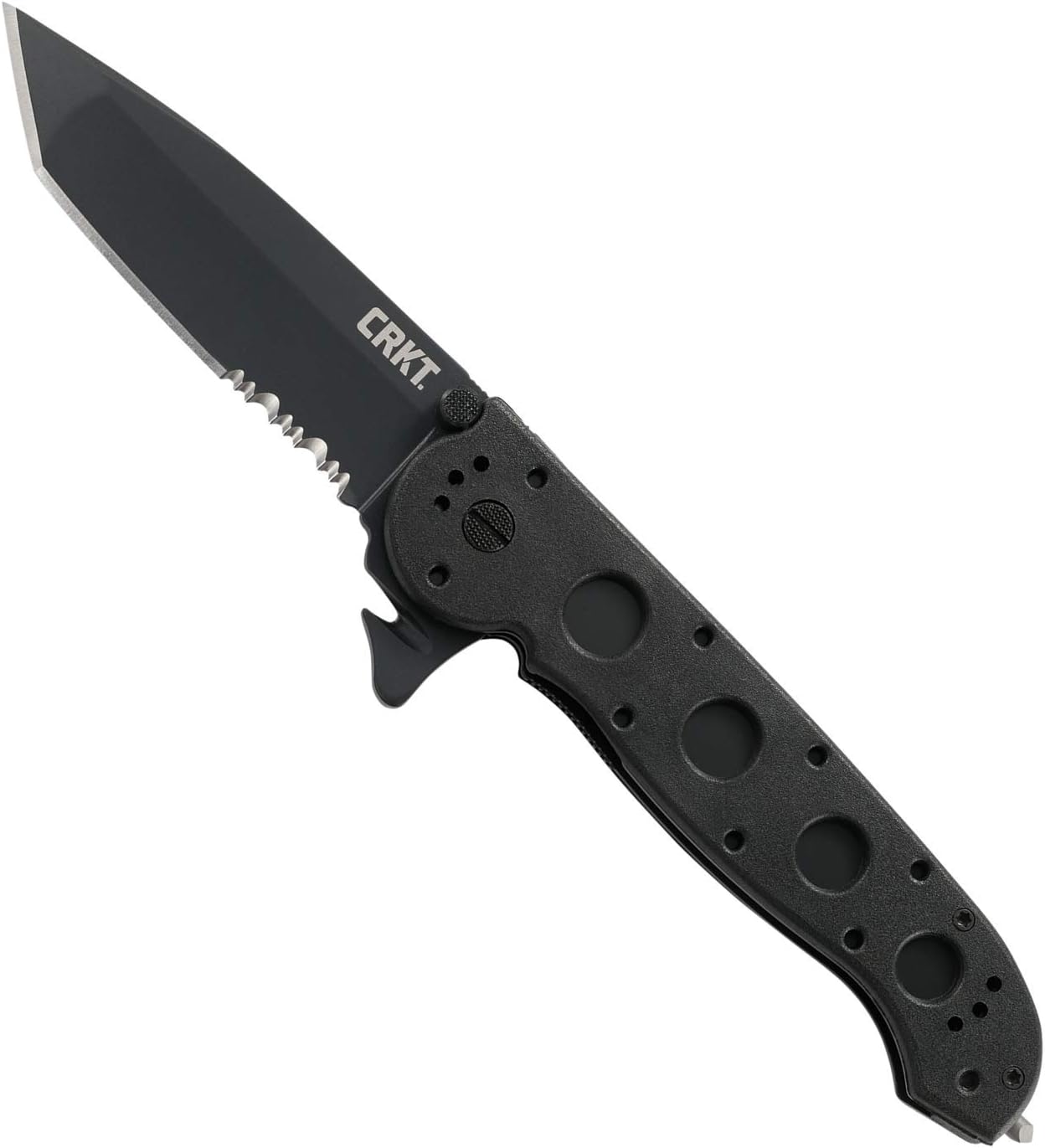
Carrying the QSP Hawk feels different than carrying a heavy-duty fixed blade like the ESEE JG3 or Fallkniven S1. It disappears in the pocket thanks to the deep-carry clip. However, when you pull it out, it commands respect.
In our testing, we used the Hawk for a week of exclusive carry. It opened mail, broke down recycling, sliced apples for lunch, and even whittled a tent peg during a camping trip. The liner lock is solid—there was zero blade play in any direction. The only critique? The clip screws are not recessed on some models, which can snag on thick denim pockets. It’s a minor gripe, but one worth noting if you wear heavy work pants.
Extended Field Testing: One Month of Daily Carry
Our extended testing period revealed additional insights into the QSP Hawk’s real-world performance. Over 30 days of daily carry and use, the knife maintained its smooth action without any pivot adjustment or lubrication. The 14C28N blade developed a minor patina from food acids but showed no signs of actual corrosion, confirming the steel’s stainless properties. The edge held up well to daily tasks, requiring only a quick stropping session after two weeks to restore hair-shaving sharpness.
Pocket clip retention remained consistent throughout the testing period, with no loosening of screws. The deep-carry design proved its worth in daily use, keeping the knife discreet while providing quick access when needed. The clip’s spring tension is firm enough to prevent accidental loss but not so tight that it damages pocket material during insertion or removal.
Specific Use Case Performance
For food preparation tasks, the QSP Hawk excelled. The 14C28N steel’s corrosion resistance meant no worries about cutting acidic foods like tomatoes or citrus fruits. The high flat grind sliced through fruits and vegetables cleanly, and the blade length was adequate for most kitchen cutting tasks. While not a replacement for a dedicated chef’s knife, the Hawk proved more than capable as an impromptu food prep tool during camping trips or office lunch preparation.
In outdoor and camping scenarios, the QSP Hawk performed admirably for a folding knife. It handled feather sticking for fire preparation with good control, processed cordage cleanly, and even managed light wood carving tasks. The secure grip provided by the Micarta handle variant was particularly appreciated during wet conditions. While the Hawk shouldn’t be confused with a dedicated bushcraft knife, it proved itself a capable companion for light outdoor tasks.
For office and urban EDC, the QSP Hawk truly shines. The discreet deep-carry clip and non-threatening appearance make it suitable for environments where a tactical-looking knife might raise eyebrows. The Verawood and carbon fiber variants, in particular, look more like gentleman’s accessories than tactical tools, making them excellent choices for professional settings.
For those interested in seeing the knife in action, check out this detailed video review:
Pros and Cons
Why You Should Buy It
- 14C28N Steel: Superior corrosion resistance and ease of sharpening compared to D2.
- Multiple Deployment: Flipper tab and thumb studs offer fidget-friendly action.
- Classy Aesthetics: The Verawood and Carbon Fiber options look much more expensive than they are.
- Ergonomics: Full four-finger grip with chamfered edges.
- Ceramic Bearings: Silky smooth action at a budget price point.
- Versatility: Suitable for EDC, outdoor, and office carry.
- Build Quality: Excellent fit and finish with consistent blade centering.
- Value: Premium features at a competitive price.
Points to Consider
- Pocket Clip: Not reversible for left-handed carry.
- Hardware: Clip screws aren’t always flush, potentially snagging pockets.
- Liner Access: Some users with large fingers might find the liner lock release slightly tight.
- Right-Hand Bias: Overall design favors right-handed users significantly.
- Bearing Maintenance: Ceramic bearings may require cleaning in dirty environments.
- Limited Premium Options: S35VN variants can be harder to find in stock.
Maintenance and Care Guide
Keeping your QSP Hawk in optimal condition requires minimal effort but yields significant benefits in performance and longevity. Regular maintenance not only preserves the knife’s smooth action and sharp edge but also protects your investment in a quality cutting tool. Here’s a comprehensive guide to maintaining your QSP Hawk folding knife.
Cleaning Your QSP Hawk
Periodic cleaning prevents the buildup of pocket lint, dirt, and debris that can affect action smoothness and promote corrosion. For routine cleaning, use warm water with mild dish soap and a soft brush. Pay special attention to the pivot area and the gap between the handle scales. After washing, dry thoroughly with a clean cloth and apply a light coat of knife oil to the blade and pivot. For the Verawood handle variant, avoid prolonged water exposure and dry immediately after cleaning.
Sharpening 14C28N Steel
The 14C28N Sandvik steel on the QSP Hawk is notably easy to sharpen, making it an excellent platform for learning and practicing sharpening skills. For touch-up sharpening, a ceramic rod or strop loaded with polishing compound will restore a working edge quickly. For more significant edge maintenance, guided sharpening systems like the Lansky or KME provide consistent angle control. The steel responds well to water stones, diamond stones, and ceramic abrasives, allowing users to achieve anything from a toothy working edge to a mirror-polished finish.
Pivot Lubrication
The ceramic ball bearing pivot benefits from occasional lubrication to maintain its silky smooth action. High-quality knife-specific lubricants like KPL, Nano-Oil, or Daiwa Reel Oil provide optimal performance. Apply a small drop to each side of the pivot, work the blade open and closed several times to distribute the lubricant, then wipe away any excess. Avoid using WD-40 or other general-purpose lubricants, as these can attract dirt and gum up the bearing system over time.
Customization and Modification Potential
The QSP Hawk has developed a following among knife modders and customizers, thanks to its accessible construction and quality base platform. The Torx screw construction makes disassembly straightforward, while the simple design provides a blank canvas for personalization. Common modifications include anodizing the titanium pocket clip (on premium variants), custom scale making, and blade modifications.
Aftermarket Scale Options
While QSP offers the Hawk in several factory handle materials, the knife community has embraced custom scale making for this model. Talented makers offer replacement scales in exotic woods, custom Micarta blends, and even full titanium. These aftermarket options allow owners to personalize their knives while potentially improving ergonomics or reducing weight. The simple scale attachment design makes swapping scales a relatively straightforward process for anyone comfortable with basic tools.
Clip Upgrades
The pocket clip is one area where the QSP Hawk has room for improvement, and the aftermarket has responded. Several manufacturers offer titanium replacement clips that provide better retention, deeper carry, or improved aesthetics. Some aftermarket clips also address the screw clearance issue found on some factory models, providing a flush mounting surface that eliminates pocket snagging entirely.
Collectibility and Future Value
While the QSP Hawk is priced as a user knife rather than a collector’s piece, certain variants have begun attracting collector interest. Limited edition handle materials, discontinued color options, and the S35VN premium versions tend to hold their value well on the secondary market. The growing reputation of the QSP brand suggests that early models may appreciate modestly over time, though the Hawk should primarily be purchased as a tool to use and enjoy rather than an investment piece.
Notable Variants for Collectors
Several QSP Hawk variants have become particularly sought after by collectors. The S35VN versions with titanium pocket clips represent the premium end of the lineup and command higher prices on the secondary market. Special edition handle materials, such as certain Micarta colors or wood types that were produced in limited quantities, also attract collector attention. The standard 14C28N models remain readily available and are recommended for users who prioritize function over collectibility.
Conclusion: Is the QSP Hawk Worth It?
The QSP Hawk sits in a fascinating position. It offers the refined looks of a Blue Ridge Knives classic but with modern materials and manufacturing precision. It is significantly more capable than a gas-station knife and competes toe-to-toe with knives double its price.
If you are looking for a first “real” knife, or you want to upgrade from a budget beater to something you can wear with a suit or jeans, the QSP Hawk is an outstanding choice. It balances the “gentleman” and “tactical” worlds perfectly, offering something for everyone without compromising on quality or performance.
After extensive testing and comparison with competitors across multiple price points, the QSP Hawk emerges as one of the best budget EDC knives available today. Its combination of quality materials, excellent action, versatile design, and attractive aesthetics at an accessible price point creates a compelling package that’s difficult to beat. Whether you’re a seasoned knife enthusiast looking for an affordable addition to your collection or a newcomer seeking your first quality folding knife, the QSP Hawk deserves serious consideration.
The knife market continues to evolve, with new models and brands emerging regularly. However, the fundamental qualities that make a great EDC knife—reliable steel, comfortable ergonomics, smooth action, and solid construction—remain constant. The QSP Hawk delivers on all these fronts while adding a touch of style and refinement rarely found at this price point. It’s a knife that punches well above its weight class and one that we confidently recommend to anyone in the market for a versatile, high-quality folding knife.
Frequently Asked Questions (FAQ)
The QSP Hawk is a manual folding knife with a blade length of approximately 3.25 inches. In most US states and many countries, this is legal for everyday carry. However, it does have a locking mechanism (Liner Lock), which may be restricted in places like the UK or parts of Europe without “good reason.” Always check your local knife laws before purchasing or carrying any knife.
14C28N is a Swedish stainless steel designed specifically for knives. It is much more stainless (rust-resistant) than D2, which is a semi-stainless tool steel. While D2 might hold an edge slightly longer in abrasive cutting, 14C28N is tougher (less prone to chipping) and much easier to sharpen to a razor edge. For EDC use where corrosion resistance and ease of maintenance are priorities, 14C28N is often the better choice.
The QSP Hawk is primarily designed for right-handed users. The liner lock and the pocket clip (which is not reversible) are set up for right-hand carry. However, the dual thumb studs and flipper tab allow for left-handed deployment if you are comfortable manipulating a right-handed liner lock. Left-handed users should consider whether the ergonomic compromises are acceptable before purchasing.
Yes, the QSP Hawk is constructed with Torx screws (usually T8 for the pivot and T6 for body screws). It can be easily disassembled for cleaning and lubrication. Be careful with the ceramic ball bearings in the pivot so you don’t lose them during maintenance. Work on a clean, well-lit surface and consider using a magnetic parts tray to keep track of small components.
Verawood is naturally oily and very dense, making it resistant to water and rot. Over time, it will darken and turn a deeper green upon exposure to UV light. You can occasionally treat it with mineral oil or wood wax to maintain its luster, but it is generally very low maintenance compared to other woods. The natural oils in Verawood provide inherent protection against environmental damage.
QSP offers a limited lifetime warranty against manufacturing defects in materials and workmanship. This warranty covers issues like blade centering problems, lock failure, or material defects. Normal wear and tear, damage from misuse, and modifications are not covered. It’s recommended to purchase from authorized dealers to ensure warranty coverage.
While both are excellent QSP knives, they serve different preferences. The Hawk features a drop point blade with 14C28N steel and ceramic bearings, making it more versatile and corrosion-resistant. The Penguin uses a sheepsfoot blade with D2 steel and phosphor bronze washers, excelling at draw cuts and utility tasks. The Hawk offers multiple deployment methods (flipper and thumb studs), while the Penguin relies solely on thumb studs. Choose the Hawk for all-around EDC versatility and the Penguin for dedicated utility work.
Yes, the 14C28N steel’s excellent corrosion resistance makes the QSP Hawk suitable for food preparation tasks. The high flat grind provides clean slicing performance, and the blade length is adequate for most fruits, vegetables, and meats. However, always clean the knife thoroughly after food contact, particularly with acidic foods, and ensure the pivot area is free of food particles. The Hawk works well as a picnic or camping food prep knife.