Victorinox Cadet Review: Is It The Ultimate Gentleman’s EDC?
An exhaustive analysis of the Swiss Army classic. We break down the Alox durability, the non-threatening toolset, urban legality, and compare it directly against modern tactical flippers.
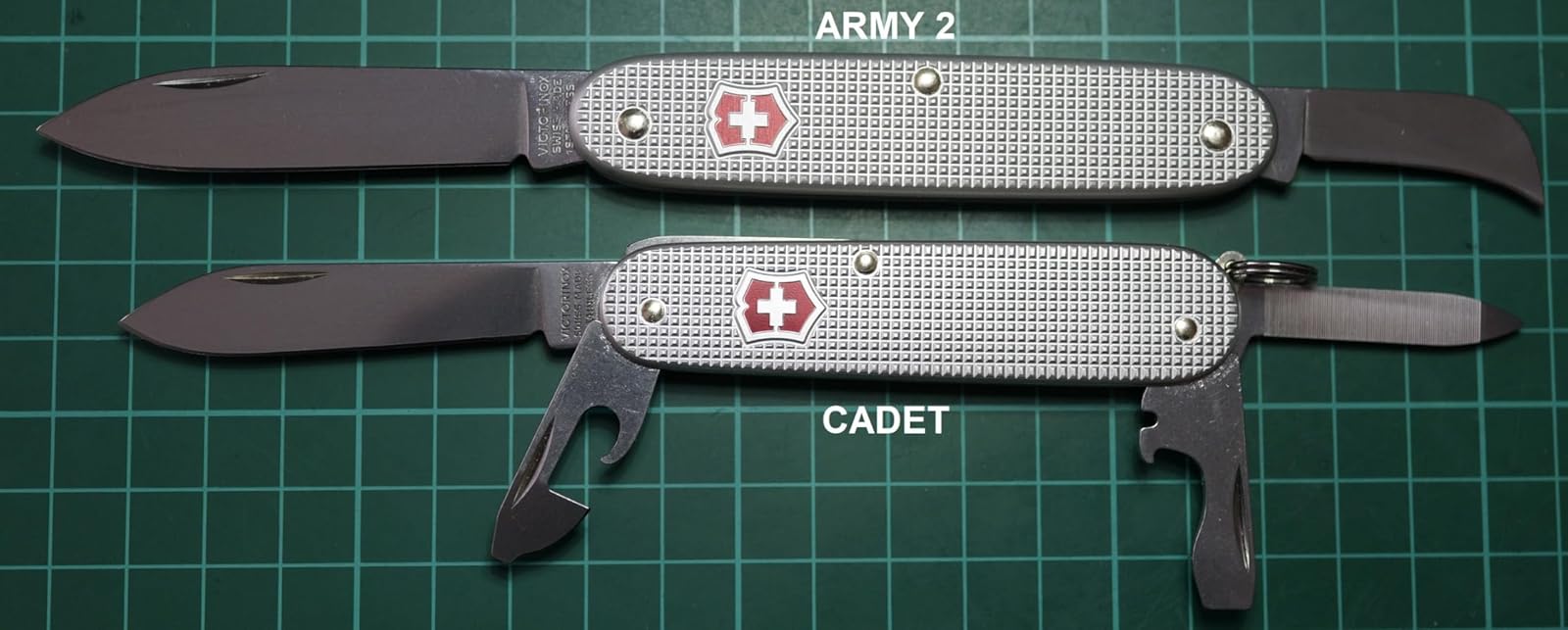
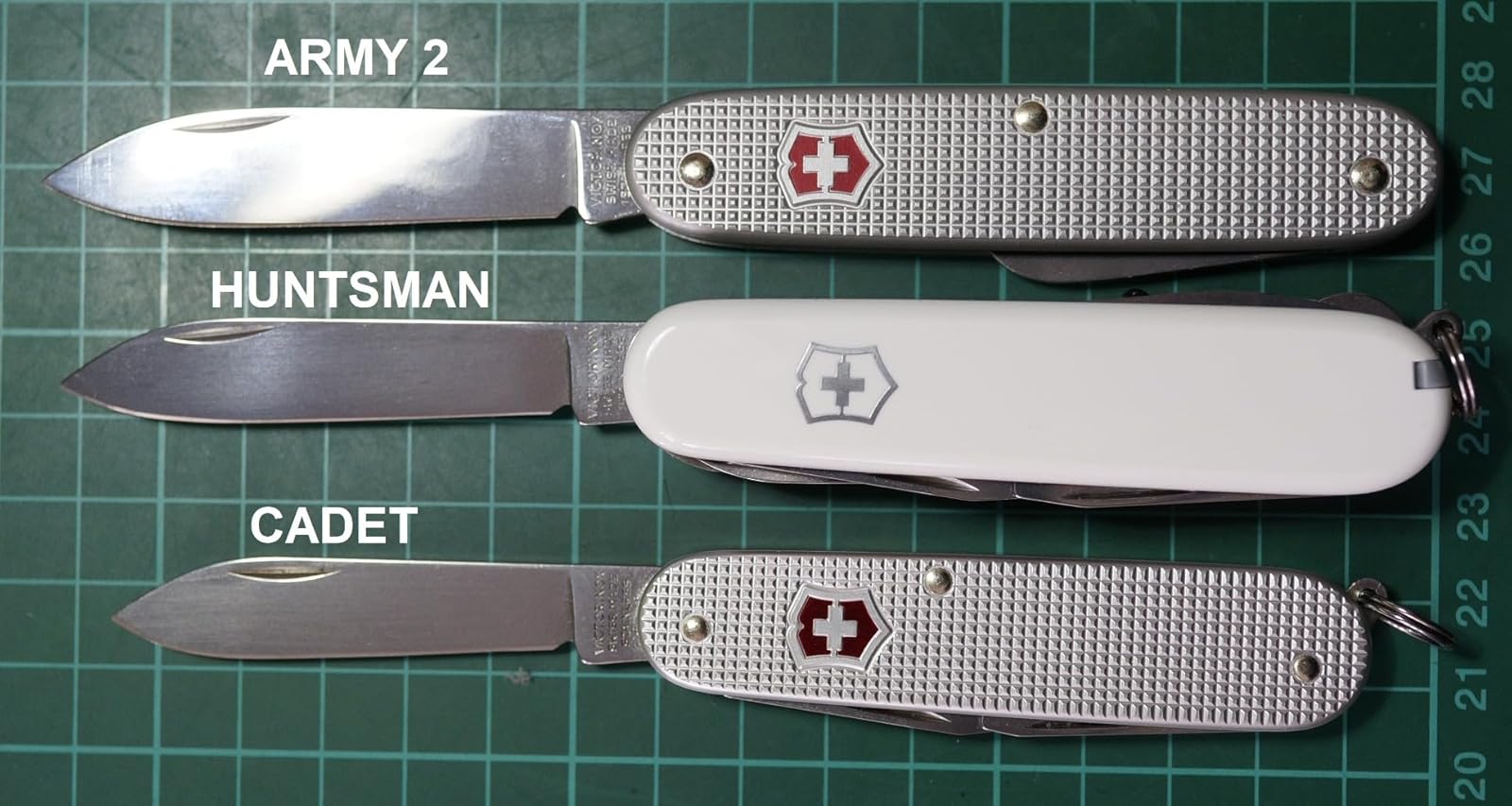

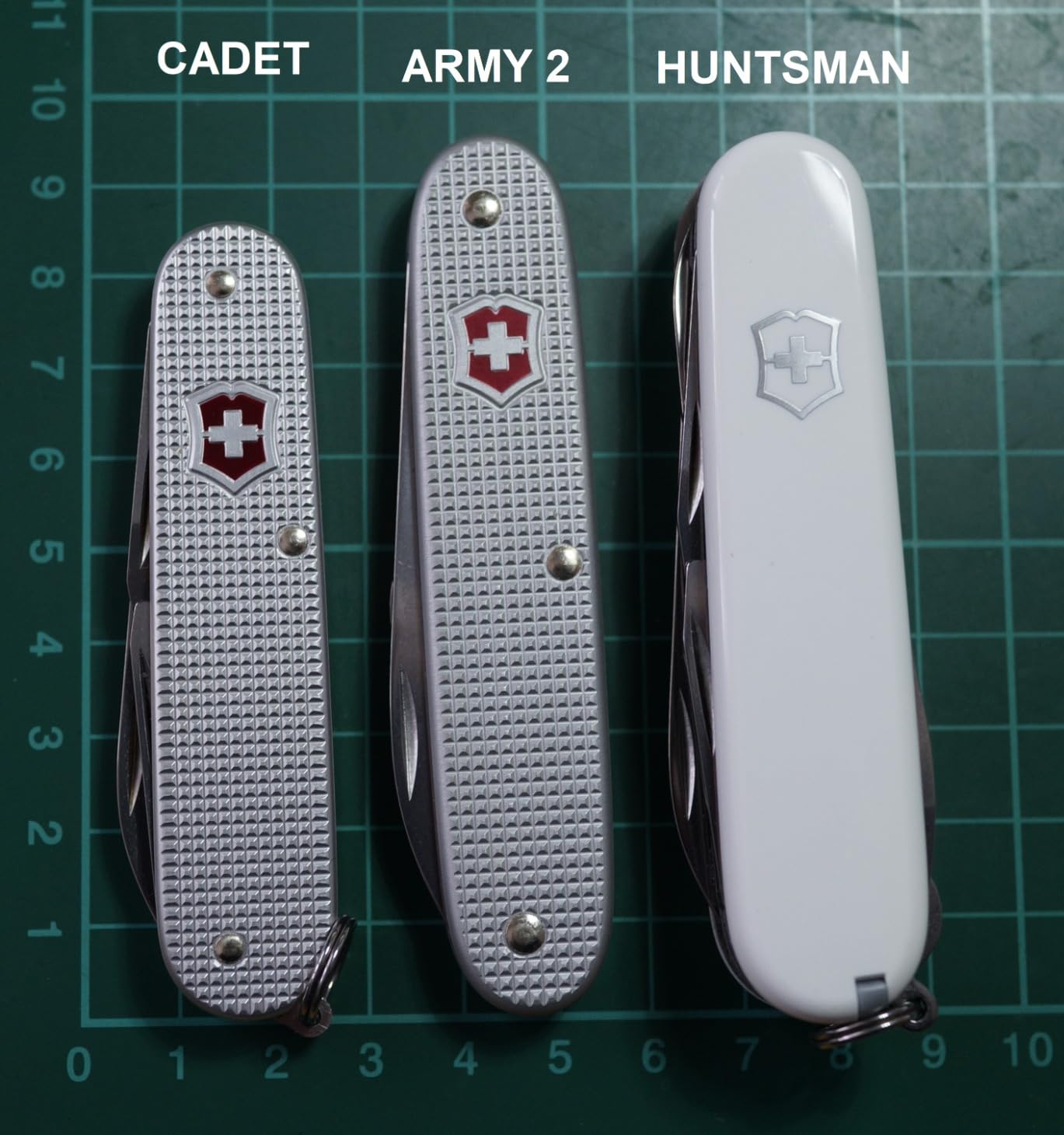
In a modern pocket knife world utterly dominated by overbuilt titanium frame-locks, frictionless ball-bearing pivots, and high-tech powder metallurgy super-steels, there quietly exists an unassuming, historical champion that has lived comfortably in pockets for over half a century: the Victorinox Cadet Alox.
While the knife community frequently raves about the highly specialized rust-proof wizardry found in our Spyderco Caribbean review, or heavily praises the bomb-proof, survivalist nature of the Fallkniven S1, the Cadet offers something completely different: pure, refined, socially acceptable elegance.
Make no mistake—this isn’t a knife you take to war; it’s a knife you take to a wedding. It isn’t designed to baton through thick oak logs in the wilderness, but rather to cleanly slice an apple, open a package, or tighten a loose screw on your sunglasses. In this comprehensive, deep-dive Victorinox Cadet review, we will brutally strip away the nostalgia and actively scrutinize the engineering, the legendary Alox scales, the utility of the toolset, and pit it head-to-head against both budget beaters and premium competitors to definitively see if it still rightfully holds the crown of the ultimate “Gentleman’s Carry.”
The Rich Heritage: From Swiss Army Origins to Modern Icon
To truly appreciate the Victorinox Cadet, one must understand the profound historical context that birthed this remarkable tool. The story begins in 1884, when Karl Elsener opened a cutlery workshop in Ibach, Switzerland. His vision was revolutionary for the time: create a compact, multi-functional tool for the Swiss Army that could help soldiers maintain their rifles and open canned food provisions during field deployments.
The original Swiss Army Knife, known as the “Soldier’s Knife,” was officially delivered to the Swiss military in 1891. It featured a blade, reamer, can opener, and screwdriver—a remarkably advanced toolset for the era. However, the journey to the Cadet we know today took decades of refinement. The introduction of Alox (aluminum oxide) scales represented a quantum leap in durability that would forever change the trajectory of pocket knife design.
The Cadet model specifically emerged during the mid-20th century as Victorinox recognized a growing demand among civilians for slimmer, more elegant everyday carry options. Unlike the bulkier military-issued knives, the Cadet was designed for the gentleman who needed functionality without sacrificing the clean lines of tailored trousers. The 84mm frame size was deliberately chosen as the perfect middle ground between the tiny 58mm Classic and the robust 93mm Pioneer.
What makes the Cadet’s heritage particularly fascinating is its evolution through different manufacturing eras. Collectors avidly hunt for specific vintage variations, including the rare “red Alox” models from the 1960s, the distinctive “crossbow” tang stamps from the 1970s, and the transitional models that showcase the gradual refinement of the nail file texture. Each generation tells a story of Swiss precision engineering adapting to changing consumer needs while maintaining an unwavering commitment to quality.
The Cadet has also played a significant role in popular culture. It has appeared in numerous films as the quintessential “good guy” tool, immediately signaling that its owner is practical, prepared, and trustworthy. Unlike tactical knives that Hollywood often associates with villains, the Swiss Army Knife—and particularly the elegant Cadet—projects competence without menace. This cultural positioning has been carefully cultivated over decades and remains one of the knife’s most valuable intangible assets in an era of increasingly restrictive knife laws.
Understanding this heritage helps explain why the Cadet commands such fierce loyalty among its users. It’s not merely a tool; it’s a connection to a tradition of Swiss craftsmanship that spans over 130 years. When you purchase a Cadet, you’re not just buying a pocket knife—you’re becoming part of a lineage that includes soldiers, explorers, diplomats, and countless everyday individuals who recognized the value of carrying capable preparedness in a civilized package.
Blade Steel Deep Dive: Understanding Victorinox’s Proprietary 1.4110
One of the most frequently misunderstood aspects of Swiss Army Knives is their blade steel. Modern knife enthusiasts, accustomed to premium powder metallurgy steels like CPM-S30V, M390, or CPM-20CV, often dismiss Victorinox’s proprietary steel as inferior. This perspective fundamentally misses the engineering philosophy behind material selection. The Victorinox 1.4110 stainless steel is not a compromise—it’s a deliberate choice optimized for specific real-world use cases.
Chemical Composition and Metallurgy
The 1.4110 steel used in the Cadet’s blade is a martensitic stainless steel with a carefully balanced composition. It contains approximately 0.50-0.55% carbon, which provides sufficient hardness without sacrificing toughness. The chromium content, typically around 14.5%, delivers excellent corrosion resistance that far exceeds what most people encounter in daily life. Additional elements including manganese, silicon, and molybdenum in precise proportions contribute to the steel’s overall performance envelope.
What truly sets this steel apart is not its individual elements but the proprietary heat treatment protocol developed and refined by Victorinox over generations. The company maintains extremely tight quality control over their hardening process, consistently achieving a Rockwell hardness of 55-57 HRC. This hardness range is intentionally lower than many modern “super steels” that reach 60-62 HRC or higher. Why? Because hardness and toughness exist on a spectrum, and for a thin, non-locking blade used in diverse daily tasks, toughness trumps absolute edge retention.
Real-World Performance Characteristics
The Cadet’s blade geometry works in concert with its steel properties to deliver exceptional cutting performance. The full flat grind creates an extremely acute edge angle, typically around 15-17 degrees per side. This thin geometry means that even though the steel is relatively soft by modern standards, it penetrates material with dramatically less resistance than thicker-ground blades made from harder steels. The result is that the Cadet often feels sharper in use than knives with objectively better edge retention on paper.
Edge maintenance with the Cadet is remarkably straightforward—another deliberate advantage. While premium steels like S90V or M390 require diamond stones and considerable skill to sharpen properly, the Victorinox steel responds readily to simple ceramic rods, Arkansas stones, or even the bottom of a ceramic coffee mug in an emergency. A few passes on a strop loaded with green compound can restore a hair-popping edge in less than a minute. This accessibility means the average user is far more likely to maintain their Cadet’s edge than they would a knife requiring specialized sharpening equipment.
Corrosion resistance deserves special mention. The Cadet’s steel formulation prioritizes stainlessness to an exceptional degree. I have personally carried Cadets in humid coastal environments, sweaty summer pockets, and even accidentally through washing machine cycles without a speck of rust developing. This reliability is crucial for a tool expected to function flawlessly year after year with minimal maintenance. The trade-off, of course, is that the edge will require more frequent touch-ups than highly wear-resistant steels, but for the vast majority of users, this compromise heavily favors practical usability.
Addressing Common Criticisms
Critics of Victorinox steel often point to edge retention testing that shows the blade dulling faster than premium alternatives. These criticisms are technically accurate but practically misleading. Standardized edge retention tests typically involve cutting abrasive materials like manila rope or cardboard in controlled conditions. While these tests provide useful comparative data, they don’t reflect the actual cutting tasks most Cadet owners perform. Opening envelopes, slicing fruit, cutting loose threads, and breaking down occasional cardboard boxes present dramatically different demands than industrial rope cutting.
Furthermore, the ease of sharpening creates a different ownership paradigm. When a premium steel knife finally dulls, restoring the edge often requires a dedicated sharpening session lasting 20-30 minutes with specialized equipment. When a Cadet dulls, you can restore the edge during a commercial break. This fundamental difference means that in practice, Cadet owners tend to keep their knives sharper because the maintenance barrier is so low. It’s the difference between a race car requiring a full pit crew and a reliable commuter vehicle you can service in your garage.
Another overlooked advantage of the softer steel is its behavior when it encounters hard objects. Harder steels at high hardness tend to chip when they hit staples, wire, or other metal contaminants in cutting tasks. The Cadet’s tougher, softer steel is more likely to deform or roll rather than chip. A rolled edge can often be straightened with a honing rod, while a chipped edge requires grinding away significant material. For a knife expected to handle whatever daily life throws at it, this damage tolerance is a meaningful practical advantage.
Sharpening Tutorial for Optimal Performance
To extract maximum performance from your Cadet, proper sharpening technique matters. Begin with a medium grit stone (approximately 600-800 grit) if the edge is significantly dull, or start directly with a fine stone (1000-1200 grit) for maintenance sharpening. Maintain a consistent angle of approximately 15-17 degrees—visualizing a matchbook under the spine can help establish this angle. Use light pressure and count your strokes to ensure even material removal from both sides.
After establishing a burr along the entire edge and removing it with alternating light passes, progress to a strop. A leather strop charged with green chromium oxide compound will refine the edge to near-mirror levels. Ten to fifteen passes per side, using extremely light pressure, will produce an edge that cleanly shaves arm hair and push-cuts phone book paper. This entire process should take no more than five minutes once you’ve developed the muscle memory—a fraction of the time required for harder, more wear-resistant steels.
For daily maintenance between full sharpenings, a ceramic honing rod or small pocket stone can realign the edge in seconds. The key is understanding that you’re not removing significant material but rather straightening the microscopic edge that has rolled during use. Two or three light passes per side at the original sharpening angle will restore impressive sharpness without unnecessary steel removal, extending the blade’s lifespan considerably.
Technical Specifications
The spec sheet of the Cadet clearly dictates its intended use case. It completely ignores heavy-duty tactical metrics in favor of absolute pocketability and weight reduction.
| Model Name | Victorinox Swiss Army Cadet Alox (Item 0.2601.26) |
|---|---|
| Overall Length (Closed) | 84mm (3.3 inches) |
| Blade Length | 63mm (2.5 inches) |
| Total Thickness | 8mm (0.31 inches) – Ultra-Slim Profile |
| Overall Weight | 1.6 oz (46g) – Featherweight |
| Handle Material | Alox (Punched & Anodized Aluminum) |
| Blade Steel | Proprietary 1.4110 Stainless Steel (HRC 56) |
| Total Tools | 9 Distinct Functions |
| Lock Mechanism | Slipjoint (Traditional Non-locking) |
| Country of Origin | Ibach, Switzerland |
The Alox Advantage: Where Durability Meets Extreme Thinness
The absolute defining, iconic feature of the Cadet is its handle material. Alox stands for Aluminum Oxide. Rather than using the classic, smooth red Cellidor (plastic) scales found on a standard Swiss Army Knife (SAK), Victorinox utilizes a highly specific industrial process. They take raw aluminum scales, forcefully punch them from a solid sheet, deeply emboss them with a textured ribbed pattern for immense grip, and finally anodize them through an electrolytic oxidation process to create a hard, highly protective, and colorful outer layer.
The anodization process itself is fascinating from an engineering standpoint. Unlike paint or coating that merely sits on the surface, anodization electrochemically converts the aluminum surface into aluminum oxide—a material second only to diamond in hardness. This oxide layer is integral to the metal, meaning it cannot chip or peel like a surface coating. The thickness of this layer, typically 10-25 microns on Victorinox products, provides exceptional scratch resistance while allowing for the vibrant colors that collectors prize.
From a thermal perspective, Alox offers distinct advantages over Cellidor. Aluminum dissipates heat rapidly, meaning the knife never feels uncomfortably cold in winter or excessively warm in summer. This thermal conductivity also makes the Cadet surprisingly comfortable to hold for extended periods, as it quickly equilibrates to hand temperature. The textured ribbing pattern isn’t merely decorative—it creates dozens of contact points that significantly enhance grip security, especially when hands are dry or gloved.
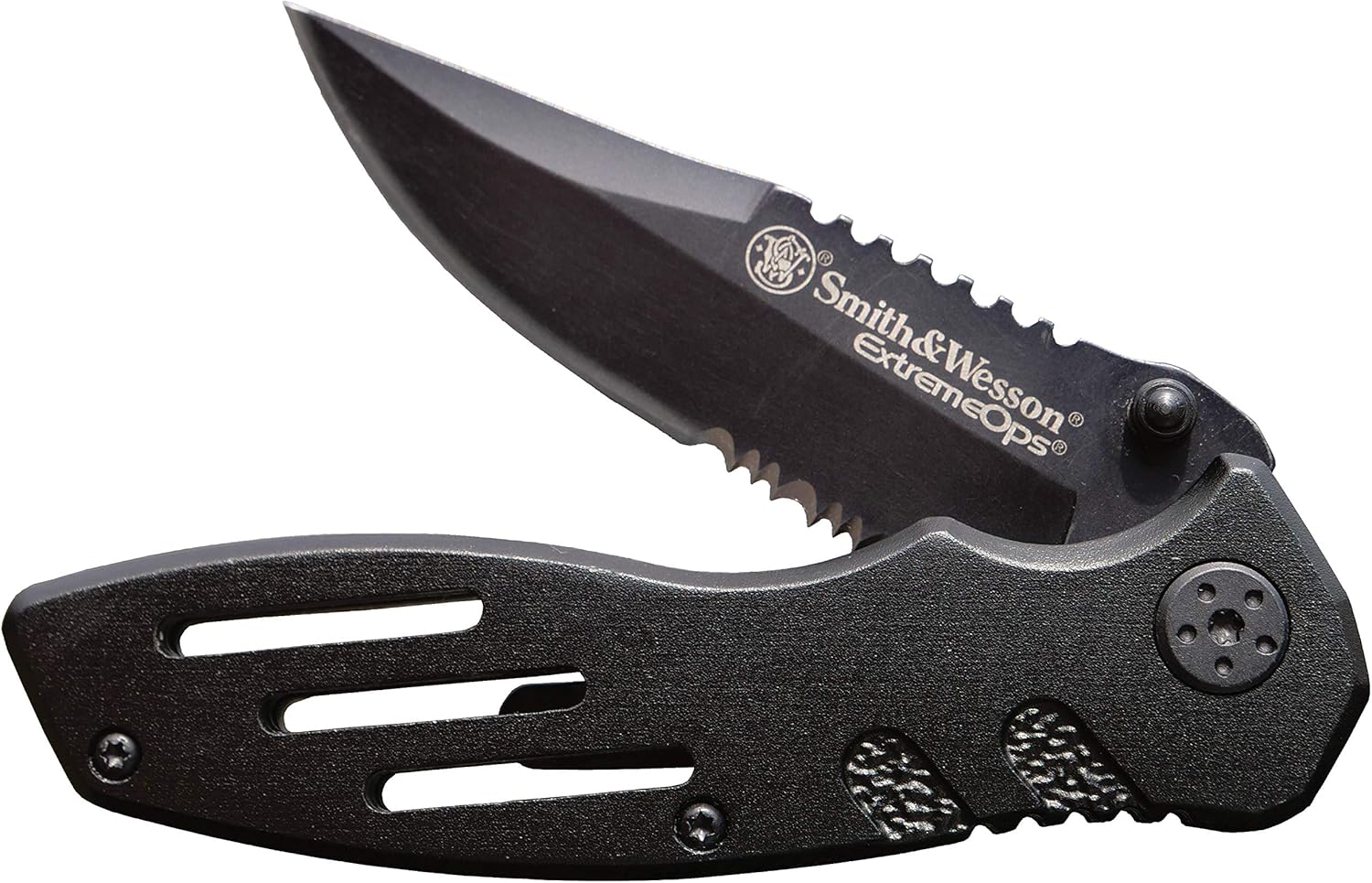
Compared to the traditional red plastic scales (which are notoriously prone to cracking, scratching, and melting), Alox is virtually indestructible. It will not crack if dropped on concrete. More importantly, from an EDC perspective, because the Alox scales are riveted directly flush to the internal liners—entirely eliminating the need for the bulky plastic housing—the knife is unbelievably thin. Measuring exactly 8mm thick, it completely disappears in a tailored suit pocket or lightweight summer gym shorts. This presents a stark, highly practical contrast to the bulky, pocket-shredding tactical options we frequently discuss in our Smith & Wesson reviews.
Color Variations and Collectibility
The Cadet has been produced in a staggering array of colors over the decades, creating a vibrant collector’s market. The standard silver model, with its clear anodized finish, remains the best-selling variant due to its timeless appearance and ability to hide wear. However, limited edition colors released annually by Victorinox command significant premiums on the secondary market. Colors like “Berry Red,” “Dark Green,” “Midnight Blue,” and the highly sought-after “Copper” edition from 2019 have become genuine collector’s items.
Understanding the difference between standard production colors and limited releases is crucial for collectors. Standard colors are produced continuously and can be identified by their consistent availability across multiple retailers. Limited editions typically feature unique color codes on the packaging and are produced in single annual batches. Some of the rarest Cadets include the “Damascus” blade editions, which feature forge-welded Damascus steel blades paired with special Alox colors, and the “Year of the Ox” or other zodiac special editions that incorporate unique shield designs.
The anodization process also creates subtle variations between batches that keen-eyed collectors can identify. Slight differences in the shade of red, the depth of blue, or the warmth of green result from minor variations in the anodizing bath chemistry and electrical parameters. These variations aren’t defects but rather the natural fingerprint of a manufacturing process that produces truly individual pieces. Many collectors specifically seek out examples with particularly pleasing shade variations.
The Toolset: Distilled Urban Perfection
The Cadet abandons the useless “bloat” found on massive, 30-function Swiss Army Knives. It distills the toolset down to exactly what an urban dweller actually needs on a daily basis.
1. The Primary Blade
The main spear-point blade is 63mm long, featuring a full flat grind. While the proprietary Swiss steel is considered “soft” (around 56 HRC) compared to the wear-resistant S30V we extensively tested in the Kershaw Blur, it effortlessly takes a razor-sharp edge. Because the blade geometry is so incredibly thin, it slices through dense cardboard, packaging tape, and fruit with absolutely zero wedging resistance.
2. The Nail File / Cleaner
Replacing the redundant small secondary blade found on other 84mm models, the Cadet features a highly practical nail file. Older, vintage models utilized a cross-cut file which was overly aggressive; modern models use a beautifully textured, milled surface. The pointed tip serves brilliantly as a dedicated nail cleaner or, in a pinch, a highly effective small Phillips-head screwdriver.
3. The Cap Lifter (Bottle Opener)
This is a heavy-duty, combination tool: it functions flawlessly as a bottle opener, features a sharp wire stripper notch at the base, and terminates in a massive 6mm flathead screwdriver. Crucially, this specific tool is robust enough to perform light prying tasks (like opening a paint can), successfully sparing your delicate knife blade tip from catastrophic snapping damage.
4. The Can Opener
The classic Victorinox can opener doubles as a smaller 3mm flathead driver (which conveniently also fits larger Phillips screws perfectly). It mechanically works by pushing the blade forward around the rim of the can, a distinctly efficient motion compared to the pull-style openers found on other multi-tools like Leatherman.
Detailed Tool Functionality and Unexpected Uses
The Cadet’s toolset rewards creative thinking. Beyond their obvious primary functions, each implement harbors secondary and tertiary capabilities that experienced users discover over years of carry. The nail file, for instance, works brilliantly as an improvised ferrocerium rod striker for fire-starting in emergency situations. The textured surface creates abundant sparks when drawn firmly across a ferro rod, and unlike a knife blade, using the file preserves your primary cutting edge.
The cap lifter’s wire stripper notch deserves special attention. Positioned at the base of the opener, this small semi-circular cutout can strip insulation from wires ranging from 12-gauge to 20-gauge with surprising effectiveness. While not a replacement for dedicated electrician’s tools, it has saved countless DIY projects when proper tools were out of reach. The same notch also serves as a surprisingly capable package opener for plastic clamshell packaging, providing a safe alternative to struggling with scissors.
The main blade’s fine point excels at tasks requiring precision that larger knives cannot match. Removing splinters, cleaning underneath fingernails, and scoring precise lines in wood or plastic are all tasks where the Cadet’s thin, acute point outperforms broader tactical blades. The nail nick, often viewed as an archaic opening mechanism, actually provides a secure purchase point for your thumbnail, enabling controlled two-handed opening that’s safer in confined spaces than flicking open a tactical folder.
Perhaps the most underappreciated tool is the keyring attachment point. While seemingly mundane, it enables attachment of a suspension clip that completely transforms the carry experience. By hanging the Cadet vertically in your pocket rather than letting it settle horizontally at the bottom, you eliminate pocket bulge, reduce scratching from coins and keys, and make retrieval dramatically faster. This simple accessory, discussed in detail in our gear recommendations, addresses the most common complaint about slipjoint pocket knives.
Real-World EDC Scenarios: The Cadet in Daily Life
Specification sheets and feature lists tell only part of the story. The true measure of any everyday carry tool is how it performs across the diverse, unpredictable situations that constitute daily life. Over years of dedicated carry, the Cadet has proven itself invaluable in scenarios ranging from mundane office tasks to genuine emergencies.
The Office Professional
In corporate environments, the Cadet truly shines. Its non-threatening appearance means it can be deployed in meetings, break rooms, and open-plan offices without raising eyebrows. Opening stubborn packaging on new office supplies, tightening loose screws on desk chairs and monitor arms, and slicing bagels in the break room all fall comfortably within its capabilities. The nail file sees surprisingly frequent use before important client meetings, and the slim profile ensures it doesn’t create unsightly bulges in dress slacks.
Perhaps most importantly in professional settings, the Cadet’s two-handed opening mechanism and non-locking blade communicate restraint and consideration. In an era where workplace violence concerns are legitimate, carrying a tool that requires deliberate, visible effort to deploy signals to colleagues that you’re a prepared professional, not a threat. This psychological dimension of EDC is frequently overlooked but critically important for those working in sensitive environments.
The Weekend Warrior
During weekend projects and home maintenance, the Cadet serves as an indispensable companion rather than a primary tool. It shines in the gaps between dedicated tools—tightening that one inaccessible screw on a ceiling fan bracket, opening paint cans cleanly, stripping wire for a lamp repair, or cutting twine when gardening. Its true value emerges when you’re on a ladder or in a crawlspace and retrieving a full toolkit would require significant effort. The Cadet handles the unexpected minor fix instantly.
For outdoor recreation, the Cadet’s limitations become more apparent but its strengths remain relevant. While it cannot replace a dedicated camp knife for processing firewood or preparing large meals, it excels at detail tasks around camp. Opening food packaging, tightening loose screws on camping stoves, cutting fishing line, and even minor gear repairs all fall within its wheelhouse. The bottle opener, of course, sees enthusiastic use during campfire gatherings.
Travel and Urban Exploration
The Cadet is arguably the ideal travel companion knife. Its 84mm size and slipjoint mechanism comply with knife laws in most jurisdictions worldwide, including the notoriously strict United Kingdom regulations. When packed in checked luggage, it adds negligible weight while providing genuine utility at your destination. Opening local food packaging, cutting souvenir tags, and handling minor gear repairs become effortless.
Urban exploration and everyday adventures reveal the Cadet’s versatility in unexpected ways. Tightening loose bolts on rental bicycles, prying open stubborn subway card readers, and cutting zip ties securing luggage all represent real scenarios where having a capable tool saved significant frustration. The key is recognizing that the Cadet isn’t competing with full-size multitools or dedicated pocket knives—it’s providing capable functionality in the thinnest, lightest, most socially acceptable package possible.
Emergency Preparedness
While the Cadet cannot replace a dedicated emergency kit, it serves as a critical bridge between having no tools and having proper equipment. In vehicle emergencies, the screwdriver tips can tighten loose battery terminals or hose clamps. The blade can cut seatbelts if properly positioned, though this requires significant force given the slipjoint mechanism. The can opener obviously serves its original military purpose of accessing canned food when other options are unavailable.
More realistically, urban emergencies—power outages, minor medical situations, sudden equipment failures—are where the Cadet proves its worth. Opening packages containing emergency supplies, cutting bandages or clothing, and manipulating small mechanical items all become possible with a tool that lives permanently in your pocket. The psychological comfort of knowing you have basic capabilities regardless of circumstances cannot be overstated.
The Arena: Cadet vs. The Cutlery World
To truly understand the value of the Cadet, we must meticulously compare it to its closest siblings and fiercest modern competitors.
The Pioneer is the Cadet’s older, beefier brother. The Pioneer is 93mm long (versus the Cadet’s 84mm) and significantly thicker. The Pioneer ditches the nail file entirely, replacing it with an incredibly sharp, heavy-duty reamer/awl. The blade stock is also noticeably thicker. The Verdict: If you are doing outdoor yard work, whittling, or light bushcraft, buy the Pioneer. However, for discreet office carry and lightweight urban utility, the Cadet’s slim, elegant profile wins every single time.
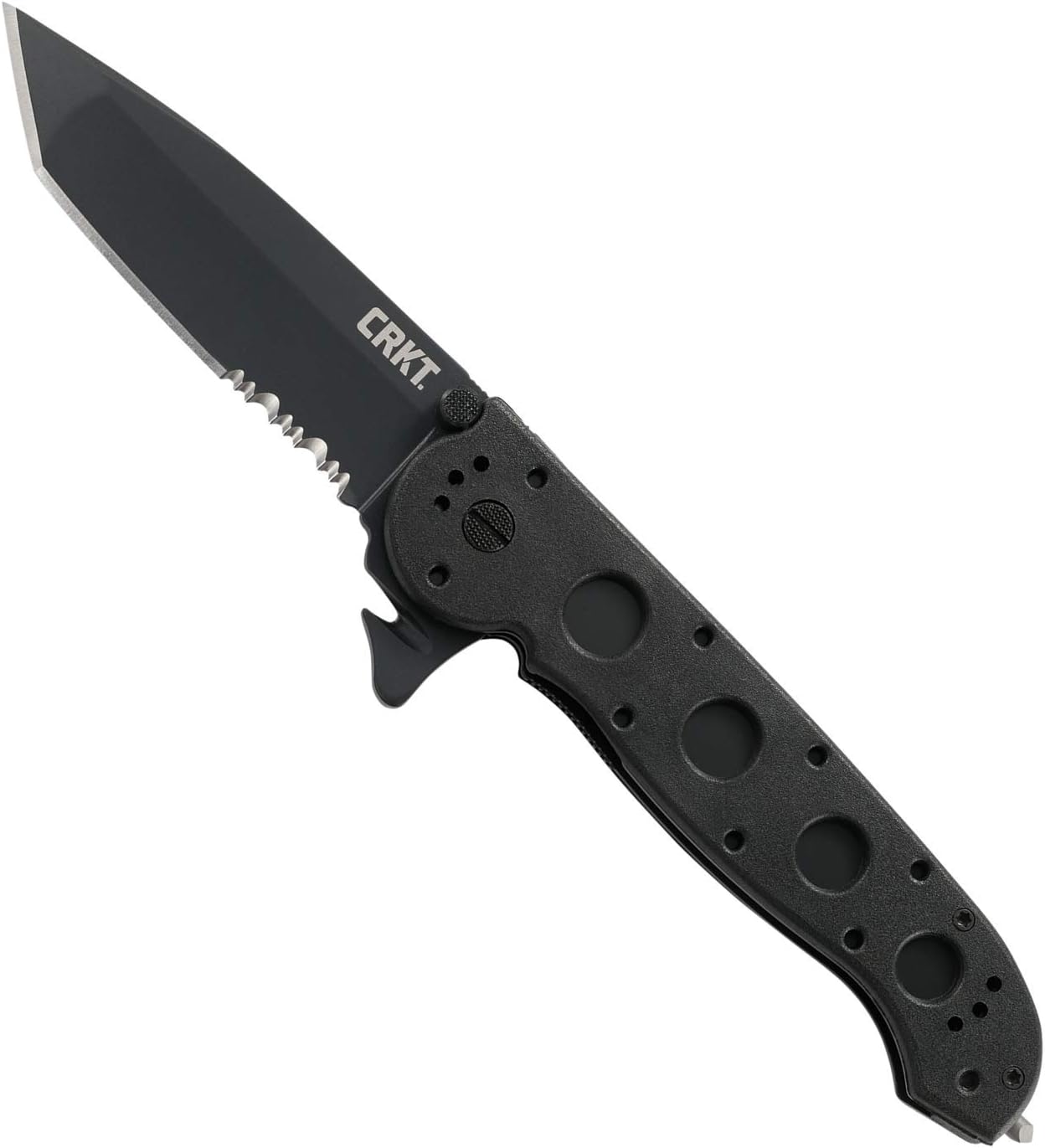
Comparing the Cadet to a modern flipper like the SOG TAC XR perfectly illustrates the two extreme ends of the EDC spectrum. The SOG offers lightning-fast, one-handed opening, an unbreakable crossbar lock, and a deep-carry pocket clip. The Cadet inherently requires two hands to open, utilizes a traditional non-locking slipjoint, and floats loosely in the pocket.
The Crucial Difference: The Cadet is entirely “socially invisible.” Pulling out a tactical SOG to cut an apple in a corporate breakroom might alarm coworkers; pulling out a shiny silver Swiss Army Knife universally draws smiles and nostalgia.
You can easily find generic, imported multi-tools in M-Tech reviews or at gas stations for a fraction of the price. But with a genuine Victorinox, the mechanical “snap” (often referred to as the “walk and talk”) of the slipjoint springs is absolutely legendary. The manufacturing tolerances are surgically precise. Cheap, knock-off alternatives frequently suffer from bent blades that aggressively rub against the steel liners, or tools that hopelessly clump together when opened. The Cadet is a generational heirloom; cheap imports are immediately disposable.
The Leatherman Micra represents the most direct multi-tool competitor to the Cadet in terms of size and target market. Both tools are designed for pocket carry and emphasize utility over tactical capabilities. However, the execution differs dramatically. The Micra features spring-loaded scissors as its primary tool rather than a blade, and it folds open into a butterfly configuration rather than the traditional slipjoint arrangement. The Micra’s toolset includes tweezers and a small ruler, features conspicuously absent from the Cadet’s Alox design. However, the Micra’s scissors, while excellent, limit its capabilities for tasks requiring a dedicated knife blade. The Verdict: If your daily tasks heavily involve cutting paper, thread, or fingernails, the Micra’s scissors may serve you better. For general-purpose cutting and the classic Swiss Army Knife experience, the Cadet’s blade-focused design prevails.
The Spyderco Dragonfly 2 represents an interesting comparison as a modern, premium compact folder with approximately the same blade length as the Cadet. The Dragonfly features VG-10 steel (or ZDP-189 in premium versions), a reliable back-lock mechanism, one-handed opening via Spyderco’s iconic thumb hole, and a pocket clip. In pure knife terms, the Dragonfly significantly outperforms the Cadet—better steel, safer lock, faster deployment. However, the Dragonfly is merely a knife, while the Cadet is a multi-tool. The Verdict: For dedicated knife enthusiasts who prioritize cutting performance and carry other tools separately, the Dragonfly 2 is superior. For those who value tool density and social acceptance, the Cadet’s multi-function capability provides more real-world utility.
Boker’s Tech-Tool series represents Germany’s answer to the Swiss Army Knife, offering similar multi-function slipjoints with modern materials. Models in this series feature G-10 or carbon fiber handle scales, significantly upgraded blade steels including D2 and VG-10, and thoughtful modern touches like pocket clips on certain models. The build quality approaches Victorinox levels, and the material upgrades are genuinely meaningful. However, Boker’s pricing reflects these upgrades, often costing double what a Cadet commands. The Verdict: The Boker Tech-Tool offers genuine advantages for those willing to pay for upgraded materials, but the Cadet’s proven reliability, lifetime warranty, and classic aesthetics maintain its appeal for traditionalists and value-conscious buyers.
Complete Maintenance Guide: Ensuring Generational Longevity
The Victorinox Cadet, like any precision mechanical tool, rewards proper maintenance with decades of flawless service. Unlike modern folding knives with disassembly-friendly Torx construction, the Cadet’s riveted construction requires a different maintenance approach that emphasizes cleaning, lubrication, and proper storage.
Regular Cleaning Protocol
Pocket lint, food particles, and environmental debris inevitably accumulate in the Cadet’s joints over time. This accumulation gradually degrades the satisfying “walk and talk”—the crisp snap as tools open and close—that characterizes a well-maintained Swiss Army Knife. Establishing a regular cleaning routine prevents this degradation and extends the knife’s functional lifespan indefinitely.
The most effective cleaning method is also the simplest: warm water with mild dish soap. Fully open all tools, then work the soapy water into the joints using an old toothbrush or similar soft-bristled brush. Pay particular attention to the blade pivot area, where food residue and adhesive from packaging tape tend to accumulate. The toothbrush’s bristles can reach into the tight spaces between liners and tools that cloth cannot access.
For stubborn deposits, a short soak in warm (not boiling) water can help loosen accumulated grime. Avoid extended soaking, as water can potentially seep between the Alox scales and liners, causing hidden corrosion over time. After washing, thoroughly rinse with clean water to remove all soap residue, as dried soap can attract dirt and gum up the mechanisms.
Drying is critically important. Use compressed air if available to blast water from the joints, or manually work each tool back and forth while blowing firmly into the pivot areas. Allow the knife to air dry completely in an open position for several hours before applying lubricant. Any moisture trapped in the joints when oil is applied will be sealed in, potentially causing corrosion despite the stainless steel construction.
Lubrication Best Practices
Victorinox officially recommends their proprietary Multi-Tool Oil, a food-safe mineral oil formulation. This recommendation is sound but not exclusive—any light mineral oil, including pharmaceutical-grade mineral oil from drugstores, works effectively. For those who use their Cadet for food preparation, food-safe oil is non-negotiable to avoid ingesting petroleum-based lubricants.
Application technique matters more than product selection. Apply a single drop of oil to each tool’s pivot point, then work the tool through its full range of motion 10-15 times to distribute the lubricant evenly. Wipe away any excess oil that squeezes out from the joints, as this excess will attract pocket lint and accelerate the need for future cleaning. A properly lubricated Cadet should feel smooth and snappy without any visible oil on the surface.
Frequency depends entirely on usage patterns. A Cadet carried daily in dusty or dirty environments may benefit from monthly cleaning and lubrication. One carried occasionally in clean office environments might only need attention every six months. Listen to your knife—when the tools begin opening with resistance or the characteristic snap diminishes, it’s time for maintenance.
Scale Care and Cosmetic Maintenance
Alox scales are remarkably durable, but they can accumulate scratches and scuffs over time that some owners find unsightly. Understanding the nature of these marks helps determine appropriate responses. Light surface scratches in the clear anodized layer are purely cosmetic and do not affect the knife’s structural integrity. Many owners embrace this wear as “character” that tells the story of their knife’s service.
For those who prefer a fresher appearance, gentle polishing with a soft cloth and metal polish can reduce the visibility of light scratches. Use only non-abrasive polishes, and polish lightly to avoid removing the anodized layer entirely. More aggressive restoration techniques like sanding will permanently damage the anodized finish and should be avoided unless you’re deliberately pursuing a custom “stonewashed” appearance.
Deep gouges that penetrate the anodized layer expose raw aluminum beneath. While unsightly, these exposed areas will naturally oxidize and darken over time, becoming less noticeable. There is no practical way to “repair” anodization at home—the electrochemical process requires industrial equipment and precise chemistry control. Prevention through mindful use and carry habits remains the best strategy.
Video Review & Acoustic Demonstration
Words and macro photography can only convey so much. To truly appreciate the light glinting off those anodized Alox scales and explicitly hear the highly satisfying, acoustic “snap” of the Swiss-made tools locking into place, watch this detailed video demonstration.
The Collector’s Perspective: Rare Variants and Investment Potential
Beyond its practical utility, the Victorinox Cadet has developed a passionate collector following that drives surprising market dynamics. Understanding what makes certain Cadets collectible helps both new buyers make informed purchasing decisions and established collectors identify undervalued opportunities.
Vintage Cadet Identification
Dating vintage Cadets requires attention to several evolving features. The tang stamp on the main blade provides the most reliable dating information. Pre-1950 models feature the “Victoria” stamp alone, while post-1950 models display the full “Victorinox Switzerland Stainless” marking. The specific font, the presence or absence of “Rostfrei” (stainless in German), and the crossbow logo design all help narrow manufacturing dates to specific decades.
The nail file pattern represents another important dating feature. Early Cadets (1960s-1970s) feature an aggressive cross-cut file pattern that’s immediately recognizable. Transitional models from the 1980s show experimentation with different textures, while modern production uses the consistent single-direction milled pattern. The file’s tang shape and the presence of a half-stop (an intermediate position where the tool pauses between open and closed) also vary across production eras.
The shield inlay or stamp on the Alox scales provides additional dating clues. Early shields were simple stamped outlines, while later versions received colored enamel inlays. The shield’s exact proportions, the sharpness of its corners, and whether it’s hot-stamped or cold-stamped all contribute to accurate dating. Serious collectors maintain detailed photographic records of known examples to verify authenticity.
Investment-Grade Specimens
Certain Cadet variants have appreciated significantly beyond their original retail prices. The 2015 Limited Edition Steel Blue Cadet, produced in a run of approximately 5,000 pieces, now commands $150-200 on the secondary market—roughly five times its original price. The 2019 Champagne Gold edition has followed a similar trajectory, driven by its elegant appearance and limited availability.
Special edition Damascus blade Cadets represent the pinnacle of collectibility. These limited releases pair standard Alox handles with forge-welded Damascus steel blades produced in small batches. Production numbers typically range from 500-2,000 units per release, and secondary market prices routinely exceed $500. The combination of functional art and genuine rarity creates strong investment potential, though as with any collectible market, past performance doesn’t guarantee future results.
Error Cadets—those with manufacturing anomalies like mismatched color handles, reversed shields, or tool misconfigurations—command surprising premiums. These pieces appeal to collectors who appreciate the human element of manufacturing and the rarity of quality-control escapes. However, verifying that an “error” is authentic rather than modified requires significant expertise, as unscrupulous sellers have been known to create artificial “errors” by swapping parts between knives.
Building a Themed Collection
Many collectors focus their efforts on specific themes rather than attempting comprehensive collections. Popular themes include collecting every standard production color, assembling complete annual limited edition sets, or acquiring Cadets from specific decades that represent different manufacturing techniques. Thematic collecting provides structure and achievable goals while allowing collectors to develop deep expertise in their chosen niche.
A complete color collection represents perhaps the most visually satisfying approach. Standard production colors that have appeared over the years include silver, black, red, blue, green, orange, and purple. Some colors appeared only briefly before discontinuation, making them significantly harder to find. Documentation of production periods for each color helps collectors understand which variants they’re most likely to encounter and which may require years of patient searching.
For those interested in the evolution of manufacturing technology, collecting across decades reveals fascinating changes. Comparing a 1960s Cadet with its 2020s counterpart shows the evolution of the nail file, subtle changes in blade geometry, improvements in Alox texturing consistency, and refinement of the anodization process. This perspective transforms a simple knife collection into a tangible history of precision manufacturing.
Pros and Cons Summary
The Pros
- Ultra-Slim Profile: At 8mm thick, it completely vanishes in the pocket, creating zero bulk.
- Social Acceptance: The non-threatening, classic aesthetic is universally accepted, even in strict corporate or formal environments.
- Curated Tool Selection: The perfect, highly distilled mix of tools for urban, daily mechanical tasks.
- Unbeatable Value: An incredibly affordable entry price for flawless Swiss manufacturing and lifetime warranties.
- Alox Durability: The textured aluminum scales will practically last a lifetime without cracking or degrading like plastic.
- Worldwide Legality: The 63mm non-locking blade complies with knife laws in virtually every jurisdiction, including the UK’s strict regulations.
- Generational Longevity: With proper maintenance, the Cadet can be passed down through generations as a functional heirloom.
- Food-Safe Capability: Unlike tactical folders with complex locking mechanisms and lubricants, the Cadet is easily cleaned and maintained food-safe.
The Cons
- No Pocket Clip: Must be carried loose at the bottom of the pocket or paired with an aftermarket suspension clip.
- Non-Locking Blade: The slipjoint mechanism means it is fundamentally unsafe for heavy-duty piercing or hard-use carving work.
- Missing Scale Tools: The solid Alox scales physically sacrifice the iconic hidden tweezers and plastic toothpick found on standard SAKs.
- Grip Issues: The hard aluminum scales can be somewhat slippery to grip when your hands are extremely wet or oily.
- Two-Hand Opening: The nail nick requires both hands for safe deployment, which can be inconvenient in situations where one hand is occupied.
- Limited Toolset: While carefully curated, the absence of scissors, tweezers, or a dedicated Phillips driver may disappoint users seeking more functionality.
Modifications and Customization: Making the Cadet Your Own
The Victorinox modification community, affectionately known as “SAK modders,” has developed an impressive array of techniques for personalizing and enhancing the Cadet. While the riveted construction makes modification more challenging than screw-construction knives, skilled enthusiasts have found ways to create truly unique pieces.
Scale Swapping and Refinishing
The most accessible modification involves disassembling the knife (by carefully drilling out the brass rivets) and reassembling it with custom scales. Aftermarket scale options include exotic woods, carbon fiber, titanium, and even mammoth ivory for those seeking ultimate luxury. The process requires patience, proper drill bits sized precisely for the brass rivets, and a press or hammer for peening new rivets into place.
For those who prefer to retain the original Alox scales, refinishing offers an alternative path to customization. Media blasting with fine glass beads produces a uniform matte “stonewashed” appearance that hides scratches beautifully. Cerakote and other ceramic coatings, properly applied, can add durable color to the scales and liners. Some modders have experimented with home anodization, though achieving consistent results comparable to Victorinox’s industrial process proves extremely challenging.
Engraving represents another popular personalization route. The smooth back of the Cadet provides an excellent canvas for laser engraving of monograms, meaningful dates, or detailed artwork. Professional engravers familiar with knives understand how to work around the rivet heads and maintain the knife’s structural integrity. A tastefully engraved Cadet becomes a deeply personal item that transcends its utilitarian origins.
Tool Configuration Changes
Advanced modders reconfigure the Cadet’s toolset by combining parts from different models. Popular modifications include replacing the nail file with scissors from a Victorinox Compact (requiring careful peening of the spring tension), adding the Pioneer’s awl in place of the can opener, or creating completely custom tool layouts by sourcing individual implements from donor knives.
The “Super Cadet” configuration, adding a small secondary blade while retaining the overall slim profile, requires sourcing parts from specific donor models and precise grinding to maintain proper tool clearance. These modifications demand significant skill and specialized tools, including calipers for measuring clearances and a variety of peening hammers and anvils. Beginners should start with simpler modifications and work upward as their skills develop.
It’s worth noting that any modification involving disassembly voids Victorinox’s lifetime warranty. The company will not service modified knives, and replacement parts are not available for individual purchase. This creates an interesting dynamic where modified Cadets can become more valuable (to the right buyer who appreciates custom work) or less valuable (to traditionalists who value originality). The modification community operates on an honor system of disclosing all modifications when selling knives.
Acid Washing and Forced Patinas
The blade and tools can be acid washed to create a non-reflective, darkened finish that provides mild corrosion resistance and a distinctive tactical appearance. Ferric chloride solution, available from electronics supply stores, produces the most consistent results. The process involves thorough degreasing, controlled immersion in the acid solution, and careful neutralization afterward. Proper ventilation and chemical safety equipment are absolutely essential.
For a more traditional appearance, forcing a patina on the blade using food acids creates a mottled gray finish that evokes vintage carbon steel knives. Mustard, vinegar, lemon juice, and even sliced apples can produce interesting patterns when applied strategically to the blade. Unlike acid washing, forced patinas are food-safe and can be removed with metal polish if desired. The process requires experimentation and produces unique results every time.
Recommended Purchasing Options & Essential Gear
If you have logically decided to add a Cadet to your EDC rotation, here are the absolute best purchasing options and highly recommended aftermarket accessories to instantly maximize your daily carry experience.

Victorinox Cadet Alox (Silver)
The definitive icon itself. The raw silver clear-coat shows scratches and pocket wear vastly less than the colored anodized versions. A mandatory staple for any collection.
Check Availability on Amazon
Victorinox Pioneer Alox
Need something slightly more robust? The Pioneer adds a terrifyingly sharp awl/reamer and a thicker, longer main blade for vastly tougher outdoor tasks.
Check Availability on Amazon
Tec Accessories P-7 Clip
The ultimate solution to the “no clip” problem. Easily attach this discreet clip to the keyring to hang the Cadet vertically inside your pocket, preventing it from bunching at the bottom.
Check Availability on Amazon
Victorinox Classic SD Alox
The perfect keychain companion. If you find the 84mm Cadet is still slightly too big for your minimalist needs, the tiny 58mm Classic SD is the definitive answer.
Check Availability on AmazonThe Cadet as a Gift: Occasions and Presentation
Few gifts combine practicality, sentiment, and lasting value as effectively as a quality pocket knife. The Victorinox Cadet, with its approachable elegance and genuine utility, ranks among the most gifted knives in the world. Understanding the nuances of knife-gifting traditions and presentation elevates a simple purchase into a meaningful gesture.
Traditional and Modern Gifting Occasions
The Cadet features prominently in several traditional gifting contexts. In many cultures, gifting a knife symbolizes cutting ties with the past or severing negative influences. To avoid this connotation, it’s customary to include a coin with the knife, which the recipient then “pays back” to the giver, transforming the knife from a gift into a purchase and preserving the relationship. This charming tradition adds depth to what might otherwise be a simple exchange.
Graduations represent perhaps the most fitting occasion for gifting a Cadet. As young adults transition into professional life, a gentleman’s pocket knife symbolizes the preparedness and self-reliance expected of them. The Cadet specifically, with its corporate-friendly appearance, communicates capability without aggression—an ideal message for someone beginning their career. Many recipients report carrying their graduation Cadet daily for decades.
Wedding party gifts have become increasingly popular. Groomsmen gifts of matching Cadets, perhaps engraved with each recipient’s initials and the wedding date, provide both immediate ceremony cohesion and lasting practical value. Unlike flasks or cufflinks that see limited use, a quality pocket knife integrates into daily life. The Cadet’s silver finish complements formal attire beautifully, making it appropriate for the wedding day itself.
Father-son and mentor-mentee relationships frequently involve knife gifting as a rite of passage. The Cadet serves this role exceptionally well—it’s substantial enough to feel significant but not so expensive that it creates discomfort. The act of teaching a young person how to use, maintain, and respect a knife creates lasting memories and transfers important values about tool ownership and personal responsibility.
Personalization and Presentation Options
Engraving transforms an off-the-shelf Cadet into a uniquely personal item. The back spring provides an excellent location for text engraving—names, dates, coordinates of meaningful locations, or brief inspirational quotes all work well within the space constraints. Many retailers offer engraving services at the time of purchase, and local trophy shops can typically engrave existing knives with equal quality.
Presentation boxes elevate the gifting experience significantly. While the Cadet ships in a simple cardboard box, numerous aftermarket options exist. Wooden presentation boxes with magnetic closures, leather slip cases with snaps, and even custom-made display stands with engraved plaques all communicate the significance of the gift beyond the knife itself. For milestone occasions, these presentation investments pay dividends in the recipient’s perception of the gift’s value.
Pairing the Cadet with complementary items creates memorable gift packages. A quality pocket notebook and pen, a compact flashlight, or a leather key organizer all complement the Cadet’s everyday carry role. Including a note explaining the tool’s functions and maintenance requirements helps inexperienced recipients appreciate and care for their gift properly. The thoughtfulness of explaining why each item was chosen often matters more to recipients than the items themselves.
Expert Frequently Asked Questions (FAQ)
Is the Victorinox Cadet completely TSA approved for airline travel?
Absolutely No. Even though the main blade is very small and non-locking, it is still strictly considered a fixed or locking blade in the unbending eyes of the TSA. You emphatically cannot take the Cadet into the cabin in carry-on luggage. If you forget it in your pocket, it will be confiscated. It must be securely packed in checked baggage.
Is the Victorinox Cadet legal to carry in restrictive environments like the UK?
Yes. The Cadet is widely celebrated as being UK-Legal. Under UK knife laws, it is perfectly legal to carry a folding pocket knife in public without needing a “good reason,” provided that the cutting edge is strictly under 3 inches (7.62 cm) and the blade is entirely a non-locking slipjoint. The Cadet meets both of these strict criteria flawlessly.
Can I successfully modify the Cadet to add a permanent pocket clip?
While the Cadet does not come from the factory with a pocket clip, highly skilled modders do occasionally drill and tap the Alox scales to attach clips. However, this is incredibly difficult due to the thinness of the aluminum, and it completely voids the lifetime warranty. The universally recommended, safest solution is utilizing an aftermarket “Suspension Clip” that attaches to the split ring, securely hanging the knife vertically inside your pocket.
Does the colored Alox anodization easily chip or rub off?
The standard silver Alox is raw aluminum protected with a clear coat, meaning it shows physical wear the absolute least. The vibrantly colored Alox models (Red, Black, Hunter Green) are heavily anodized. Over years of hard, daily pocket use rubbing against keys or coins, the colored anodization will inevitably wear away on the raised high points of the ribbed texture, revealing the silver aluminum underneath. In the knife community, this visual wear is not considered a defect; it creates a beautiful, highly sought-after “distressed” patina that proves the tool is genuinely loved and used.
How frequently should I oil the slipjoint mechanisms to prevent rust?
The proprietary Victorinox stainless steel is exceptionally highly rust-resistant. However, the joints can collect pocket lint and grit, slowing the action. If you carry it daily, applying a single drop of food-safe mineral oil directly into the pivots every few months is completely sufficient. If you ever deeply wash the knife with hot soap and water (which is highly recommended to remove stubborn pocket lint), you must always re-oil the joints immediately after it dries to ensure the legendary “snap” remains perfectly crisp.
What is the exact difference between the Cadet and the Recruit model?
The Recruit (model 0.2301) is essentially the Cellidor-scaled version of the Cadet, sharing the same 84mm frame and tool configuration. However, the Recruit’s plastic scales make it significantly thicker (approximately 14mm vs. the Cadet’s 8mm) and lighter-duty in terms of scale durability. The Recruit includes the iconic toothpick and tweezers hidden in the scales—features the Alox Cadet sacrifices for thinness. The Recruit is typically slightly less expensive, making it an excellent budget alternative for those who don’t need the extreme slimness of the Cadet.
Can the Cadet’s tools be used for food preparation safely?
Yes, and this is one of the Cadet’s strongest advantages over modern locking knives. The simple slipjoint mechanism has far fewer crevices where food particles can become trapped, making thorough cleaning straightforward. Victorinox’s stainless steel is food-safe when properly cleaned. Many Cadet owners specifically designate their knife for food use—slicing apples, cheese, and bread at picnics—while reserving more aggressive knives for utility tasks. The thin blade geometry excels at food slicing, producing cleaner cuts than thicker tactical blades. After food use, wash immediately with warm soapy water, paying attention to the pivot area, and dry thoroughly before closing.
How does the Cadet’s warranty compare to other knife manufacturers?
Victorinox provides a genuine lifetime warranty against defects in materials and workmanship—one of the strongest in the industry. Unlike many knife companies that offer “limited” lifetime warranties with numerous exclusions, Victorinox has a reputation for honoring warranty claims generously. Normal wear and tear, including blade sharpening and Alox patina, is not covered, but mechanical failures of springs or rivets are typically repaired or replaced without question. The warranty service centers in Switzerland and various international locations process claims efficiently, often returning repaired knives within 2-4 weeks. This warranty applies globally regardless of where the knife was purchased.
Is the Cadet suitable for left-handed users?
The Cadet is inherently ambidextrous in its basic operation, as the slipjoint mechanism doesn’t favor either hand. However, the nail nick positions on the tools are oriented for right-handed opening, and left-handed users may find some tools awkward to access. The blade’s nail nick is positioned on the left side (when viewing the knife from above), requiring left-handed users to either open it with their right thumb or develop alternative techniques. Many left-handed Cadet owners report adapting quickly, and the knife’s overall usability is not significantly compromised. Victorinox has not produced dedicated left-handed versions of the Cadet.
What is the practical cutting edge length after accounting for the nail nick?
While the Cadet’s blade measures 63mm overall, the usable cutting edge is approximately 55mm (2.17 inches). The nail nick and the unsharpened blade base near the tang account for the remaining length. This usable edge length is sufficient for the vast majority of urban cutting tasks—opening envelopes and packages, cutting string and cord, slicing fruit, and light utility work. It’s worth noting that the thin blade geometry makes this 55mm cut far more efficiently than a thicker blade of the same length, effectively “punching above its weight” in practical use.
How does the Cadet perform when cutting materials like paracord or webbing?
The Cadet can cut paracord and light webbing effectively, especially when the blade is properly sharpened. The thin, acute edge geometry bites into synthetic materials readily, requiring less force than thicker-ground tactical knives. However, for repetitive paracord cutting (such as during crafting or extensive gear work), the Cadet’s slipjoint mechanism becomes tiring to operate repeatedly, and the lack of a locking mechanism introduces safety concerns when applying significant force. For occasional paracord cutting—trimming a loose end or cutting cord during an emergency repair—the Cadet performs admirably. For dedicated cord work, a locking knife with a pocket clip for quick one-handed access would serve better.
Can the Cadet’s screwdriver tips handle modern electronic devices?
The flathead screwdriver tips on both the cap lifter (6mm) and can opener (3mm) can handle many common fasteners on electronic devices, household items, and toys. However, the increasing prevalence of Torx, pentalobe, and other security screws in modern electronics means these tips are often incompatible with contemporary devices. The small driver works reasonably well for eyeglass screws and battery compartment covers on remote controls and children’s toys. For serious electronics work, a dedicated precision screwdriver set remains the appropriate tool. The Cadet’s drivers are best viewed as emergency solutions rather than primary electronics tools.
Sustainability and Environmental Considerations
In an era of increasing environmental awareness, the Cadet’s manufacturing philosophy and product lifecycle deserve examination through a sustainability lens. Victorinox’s approach to production, the materials used, and the knife’s expected lifespan all contribute to its environmental footprint—which, perhaps surprisingly for a manufactured product, is remarkably positive.
Manufacturing Footprint and Company Philosophy
Victorinox maintains all manufacturing in Ibach, Switzerland, operating under stringent Swiss environmental regulations that far exceed most international standards. The company’s facilities utilize hydroelectric power from the surrounding Alps for a significant portion of their energy needs. Waste material from production—primarily steel offcuts and aluminum shavings—is systematically recycled through Swiss industrial recycling programs that achieve near-total material recovery rates.
The Cadet’s material composition supports its environmental credentials. Aluminum, the primary handle material, is infinitely recyclable without degradation of its properties. The anodization process, while chemical-intensive, occurs in closed-loop systems that treat and reuse process chemicals. The brass liners and rivets contain recycled content, and the steel used in the blade and tools incorporates recycled scrap in its production. While not a “green” product by strict definition, the Cadet’s manufacturing footprint compares favorably to plastic-heavy products with shorter service lives.
Perhaps the Cadet’s strongest environmental argument lies in its longevity. A product that functions effectively for 30, 40, or 50+ years displaces dozens of disposable alternatives that would have been manufactured, shipped, and landfilled during the same period. This “durability dividend”—the environmental savings from not replacing a product—is difficult to quantify precisely but represents a genuinely meaningful reduction in lifetime consumption. When a Cadet is passed between generations rather than discarded, its per-year environmental impact approaches negligible levels.
Packaging and End-of-Life Considerations
Victorinox packages the Cadet in a simple cardboard box with minimal plastic content—typically just a small foam insert to prevent the knife from rattling during shipping. This minimalist packaging contrasts favorably with the elaborate, multi-material packaging used by some competitors. The cardboard is recyclable in standard municipal recycling streams, and the overall packaging volume is proportional to the product rather than inflated for shelf presence.
At end of life, the Cadet is almost entirely recyclable. The steel components can be separated from the aluminum scales and brass hardware through simple disassembly, then recycled through appropriate metal recycling channels. The anodized aluminum scales require no special handling for recycling, as the anodization layer burns off during the aluminum remelting process. Even the brass rivets and liners have scrap value. Unlike multi-material products that must be landfilled because component separation is impractical, the Cadet’s simple construction enables near-complete material recovery.
Final Conclusion: The Uncontested King of Elegance
The Victorinox Cadet is an absolute masterclass in restrained minimalism. It aggressively strips away the unnecessary, bulky tactical features of modern EDC tools and leaves you strictly with exactly what you mathematically need to solve 99% of daily, urban mechanical problems. It is incredibly elegant, entirely non-threatening, and highly functionally dense.
While it undeniably lacks the lightning-fast, one-hand opening speed of a Kershaw Blur or the brute-force survival chops of a heavy fixed blade like the Fallkniven S1, it excels tremendously in being the knife you actually have on you. Because it is so unimaginably thin and light, you will never casually leave it on your nightstand due to pocket fatigue. And as the old woodsman’s saying goes, the absolute best knife in the world is simply the one you happen to have in your pocket when an emergency strikes.
If you are actively looking for more diverse, old-school options, be sure to check our comprehensive reviews on Blue Ridge Knives for other classic traditional folders. Or, aggressively read about the extreme corrosion resistance of the Spyderco Caribbean if you live and work near the salty coast. But for the modern city dweller, the corporate professional, or the refined gentleman, the Cadet Alox remains the undisputed King.
After decades of pocket knife evolution, hundreds of new models released annually, and continuous advances in materials science, the Cadet endures not despite its simplicity but because of it. It reminds us that tools exist to serve humans, not to impress other tool enthusiasts. It demonstrates that genuine quality—materials, manufacturing precision, and thoughtful design—creates value that marketing budgets cannot manufacture. And it proves that in a world obsessed with more, sometimes less truly is more.
The Cadet will not excite steel snobs or impress tactical enthusiasts. It will not win cutting competitions or survive abuse that would challenge fixed blades. What it will do, day after day, year after year, generation after generation, is serve faithfully, carry comfortably, and age gracefully. For those who understand that the highest form of design is refinement rather than addition, the Cadet stands as a quiet, silver monument to getting it exactly right.