Zero Tolerance ZT Pocket Knife Reviews: The Ultimate Guide to “Proudly Overbuilt”
An exhaustive breakdown of American-made ZT folders. We analyze their premium metallurgy, titanium frame locks, and aggressive tactical designs to see if they justify their luxury price tags.
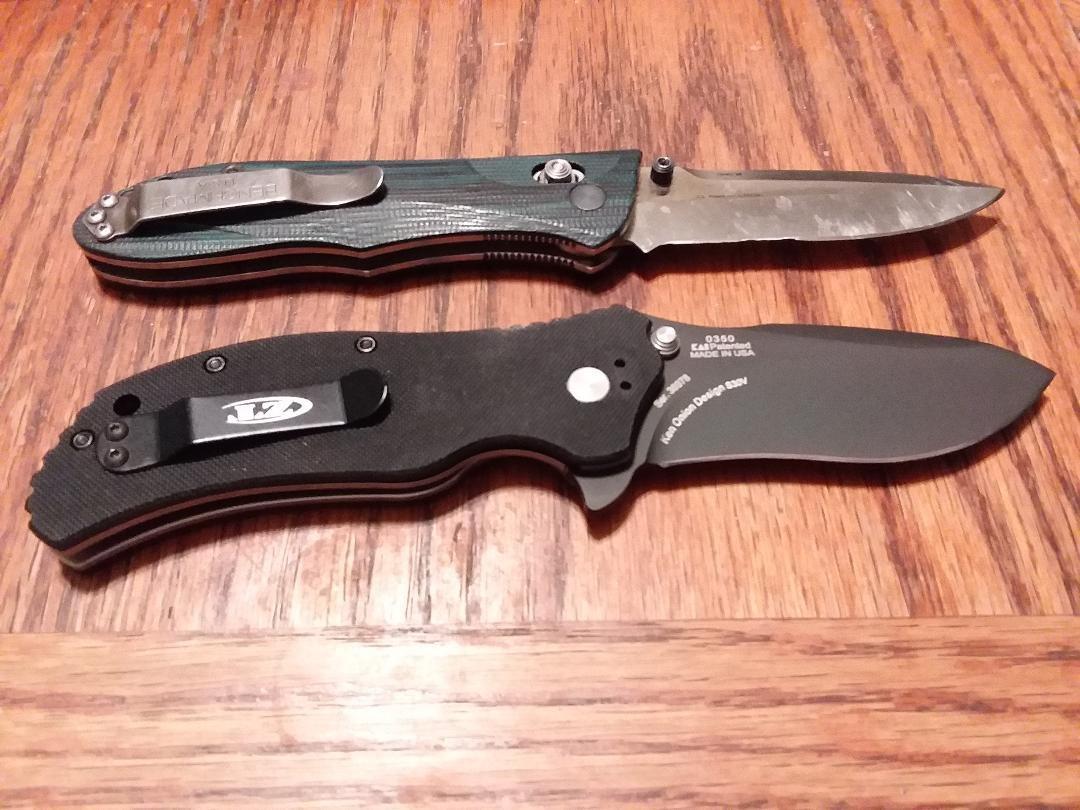
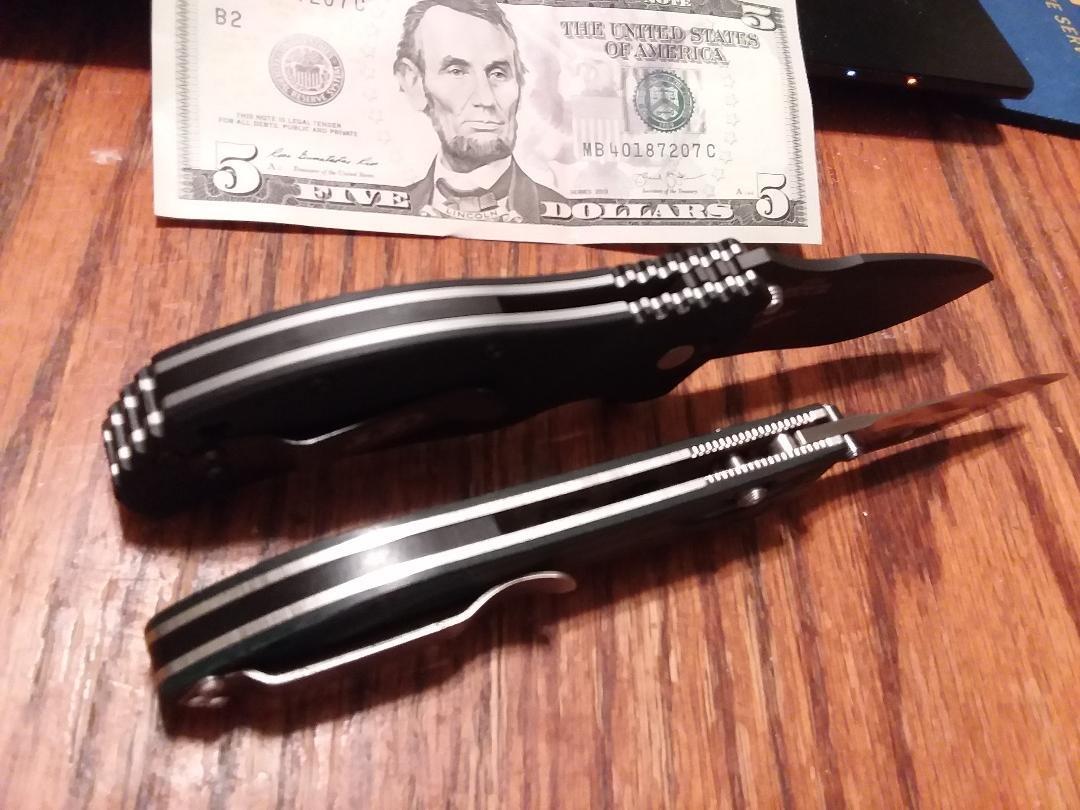
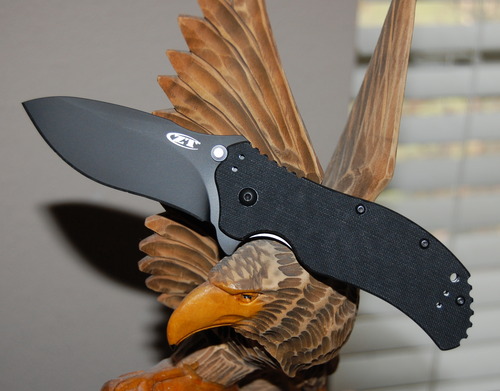
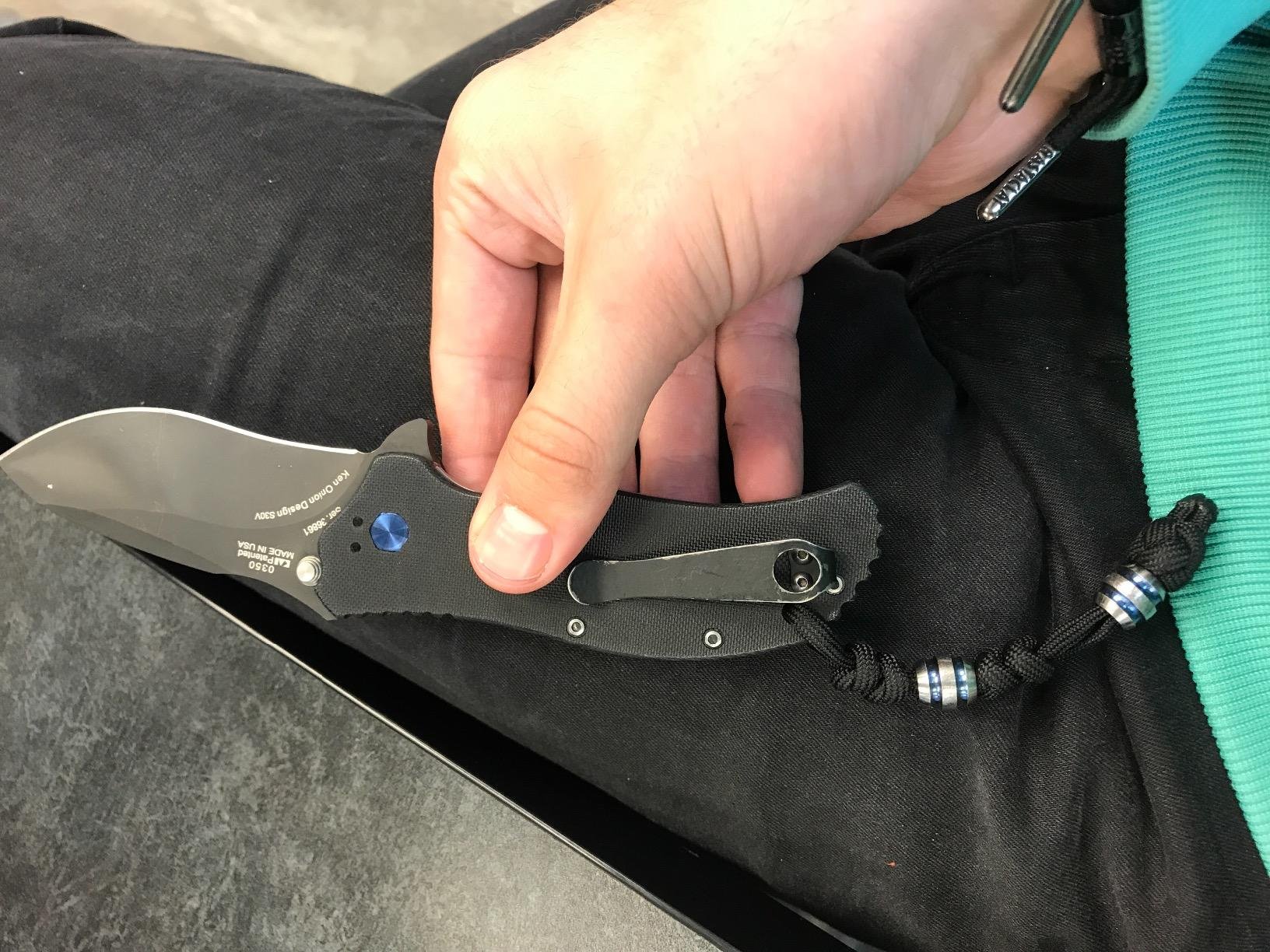
In the highly competitive, heavily saturated world of everyday carry (EDC) and tactical cutlery, very few brand names command the immediate, unwavering respect of Zero Tolerance (ZT). Born in 2006 out of a distinct, unfulfilled need for significantly stronger, harder-use folding tools specifically tailored for law enforcement, first responders, and military personnel, ZT has aggressively evolved into a premium luxury brand that literally defines the modern concept of an “overbuilt” pocket knife.
While the vast majority of the budget knife industry focuses entirely on mass-produced, overseas manufacturing utilizing softer, inferior steels—such as the highly disposable options we critically covered in our M-Tech Knife Reviews—Zero Tolerance stubbornly bucks that trend. ZT focuses relentlessly on precision American manufacturing in Tualatin, Oregon. They exclusively utilize premium, space-age metallurgy (like CPM-20CV, CPM-MagnaCut, and S35VN) paired with aerospace-grade handle materials like milled Titanium and high-weave Carbon Fiber.
They are the heavy-duty, luxury sibling to the popular Kershaw brand (both are proudly owned by KAI USA). However, where a Kershaw Blur acts as an excellent, affordable everyday user for opening boxes, a Zero Tolerance knife is engineered from the pivot up to survive a literal apocalypse, breach a car door, or effortlessly field-dress large game. In this comprehensive, deep-dive guide, we will brutally review the undisputed titans of the ZT lineup, compare their mechanics against industry rivals, and help you definitively decide if these “proudly overbuilt” tanks are right for your pocket.
The Genesis of Zero Tolerance: From Concept to Cutlery Royalty
Understanding the Zero Tolerance knife legacy requires a deeper dive into its origin story, a narrative that fundamentally separates ZT from virtually every other production knife company operating today. The year was 2006, and KAI USA—the American subsidiary of the Japanese KAI Group, already enormously successful with their Kershaw brand—identified a glaring, unfulfilled void in the domestic knife market. Law enforcement officers, military operators, and emergency first responders were desperately seeking folding knives that could withstand abuse levels typically reserved for fixed-blade tools, yet remained compact enough for everyday belt carry.
At the time, the tactical folding knife market was largely dominated by companies producing overseas-manufactured designs using mid-range steels like 154CM, VG-10, and ATS-34. While perfectly functional for civilian EDC tasks, these knives frequently failed under the extreme duress of professional tactical applications. Pivot screws would loosen under repeated impact, lock mechanisms would develop dangerous play, and blade edges would chip or roll when subjected to the kind of abuse that a police officer or combat medic might unintentionally inflict during a crisis situation.
The KAI USA Advantage: Manufacturing DNA
What made the ZT launch immediately credible wasn’t merely marketing hype—it was the genuine, pre-existing manufacturing infrastructure that KAI USA had already painstakingly built in Tualatin, Oregon. Unlike startup knife companies that outsource production to third-party OEM factories in China or Taiwan, Zero Tolerance knives emerged from a facility already populated with state-of-the-art CNC milling machines, experienced American machinists, and a deeply ingrained quality control culture inherited from decades of Kershaw production.
The strategic decision to position ZT as the premium, no-compromise sibling to Kershaw was nothing short of brilliant. Kershaw would continue dominating the sub-$100 market with innovative SpeedSafe assisted opening designs manufactured from affordable materials like 8Cr13MoV steel and glass-filled nylon handles. ZT, by contrast, would exclusively utilize the most advanced powder metallurgy blade steels available, pair them with handle materials sourced from the aerospace industry, and price their products accordingly in the $200 to $400 range. This deliberate market segmentation ensured both brands could thrive without cannibalizing each other’s customer base.
Early Collaborations That Defined the Brand
Zero Tolerance’s meteoric rise to prominence was substantially accelerated by their aggressive pursuit of collaborations with legendary custom knifemakers. Rather than relying solely on in-house designers, ZT leadership wisely recognized that partnering with already-established names in the custom knife world would instantly lend credibility to their production models. The earliest and most impactful of these collaborations was with Ken Onion, the Hawaiian-based custom maker who had already revolutionized the knife industry with his patented SpeedSafe assisted opening mechanism.
The resulting ZT 0300 series—and its slightly smaller sibling, the 0350—became instant classics. These knives took Onion’s signature ergonomic curves and paired them with massively overbuilt construction techniques that no custom maker could economically replicate at scale. The knife community immediately recognized that ZT wasn’t simply copying custom designs; they were actually improving upon them through the application of industrial manufacturing precision that hand-grinding could never match.
Subsequent collaborations with Rick Hinderer (yielding the 0560 and 0562 series), Dmitry Sinkevich (producing the elegant 0450 family), and Todd Rexford (resulting in the innovative 0801 and 0804 models) further cemented ZT’s reputation as the premier bridge between custom knife artistry and production knife accessibility. Each collaboration brought distinct design philosophies into the ZT ecosystem, creating a diverse catalog that appealed to tactical users, gentleman carriers, and hard-use enthusiasts alike.
Did You Know? Zero Tolerance’s name was deliberately chosen to communicate their engineering philosophy. In precision manufacturing, “zero tolerance” refers to the elimination of acceptable margins of error—every component must be perfect, every fit must be exact, and every knife must exceed expectations. This isn’t just branding; it’s literally the quality standard their Tualatin facility operates under.
Understanding ZT Blade Steel: A Comprehensive Metallurgy Guide
One of the primary justifications for Zero Tolerance’s premium pricing is their unwavering commitment to utilizing only the most advanced, high-performance blade steels available in modern metallurgy. If you’re going to invest $200 to $400 in a folding knife, understanding exactly what you’re getting in terms of edge retention, corrosion resistance, and toughness is absolutely essential. Let’s dissect every major steel type used across the ZT lineup.
CPM-S30V: The Workhorse That Built the Brand
When Zero Tolerance launched in 2006, CPM-S30V was widely considered the absolute pinnacle of production knife steel. Developed by Crucible Industries using their patented Crucible Particle Metallurgy process, S30V represented a quantum leap beyond traditional ingot-cast steels like 440C and 154CM. The particle metallurgy process involves atomizing molten steel into microscopic droplets that rapidly solidify into a fine powder, which is then consolidated under extreme heat and pressure through a process called hot isostatic pressing.
The result is a steel with an exceptionally uniform carbide distribution, completely eliminating the carbide banding and segregation issues that plague conventionally produced steels. For the knife user, this translates to superior edge stability, more consistent sharpening response, and significantly improved toughness compared to earlier high-wear-resistance steels. S30V contains 1.45% carbon, 14% chromium, 4% vanadium, and 2% molybdenum—a metallurgical recipe that delivers excellent wear resistance from the hard vanadium carbides while maintaining sufficient chromium in solution for meaningful corrosion resistance.
The ZT 0350, perhaps the most iconic model in the company’s history, has featured S30V as its standard blade steel for the majority of its production run. The steel’s ability to hold a working edge through extended periods of heavy cutting—whether breaking down cardboard, stripping wire, or processing game—made it the ideal choice for a knife marketed to law enforcement and military personnel who couldn’t afford to stop and sharpen their blade in the middle of a shift.
CPM-S35VN: Refining Perfection
In 2009, Crucible Industries introduced CPM-S35VN, a direct evolutionary upgrade to S30V developed in collaboration with renowned custom knifemaker Chris Reeve. The key metallurgical innovation was the addition of approximately 0.5% niobium, a rare earth element that serves a dual purpose in the steel matrix. First, niobium forms extremely hard, fine-grained carbides that supplement the vanadium carbides for enhanced wear resistance. Second, and more importantly, the niobium addition refines the overall grain structure of the steel, resulting in improved toughness and easier sharpening compared to S30V.
Zero Tolerance was among the earliest major production companies to adopt S35VN across their lineup, and for excellent reason. The steel offers a genuinely meaningful improvement in real-world performance, particularly in terms of how it responds to sharpening stones. While S30V can sometimes feel “gummy” or resistant on ceramic stones due to its high vanadium carbide content, S35VN’s refined grain structure allows abrasives to cut more efficiently, meaning less time at the sharpening station and more time using your knife.
Models like the ZT 0450, ZT 0452CF, and ZT 0220 have extensively utilized S35VN, particularly in designs where the blade geometry is relatively thin behind the edge and maximum sharpness is desired. The steel takes a screaming-sharp edge with minimal effort and holds that edge through reasonable use, though it will require touch-ups sooner than the more wear-resistant 20CV or M390 alternatives.
CPM-20CV and M390: The Edge Retention Kings
When Zero Tolerance began transitioning their premium models to CPM-20CV steel (and its metallurgically identical European cousin, Bohler M390), the knife community took immediate notice. These steels represent the current pinnacle of balanced high-performance stainless steel, offering an almost unbelievable combination of extreme wear resistance, excellent corrosion resistance, and sufficient toughness for folding knife applications.
The metallurgical secret behind 20CV/M390 lies in its extraordinarily high vanadium carbide content, driven by 4% vanadium in the alloy composition alongside 1.9% carbon and 20% chromium. The massive volume of extremely hard vanadium carbides (measuring approximately 82-84 on the Rockwell C scale, compared to the surrounding steel matrix at 60-62 HRC) provides abrasion resistance that dramatically exceeds S30V and S35VN. In standardized CATRA edge retention testing, 20CV consistently demonstrates 25-30% better wear resistance than S30V, translating to noticeably longer intervals between sharpenings in real-world use.
The ZT 0562TI, ZT 0357, and limited edition ZT 0393 models all feature 20CV as their standard blade steel. For users who prioritize maximum edge retention above all other considerations—contractors cutting abrasive materials all day, hunters processing multiple animals in the field, or anyone who simply hates sharpening knives—20CV is arguably the ideal production steel currently available. The trade-off, predictably, is that 20CV is significantly more challenging to sharpen than simpler steels, absolutely requiring diamond or CBN abrasives for efficient material removal.
CPM-MagnaCut: The New Frontier
In 2021, the knife world was fundamentally shaken by the introduction of CPM-MagnaCut, a revolutionary stainless steel developed by metallurgist Dr. Larrin Thomas specifically and exclusively for cutlery applications. Unlike every previous knife steel, which were all adapted from existing industrial tool steel formulations, MagnaCut was designed from first principles using computational thermodynamics to optimize the exact properties knife users care about most.
The genius of MagnaCut lies in its complete elimination of chromium carbides from the microstructure. Traditional stainless steels derive their corrosion resistance from chromium, but when chromium combines with carbon to form chromium carbides, it’s effectively removed from the steel matrix and contributes nothing to rust resistance. MagnaCut solves this problem by using vanadium and niobium as the primary carbide formers, leaving virtually all of the chromium (10.7%) dissolved in the iron matrix where it can provide maximum corrosion protection.
The practical result is a steel that offers corrosion resistance comparable to LC200N (the nitrogen steel used in Spyderco’s Salt series), edge retention exceeding S35VN and approaching 20CV, and toughness that dramatically outperforms nearly every other stainless steel on the market. Zero Tolerance has begun incorporating MagnaCut into select limited edition and sprint run models, and industry insiders expect it to eventually replace 20CV across much of the premium lineup as supply chains mature.
ZT Steel Comparison Matrix
| Steel Type | Edge Retention | Corrosion Resistance | Toughness | Sharpening Difficulty | Primary ZT Models |
|---|---|---|---|---|---|
| CPM-S30V | Very Good (7/10) | Good (7/10) | Good (6/10) | Moderate | 0350, 0350TS, 0300 Series |
| CPM-S35VN | Very Good (7/10) | Good (7/10) | Very Good (7/10) | Moderate | 0450, 0452CF, 0220, 0460 |
| CPM-20CV / M390 | Excellent (9/10) | Excellent (8/10) | Good (6/10) | Difficult | 0562TI, 0357, 0393, 0640 |
| CPM-MagnaCut | Excellent (8/10) | Outstanding (9/10) | Excellent (9/10) | Moderate | Select Limited Editions |
| CPM-154 | Good (6/10) | Good (7/10) | Very Good (7/10) | Easy | Early ZT Models (Discontinued) |
The Legends: Top Zero Tolerance Models Exhaustively Reviewed
1. ZT 0350: The Tactical Workhorse
If there is one single knife that definitively put the Zero Tolerance brand on the map for the general, civilian knife-collecting public, it is undoubtedly the Model 0350. Designed by the legendary custom knifemaker Ken Onion, this iconic blade is frequently (and accurately) described as the “massively beefed up” tactical version of the classic Kershaw Blur.
It features the exact same rapid-fire SpeedSafe® assisted opening mechanism, but that is precisely where the similarities end. The 0350 utilizes incredibly thick, heavily textured G10 handle scales mapped over massive stainless steel liners, locking open a wide, recurve blade forged from premium S30V stainless steel (often coated in a non-reflective Tungsten DLC). It is exceptionally wide, unashamedly heavy (tipping the scales at 6.2 ounces), and fills a gloved hand with absolute authority.
The blade geometry on the 0350 deserves special attention because it represents a fascinating compromise between cutting efficiency and raw durability. The recurve shape—where the cutting edge curves inward slightly before sweeping back out toward the tip—effectively increases the functional cutting surface within a given blade length. When you draw the knife through material, the recurve section naturally grabs and pulls the material into the edge, creating a self-feeding cutting action that’s particularly effective on fibrous materials like rope, seatbelts, and heavy fabric.
However, the recurve geometry also introduces sharpening challenges that new ZT owners should anticipate. Traditional flat sharpening stones cannot effectively reach the entire recurve section, necessitating either specialized rounded ceramic rods (like those found on the Spyderco Sharpmaker) or careful technique with the corner of a bench stone. This is not a dealbreaker by any means—the performance benefits of the recurve far outweigh the minor sharpening inconvenience—but it’s a consideration that separates the 0350 from simpler drop-point or clip-point designs.
The SpeedSafe assisted opening system on the 0350 is powered by a robust torsion bar that provides consistent, authoritative deployment regardless of environmental conditions. Unlike manual flippers that can be finicky when your hands are cold, wet, or gloved, the 0350’s spring-assisted mechanism essentially guarantees reliable one-handed opening in any situation. The flipper tab is generously sized and aggressively textured, providing positive purchase even with heavy winter gloves or when fine motor control is compromised by stress or fatigue.
While some urban EDC users might find it unnecessarily bulky compared to a slender, discreet QSP Hawk, the 0350 is explicitly designed for high-stress environments and heavy-duty utility. It successfully bridges the massive gap between a folding pocket knife and a fixed-blade survival tool. The quad-mount pocket clip system deserves mention as well, offering tip-up, tip-down, left-side, and right-side carry options that accommodate virtually any carry preference or uniform requirement.
2. ZT 0450: The Titanium Gentleman’s Tank
On the exact opposite end of the ZT design spectrum lies the Dmitry Sinkevich-designed 0450. This specific model revolutionized the brand by proving to the industry that “overbuilt” doesn’t inherently have to mean “heavy, thick, and ugly.” The 0450 represents ZT’s successful pivot toward the premium gentleman’s carry market—a segment traditionally dominated by brands like Chris Reeve Knives and custom makers charging exponentially more than ZT’s production pricing.
Utilizing fully 3D-machined titanium handles and a sleek, aggressive 3.25-inch drop-point blade forged from S35VN steel, the 0450 ditches the heavy assist spring entirely. Instead, it runs on ZT’s proprietary KVT (Kershaw Velocity Technology) captured ball-bearing pivot system. The result is a purely manual flipping action that is terrifyingly fast and glass-smooth. The bearing system uses stainless steel ball bearings encased in a phosphor-bronze cage, providing the low-friction deployment characteristics of an open bearing design while eliminating the risk of bearing migration or loss during disassembly.
The titanium frame lock on the 0450 is a masterclass in precision machining. The lockbar engagement surface is fitted with a hardened steel insert that performs two critical functions: it prevents the galling and adhesive wear that can occur when titanium rubs against hardened blade steel, and it provides a consistent, predictable lockup geometry that doesn’t change as the knife breaks in over thousands of openings. The lockup typically falls between 20-30% engagement on a new knife, settling into a rock-solid 30-40% after the break-in period.
One of the most frequently overlooked design elements on the 0450 is the pocket clip, which ZT intentionally designed as a milled titanium component rather than the stamped steel clips found on their tactical models. The milled clip is visually consistent with the handle’s aesthetic, provides excellent retention without being overly difficult to slide over thick pocket seams, and features a subtle ceramic ball detent at the contact point that prevents excessive pocket wear over years of daily carry.
It competes directly and fiercely with high-end, custom gentleman folders. If you deeply appreciate the classy aesthetics found in the Blue Ridge Knives collector’s catalog but demand modern super-steels and a flawless titanium frame lock, the 0450 is your definitive answer. At just 2.9 ounces, it completely disappears in a suit pocket but deploys instantly when needed. The carbon fiber variant (0450CF) shaves an additional 0.3 ounces while adding a visually striking contrast between the dark carbon fiber show scale and the stonewashed titanium lock side.
3. ZT 0562TI: The Ultimate Hinderer Slicer
Based heavily on custom knifemaker Rick Hinderer’s world-famous (and largely unobtainable) XM-18 design, the 0562TI is widely argued to be the absolute best pure “slicer” in the entire heavy-duty ZT catalog. The backstory of this collaboration is worth understanding because it explains why the 0562TI exists in its current form. Rick Hinderer’s custom XM-18 folders command secondary market prices routinely exceeding $1,000 due to extremely limited supply and overwhelming demand. ZT recognized an opportunity to deliver 95% of the XM-18 experience at roughly 25% of the cost, and the 0562TI is the result of that vision.
It features a high flat-ground blade (a “slicer” grind) almost exclusively made from CPM-20CV—a highly advanced powder metallurgy steel offering incredible, marathon-level edge retention and extreme corrosion resistance. The “slicer” grind terminology refers to the blade’s primary bevel geometry: rather than a thick, robust grind optimized for prying and impact (like Hinderer’s “spanto” grind), the slicer grind features a thinner cross-sectional profile with more acute edge geometry. This translates to dramatically better cutting performance through dense materials like cardboard, heavy plastic, and meat, albeit with slightly reduced tip strength compared to more robust grind options.
The flipper tab geometry on the 0562TI is particularly noteworthy. Hinderer designed the tab with a distinctive forward-leaning angle that naturally guides the user’s index finger into the optimal loading position for deployment. Unlike some flipper designs that require precise finger placement to avoid painful “flipper bite” or failed deployments, the 0562TI’s tab is forgiving and intuitive, reliably firing the blade open with light-switch, push-button, or even reverse-flick techniques.
While a cheap Smith & Wesson tactical knife might merely look aggressive, the ZT 0562 actually delivers the brutal physical performance required for real tactical and survival use. The hardened steel lockbar insert on the titanium frame is over-travel prevented by an internal stop pin precisely positioned to prevent the lockbar from traveling past the optimal engagement point, even under extreme spine pressure or impact loading.
The massive titanium frame lock mechanism is brilliantly reinforced with a hardened steel lockbar insert. This crucial engineering detail ensures the softer titanium doesn’t wear down or suffer from “lock stick” over decades of aggressively flicking the knife open. Lock stick—the tendency for titanium frame locks to feel “sticky” or require excessive force to disengage—is a well-documented phenomenon caused by microscopic galling between the titanium lockbar face and the hardened blade tang. The steel insert completely eliminates this issue while also providing a replaceable wear surface that theoretically extends the knife’s functional lifespan indefinitely.
Deep Dive: Additional ZT Models Worth Your Attention
ZT 0452CF: The Long-Blade Gentleman
For those who admire the elegant proportions of the 0450 but require additional blade length for their cutting tasks, the ZT 0452CF represents the natural step up in the Sinkevich-designed family. With a 4.1-inch blade of CPM-S35VN steel housed in a carbon fiber and titanium handle, the 0452CF pushes right up against legal carry limits in many jurisdictions while delivering full-sized cutting performance in a package that weighs just 3.3 ounces. The blade-to-handle ratio on this model is among the best in the entire production knife industry, with almost no wasted space in the handle design. The elongated, sweeping drop-point blade provides exceptional belly for slicing operations while maintaining a needle-like tip capable of precision piercing tasks.
ZT 0308: The Modern Tactical Evolution
As the spiritual successor to the original 0300 series that launched the brand, the ZT 0308 represents a complete reimagining of what a modern tactical folder should be. Gone is the SpeedSafe assist mechanism; in its place, ZT installed their KVT ball-bearing pivot for silky-smooth manual deployment. The blade steel has been upgraded to CPM-20CV, the handle now features a more ergonomic contour with improved traction under the fingers, and the overall weight has been reduced by nearly an ounce compared to the original 0300. The 0308 retains the beloved “tiger stripe” blade coating option and the quad-mount pocket clip system that made the original series so popular with uniformed personnel, but the entire package feels significantly more refined and contemporary. The primary grind has been redesigned with a higher flat grind and thinner edge geometry, dramatically improving cutting performance while maintaining the robust tip strength that tactical users demand.
ZT 0640: The Emerson Design Legacy
The ZT 0640 occupies a unique position in the lineup as a production version of Ernest Emerson’s custom Viper design. Emerson, widely credited with inventing the modern tactical folding knife and popularizing the “wave shaped feature” rapid deployment system, brought his signature design language to ZT in spectacular fashion. The 0640 features a distinctive upswept trailing-point blade shape that provides exceptional belly for slicing and a reinforced tip geometry that resists breaking under lateral stress. The handle incorporates Emerson’s characteristic ergonomic contours, with a pronounced index finger groove and thumb ramp that lock the hand into a secure grip position. The blade deploys via a thumb disk rather than a flipper tab—a deliberate design choice that reflects Emerson’s preference for slow-roll deployment methods that don’t telegraph the knife’s presence in social or professional settings. CPM-20CV steel and a titanium frame lock with steel insert complete the premium package.
ZT 0393: The Hinderer Workhorse
Sitting between the 0562TI and the smaller Hinderer collaborations, the ZT 0393 represents what many enthusiasts consider the ideal size compromise for daily carry. The 3.5-inch blade offers sufficient length for the vast majority of everyday cutting tasks without crossing into “large knife” territory that might raise eyebrows in office environments. The G10 and titanium handle construction shaves significant weight compared to the full-titanium 0562TI, bringing the 0393 down to approximately 4.3 ounces—still substantial enough to convey quality and durability, but light enough to carry comfortably in lightweight pants or shorts. The harpoon-style swedge on the blade spine adds visual drama while also reducing the blade’s cross-sectional profile for improved piercing penetration. Available in both standard and glow-in-the-dark carbon fiber variants, the 0393 has become one of ZT’s most sought-after models among collectors who appreciate its unique aesthetic blend of tactical aggression and refined detailing.
ZT 0470: The Sinkevich Evolution
Building on the phenomenal success of the 0450 platform, Dmitry Sinkevich returned to the drawing board to create the ZT 0470—a larger, more feature-rich expression of his design philosophy. The most immediately noticeable upgrade is the handle construction, which incorporates a marbled carbon fiber insert set into a milled titanium frame. The visual effect is stunning, elevating the knife’s aesthetic far beyond what its $240 price point would suggest. The 3.4-inch blade is ground from CPM-20CV and features a modified drop-point profile with a subtle swedge that adds visual interest without compromising tip strength. The flipper tab has been redesigned with a more aggressive texture pattern and slightly revised geometry that some users find even more intuitive than the already-excellent 0450 tab. The 0470 arguably represents the pinnacle of ZT’s ability to produce knives that look and feel like custom pieces costing three to four times as much.
ZT 0220: The Jens Anso Influence
Danish custom knifemaker Jens Anso brought his distinctive Scandinavian design sensibilities to ZT in the form of the 0220, a knife that stands apart from virtually everything else in the lineup. Anso’s designs are characterized by organic, pebble-like contours that prioritize ergonomic comfort above tactical aggression, and the 0220 exemplifies this philosophy perfectly. The handle features a unique “tumbled” finish that mimics the appearance of a well-worn river stone, while the blade deploys via a generously sized flipper tab into a solid titanium frame lock. The S35VN blade shape incorporates Anso’s signature “tanto-inspired” geometry—not a true tanto, but a modified sheepsfoot with a reinforced tip section that provides exceptional piercing capability and tip durability. At 5.6 ounces, the 0220 is undeniably heavy for its size, but the mass contributes to an incredibly solid, vault-like feel that many ZT enthusiasts specifically seek out.
Top Picks & Current Availability
Due to high demand and strict production runs, specific ZT models frequently go out of stock. Here are the most reliable, flagship models currently available for purchase.

ZT 0350TS (Tiger Stripe)
The undisputed classic Ken Onion tactical design. Features a brutal recurve S30V blade, aggressive SpeedSafe assist, and heavy G10 scales.
Check Availability
ZT 0450CF (Carbon Fiber)
Exceptionally lightweight, undeniably classy, and surgical. Features a DLC-coated blade, titanium frame lock, and gorgeous emerald green standoffs.
Check Availability
ZT 0562TI (Hinderer)
A full, raw titanium handle paired with a CPM-20CV slicer blade. The absolute ultimate production version of the legendary Hinderer XM-18.
Check Availability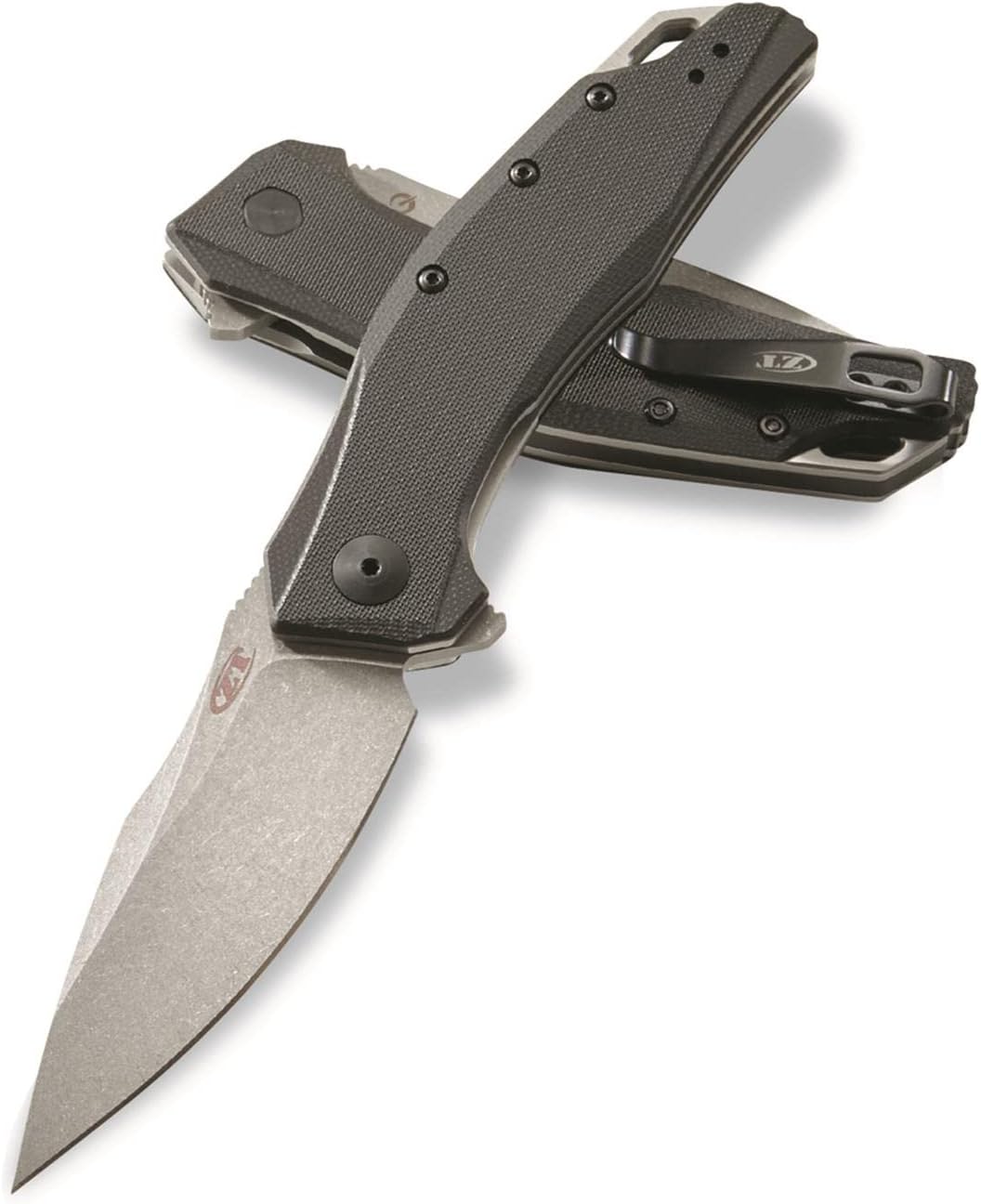
ZT 0357 (Working Finish)
A premium, heavily capable EDC liner lock featuring 20CV super-steel and SpeedSafe assist, offered at a slightly more accessible price point for the brand.
Check AvailabilityZT Lock Mechanisms: Engineering Confidence
Zero Tolerance’s reputation for overbuilt reliability stems largely from their uncompromising approach to lock mechanism design and execution. Unlike budget knife manufacturers who often treat the lock as an afterthought—a simple stamped steel liner that engages the blade tang with minimal surface contact—ZT engineers their locks as integrated systems with multiple redundancies and failure-prevention features.
Titanium Frame Lock: The ZT Signature
The titanium frame lock, popularized by Chris Reeve’s Sebenza in the 1990s, is the most common locking mechanism across the premium ZT lineup. The operating principle is elegantly simple: a portion of the handle scale (the lockbar) is cut away from the main frame, leaving it attached only at its base. This creates a natural spring that biases the lockbar inward against the blade tang when the knife is opened. When the blade reaches its fully deployed position, the lockbar snaps into place behind the tang, physically preventing the blade from closing.
However, ZT’s implementation of the frame lock differs from the industry standard in several critical respects that elevate their knives above competitors. First, every ZT titanium frame lock incorporates a hardened steel lockbar insert—a small, replaceable piece of hardened tool steel that forms the actual contact surface with the blade tang. Titanium, while excellent for handle construction due to its strength-to-weight ratio and corrosion resistance, is a relatively poor bearing surface. Over time, titanium lockbars can experience galling (microscopic welding between the titanium and the blade steel), leading to the dreaded “lock stick” phenomenon or, in extreme cases, complete lock failure due to excessive wear. The steel insert eliminates these concerns entirely.
Second, ZT’s frame locks feature an internal over-travel prevention mechanism. In a basic frame lock design, applying extreme force to the spine of the blade can cause the lockbar to flex outward, potentially disengaging the lock and allowing the blade to close on the user’s fingers. ZT’s solution is an internal stop pin positioned precisely to limit the lockbar’s outward travel to the minimum distance required for safe disengagement. This provides a hard mechanical limit that prevents over-travel even under abusive spine pressure.
Liner Lock: The Lightweight Alternative
While frame locks dominate the premium ZT segment, several important models—most notably the ZT 0357—utilize high-quality liner locks to achieve lighter weight and lower cost without sacrificing meaningful strength. ZT’s liner locks are a far cry from the flimsy stamped steel liners found on budget knives; they’re precision-machined from thick stock, carefully heat-treated, and hand-fitted to each individual blade tang for optimal engagement.
The ZT 0357’s liner lock, for example, engages with approximately 40% of the lockbar’s width contacting the blade tang—well within the optimal range that provides sufficient engagement for strength without risking over-travel as the lock wears in. The lockbar face is precisely ground to the correct angle for smooth disengagement without stick, and the tension is calibrated to provide positive engagement without requiring excessive thumb pressure to release.
KVT Ball Bearing Pivot System
While not technically a lock mechanism, ZT’s KVT (Kershaw Velocity Technology) bearing pivot system is integral to the deployment experience on their manual-opening models and deserves detailed explanation. The system consists of stainless steel ball bearings captured within a phosphor-bronze cage that sits between the blade and the handle on both sides of the pivot. As the blade rotates, the ball bearings roll against precision-ground steel washers, providing dramatically lower friction than traditional phosphor-bronze washer systems.
The “captured” aspect of the bearing cage is particularly important for user-serviceability. Open-bearing designs (where loose ball bearings sit in a groove machined into the blade or handle) can be frustrating to reassemble because the bearings have a tendency to fall out and scatter during disassembly. ZT’s captured bearing system keeps everything contained within the phosphor-bronze cage, making routine maintenance and cleaning dramatically simpler.
Zero Tolerance vs. The Cutlery Industry
When you are considering spending upwards of $200 to $350 on a single pocket knife, you absolutely need to know exactly how it mathematically and physically stacks up against other options in the broader market. Here is how ZT compares to the heavy hitters.
ZT vs. Budget & Mid-Range Options (Ontario, Civivi)
Is a Zero Tolerance truly worth 10 times the price of a legendary budget folder like the Ka-Bar Dozier or an Ontario RAT 1? The answer lies entirely in manufacturing longevity, material science, and catastrophic failure limits. Budget knives overwhelmingly rely on softer, high-volume steels (like 8Cr13MoV, D2, or AUS-8) and vastly cheaper, thinner locking mechanisms.
A ZT titanium frame lock or reinforced liner lock is meticulously engineered to physically withstand hundreds of pounds of negative pressure (spine whacks) without buckling or failing, ensuring your fingers remain attached during a high-stress emergency. They operate similarly to the crossbar locking mechanism found on the SOG-TAC XR, but are machined with exponentially tighter tolerances and hand-fitted lockbars.
ZT Folders vs. Dedicated Fixed Blades
A highly common, hotly debated topic in survival forums is whether a “tough” folder can legitimately replace a fixed blade in the woods. For heavy, brutal bushcraft tasks—such as violently batoning through thick oak logs to make a fire—we will always firmly recommend a dedicated, full-tang fixed blade like the Fallkniven S1 or the flat-ground ESEE JG3. A folding pivot is inherently a mechanical weak point.
However, for urban tactical use, first responders, or heavy construction work where openly carrying a 5-inch fixed blade on your belt is simply not legally feasible or socially acceptable, a massive folder like the ZT 0350 or 0562 is undeniably the absolute closest you will ever get to fixed-blade structural strength in a pocketable package.
ZT vs. Maritime & Corrosion Resistance
Most modern ZT knives utilize premium CPM-20CV or S35VN metallurgy. While these are technically classified as “stainless” steels, they are absolutely not 100% rust-proof. If you are a commercial fisherman or work in a highly corrosive, humid marine environment, the Spyderco Caribbean (which exclusively utilizes LC200N nitrogen steel) is a vastly superior choice. ZT is designed specifically to conquer grit, dirt, and heavy impact, while the Caribbean is designed exclusively to conquer salt and water.
ZT vs. Spyderco: The Great American Knife Rivalry
No discussion of premium production knives would be complete without addressing the elephant in the room: the ongoing rivalry between Zero Tolerance and Spyderco. These two American companies represent fundamentally different design philosophies that appeal to different segments of the knife-buying public, and understanding the distinction is crucial for making an informed purchase decision.
Spyderco, founded in 1976 and headquartered in Golden, Colorado, has always prioritized cutting performance and ergonomics above all other considerations. Their knives are characterized by distinctive leaf-shaped blades with full flat grinds, the iconic round hole opener, and handle designs that prioritize secure grip over aesthetic appeal. Spyderco’s approach to materials is more democratic than ZT’s—they offer knives across the entire price spectrum, from $50 budget models in BD1N steel to $400+ premium models in Maxamet or S110V.
ZT, by contrast, positions itself exclusively in the premium tier and prioritizes build quality, action smoothness, and overbuilt durability as their primary value propositions. A ZT knife feels substantial in hand in a way that most Spydercos simply don’t, and the deployment action on a well-tuned KVT bearing pivot is objectively smoother and more satisfying than the nylon or phosphor-bronze washer pivots Spyderco typically employs.
The choice between these brands ultimately comes down to personal priorities. If maximum cutting efficiency, lightweight carry, and a diverse range of specialty blade steels are your primary concerns, Spyderco’s lineup is difficult to beat. If you prioritize premium materials, flawless fit and finish, and a rock-solid feeling of mechanical confidence, ZT is likely the better fit for your needs.
Quick Specs Comparison Matrix
| Model Name | Blade Steel | Handle Material | Opening Mechanism | Primary Intended Use |
|---|---|---|---|---|
| ZT 0350 | CPM-S30V | Textured G10 | SpeedSafe® Assist (Spring) | Tactical / Heavy Duty Field Work |
| ZT 0450 | CPM-S35VN | Titanium / Carbon Fiber | KVT Ball Bearings (Manual) | Gentleman’s Urban EDC |
| ZT 0562TI | CPM-20CV | Full Titanium | KVT Ball Bearings (Manual) | Hard Use / Extreme Slicing |
| ZT 0357 | CPM-20CV | G10 | SpeedSafe® Assist (Spring) | Premium Daily Utility |
| Kershaw Blur (Comparison) | 14C28N / S30V | Aircraft Aluminum | SpeedSafe® Assist (Spring) | Excellent Budget Alternative |
Zero Tolerance Knife Care and Maintenance Guide
Investing $200 to $400 in a premium Zero Tolerance knife represents a significant commitment, and protecting that investment through proper maintenance is essential for ensuring decades of reliable service. ZT knives are engineered for hard use, but even the most robust mechanical systems benefit from regular cleaning, lubrication, and adjustment.
Disassembly and Cleaning Procedure
ZT designs their knives with user-serviceability in mind, and most models can be fully disassembled for deep cleaning using standard Torx drivers (typically T6 for body screws and T8 for pivot screws). Before disassembling any knife, it’s wise to heat the screws briefly with a soldering iron or hairdryer—ZT applies a medium-strength thread locker at the factory to prevent screws from loosening during use, and attempting to remove cold screws can strip the delicate Torx heads.
Once disassembled, clean all components with isopropyl alcohol and a lint-free cloth. Pay particular attention to the bearing races in the blade and handle—accumulated pocket lint, dust, and dried lubricant can create a gritty feeling that diminishes the smooth action ZT is famous for. For KVT bearing models, carefully remove the bearing cages and clean both the cages and the steel washers they ride against. A soft-bristled toothbrush is excellent for dislodging stubborn debris from bearing cages without damaging the delicate components.
Lubrication Best Practices
After cleaning, apply a high-quality knife-specific lubricant sparingly to the pivot area, detent ball track, and lockbar engagement surfaces. Nano-oil, KPL (Knife Pivot Lube), and Daiwa reel oil are all excellent choices that provide long-lasting lubrication without attracting excessive dust. The key is restraint—a single drop applied to the bearing surfaces is typically sufficient. Excess lubricant will migrate out of the pivot and attract contaminants, ultimately creating more problems than it solves.
Sharpening ZT Super-Steels
Sharpening the high-alloy super-steels used in ZT blades requires different tools and techniques than sharpening simpler steels like 8Cr13MoV or AUS-8. Traditional aluminum oxide sharpening stones (like those found in most hardware store sharpening kits) will struggle to effectively cut the hard vanadium carbides in S30V, S35VN, and especially 20CV. For efficient sharpening, diamond abrasives are strongly recommended.
A guided sharpening system like the KME Precision Sharpener or Edge Pro Apex provides the most consistent results for users who aren’t experienced freehand sharpeners. These systems hold the stone at a precise, repeatable angle, eliminating the variable of human inconsistency. For experienced freehand sharpeners, DMT diamond plates or Atoma diamond plates in the 300-1200 grit range provide excellent material removal rates and leave a functional edge suitable for most EDC tasks.
ZT’s factory edge angle is typically 20-22 degrees per side—slightly more obtuse than the 15-17 degree edges common on kitchen knives, but appropriate for a hard-use folding knife where edge stability under lateral stress takes priority over absolute sharpness. Maintaining this angle (or slightly lowering it to 18-20 degrees for improved cutting performance) will provide the best balance of sharpness and durability.
Pro Tip: ZT offers complimentary lifetime sharpening for all their knives. Simply ship your knife to their Tualatin, Oregon facility, and their trained technicians will restore the factory edge using the same equipment that sharpened it originally. You’re only responsible for return shipping costs. This service alone justifies a significant portion of the premium price for users who aren’t confident in their sharpening abilities.
Carrying Your ZT: Legal Considerations and Practical Tips
Zero Tolerance knives, particularly the larger tactical models, can present legal challenges in jurisdictions with restrictive knife laws. Understanding the relevant regulations in your area is not optional—it’s essential for avoiding potentially serious legal consequences including felony weapons charges in some jurisdictions.
Blade Length Restrictions
The most common legal restriction affecting ZT knives is blade length limitations. Many municipalities restrict the carry of folding knives with blades exceeding 3 inches, while others set the limit at 3.5 inches or 4 inches. The ZT 0450 (3.25-inch blade) and ZT 0350 (3.25-inch blade) generally comply with the most common 3.5-inch restrictions, while the ZT 0452CF (4.1-inch blade) and ZT 0562TI (3.5-inch blade) push closer to common limits. Always verify your local ordinances before carrying any knife, and remember that federal buildings, schools, and airports impose their own additional restrictions that may be more stringent than state or local laws.
Assisted Opening Considerations
ZT’s SpeedSafe assisted opening mechanism occupies a distinct legal category that differs from automatic (switchblade) knives. Because the blade must be manually moved from the closed position before the spring assist engages, SpeedSafe knives are generally legal in jurisdictions that prohibit automatics. However, some municipalities define “gravity knife” or “switchblade” broadly enough to potentially encompass assisted openers, and New York City’s historically aggressive prosecution of gravity knife cases (only recently reformed in 2019) serves as a cautionary tale. If you live in or travel to an area with ambiguous knife laws, opting for a manual KVT bearing model like the 0450 or 0562TI eliminates this potential legal gray area entirely.
International Travel
International travel with any knife, including ZT folders, requires careful research and a high degree of caution. Many countries—including the United Kingdom, Australia, and Japan—have knife laws dramatically more restrictive than those in the United States. The UK, for example, prohibits carrying any locking folding knife in public without a specific lawful reason, regardless of blade length. Traveling internationally with a ZT knife typically requires packing it in checked luggage (never carry-on) and thoroughly researching the destination country’s laws regarding knife possession and carry.
Watch the Legendary ZT 0350 in Action
Written words and macro photography can only convey so much about the visceral, aggressive “thwack” sound of a massive Zero Tolerance blade deploying. Check out this highly detailed video review to witness the hand-filling ergonomics and brutal cardboard cutting tests in real-time.
Zero Tolerance as a Collector’s Investment
While knives should first and foremost be viewed as tools rather than financial instruments, the reality of the premium knife market is that certain Zero Tolerance models have demonstrated remarkable value retention and even appreciation over time. Understanding which models tend to appreciate and why can help buyers make informed decisions, particularly if they anticipate potentially selling or trading their knives in the future.
Limited Editions and Sprint Runs
ZT’s limited edition and sprint run models are the most reliable performers in terms of value retention. These knives are produced in deliberately small quantities—often 500 units or fewer—and feature unique materials, finishes, or design variations not available in the standard production lineup. Once the production run sells out, secondary market prices typically stabilize at or above the original MSRP, and particularly desirable configurations can command significant premiums.
The ZT 0393GLCF (Glow Carbon Fiber) sprint run, for example, sold out within days of its release and now commands prices 30-50% above its original retail on the secondary market. Similarly, the ZT 0609BLUBLK (Blue-Black sprint run) and various dealer-exclusive configurations have proven to be excellent stores of value for collectors who managed to acquire them at retail.
Discontinued Models
When ZT discontinues a popular model, secondary market prices typically rise as available inventory is absorbed by collectors and enthusiasts. The original ZT 0300 series, discontinued in favor of the modernized 0308, now commands prices approaching or exceeding original retail on the used market—a remarkable feat for production knives that were produced in substantial quantities. The ZT 0801, designed by Todd Rexford and discontinued several years ago, has become particularly sought-after, with clean examples routinely selling for $50-100 above their original $200 price point.
Factory Customization and Special Editions
ZT occasionally releases factory-customized versions of standard models through their Custom Shop or as dealer exclusives. These knives feature unique anodization, custom hardware, or upgraded blade finishes applied at the factory level, making them distinct from standard production models while maintaining full factory warranty coverage. The value premium on these pieces varies widely depending on the specific configuration and the number of units produced, but they generally outperform standard models in terms of long-term value retention.
Expert Frequently Asked Questions (FAQ)
Zero Tolerance knives are 100% proudly manufactured and meticulously assembled in Tualatin, Oregon, USA. The steep retail cost accurately reflects fair, domestic American labor wages, the procurement of ultra-premium materials (like CPM-20CV particle metallurgy steel, aerospace titanium, and carbon fiber), and their notoriously strict, industry-leading quality control tolerances.
Unlike a budget Victorinox Cadet which is rapidly mass-stamped by the thousands, ZT knives involve hours of highly complex, low-volume precision CNC machining and individual hand-tuning by master craftsmen. Every single ZT knife is hand-assembled, hand-sharpened, and individually inspected before leaving the factory—a level of human involvement that simply cannot be replicated at budget price points.
Absolutely not. While legacy, iconic models like the ZT 0350 and ZT 0357 heavily feature the patented SpeedSafe® torsion-bar assisted opening mechanism, the vast majority of modern, flagship ZT models (such as the 0450, 0452, and 0562) are strictly manual flippers.
These modern manual knives utilize ZT’s highly acclaimed KVT (Kershaw Velocity Technology) captured ball-bearing pivot system, which provides an astoundingly smooth, frictionless, gravity-dropping action without any springs attached. The KVT system is widely considered one of the best production bearing pivots in the industry, rivaling or exceeding the action quality found on custom knives costing significantly more.
CPM-20CV is a heavily alloyed, extremely hard super-steel (routinely heat-treated to an impressive 60-62 HRC). Standard, cheap carbide pull-through sharpeners found in kitchen stores will absolutely ruin the edge and won’t cut the steel. The high volume of vanadium carbides in 20CV (approximately 4% vanadium) creates wear resistance that conventional aluminum oxide abrasives simply cannot overcome efficiently.
To successfully re-profile or sharpen 20CV, you will effectively require aggressive diamond sharpening plates, ceramic rods, or high-end guided angle systems (like a KME or Edge Pro). It undeniably takes much longer to sharpen than the soft AUS-8 steel found in a budget Ka-Bar Dozier, but the massive payoff is that a ZT will easily hold that razor edge for months of hard use instead of days. Most users find that a properly sharpened 20CV edge requires only occasional stropping to maintain hair-popping sharpness through extended periods of regular use.
Yes, ZT proudly stands behind their engineering with an ironclad Limited Lifetime Warranty against any inherent defects in materials and manufacturing workmanship. Furthermore, they offer phenomenal customer service, including a free lifetime sharpening service. If you simply mail your dull knife to their factory in Oregon, they will meticulously restore the factory edge and tune the pivot for free (you are only responsible for the shipping costs). This incredible service dramatically helps maintain the long-term value of your high-end investment.
It’s worth noting that ZT’s warranty does not cover damage resulting from abuse, neglect, or unauthorized modification. Disassembling your ZT knife does NOT void the warranty (unlike some manufacturers who use disassembly as a warranty exclusion), but damage caused during improper reassembly is not covered. ZT’s customer service team has a well-deserved reputation for going above and beyond to satisfy customers, often performing minor repairs and adjustments at no charge even when the issue falls outside strict warranty coverage.
For first-time ZT buyers seeking the best balance of premium features and accessible pricing, the ZT 0357 is almost universally the correct recommendation. At a street price typically $100-150 below the titanium-handled models, the 0357 delivers the critically important CPM-20CV blade steel (the same premium steel found on $300+ ZT models), the reliable SpeedSafe assisted opening system, and the same Tualatin, Oregon build quality that defines the brand. The G10 handle scales and liner lock construction represent the primary cost savings compared to titanium frame lock models, but neither compromise meaningfully impacts real-world functionality or durability.
If budget allows for stepping up to the titanium frame lock experience, the ZT 0450 provides the best introduction to ZT’s premium manual-opening bearing pivot knives in a size and weight that works for virtually any carry situation. Its 3.25-inch S35VN blade navigates most blade length restrictions, its 2.9-ounce weight ensures comfortable all-day carry, and its elegant Sinkevich design garners compliments rather than concerned looks in office environments.
The Zero Tolerance versus Benchmade debate is one of the most enduring rivalries in the premium production knife world, and honest assessments from experienced users typically acknowledge that both companies produce excellent knives with different strengths. Benchmade, headquartered in Oregon City (just a short drive from ZT’s Tualatin facility), is best known for their AXIS lock mechanism—a patented ambidextrous crossbar lock that provides exceptionally smooth operation and complete blade security. Benchmade’s knives tend to be lighter, carry more discreetly, and offer ambidextrous operation that ZT’s frame locks cannot match.
ZT, by contrast, generally offers superior fit and finish at comparable price points, more premium blade steels (20CV/M390 is standard across much of the ZT lineup, while Benchmade often uses S30V at similar prices), and a more substantial, “bank vault” feeling that many users prefer. ZT’s bearing pivot action on manual models is objectively smoother than Benchmade’s washer-based pivots. Neither brand is universally “better”—the choice depends on whether you prioritize ZT’s premium materials and build quality or Benchmade’s lighter weight and ambidextrous AXIS lock operation.
Final Verdict: Are They Worth The Hype?
After exhaustively examining every facet of the Zero Tolerance brand—from their manufacturing philosophy and material choices to individual model performance and long-term value retention—we can confidently state that these knives genuinely earn their premium positioning in the market. The combination of American manufacturing precision, uncompromising material quality, and thoughtful engineering refinement creates products that transcend mere tool status to become legitimate heirlooms capable of serving multiple generations of users.
Zero Tolerance has rightfully, undeniably earned its prestigious place at the absolute top of the American production knife food chain. While deploying a massive, 6-ounce frame lock might admittedly be total overkill for simply opening an Amazon envelope or slicing an apple at your desk—a mundane task vastly better suited for a slender Victorinox pocket knife—they provide an immense, psychological sense of physical security, mechanical reliability, and pride of ownership that cheap, plastic knives simply cannot replicate.
The value proposition of a Zero Tolerance knife extends far beyond the initial purchase experience. The lifetime warranty provides peace of mind that your investment is protected against manufacturing defects. The complimentary sharpening service ensures your knife will maintain peak cutting performance indefinitely. And the robust secondary market for ZT knives means that should you ever decide to sell, you’ll recover a meaningful percentage of your initial investment—something virtually unheard of in the budget knife segment where depreciation is essentially total.
If you genuinely want a folding knife that feels like a bank vault, cuts like a surgical laser, features flawless American machining, and actually holds its monetary value over decades, a Zero Tolerance is undoubtedly the right path. For those operating on a much stricter budget, definitely check out our extensive reviews of Kershaw Knives (their affordable sister brand), but be heavily warned: once you physically experience the acoustic “thwack” and flawless lockup of a genuine ZT, it is incredibly difficult to ever go back to budget blades. The premium knife rabbit hole is deep, and Zero Tolerance sits near the very bottom of it, waiting to consume your wallet one meticulously machined masterpiece at a time.