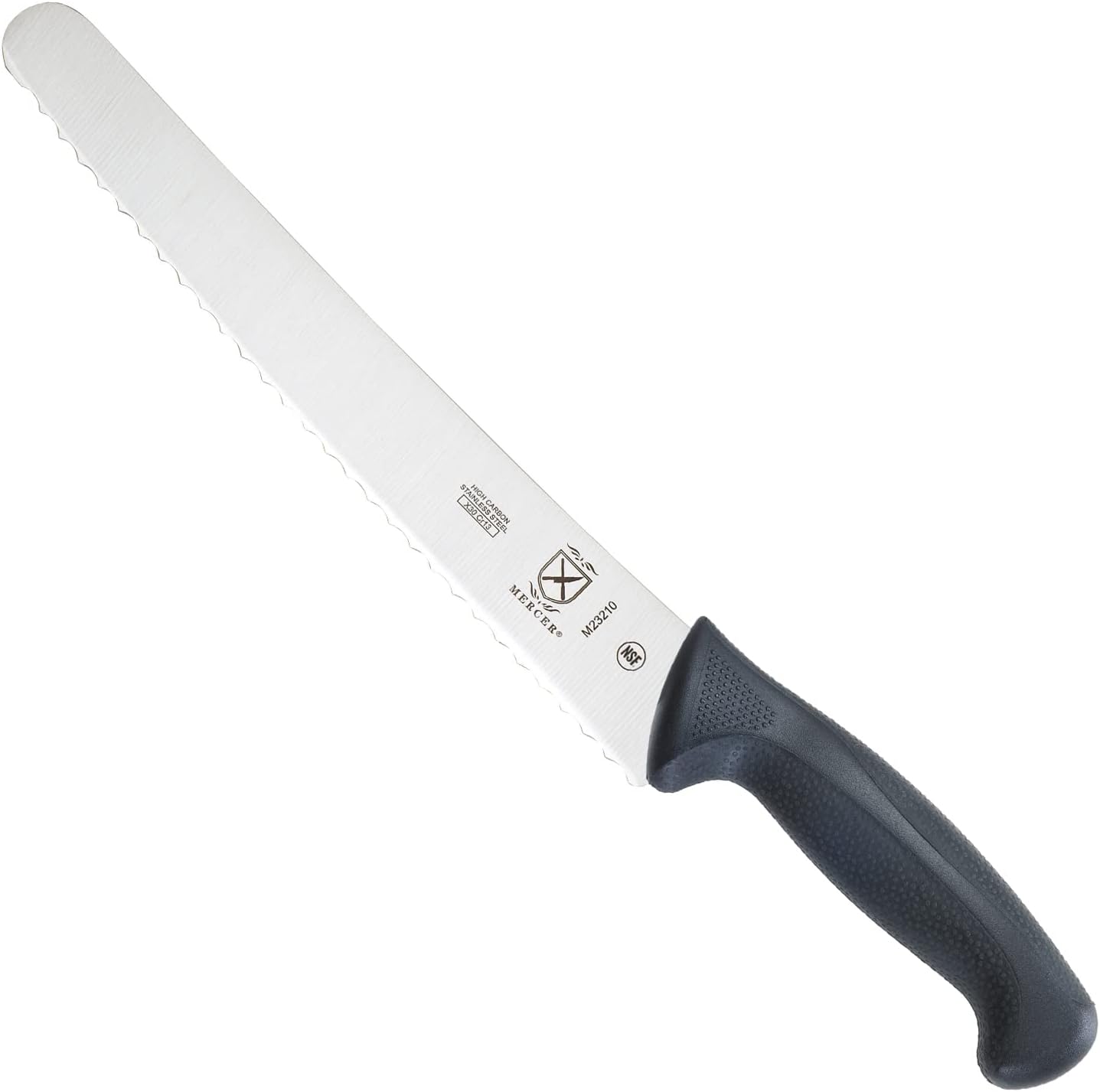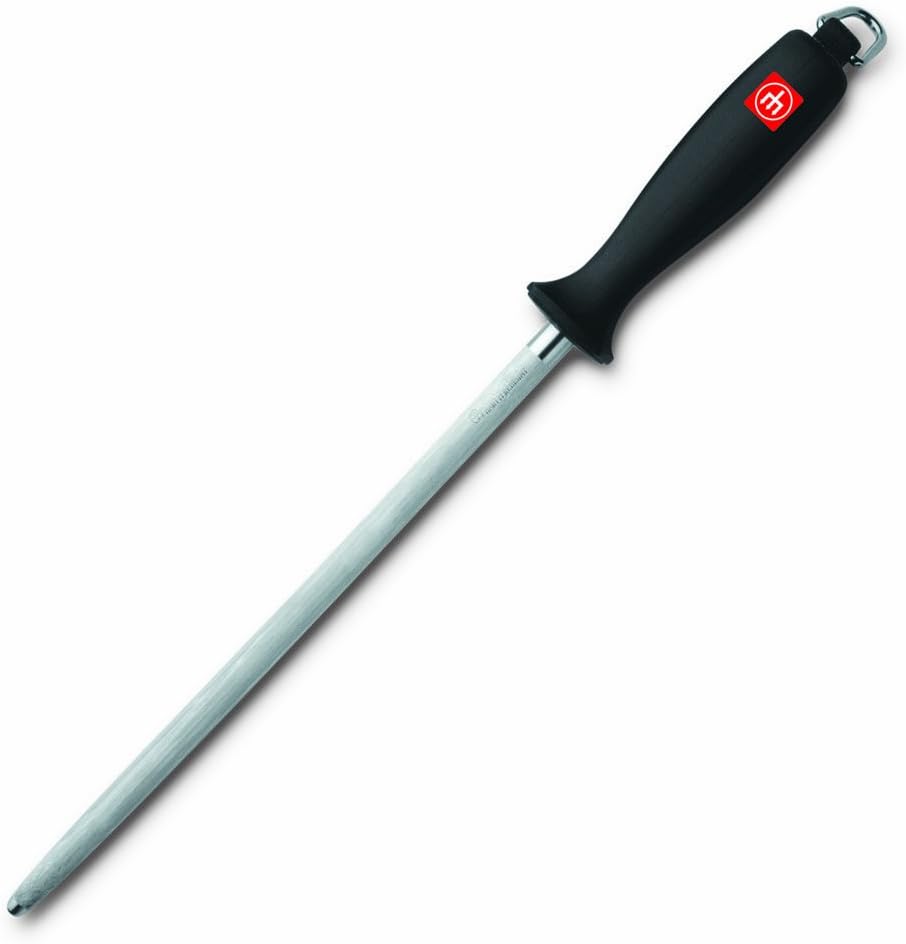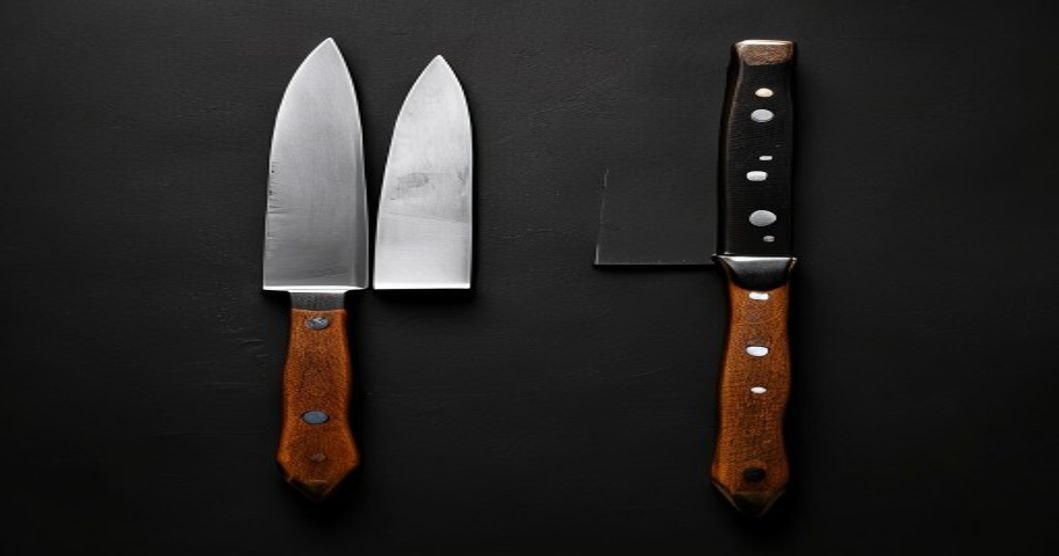
When choosing between a slicing knife and a carving knife, consider the specific task at hand. Slicing knives are ideal for precision cuts and slicing thin, uniform pieces, while carving knives are better suited for larger cuts and carving through bones and joints. The Shun DM0706 Classic 9-Inch Slicing Knife and the Wusthof Classic Ikon 2-Piece Carving Set are excellent examples of each type.
Slicing and carving knives are two essential tools in any kitchen, each designed for specific tasks. A slicing knife is typically used for precision cuts, slicing thin, uniform pieces of meat, fish, or vegetables. On the other hand, a carving knife is designed for larger cuts, carving through bones and joints with ease. In this article, we’ll delve into the differences between slicing and carving knives, exploring their characteristics, advantages, and ideal uses.
Both slicing and carving knives have their unique features, and understanding these differences is crucial for selecting the right tool for the job. For instance, when carving a turkey or roast, a carving knife is the better choice, as it can handle the larger, more robust cuts required. In contrast, a slicing knife is perfect for precision cuts, such as slicing thin pieces of meat or fish for sashimi or sushi. For more information on the specific uses of carving and slicing knives, check out our Knife Type Comparison Carving Vs Slicing Turkey Roast article.
Specs Comparison
🔪 Recommended
Shop: slicing knife
As an Amazon Associate I earn from qualifying purchases.
| Knife Type | Steel | HRC | Edge Angle | Weight | Price | Best For |
|---|---|---|---|---|---|---|
| Shun DM0706 Classic 9-Inch Slicing Knife | VG-MAX | 61 | 20-22 degrees | 6.4 oz | $150 | Precision cuts, slicing thin pieces |
| Wusthof Classic Ikon 2-Piece Carving Set | X50CrMoV15 | 58 | 20-22 degrees | 12.7 oz | $200 | Carving through bones and joints, larger cuts |
Blade Material
The blade material is a critical factor in determining the performance and durability of a knife. Slicing knives often feature high-carbon stainless steel, such as VG-MAX or X50CrMoV15, which provides excellent edge retention and corrosion resistance. Carving knives, on the other hand, may use slightly softer steel to allow for a more robust edge that can handle larger cuts and more force. For more information on the differences between various blade materials, check out our Knife Comparisons Zwilling Vs Wusthof German Knife Brands Face-off article.
Edge Retention
Edge retention is another essential attribute to consider when choosing between a slicing and carving knife. Slicing knives typically require a sharper edge to maintain their precision cutting capabilities, while carving knives can tolerate a slightly duller edge due to the larger cuts they’re designed for. The Shun DM0706 Classic 9-Inch Slicing Knife, for example, features a VG-MAX steel blade with excellent edge retention, making it ideal for precision cuts.
Sharpening Ease
Sharpening ease is an important consideration for any knife, as it affects the overall maintenance and performance of the tool. Slicing knives, with their sharper edges, often require more frequent sharpening to maintain their precision cutting capabilities. Carving knives, on the other hand, can go longer between sharpening sessions due to their slightly duller edges. For more information on sharpening techniques and the differences between single-bevel and double-bevel knives, check out our Knife Comparisons Single Bevel Vs Double Bevel Knives Explained article.
Durability
Durability is a critical factor in determining the overall value and performance of a knife. Slicing knives, with their thinner blades, may be more prone to damage or breakage, especially if used for larger cuts or more forceful tasks. Carving knives, on the other hand, are designed for more robust cuts and can withstand more force and pressure. The Wusthof Classic Ikon 2-Piece Carving Set, for example, features a durable X50CrMoV15 steel blade that can handle the demands of carving through bones and joints.
Ergonomics
Ergonomics play a significant role in determining the comfort and usability of a knife. Slicing knives often feature a more slender handle and a straighter edge, allowing for precision cuts and a more controlled grip. Carving knives, on the other hand, may feature a more contoured handle and a slightly curved edge, providing a more comfortable grip and better leverage for larger cuts. For more information on the importance of ergonomics in knife design, check out our Knife Comparisons Nakiri Vs Santoku For Vegetable Cutting article.
Value
Value is an essential consideration when choosing between a slicing and carving knife. Slicing knives, with their high-carbon stainless steel blades and precision cutting capabilities, often come at a higher price point. Carving knives, on the other hand, may be more affordable, especially when considering the value of a 2-piece carving set. The Shun DM0706 Classic 9-Inch Slicing Knife, for example, is a premium slicing knife with a price point to match, while the Wusthof Classic Ikon 2-Piece Carving Set offers excellent value for its price.
Who Should Choose Each
Slicing Knife
A slicing knife is ideal for chefs, cooks, and home cooks who require precision cuts and slicing thin, uniform pieces of meat, fish, or vegetables. If you’re looking for a knife that can handle delicate tasks with ease, a slicing knife is the better choice. For more information on the differences between boning and fillet knives, which are also used for precision cuts, check out our Knife Comparisons Boning Knife Vs Fillet Knife Differences article.
Carving Knife
A carving knife is perfect for those who need to carve through bones and joints with ease, such as when preparing a roast or turkey. If you’re looking for a knife that can handle larger cuts and more forceful tasks, a carving knife is the better choice. For more information on the importance of full-tang vs partial-tang knives, which can affect the overall durability and performance of a carving knife, check out our Knife Comparisons Full Tang Vs Partial Tang Knives Compared article.
FAQ
What is the main difference between a slicing and carving knife?
The main difference between a slicing and carving knife is the blade shape, edge angle, and overall design. Slicing knives are designed for precision cuts and slicing thin, uniform pieces, while carving knives are designed for larger cuts and carving through bones and joints.
Can I use a slicing knife for carving tasks?
While it’s possible to use a slicing knife for carving tasks, it’s not the most ideal choice. Slicing knives are designed for precision cuts and may not be able to handle the larger cuts and more forceful tasks required for carving. Using a slicing knife for carving tasks may result in damage to the blade or a lack of performance.
How do I choose the right knife for my needs?
Choosing the right knife for your needs depends on the specific tasks you’ll be using it for. Consider the type of cuts you’ll be making, the size and type of ingredients you’ll be working with, and the level of precision and control you require. For more information on choosing the right knife, check out our various knife comparison articles and guides.
Ultimately, the choice between a slicing knife and a carving knife depends on your specific needs and preferences. If you’re looking for a knife that can handle precision cuts and slicing thin, uniform pieces, a slicing knife is the better choice. If you need a knife that can carve through bones and joints with ease, a carving knife is the way to go. By considering the attributes and characteristics of each type of knife, you can make an informed decision and choose the right tool for your kitchen.
🔪 Recommended
Shop: slicing knife
As an Amazon Associate I earn from qualifying purchases.