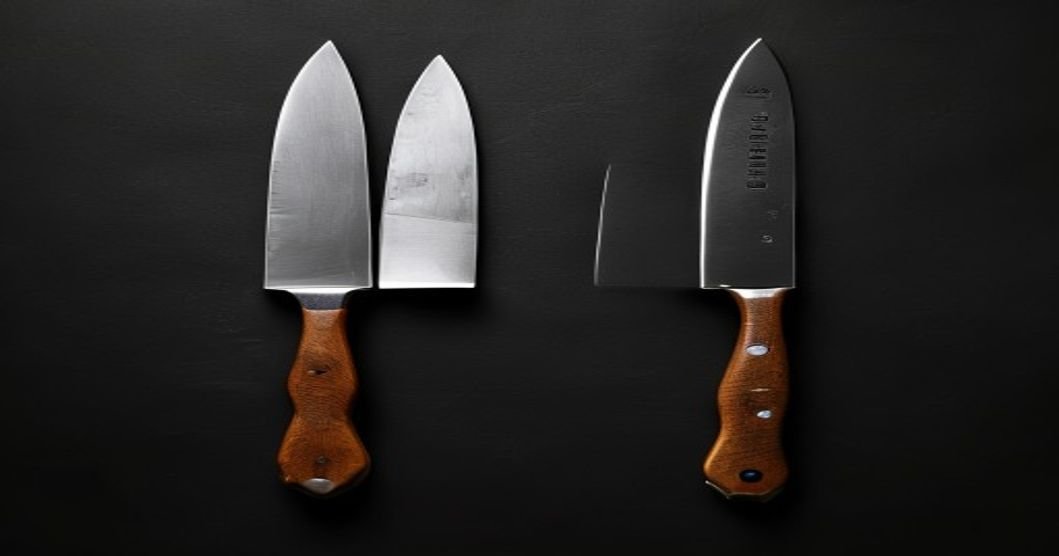
When it comes to boning knife vs fillet knife differences, the primary distinction lies in their application, with boning knives suited for cutting through meat and around bones, and fillet knives designed for filleting fish. While they share some similarities, their unique designs make them ideal for specific tasks.
Boning and fillet knives are two essential tools in the culinary world, each with its own set of characteristics and uses. A boning knife is typically used for cutting through meat and around bones, making it a vital instrument for butchers and chefs who need to prepare cuts of meat for cooking. On the other hand, a fillet knife is designed specifically for filleting fish, with a long, flexible blade that allows for smooth, even cuts. Understanding the differences between these two types of knives is crucial for selecting the right tool for the job.
The choice between a boning knife and a fillet knife depends on the specific task at hand. If you’re working with meat and need to cut around bones, a boning knife is the better choice. However, if you’re preparing fish and need to fillet it, a fillet knife is the way to go. Both knives have their own unique characteristics, and using the right one can make a significant difference in the quality of the final product. For those looking to learn more about the different types of knives and their uses, our Knife Type Comparison Boning Vs Fillet Fish Cutting article provides an in-depth look at the subject. Additionally, our Knife Finder Quiz can help you determine which type of knife is best for your needs.
Specs Comparison
🔪 Recommended
Shop: boning knife
As an Amazon Associate I earn from qualifying purchases.
| Knife Type | Steel | HRC | Edge Angle | Weight | Price | Best For |
|---|---|---|---|---|---|---|
| Boning Knife | High-Carbon Stainless Steel | 58-60 | 20-25 degrees | 6-8 oz | $50-$100 | Meat preparation, cutting around bones |
| Fillet Knife | High-Carbon Stainless Steel | 55-58 | 15-20 degrees | 4-6 oz | $30-$70 | Filleting fish, delicate cuts |
Blade Material
The blade material is a critical factor in determining the performance of a knife. Both boning and fillet knives are typically made from high-carbon stainless steel, which offers a great balance between sharpness, durability, and resistance to corrosion. However, the specific type of steel used can vary between manufacturers, with some using more premium materials than others. For those looking to learn more about the different types of steel used in knife production, our Knife Knowledge The Best Knife Steels For Beginners A Metall article provides an in-depth look at the subject.
Edge Retention
Edge retention refers to the ability of a knife to hold its sharpness over time. Both boning and fillet knives are designed to be sharp and retain their edge well, but the boning knife tends to have a slightly better edge retention due to its thicker blade. However, the fillet knife’s thinner blade allows for more precise cuts, making it ideal for delicate tasks. To maintain the edge of your knife, it’s essential to develop a patina and regularly sharpen the blade.
Sharpening Ease
Sharpening ease is an essential factor to consider when choosing a knife. Both boning and fillet knives can be sharpened using a variety of methods, including whetstones and sharpening steels. However, the boning knife’s thicker blade makes it slightly more challenging to sharpen than the fillet knife. For those looking for a low-maintenance option, the Kyocera ceramic chef knife is a great alternative, as it requires less sharpening than traditional steel knives.
Durability
Durability is critical when it comes to knives, as they are often used in demanding environments. Both boning and fillet knives are designed to be durable, but the boning knife’s thicker blade makes it more resistant to wear and tear. However, the fillet knife’s flexible blade allows it to absorb shock and stress, making it less prone to breaking or cracking.
Ergonomics
Ergonomics play a significant role in determining the comfort and usability of a knife. Both boning and fillet knives are designed to fit comfortably in the hand, but the boning knife’s contoured handle and rounded spine make it more comfortable to hold and use for extended periods. The fillet knife’s long, slender handle allows for precise control and maneuverability, making it ideal for delicate tasks.
Value
Value is an essential factor to consider when choosing a knife. Both boning and fillet knives offer excellent value, but the boning knife tends to be more versatile and can be used for a wider range of tasks. The fillet knife, on the other hand, is specialized and designed specifically for filleting fish, making it a great investment for those who work with fish regularly.
Who Should Choose Each
Boning Knife
A boning knife is ideal for anyone who works with meat regularly, including butchers, chefs, and home cooks. Its thick blade and contoured handle make it perfect for cutting through meat and around bones, and its versatility allows it to be used for a variety of tasks. For those looking for a more in-depth comparison of boning knives and other types of knives, our Nakiri Vs Santoku For Vegetable Cutting article provides an interesting perspective on the subject.
Fillet Knife
A fillet knife is ideal for anyone who works with fish regularly, including fishermen, chefs, and home cooks. Its long, flexible blade and slender handle make it perfect for filleting fish and other delicate tasks, and its precision allows for smooth, even cuts.
FAQ
What is the primary difference between a boning knife and a fillet knife?
The primary difference between a boning knife and a fillet knife is the application, with boning knives suited for cutting through meat and around bones, and fillet knives designed for filleting fish.
Can I use a boning knife for filleting fish?
While it’s possible to use a boning knife for filleting fish, it’s not the ideal tool for the job. The boning knife’s thicker blade and more rigid spine make it less suitable for delicate tasks like filleting fish.
How do I sharpen a fillet knife?
Sharpening a fillet knife requires a gentle touch and a sharpener specifically designed for thin, flexible blades. It’s essential to use a sharpening steel or whetstone with a fine grit to maintain the edge and prevent damaging the blade.
In conclusion, the boning knife and fillet knife are two unique tools with different applications and characteristics. While they share some similarities, their distinct designs make them ideal for specific tasks. By understanding the differences between these two types of knives, you can make an informed decision and choose the right tool for the job. Whether you’re a professional chef or a home cook, having the right knife can make a significant difference in the quality of the final product.
🔪 Recommended
Shop: boning knife
As an Amazon Associate I earn from qualifying purchases.