Introduction to Knife Patina
🔪 Recommended
Shop: quality kitchen knives
As an Amazon Associate I earn from qualifying purchases.
As a knife buyer, understanding the concept of patina is crucial in making informed decisions about your purchases. Patina refers to the development of a thin layer of oxide on the surface of a knife’s blade, which can affect its appearance, performance, and overall value. By grasping the basics of patina, you can better appreciate the characteristics of different knives, including their materials, craftsmanship, and maintenance requirements. Whether you’re a seasoned collector or a novice cook, knowledge of patina can help you navigate the complex world of knives and make the most of your investments.
Moreover, a deep understanding of patina can also influence your care and maintenance routine for your knives. By recognizing the factors that contribute to patina formation, you can take proactive steps to prevent or encourage its development, depending on your preferences. This knowledge can also inform your decision-making when it comes to choosing the right knife for a specific task or environment. For instance, if you’re looking for a knife to use in a humid or corrosive setting, you may want to opt for a blade with a patina-resistant coating or material, such as those discussed in our blade geometry guide.
What is Patina?
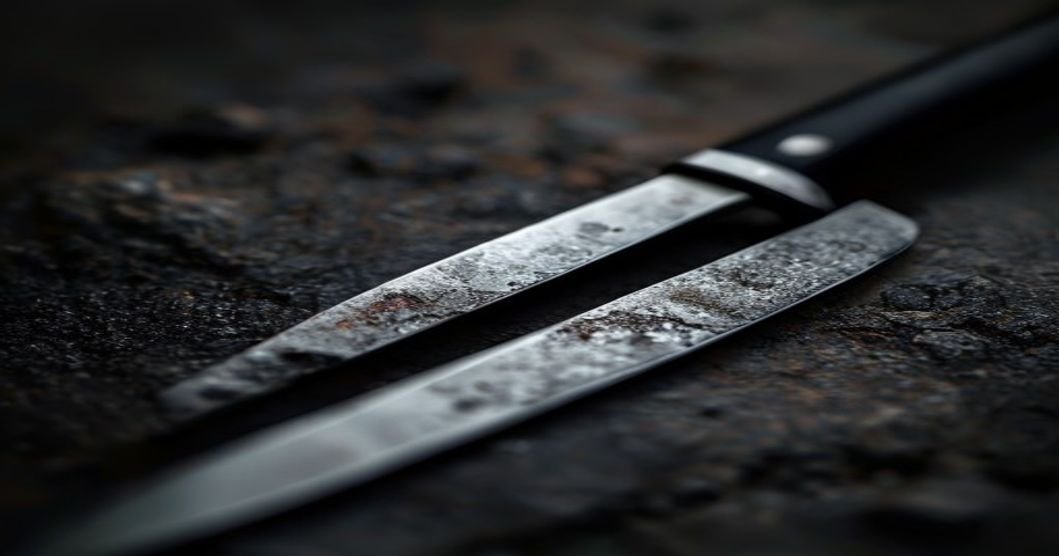
Patina is a natural process that occurs when a knife’s blade reacts with its environment, resulting in the formation of a thin layer of oxide on its surface. This layer can be composed of various compounds, depending on the materials used in the blade and the conditions it’s exposed to. Patina can manifest in different ways, ranging from a subtle, even discoloration to a more pronounced, patchy appearance.
Factors Affecting Patina Formation
Several factors can influence the formation of patina on a knife’s blade, including the type of steel used, the blade’s geometry, and the environment it’s exposed to. For example, carbon steel blades are more prone to patina formation than stainless steel blades, due to their higher carbon content. The Damascus steel used in some high-end knives is particularly susceptible to patina, as its unique pattern of layered steel can create a beautiful, intricate oxide layer.
Practical Application
Understanding patina can inform your daily use and maintenance of knives. Here are some practical tips to consider:
- Store your knives in a dry environment to prevent excessive moisture from contributing to patina formation.
- Avoid exposing your knives to acidic or alkaline substances, as these can accelerate patina development.
- Regularly clean and dry your knives to prevent the buildup of residue and debris that can contribute to patina.
- Consider using a rust-inhibiting coating or oil on your knives to protect them from corrosion and patina.
When buying a new knife, consider the type of steel used and its potential for patina formation. If you’re looking for a low-maintenance option, you may want to opt for a stainless steel blade, such as those used in Boker’s Kalashnikov 74. On the other hand, if you’re willing to invest time and effort into maintaining a high-carbon steel blade, you may be rewarded with a beautiful patina that develops over time.
Common Misconceptions
There are several common misconceptions about patina that can lead to confusion and misinformation. Here are a few myths busted with facts:
Myth: Patina is always a sign of a low-quality knife. Fact: Patina can occur on any knife, regardless of its quality or materials. In fact, some high-end knives, such as those made from Damascus steel, are prized for their beautiful patina.
Myth: Patina is always undesirable. Fact: While excessive patina can be unsightly, a well-developed patina can add character and beauty to a knife. Some collectors and enthusiasts even seek out knives with unique or attractive patina.
Myth: Patina can be completely prevented. Fact: While certain steps can be taken to minimize patina formation, it’s impossible to completely prevent it. Even stainless steel blades can develop a patina over time, especially if they’re exposed to harsh environments or cleaning products.
Myth: Patina affects the performance of a knife. Fact: In most cases, patina has little to no impact on a knife’s performance. However, excessive patina can potentially affect the blade’s sharpness or rust resistance, especially if it’s not properly maintained.
Expert Recommendations
Here are some expert recommendations for knife buyers and enthusiasts:
- Learn about the different types of steel used in knife construction, including their relative susceptibility to patina formation. Our blade geometry guide provides a comprehensive overview of the factors that influence patina.
- Consider the environment in which you’ll be using your knife, and choose a blade that’s suitable for those conditions. For example, if you’ll be using your knife in a humid or corrosive setting, you may want to opt for a stainless steel blade or a knife with a rust-inhibiting coating.
- Develop a regular maintenance routine for your knives, including cleaning, drying, and storing them properly. This can help prevent excessive patina formation and keep your knives in good condition.
- Don’t be afraid to experiment with different knife materials and finishes to find the one that works best for you. Whether you prefer the beauty of a Damascus steel blade or the durability of a stainless steel blade, there’s a knife out there that’s right for you.
FAQ
What is the difference between patina and rust?
Patina and rust are two distinct phenomena that can occur on a knife’s blade. While both involve the formation of oxide layers, patina is a natural process that occurs when a blade reacts with its environment, resulting in a thin, even layer of oxide. Rust, on the other hand, is a more aggressive form of corrosion that can cause pitting, flaking, and other forms of damage to the blade.
Can patina be removed?
In some cases, patina can be removed or reduced using various cleaning products or techniques. However, this should be done with caution, as excessive cleaning or polishing can damage the blade or remove its natural protective layer. It’s generally recommended to avoid removing patina, as it can be a natural and desirable part of a knife’s character.
How does patina affect the value of a knife?
Patina can have a significant impact on the value of a knife, depending on the type of patina, the knife’s materials, and its overall condition. In some cases, a well-developed patina can increase the value of a knife, especially if it’s a high-end or collectible model. However, excessive or uneven patina can decrease the value of a knife, especially if it’s not properly maintained.
Can I prevent patina from forming on my knife?
While it’s impossible to completely prevent patina from forming on a knife, there are steps you can take to minimize its development. These include storing your knife in a dry environment, avoiding exposure to acidic or alkaline substances, and regularly cleaning and drying your knife. You can also consider using a rust-inhibiting coating or oil on your knife to protect it from corrosion and patina. For more information on knife maintenance and care, check out our knife anatomy guide.
🔪 Recommended
Shop: quality kitchen knives
As an Amazon Associate I earn from qualifying purchases.