Introduction to Kitchen Knife Anatomy
🔪 Recommended
Shop: quality kitchen knives
As an Amazon Associate I earn from qualifying purchases.
Understanding the anatomy of a kitchen knife is crucial for any home cook or professional chef. A kitchen knife is more than just a tool; it’s an extension of the cook’s hand, and its design and construction can greatly impact the cooking experience. Knowing the different parts of a kitchen knife can help buyers make informed decisions when selecting a new knife, and it can also improve their knife skills and overall cooking performance. By understanding the various components of a kitchen knife, cooks can better appreciate the craftsmanship and design that goes into creating these essential tools.
In addition to helping buyers make informed decisions, knowledge of kitchen knife anatomy can also enhance the cooking experience. A well-designed knife can make food preparation easier, faster, and more enjoyable. It can also help prevent accidents and injuries, as a knife that fits comfortably in the hand and is balanced for optimal performance is less likely to slip or cause strain. Furthermore, understanding the anatomy of a kitchen knife can help cooks develop better knife skills, such as proper grip, stance, and cutting techniques, which are essential for achieving consistent results in the kitchen. To learn more about proper knife techniques, visit our Kitchen Knife Education Techniques page.
Core Concepts: Blade Anatomy
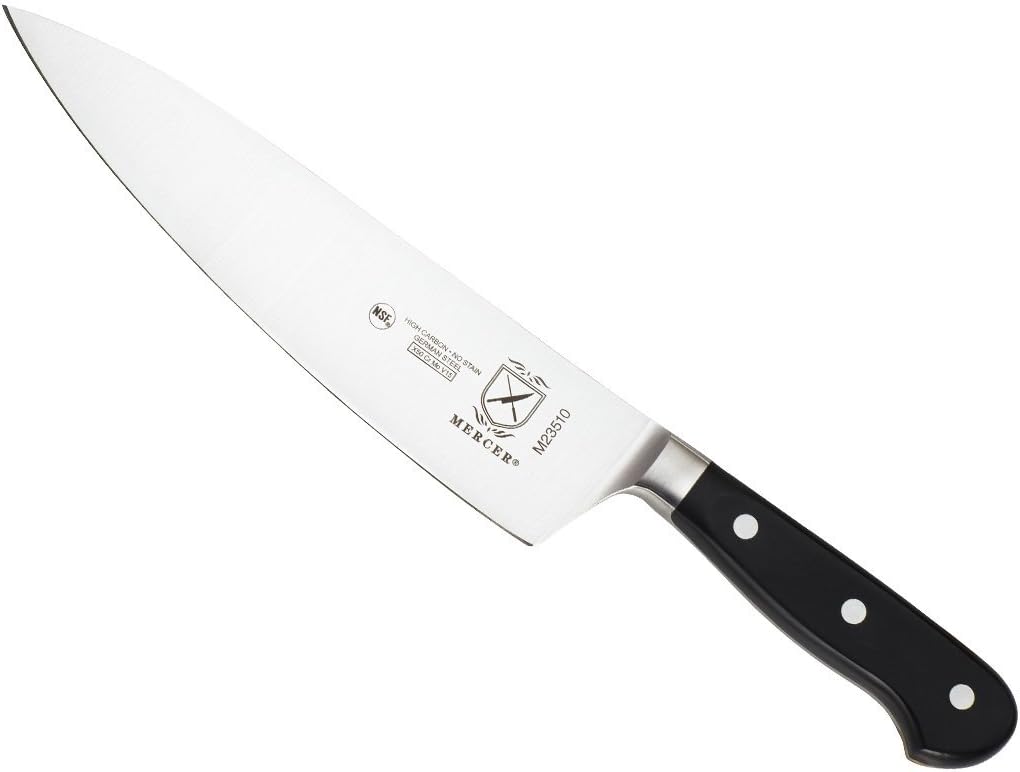
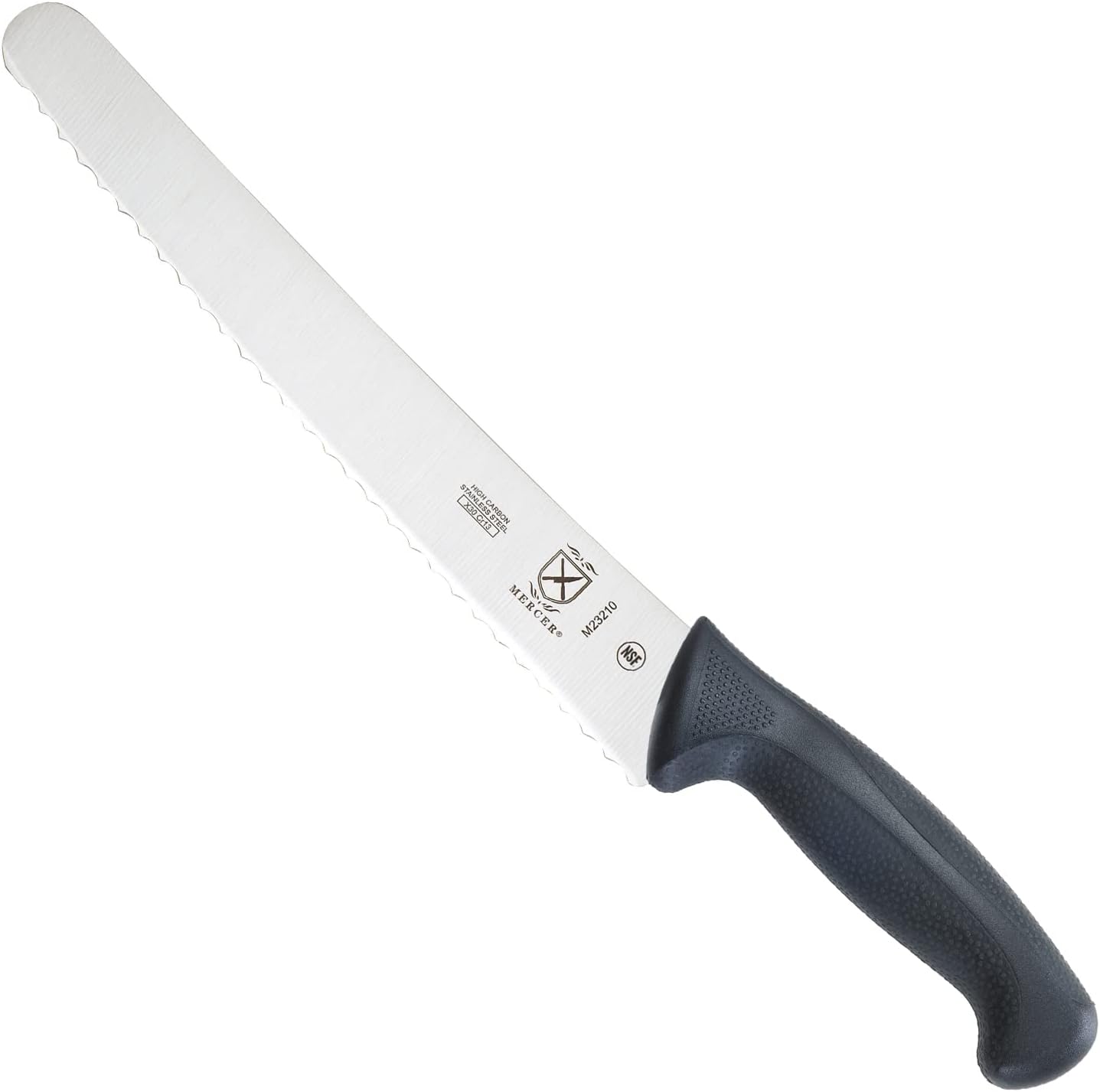
The blade is the most critical component of a kitchen knife, and it’s essential to understand its various parts. The blade consists of the spine, edge, heel, and tip. The spine is the thick, unsharpened portion of the blade, while the edge is the sharpened, cutting portion. The heel is the rear portion of the blade, near the handle, and the tip is the pointed end of the blade.
Core Concepts: Handle Anatomy
The handle, also known as the scales, is the part of the knife that fits in the cook’s hand. It’s typically made of materials such as wood, plastic, or metal, and it’s designed to provide a comfortable, secure grip. The handle consists of the bolster, which is the metal band that separates the handle from the blade, and the pommel, which is the rear portion of the handle.
Core Concepts: Ergonomics and Balance
Ergonomics and balance are critical factors in kitchen knife design. A well-designed knife should fit comfortably in the hand, with a balanced weight distribution that allows for smooth, precise cutting. The ergonomics of a knife refer to the way it fits in the hand, with consideration given to factors such as grip size, shape, and material. Balance refers to the distribution of weight between the blade and handle, which affects the knife’s overall performance and usability.
Practical Application: How to Use This Knowledge
Understanding the anatomy of a kitchen knife can help cooks in several ways. When buying a new knife, they can look for features such as a comfortable handle, a well-balanced design, and a sharp, durable blade. They can also use this knowledge to improve their knife skills, such as proper grip, stance, and cutting techniques. Here are some practical tips for using this knowledge:
- Choose a knife with a comfortable, ergonomic handle that fits your hand size and shape.
- Look for a knife with a well-balanced design, which will make it easier to maneuver and control.
- Consider the type of cutting you’ll be doing most often, and choose a knife with a blade shape and edge geometry that’s well-suited for that task. For more information on knife types and edge geometry, visit our 10 Knife Types Edge Geometry Task Fit page.
- Practice proper knife skills, such as grip, stance, and cutting techniques, to get the most out of your knife and to stay safe in the kitchen. To learn more about essential knife skills, visit our Advanced Techniques Special Applications page.
Common Misconceptions: Busting the Myths
There are several common misconceptions about kitchen knives that can affect their performance and usability. Here are a few myths busted with facts:
Expert Recommendations: Actionable Takeaways
Here are some expert recommendations for getting the most out of your kitchen knife:
- Choose a knife with a high-carbon steel blade, which will be more durable and resistant to corrosion.
- Consider a knife with a full-tang construction, which will provide added strength and stability.
- Look for a knife with a comfortable, ergonomic handle that fits your hand size and shape.
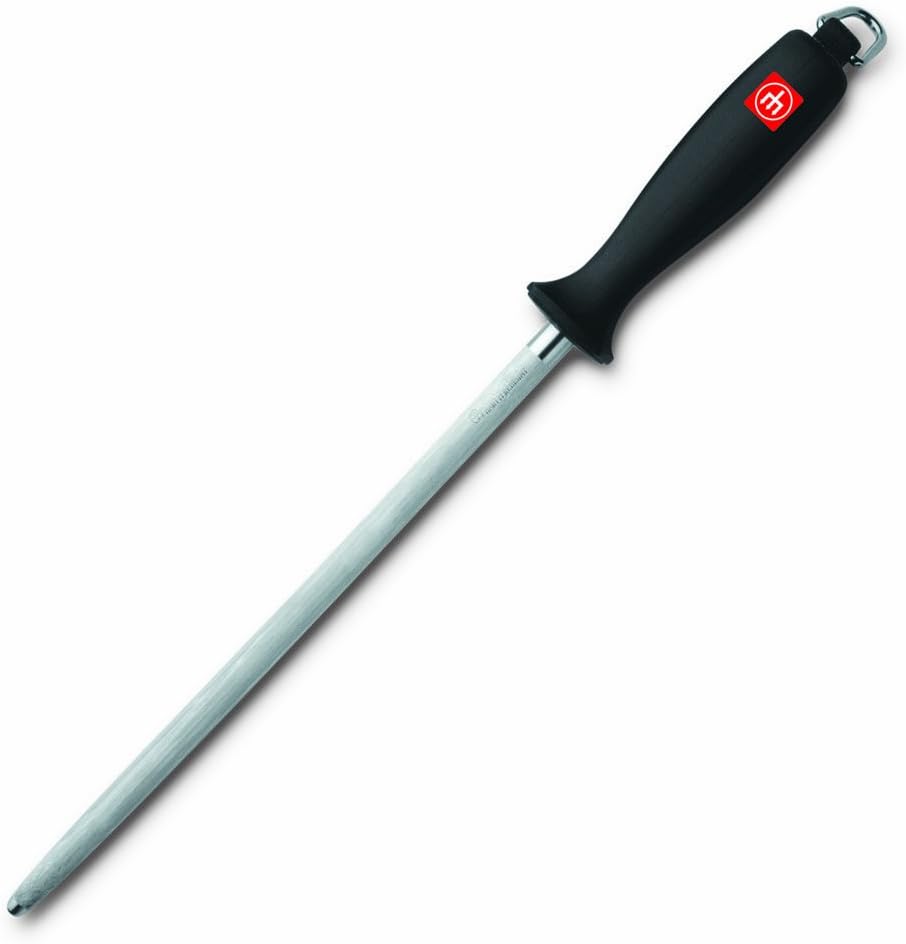
- Practice proper knife maintenance, including regular sharpening and cleaning, to keep your knife in good condition. For more information on knife care and maintenance, visit our Knife Brands page.
FAQ
What is the best type of knife for a beginner?
The best type of knife for a beginner depends on the type of cooking they’ll be doing most often. A chef’s knife or a paring knife is a good starting point, as they are versatile and can be used for a variety of tasks. For more information on knife types and their uses, visit our 10 Knife Types Edge Geometry Task Fit page.
How do I store my kitchen knives safely?
There are several ways to store kitchen knives safely, including using a knife block, a magnetic strip, or a knife case. It’s also important to keep knives out of reach of children and to store them in a dry, secure location. For more information on knife storage and organization, visit our Knife Storage Organization Safety page.
Can I put my kitchen knives in the dishwasher?
No, it’s not recommended to put kitchen knives in the dishwasher. The high heat and harsh detergents can damage the blade and handle, and may also cause the knife to become dull. Instead, wash your knives by hand with mild soap and dry them thoroughly after use.
How often should I sharpen my kitchen knives?
The frequency of sharpening kitchen knives depends on how often they are used. As a general rule, knives should be sharpened every 1-3 months, or when they become dull. For more information on knife sharpening and maintenance, visit our Knife Brands page.
🔪 Recommended
Shop: quality kitchen knives
As an Amazon Associate I earn from qualifying purchases.