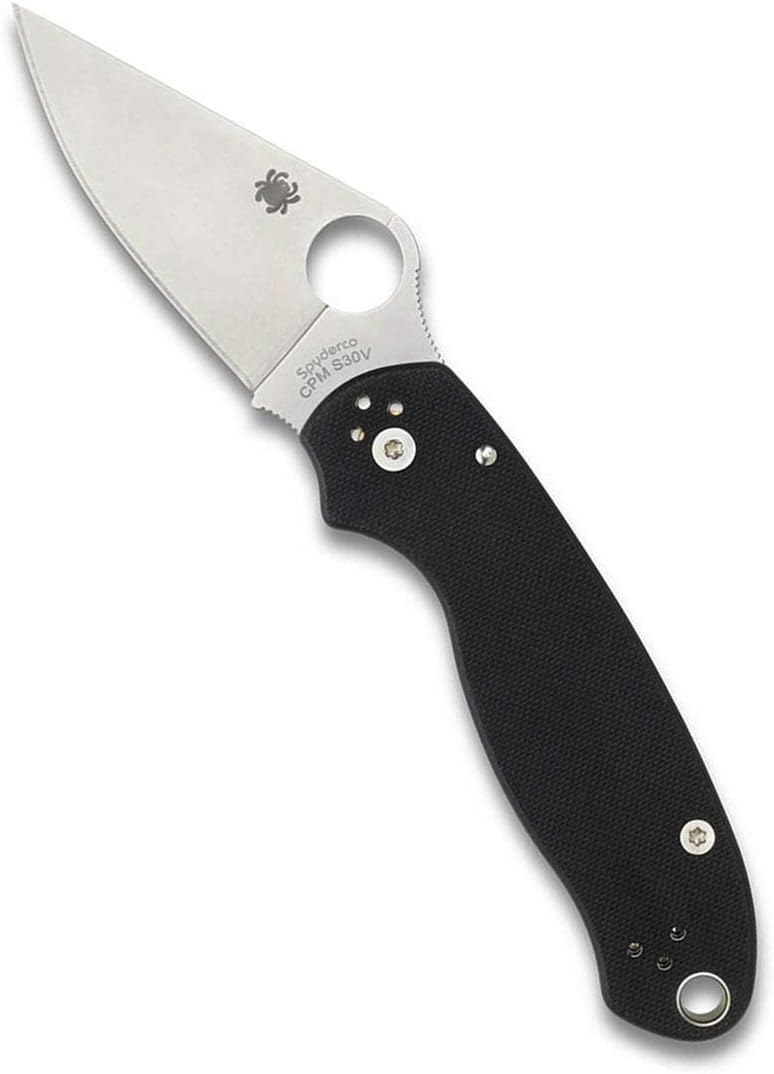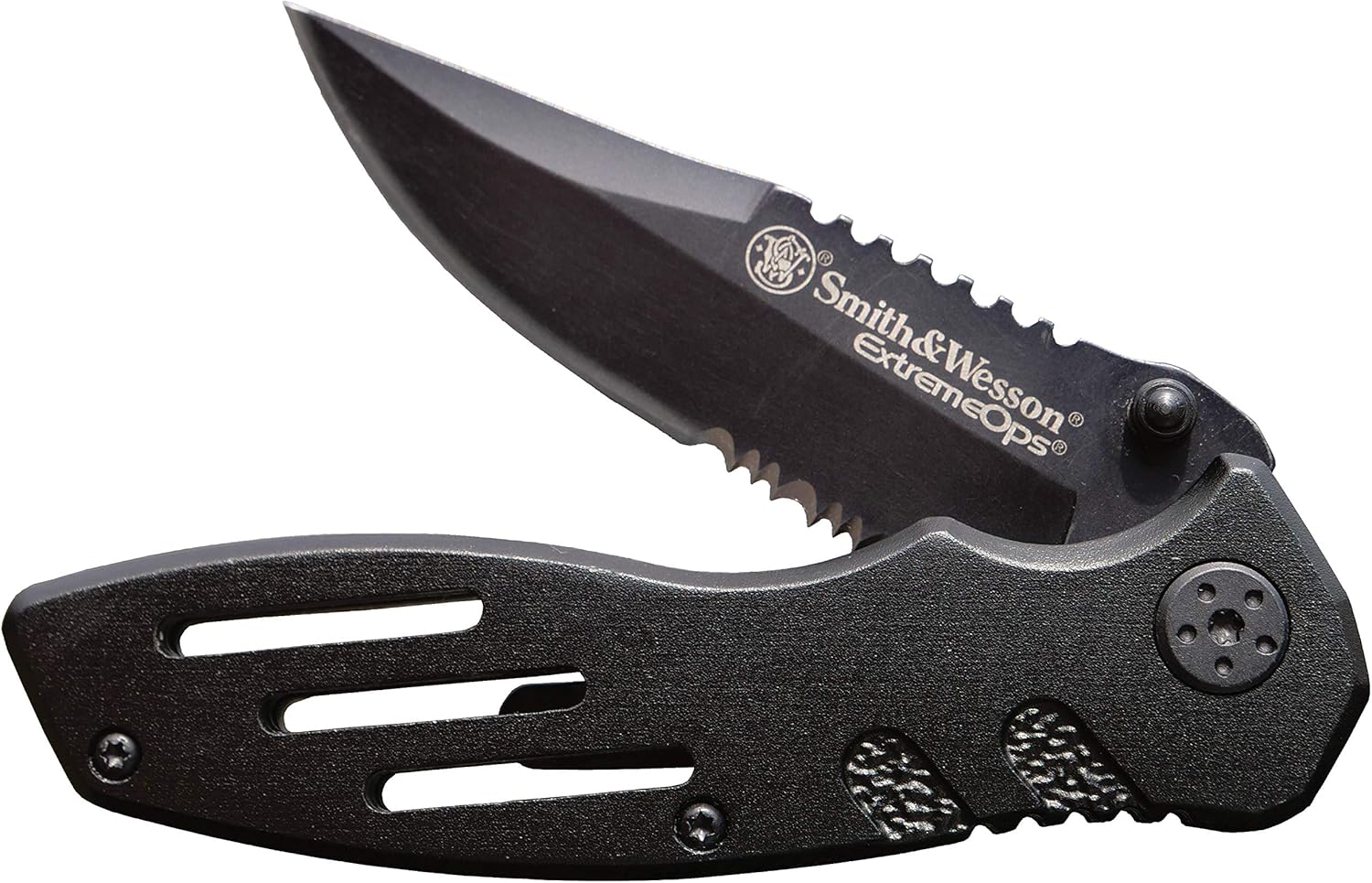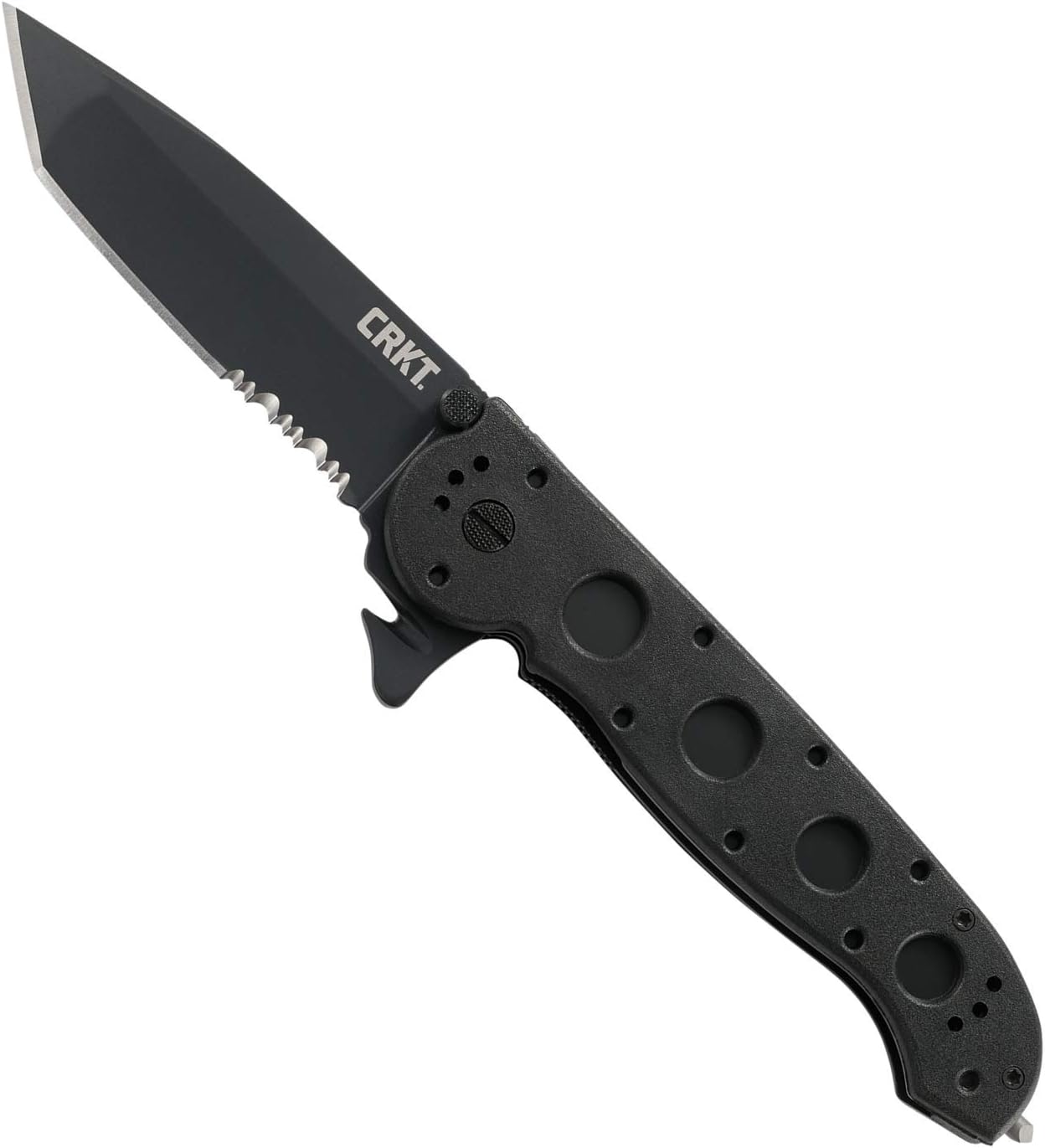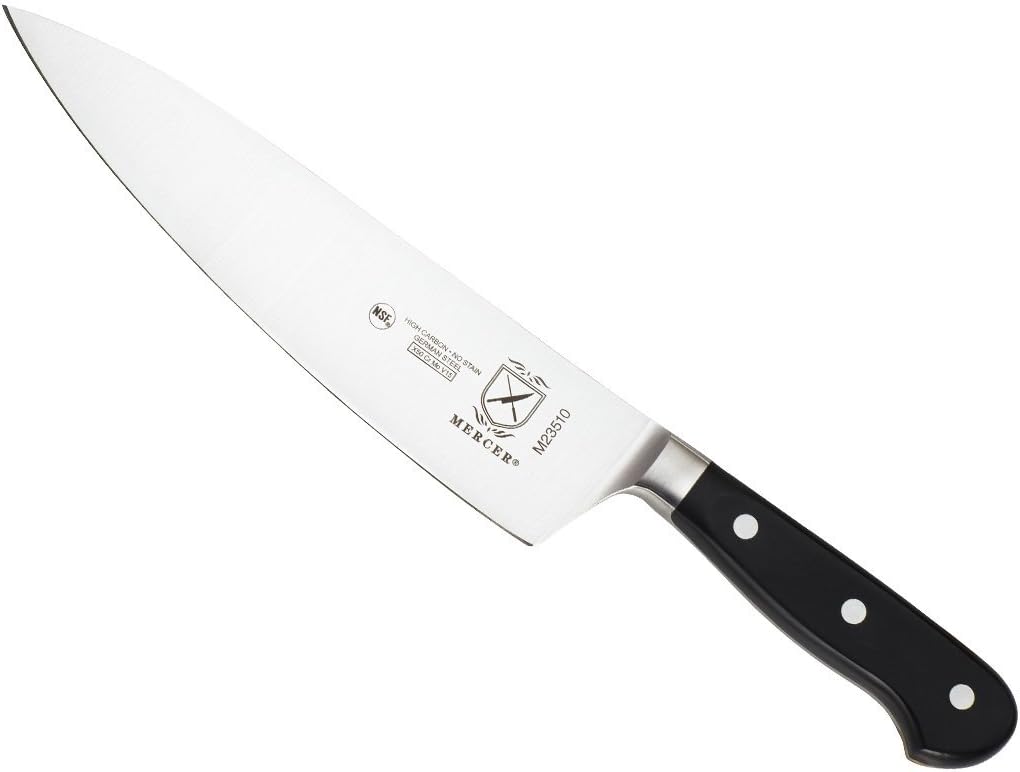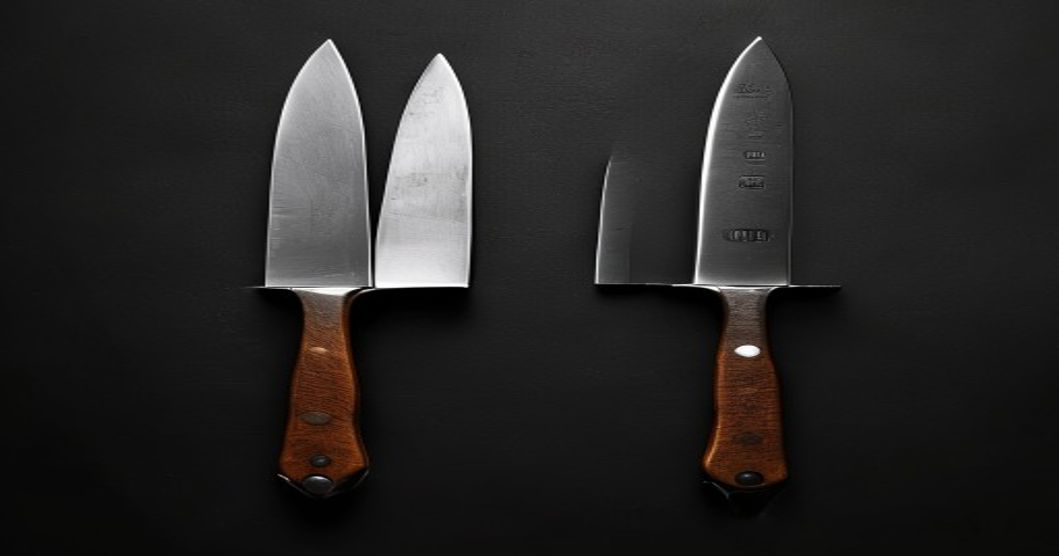
Single bevel knives, such as the Yoshihiro SUMINAGASHI, offer superior sharpness and cutting performance, particularly for slicing and filleting tasks, but may require more skill and maintenance compared to double bevel knives like the Wüsthof Classic Ikon, which provide better versatility and ease of use for a wide range of culinary tasks.
Introduction
🔪 Recommended
Shop: single bevel
As an Amazon Associate I earn from qualifying purchases.
When it comes to choosing the right knife for your culinary needs, one of the key decisions you’ll face is whether to opt for a single bevel or double bevel knife. Both types have their own unique characteristics, advantages, and disadvantages, and understanding these differences is crucial to selecting the best knife for your specific requirements. Single bevel knives, also known as “chisel edge” or “single-edged” knives, have a bevel on only one side of the blade, while double bevel knives, also referred to as “double-edged” or “symmetrical” knives, have bevels on both sides of the blade.
In this article, we’ll delve into the world of single bevel and double bevel knives, exploring their distinct features, benefits, and drawbacks. We’ll examine the differences in their blade materials, edge retention, sharpening ease, durability, ergonomics, and value, as well as discuss who should choose each type of knife and answer some frequently asked questions. Whether you’re a professional chef, a culinary enthusiast, or a home cook, this comprehensive comparison will help you make an informed decision when selecting the perfect knife for your needs. For more information on specific knife types, you can visit our Knives Review section, which features in-depth reviews and comparisons of various knife models.
Specs Comparison Table
| Knife Model | Steel | HRC | Edge Angle | Weight | Price | Best For |
|---|---|---|---|---|---|---|
| Yoshihiro SUMINAGASHI | Aus-8 | 58-60 | 20-30° | 6.4 oz | $150-$200 | Slicing, filleting, and precision cutting |
| Wüsthof Classic Ikon | High-Carbon Stainless Steel | 56-58 | 20-30° | 7.2 oz | $100-$150 | General-purpose cutting, chopping, and mincing |
| Shun DM0706 | VG-MAX | 60-62 | 20-30° | 6.1 oz | $200-$250 | Precision cutting, slicing, and filleting of delicate foods |
Blade Material Comparison
The blade material is a critical factor in determining the performance and durability of a knife. Single bevel knives often feature high-carbon stainless steel or premium materials like VG-MAX, which provide exceptional sharpness, edge retention, and resistance to corrosion. Double bevel knives, on the other hand, may use a variety of materials, including high-carbon stainless steel, stainless steel, or ceramic. For example, the Shun Vs Global Japanese Knives Compared article highlights the differences in blade materials between these two renowned brands.
Edge Retention Comparison
Edge retention refers to a knife’s ability to maintain its sharpness over time. Single bevel knives are known for their exceptional edge retention, thanks to their unique bevel design and high-carbon content. Double bevel knives, while still providing good edge retention, may require more frequent sharpening due to their symmetrical design. However, some double bevel knives, such as those featuring ceramic or titanium coatings, can offer improved edge retention and durability.
Sharpening Ease Comparison
Sharpening a knife can be a daunting task, especially for those new to knife maintenance. Single bevel knives require a specific sharpening technique and angle, which can be challenging to master. Double bevel knives, on the other hand, are generally easier to sharpen, as their symmetrical design allows for a more straightforward sharpening process. For tips on sharpening your knife, you can visit our Buying Guides Best Fillet Knives For Fish Processing section, which includes a guide on how to sharpen your fillet knife.
Durability Comparison
Durability is a critical factor in determining the lifespan of a knife. Single bevel knives are often more prone to chipping and cracking due to their brittle edge, while double bevel knives tend to be more resistant to wear and tear. However, the durability of a knife also depends on the quality of its construction, materials, and maintenance. For example, a well-maintained Pocket Folding Knives can last for many years with proper care.
Ergonomics Comparison
Ergonomics play a significant role in determining a knife’s comfort and usability. Single bevel knives often feature a more pronounced handle shape and a distinct blade profile, which can take some getting used to. Double bevel knives, on the other hand, tend to have a more neutral handle shape and a symmetrical blade profile, making them more comfortable to hold and use for extended periods. For a detailed comparison of knife ergonomics, you can visit our Knife Type Comparison Nakiri Vs Usuba Double Single Bevel article.
Value Comparison
The value of a knife is determined by its performance, durability, and price. Single bevel knives tend to be more expensive than double bevel knives, especially high-end models featuring premium materials and craftsmanship. However, the superior performance and edge retention of single bevel knives can make them a worthwhile investment for professional chefs and culinary enthusiasts. For a comprehensive review of knife values, you can visit our Buying Guides Best Cleaver Knives For Heavy Duty Chopping section.
Who Should Choose Each
Single Bevel Knives
Single bevel knives are ideal for professional chefs, culinary enthusiasts, and those who require exceptional sharpness and precision for tasks like slicing, filleting, and precision cutting. They are particularly suited for Japanese and Asian cuisine, where delicate and precise cutting is essential. However, they may require more skill and maintenance compared to double bevel knives.
Double Bevel Knives
Double bevel knives are suitable for a wide range of users, including home cooks, culinary students, and professional chefs who need a versatile and easy-to-use knife. They are ideal for general-purpose cutting, chopping, and mincing, and are often preferred by those who value ease of sharpening and maintenance. Double bevel knives are also a good choice for those who are new to knife collecting or are looking for a more affordable option.
FAQ
What is the difference between a single bevel and double bevel knife?
A single bevel knife has a bevel on only one side of the blade, while a double bevel knife has bevels on both sides of the blade. This difference affects the knife’s sharpness, edge retention, and sharpening ease.
Can I sharpen a single bevel knife myself?
Yes, you can sharpen a single bevel knife yourself, but it requires a specific technique and angle. It’s recommended to use a sharpening stone or a guided sharpening system to ensure the correct angle and prevent damaging the blade.
Are double bevel knives less sharp than single bevel knives?
No, double bevel knives can be just as sharp as single bevel knives, but their symmetrical design may affect their edge retention and sharpening ease. However, some double bevel knives, such as those featuring ceramic or titanium coatings, can offer improved edge retention and durability.
Ultimately, the choice between a single bevel and double bevel knife depends on your specific needs, preferences, and level of experience. Single bevel knives offer superior sharpness and cutting performance, but require more skill and maintenance. Double bevel knives provide better versatility and ease of use, but may compromise on edge retention and sharpening ease. By considering the factors discussed in this article, you can make an informed decision and choose the perfect knife for your culinary journey. For more information on knives and culinary topics, you can visit our Knives Review section, which features in-depth reviews, comparisons, and guides to help you navigate the world of knives.
🔪 Recommended
Shop: single bevel
As an Amazon Associate I earn from qualifying purchases.