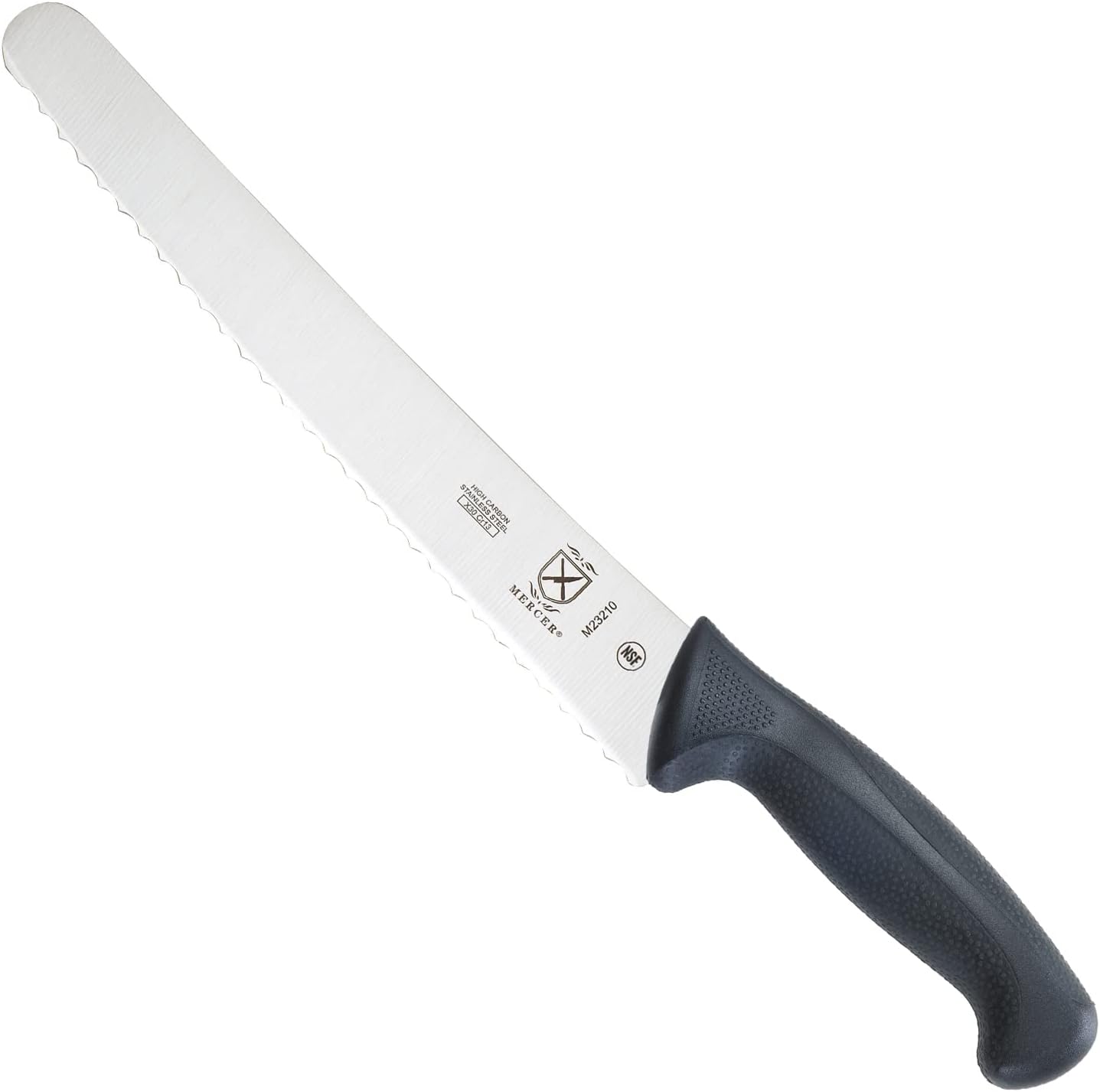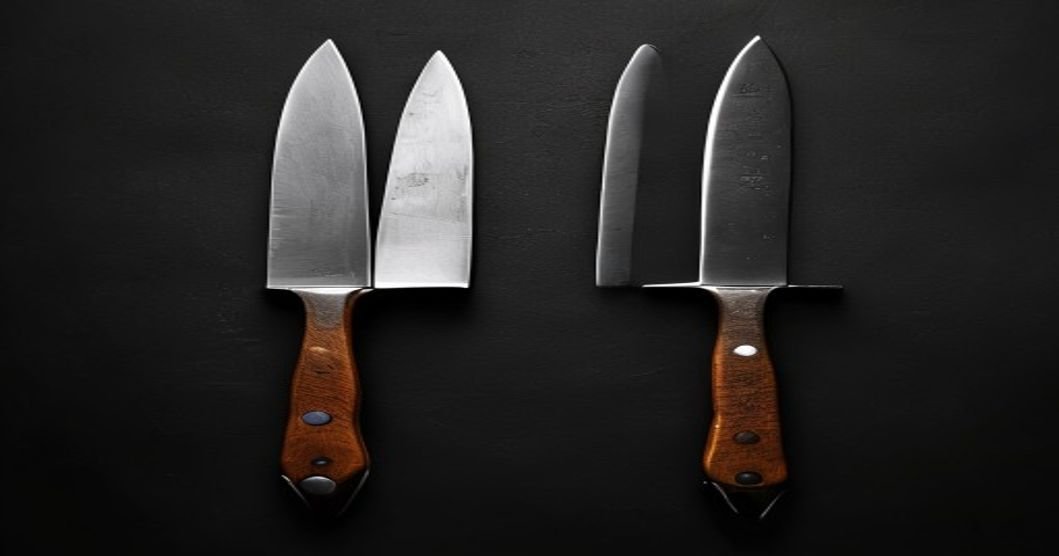
Full tang and partial tang knives have distinct differences in terms of durability, balance, and price. Full tang knives, like the Shun DM0706 Classic 8-Inch Chef’s Knife, offer superior durability and balance, making them ideal for heavy-duty tasks. Partial tang knives, such as the Victorinox Fibro Pro 8-Inch Chef’s Knife, are more affordable and suitable for everyday cooking tasks.
When it comes to choosing a knife, one of the most critical factors to consider is the type of tang. The tang refers to the part of the blade that extends into the handle, and it plays a significant role in determining the overall performance and durability of the knife. In this article, we will delve into the world of full tang and partial tang knives, exploring their differences, advantages, and disadvantages. Whether you are a professional chef or an avid home cook, understanding the distinctions between these two types of knives will help you make an informed decision when selecting the perfect knife for your needs.
The debate between full tang and partial tang knives has been ongoing, with each side having its loyal followers. While some argue that full tang knives are the only way to go, others claim that partial tang knives offer a more affordable and versatile alternative. To settle this debate, we will examine the key attributes of both types of knives, including blade material, edge retention, sharpening ease, durability, ergonomics, and value. We will also explore real-world examples, such as the Shun vs Global Japanese knives comparison, to illustrate the differences between these two types of knives.
Specs Comparison Table
🔪 Recommended
Shop: full tang
As an Amazon Associate I earn from qualifying purchases.
| Knife Model | Steel | HRC | Edge Angle | Weight | Price | Best For |
|---|---|---|---|---|---|---|
| Shun DM0706 Classic 8-Inch Chef’s Knife | VG-MAX | 60-62 | 20-22 degrees | 6.8 oz | $150-$200 | Professional chefs, heavy-duty tasks |
| Victorinox Fibro Pro 8-Inch Chef’s Knife | High-carbon stainless steel | 55-57 | 20-22 degrees | 5.5 oz | $50-$70 | Everyday cooking tasks, home cooks |
Blade Material Comparison
When it comes to blade material, full tang knives often feature high-carbon stainless steel or premium steel alloys, such as VG-MAX or SG2. These materials offer exceptional edge retention, corrosion resistance, and durability. Partial tang knives, on the other hand, may use more affordable materials, such as high-carbon stainless steel or stainless steel, which can still provide good performance but may not match the level of full tang knives. For example, the Global vs Wusthof Monobloc vs Riveted Tang review highlights the differences in blade material between these two brands.
Edge Retention Comparison
Edge retention is a critical factor in determining the overall performance of a knife. Full tang knives tend to have better edge retention due to their thicker, more robust blades. Partial tang knives, while still capable of holding a sharp edge, may require more frequent sharpening. The Knives Review section on KnifeIndex provides an in-depth look at the edge retention capabilities of various knives, including full tang and partial tang models.
Sharpening Ease Comparison
Sharpening ease is another important consideration when choosing a knife. Full tang knives, with their thicker blades, can be more challenging to sharpen, especially for novice sharpeners. Partial tang knives, with their thinner blades, are generally easier to sharpen and maintain. However, the Single Bevel vs Double Bevel Knives Explained article highlights the importance of considering the bevel type when evaluating sharpening ease.
Durability Comparison
Durability is a key attribute of full tang knives, which are designed to withstand heavy use and harsh environments. Partial tang knives, while still durable, may not be as robust and may be more prone to damage or breakage. The Best Hunting Knives for Outdoor Use guide illustrates the importance of durability in knives designed for heavy-duty tasks.
Ergonomics Comparison
Ergonomics play a significant role in determining the overall comfort and usability of a knife. Full tang knives, with their balanced design and contoured handles, often provide a more comfortable grip and better control. Partial tang knives, while still ergonomic, may not offer the same level of balance and control. The Best Nakiri Knives for Vegetable Prep guide highlights the importance of ergonomics in knives designed for specific tasks.
Value Comparison
Value is a critical consideration when choosing a knife. Full tang knives, while often more expensive, offer superior performance, durability, and longevity. Partial tang knives, while more affordable, may require more frequent replacement or maintenance. The Knives Review section on KnifeIndex provides an in-depth look at the value proposition of various knives, including full tang and partial tang models.
Who Should Choose Each
Full Tang Knives
Full tang knives are ideal for professional chefs, heavy-duty tasks, and those who value durability and performance above all else. If you are willing to invest in a high-quality knife and prioritize longevity, a full tang knife may be the best choice for you.
Partial Tang Knives
Partial tang knives are suitable for everyday cooking tasks, home cooks, and those on a budget. If you are looking for an affordable, easy-to-use knife for casual cooking, a partial tang knife may be the way to go.
FAQ
What is the main difference between full tang and partial tang knives?
The main difference between full tang and partial tang knives is the extent to which the blade extends into the handle. Full tang knives have a blade that extends all the way to the end of the handle, while partial tang knives have a blade that only extends part of the way into the handle.
Are full tang knives always better than partial tang knives?
No, full tang knives are not always better than partial tang knives. While full tang knives offer superior durability and performance, partial tang knives can still provide good performance and value, especially for everyday cooking tasks.
Can I sharpen a partial tang knife as easily as a full tang knife?
Generally, partial tang knives are easier to sharpen than full tang knives, due to their thinner blades. However, the sharpening ease of a knife also depends on the bevel type, edge angle, and other factors, as discussed in the Single Bevel vs Double Bevel Knives Explained article.
In conclusion, full tang and partial tang knives have distinct differences in terms of durability, balance, and price. While full tang knives offer superior performance and longevity, partial tang knives provide a more affordable and versatile alternative. Ultimately, the choice between a full tang and partial tang knife depends on your specific needs, preferences, and budget. By considering the attributes and factors discussed in this article, you can make an informed decision and choose the perfect knife for your cooking endeavors.
🔪 Recommended
Shop: full tang
As an Amazon Associate I earn from qualifying purchases.