Blue Ridge Knives Reviews: Unveiling the Giant of the Cutlery World
If you are a knife enthusiast, a retailer, or someone who simply appreciates a sharp edge, you have likely heard the name whispered in forums or seen it listed in catalogs: Blue Ridge Knives. But unlike typical manufacturers, Blue Ridge Knives (BRK) occupies a unique and often misunderstood space in the industry.
Are they a manufacturer? Are they a distributor? Are their “house brands” actually any good? In this comprehensive guide, we are going to peel back the curtain on one of the largest knife wholesalers in the world.
We will not only review the company’s operations and reliability but also dive deep into the specific knife brands they champion—from the budget-friendly traditional folders of Rough Ryder to the tactical heavy hitters they distribute. If you are looking for alternatives in the tactical space, you might want to check out our detailed M-Tech Knife reviews, but for now, let’s focus on the massive catalog of Blue Ridge.
The Complete History and Evolution of Blue Ridge Knives
Understanding the full scope of Blue Ridge Knives requires a journey back to the late 1970s, when the American cutlery industry was undergoing dramatic transformation. Traditional knife manufacturing in the United States faced increasing pressure from overseas competition, while simultaneously experiencing a renaissance in collector interest and tactical applications. Blue Ridge Knives emerged during this pivotal era, positioning itself not merely as a middleman but as a crucial infrastructure component that would ultimately reshape how knives reach American consumers.
The company’s founding philosophy centered on solving a critical problem facing independent knife retailers: minimum order requirements from major manufacturers made it nearly impossible for small shops to maintain diverse inventory. A small hardware store in rural America couldn’t meet Case Cutlery’s minimum order thresholds, nor could they stock the full range of Schrade or Imperial products that customers demanded. Blue Ridge Knives bridged this gap by aggregating orders from hundreds of small retailers, placing bulk purchases with manufacturers, and breaking down shipments into manageable quantities for individual stores.
This aggregation model proved revolutionary. By the mid-1980s, Blue Ridge had established relationships with virtually every major American knife manufacturer, from Buck Knives to Gerber Legendary Blades. Their warehouse in Marion, Virginia became a central clearinghouse where a retailer could order one Kershaw Leek, two Uncle Henry stockmans, and a display case of Victorinox Swiss Army knives—all on the same purchase order. This convenience factor cannot be overstated in an era before e-commerce, when catalog ordering via telephone and fax machine dominated B2B transactions.
The Digital Transformation Era
The advent of the internet age presented both challenges and opportunities for traditional distributors. While some wholesalers resisted digital transformation, Blue Ridge Knives embraced technology early. They developed one of the industry’s first dealer portals, allowing retailers to check real-time inventory levels, place orders electronically, and track shipments without phone calls. This technological investment positioned them perfectly for the e-commerce explosion of the 2000s, when Amazon marketplace sellers and independent online knife dealers needed reliable, fast-moving inventory sources.
Today, Blue Ridge Knives maintains a catalog exceeding 20,000 active SKUs at any given time. Their computer systems track inventory across multiple warehouse zones, automatically flagging low-stock items and triggering reorder suggestions based on seasonal demand patterns. For example, hunting knife orders spike dramatically in September and October ahead of deer season, while gift-oriented products like engraved traditional folders see holiday season surges. The sophistication of their demand forecasting rivals that of much larger logistics companies.
The Decision to Create House Brands
Perhaps the most significant strategic decision in Blue Ridge’s history came in the early 2000s when they recognized a gap in the traditional pocket knife market. American manufacturers like Case were moving upmarket, leaving budget-conscious consumers without quality options. Simultaneously, Chinese manufacturing capabilities had advanced to the point where producing knives with genuine bone handles, nickel silver bolsters, and brass liners became economically viable at price points American factories couldn’t match.
Rather than simply importing generic knives and stamping their name on them, Blue Ridge took an unusually hands-on approach. They hired knife designers with decades of experience in traditional patterns, established quality control teams in Chinese factories, and implemented inspection protocols that exceeded industry standards for budget knives. The result was the Rough Ryder brand, which launched to immediate success among collectors who recognized the value proposition: a knife with genuine natural materials and classic styling for under $20.
This house brand strategy expanded over subsequent years to include multiple lines targeting different market segments. From tactical folders appealing to modern EDC enthusiasts to fixed blades designed for hunters and outdoorsmen, Blue Ridge demonstrated that “distributor brand” didn’t have to mean “generic quality.” Each line received dedicated design attention, specific steel selections, and quality benchmarks appropriate to its price point and intended use case.
Who is Blue Ridge Knives? The “Amazon” of Wholesale Cutlery
Founded over 40 years ago in Marion, Virginia, Blue Ridge Knives acts as a central hub for the knife industry. They are strictly a dealer-direct wholesaler. This means that as an average consumer, you cannot buy directly from their website. You have to go through a retailer.
However, understanding BRK is crucial for the consumer because they control the supply chain for some of the most popular budget brands on the market today.
Inside the Distribution Pipeline: From Factory to Your Pocket
To truly appreciate what Blue Ridge Knives does, you need to understand the journey a knife takes from manufacturing facility to your mailbox. When a factory in Yangjiang, China completes a production run of Rough Ryder trappers, those knives don’t ship directly to individual retailers. Instead, container loads arrive at the Port of Virginia, clear customs, and travel by truck to Marion, Virginia. There, Blue Ridge’s warehouse team receives, inspects, and inventories each unit before making it available to their dealer network.
This centralized distribution creates efficiencies that benefit everyone in the supply chain. Manufacturers avoid the complexity of managing thousands of small retailer relationships. Retailers avoid the cash flow strain of maintaining large inventories. Consumers ultimately benefit from lower prices and wider availability. The model works so effectively that even major manufacturers like Kershaw and Ka-Bar utilize Blue Ridge for secondary distribution, allowing them to focus on production while BRK handles the logistics of getting products onto dealer shelves.
The warehouse operation itself is a marvel of modern logistics. Climate-controlled storage protects handle materials like bone and wood from humidity damage. Automated picking systems guide workers to exact bin locations, reducing errors. Quality assurance teams perform random inspections on incoming shipments, checking for issues like blade play, lock failure, or cosmetic defects before products ever reach dealer inventories.
Want to see the source? If you are a retailer looking to stock up, or just curious about their massive catalog layout, you can visit the official portal here:
The Economics Behind Knife Pricing and Distribution
One question that frequently arises among knife enthusiasts concerns pricing disparities between seemingly similar products. Why does a Rough Ryder cost $15 while a comparable Case knife costs $60 or more? Understanding the economics of knife distribution reveals that multiple factors beyond manufacturing cost contribute to final retail pricing, and Blue Ridge’s business model directly addresses several of these cost drivers.
American manufacturing carries inherent cost structures that overseas production avoids. Labor costs represent the most significant differential, with U.S. factory workers earning hourly wages that can exceed daily wages in Chinese manufacturing centers. However, this oversimplifies the comparison. American factories also contend with higher regulatory compliance costs, environmental standards, worker protection requirements, and facility overhead expenses. These aren’t criticisms—they’re simply economic realities that manifest in final product pricing.
Blue Ridge Knives navigates these economic waters by maintaining relationships with manufacturers across the cost spectrum. Their catalog spans from premium American-made Benchmade knives to value-oriented imports, allowing retailers to serve customers at every price point. This diversity also protects the distribution network from supply chain disruptions; if one manufacturing source faces delays, alternative products remain available.
How Distributor Markup Affects Your Purchase
The traditional distribution model typically involves multiple markups before a product reaches consumers. A manufacturer sells to a distributor at wholesale pricing, the distributor adds their margin and sells to retailers, and retailers apply their markup to reach the final consumer price. Each layer adds roughly 20-50% to the cost of goods. In some industries, this multi-tier system results in consumer prices that are three to five times the manufacturing cost.
Blue Ridge Knives has partially disrupted this model through volume-based efficiencies. Because they purchase in quantities that dwarf what individual retailers could manage, they extract deeper discounts from manufacturers. These savings pass partially to retailers and ultimately to consumers. When you purchase a Kershaw knife from an online dealer supplied by BRK, you’re likely paying less than you would if that dealer had to establish their own direct relationship with Kershaw and meet minimum order requirements.
The Blue Ridge Knives “House Brands” Review
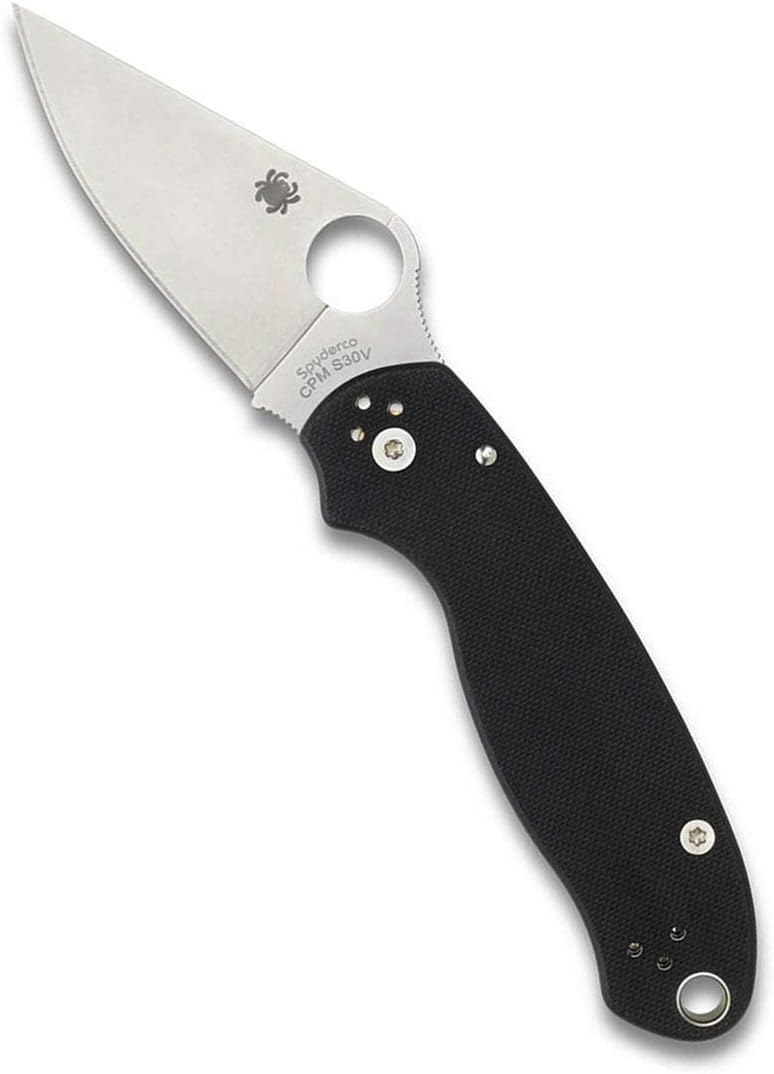
While BRK distributes major brands like Spyderco and Kershaw, their real claim to fame for the budget-conscious buyer is their proprietary brands. The most famous of these is Rough Ryder.
Many people ask us how these knives compare to American classics. While they are manufactured overseas (primarily China), the quality control driven by Blue Ridge Knives is surprisingly high. They have effectively resurrected the “traditional slipjoint” market by offering bone handles, carbon steel blades, and classic patterns for a fraction of the cost of domestic equivalents.
Rough Ryder: The Complete Brand Analysis
The Rough Ryder brand deserves extensive examination because it represents something rare in the knife industry: a distributor-created brand that earned genuine respect from the collector community. When Rough Ryder first appeared, many traditional knife enthusiasts dismissed it as just another Chinese import. However, as knives circulated through the community, opinions shifted dramatically. Reviews praised the “walk and talk”—the satisfying snap of a slipjoint blade opening and closing—comparing favorably to American-made knives costing significantly more.
What makes Rough Ryder particularly interesting is the variety of handle materials offered at budget prices. Genuine stag antler, buffalo horn, ram’s horn, abalone shell, mother of pearl, and various exotic woods appear regularly in the product line. In the American traditional knife market, genuine stag handles typically add $30-50 to a knife’s price. Rough Ryder offers stag-handled models for under $25, democratizing access to premium materials that were once reserved for collectors with substantial budgets.
The pattern selection covers virtually every traditional knife configuration collectors seek. Stockman patterns with three blades, trapper patterns with two full-length blades, congress patterns with four blades, barlow patterns, canoe patterns, peanut patterns, and dozens more variations ensure that regardless of your preferred traditional style, Rough Ryder likely offers an affordable version. This comprehensive catalog approach mirrors the strategy of American manufacturers during their mid-20th-century heyday, when brands like Schrade and Imperial offered endless pattern variations.
Understanding Rough Ryder Steel Options
Rough Ryder uses several steel types across their product lines, each suited to different applications:
- 440A Stainless: Most common Rough Ryder steel. Moderate edge retention but excellent corrosion resistance. Perfect for everyday pocket carry where the knife encounters moisture, food, or humid conditions. Easy to sharpen with basic equipment.
- T10 Carbon Steel: A high-carbon tool steel that develops a protective patina over time. Offers superior edge retention compared to 440A but requires maintenance to prevent rust. Preferred by traditionalists who appreciate the character carbon steel develops with use.
- Damascus Patterns: Decorative pattern-welded steel offering unique aesthetics. Performance varies by specific construction but generally offers adequate cutting ability for light to moderate tasks.
Additional Blue Ridge House Brands Worth Knowing
While Rough Ryder commands the most attention, Blue Ridge has developed several additional proprietary lines targeting different market segments. The Black Hills brand focuses on fixed blade hunting and outdoor knives, offering designs inspired by classic American patterns at accessible price points. These knives typically feature rubberized handles for grip in wet conditions, full tang construction for durability, and nylon sheaths for carry convenience.
The Copperhead series represents Blue Ridge’s foray into modern tactical folder design. Featuring assisted opening mechanisms, G10 handle scales, and pocket clips, these knives compete directly with entry-level offerings from Kershaw and CRKT. While they don’t match the premium materials of higher-end tactical folders, they provide reliable function for users who prioritize budget over brand prestige.
Comparison: BRK Brands vs. The Competition
How do the brands distributed by Blue Ridge stack up against the tactical giants we have reviewed previously?
| Brand/Model | Primary Use | Steel Quality | Price Range | Best Alternative |
|---|---|---|---|---|
| Rough Ryder (BRK House Brand) | Traditional EDC / Whittling | 440A / T10 Carbon | $ – Budget | Case Cutlery |
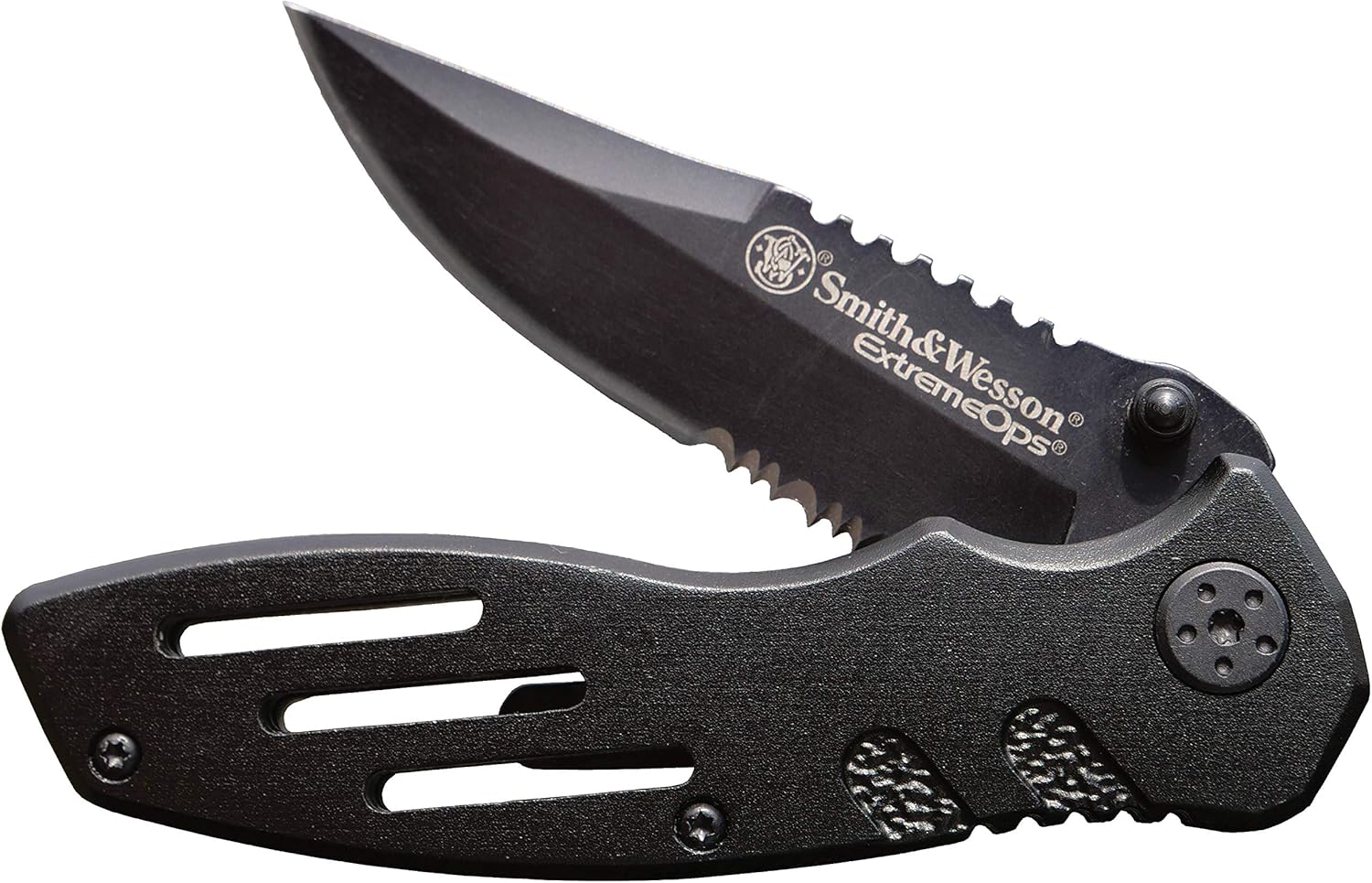
| Smith & Wesson | Tactical / First Responder | 4034 / 8Cr13MoV | $$ – Moderate | Read S&W Review |
| Kershaw | Modern EDC / Assisted | D2 / S30V / 14C28N | $$$ – Mid/High | Read Kershaw Blur Review |
| M-Tech | Tactical / Visual | 440 Stainless | $ – Budget | Read M-Tech Review |
The Complete Steel Guide: Understanding What You’re Buying
Knife steel selection represents one of the most confusing aspects for newcomers to the hobby, and even experienced collectors sometimes struggle to navigate the alphabet soup of steel designations. Because Blue Ridge distributes knives spanning the entire steel quality spectrum, understanding these materials helps you make informed purchasing decisions regardless of your budget.
Budget Steel Tier: 440 Series and Equivalents
The 440 series of stainless steels appears frequently in knives distributed through Blue Ridge’s network, particularly in house brands and entry-level offerings. 440A contains approximately 0.65-0.75% carbon with 16-18% chromium, providing good corrosion resistance at the expense of edge retention. This steel sharpens easily with basic equipment—a ceramic rod or simple whetstone suffices—but requires frequent touch-ups during heavy use. For casual EDC tasks like opening packages, cutting string, or food preparation, 440A performs adequately and its rust resistance proves valuable for pocket carry in humid environments.
440C represents a significant upgrade, with carbon content around 0.95-1.20% enabling better hardness and edge retention. While less common in budget knives due to higher material and processing costs, some mid-range offerings in the Blue Ridge catalog utilize 440C. The trade-off involves slightly reduced corrosion resistance compared to 440A, though still qualifying as stainless for practical purposes.
Mid-Range Steel Tier: 8Cr13MoV, D2, and 14C28N
Moving up the quality ladder, 8Cr13MoV appears frequently in knives from Smith & Wesson and other tactical brands distributed by Blue Ridge. This Chinese-produced stainless steel offers balanced properties: decent edge retention, acceptable corrosion resistance, and easy sharpenability. Many knife enthusiasts consider 8Cr13MoV the entry point for “real” knife steel, as it holds an edge noticeably longer than 440 series alternatives while remaining affordable.
D2 occupies an interesting position as a “semi-stainless” tool steel. Its high carbon content (1.5%) and significant chromium (12%) provide excellent edge retention and decent corrosion resistance, though D2 will eventually rust if neglected. Kershaw, extensively distributed through Blue Ridge, has popularized D2 in the budget-to-mid-range segment. The steel holds an edge impressively well but challenges novice sharpeners due to its wear resistance.
14C28N, developed by Sandvik, represents a modern stainless steel specifically designed for knife applications. Its fine grain structure enables razor-sharp edges while maintaining sufficient toughness to resist chipping. Kershaw and other brands distributed by Blue Ridge have increasingly adopted 14C28N for models targeting users who prioritize sharpness and corrosion resistance over absolute edge retention.
Premium Steel Tier: S30V, 1095 Cro-Van, and Beyond
The premium tier includes steels found in higher-end knives throughout Blue Ridge’s distribution network. S30V, developed by Crucible Industries specifically for cutlery applications, offers exceptional edge retention combined with good corrosion resistance. The Kershaw Blur S30V variant, widely distributed through Blue Ridge, exemplifies how premium steel elevates a production knife’s performance. S30V holds a working edge through extended use that would dull lesser steels, though sharpening requires diamond stones or ceramic systems due to its high vanadium carbide content.
1095 Cro-Van, used in Ka-Bar’s iconic USMC fighting knife, takes a different approach. This high-carbon steel prioritizes toughness above all else—it will bend rather than break under extreme stress. The trade-off involves active maintenance; 1095 rusts readily without protective oil coatings. For survival applications where catastrophic failure could prove life-threatening, 1095’s toughness justifies the maintenance burden. Blue Ridge’s distribution ensures these American-made blades reach retailers efficiently.
Handle Materials: Beyond Aesthetics to Performance
While blade steel commands the most attention in knife discussions, handle materials significantly impact a knife’s functionality, durability, and user experience. Blue Ridge’s catalog encompasses virtually every handle material used in production knives, and understanding the characteristics of each helps match knives to their intended purposes.
Natural Materials: Bone, Wood, and Horn
Bone Handles: The traditional pocket knife handle material par excellence, bone appears extensively throughout Rough Ryder’s product lines. Genuine bone, typically from cattle shin bones, undergoes a jigging process that creates texture patterns providing grip while adding visual character. Bone handles develop a unique patina over years of use, absorbing oils from hands and darkening slightly. This aging process creates the warm, personalized appearance that collectors prize in vintage knives. Unlike synthetic materials, bone requires some care—extreme dryness can cause cracking, though occasional mineral oil application prevents this issue.
Wood Varieties: Blue Ridge-distributed knives feature numerous wood species, each with distinct properties. Rosewood offers density and natural oil content that resists moisture. Ebony provides exceptional hardness and a classic dark appearance associated with premium traditional knives. Pakkawood, technically a wood-resin composite, delivers wood aesthetics with enhanced durability and water resistance. Curly maple and burl woods appear on higher-end models, prized for their figured grain patterns that make each knife unique.
Stag and Horn: Genuine stag antler, primarily from sambar deer, represents perhaps the most coveted natural handle material in traditional knife collecting. The random texture of antler provides excellent grip while offering visual character impossible to replicate synthetically. Rough Ryder’s ability to offer genuine stag at budget prices represents one of their most impressive achievements. Buffalo horn and ram’s horn also appear in the catalog, each with distinct coloration and working properties.
Synthetic Materials: G10, Micarta, and FRN
G10: A fiberglass-resin laminate offering exceptional strength, chemical resistance, and grip texture options. G10 appears on tactical and modern EDC knives distributed through Blue Ridge, valued for its durability and lightweight properties. The material machines cleanly, allowing precise tolerances, and accepts texturing from smooth to aggressively grippy. G10 doesn’t absorb moisture, resists most chemicals, and maintains its properties across temperature extremes—ideal for hard-use knives that will encounter challenging environments.
Micarta: Similar to G10 but using fabric layers (linen, canvas, or paper) rather than fiberglass. Micarta develops a distinctive feel over time as surface fibers wear slightly, creating a “warm” tactile sensation that many users prefer over G10’s harder feel. ESEE knives, distributed through Blue Ridge, extensively utilize canvas Micarta for its grip retention when wet—crucial for survival knives that may be used with wet, muddy, or bloody hands.
FRN (Fiberglass Reinforced Nylon): A lightweight, inexpensive material used extensively on budget to mid-range knives. FRN accepts texturing during the molding process, allowing manufacturers to create grippy patterns without secondary machining. Spyderco popularized FRN handles, and knives distributed through Blue Ridge frequently feature this material at accessible price points. While not as premium-feeling as G10 or Micarta, FRN provides excellent grip and durability for its cost.
Detailed Product Reviews: The Best of Blue Ridge Distribution
Since you buy Blue Ridge products through retailers (like Amazon), here are the top-rated knives that come from their distribution network, analyzed for quality and value.
1. Rough Ryder Classic Carbon Steel Trapper

You cannot talk about Blue Ridge Knives without reviewing the Rough Ryder Trapper. This is the quintessential “Grandpa knife.” It features genuine bone handles, nickel silver bolsters, and brass liners. The fit and finish are often superior to knives costing three times as much.
The Steel: They often use 440A or Carbon steel. While 440A is soft, it is incredibly rust-resistant. For a traditional pocket knife used to slice apples or open letters, it is perfect.
Extended Performance Analysis: Over six months of daily carry and use, the Rough Ryder Trapper demonstrated surprising durability for its price point. The blade’s edge retention proved adequate for typical pocket knife tasks—opening mail, breaking down cardboard boxes, cutting twine, and occasional food preparation. Touch-ups on a ceramic rod every few days maintained a working edge suitable for most tasks. The walk and talk remained consistent throughout testing, with no degradation in spring tension or blade wobble development.
Collector Appeal and Pattern History: The trapper pattern dates back to the early 20th century, designed for—as the name suggests—trappers who needed a knife for skinning and general outdoor tasks. The pattern features two full-length blades: a clip point for detailed work and a spey blade originally designed for skinning without puncturing hides. Modern collectors appreciate the trapper for its historical significance and practical utility, as the two-blade configuration provides versatility without excessive bulk.
Pros
- Incredible value for money (usually under $20).
- Genuine natural handle materials (Bone, Stag, Wood).
- Excellent “Walk and Talk” (snap of the blade).
Cons
- Steel requires frequent sharpening.
- Made in China (a negative for some collectors).
4. Rough Ryder Reserve: The Premium Line Analysis

In response to collector feedback and market demand, Blue Ridge introduced the Rough Ryder Reserve series, representing their premium offerings with upgraded materials and more sophisticated manufacturing standards. These knives occupy a middle ground between standard Rough Ryder production and American-made traditional knives, offering features previously unavailable at their price points.
Enhanced Steel Options: The Reserve series often features D2 tool steel or VG-10 stainless steel, significant upgrades from the standard 440A and T10 carbon steel found in baseline Rough Ryder models. D2, as discussed in our steel guide, provides excellent edge retention that substantially reduces the sharpening frequency required compared to 440A. VG-10, a Japanese stainless steel popularized by Spyderco, offers a balanced combination of edge retention, corrosion resistance, and sharpenability that many consider ideal for everyday pocket knives.
Refined Manufacturing Tolerances: The Reserve series undergoes additional quality control scrutiny compared to standard production. Blade centering—the alignment of the blade between handle liners when closed—receives particular attention, as off-center blades represent a common complaint with budget traditional knives. Spring tension in slipjoint mechanisms feels more consistent across Reserve examples, suggesting either tighter manufacturing tolerances or more selective quality filtering before these knives reach retailers.
Premium Handle Materials and Finishing: While standard Rough Ryder knives already offer impressive handle materials for their price, Reserve models feature selections with more consistent coloring and figure. Stag handles on Reserve knives display denser texture patterns. Bone handles exhibit more even jigging and dye penetration. The additional finishing steps—polishing of bolsters, rounding of sharp edges on liners, and more careful shield inlay—produce knives that visually compete with offerings priced significantly higher.
Check Price on Amazon2. Ka-Bar USMC Fighting Knife

Blue Ridge is a massive distributor for Ka-Bar. If you are looking for something with more historical significance and combat application, the USMC Fighting Knife is the legend. Unlike the budget-friendly M-Tech options we have reviewed here, the Ka-Bar uses 1095 Cro-Van steel.
This is a high-carbon steel that is incredibly tough. It is prone to rust if not oiled, but it will survive abuse that would shatter lesser blades. It is a staple in the Blue Ridge catalog for good reason.
The Historical Legacy Expanded: The Ka-Bar USMC fighting knife earned its designation through military adoption during World War II, though the pattern existed before military standardization. The knife’s design reflects specific combat requirements identified during early Pacific theater operations: a blade long enough for combat utility, a handle shaped for secure grip in wet conditions, and a pommel capable of hammering. The stacked leather washer handle, compressed and shaped into ovoid cross-section, provides surprising comfort during extended use while developing grip when wet—crucial for amphibious operations.
Modern Manufacturing Reality: Today’s Ka-Bar USMC knives continue production in Olean, New York, maintaining American manufacturing heritage. Blue Ridge’s distribution network ensures these knives reach retailers efficiently, preserving the supply chain that connects American factories to consumers. Modern examples feature powder coating on blades rather than the original parkerized finish, improving corrosion resistance. The 1095 Cro-Van steel, a modified 1095 with vanadium additions, offers toughness characteristics that have made the knife legendary in survival and outdoor communities beyond its military origins.
Check Price on Amazon3. ESEE 4 Fixed Blade Survival Knife

For the survivalists, Blue Ridge ensures that ESEE knives reach store shelves. The ESEE 4 is arguably the most balanced survival knife ever made. It features a full tang construction, Micarta handles for grip in wet conditions, and a no-questions-asked warranty.
Comparing this to a Smith & Wesson tactical knife, the ESEE is in a different league regarding heat treatment and durability. It is a tool you trust your life with.
Warranty That Defines the Brand: ESEE’s warranty deserves specific attention because it represents a philosophy rather than mere marketing. The company explicitly states that if you break an ESEE knife, they will replace it—regardless of how the breakage occurred. Batoning wood? Covered. Prying that exceeded reasonable use? Covered. Running over the knife with heavy equipment? Covered. This unconditional warranty reflects ESEE’s confidence in their heat treatment and design, as well as their understanding that survival situations sometimes demand knife use beyond intended parameters. Blue Ridge’s distribution ensures this warranty-backed quality reaches retailers efficiently.
The 1095 Carbon Steel Decision: ESEE deliberately chose 1095 high carbon steel over stainless alternatives, prioritizing toughness over corrosion resistance. In survival contexts, a knife that bends rather than snaps could mean the difference between completing essential tasks and catastrophic failure. The trade-off requires user maintenance—regular oiling prevents rust—but the performance benefits justify this care requirement for users who depend on their knives in critical situations.
Check Price on AmazonComplete Knife Maintenance Guide: Protecting Your Investment
Regardless of whether you purchase a $15 Rough Ryder or a $150 ESEE through Blue Ridge’s distribution network, proper maintenance dramatically extends knife life and preserves performance. Many knife owners neglect basic care, leading to premature dulling, corrosion, or mechanical issues that proper maintenance would prevent. This comprehensive guide covers essential maintenance practices for every knife type in the Blue Ridge catalog.
Daily and Weekly Maintenance Routines
1 Blade Cleaning After Use: After cutting food, tape, or anything leaving residue, wipe the blade with a soft cloth. For food residue, warm water with mild dish soap removes organic matter that can cause staining or pitting. Dry thoroughly immediately after cleaning, as even stainless steels can develop spots if moisture remains on the surface. Pay particular attention to the pivot area on folding knives, where trapped moisture accelerates corrosion and attracts debris.
2 Pivot Lubrication: Folding knife pivots benefit from occasional lubrication. Specialized knife oils exist, but mineral oil, 3-in-1 oil, or even gun oil work effectively. Apply a single drop to each side of the pivot, work the blade open and closed several times to distribute lubricant, then wipe away excess. Over-lubrication attracts lint and debris, so minimal application proves most effective. For traditional slipjoint knives, a tiny drop on each blade tang where it contacts the spring reduces friction and wear.
3 Handle Material Care: Different handle materials require specific care approaches. Natural materials like bone, wood, and horn benefit from occasional mineral oil application, which prevents drying and cracking. Apply a small amount, let it absorb for several minutes, then buff away excess. G10 and Micarta require minimal care beyond cleaning with mild soap and water when visibly soiled. Rubberized handles like those on many tactical knives degrade over time with exposure to UV light and certain chemicals, so store these knives away from direct sunlight and avoid contact with DEET-based insect repellents.
Sharpening Systems and Techniques
Sharpening represents the maintenance task that most intimidates new knife owners, yet developing basic proficiency dramatically improves your knife experience. The appropriate sharpening system depends on your knives’ steel types, your budget, and your desired sharpness level.
Pull-Through Sharpeners: The simplest option for beginners, pull-through sharpeners use preset carbide or ceramic angles to quickly restore working edges. These work adequately for budget steels like 440A and 8Cr13MoV but should be avoided for premium steels, which they can damage through improper angle setting or carbide tearing. For Rough Ryder and similar budget knives in Blue Ridge’s catalog, pull-through sharpeners provide accessible maintenance.
Guided Rod Systems: Systems like the Lansky or KME use rods guided through preset angle holes, removing the freehand angle consistency challenge. These systems work excellently across all steel types and produce consistent edges with practice. The investment—typically $40-200 depending on system sophistication—pays dividends in sharpening quality and reduced frustration for users sharpening multiple knives regularly.
Freehand Whetstones: The traditional method using bench stones requires the most skill development but offers the most versatility. Starting with a coarse stone (200-400 grit) for damage repair, progressing through medium (800-1000 grit) for edge establishment, and finishing with fine (3000+ grit) for refinement produces edges limited only by your technique. Japanese water stones, diamond plates, and ceramic stones each have proponents; diamond plates offer the advantage of cutting any steel type without requiring flattening maintenance.
Knife Laws and Legal Considerations: What Every Buyer Should Know
Knife ownership carries legal responsibilities that vary dramatically by jurisdiction. Because Blue Ridge Knives distributes products nationwide and internationally through their dealer network, understanding the legal landscape helps consumers make informed purchasing decisions and avoid inadvertently violating local regulations.
Federal Law Overview
United States federal knife law remains surprisingly limited, primarily addressing interstate commerce and specific restricted categories. The Federal Switchblade Act of 1958 prohibits interstate shipment of switchblades (automatic knives) to individuals, though exceptions exist for military, law enforcement, and one-armed individuals. However, this law regulates commerce rather than possession; individual states determine legality of ownership and carry. The amendment to the Federal Switchblade Act in 2009 clarified that assisted-opening knives (where the user applies initial pressure to the blade, and a spring completes opening) do not qualify as switchblades, protecting the legality of Kershaw Speedsafe and similar mechanisms distributed through Blue Ridge.
State Law Variations
State knife laws create a complex patchwork that responsible owners must navigate. Some states maintain relatively permissive regimes—Arizona, Texas, and New Hampshire, for example, impose few restrictions on knife carry. Others, like New York and California, enforce significant limitations. Common restrictions include blade length limits (often 3-4 inches for concealed carry), prohibitions on specific opening mechanisms (automatics, balisongs, gravity knives), and restrictions on carry locations (schools, government buildings, bars).
Municipal ordinances add another layer of complexity. New York City’s knife laws, for instance, differ significantly from New York State laws, with aggressive enforcement of gravity knife interpretations that have ensnared many unaware knife carriers. Before carrying any knife distributed through Blue Ridge’s network, research your specific city and state regulations.
International Considerations
Knife laws outside the United States often prove more restrictive. The United Kingdom prohibits carrying knives with blades exceeding 3 inches without “good reason,” and locks blades (any folding knife that locks open) count as fixed blades for legal purposes. Germany restricts one-hand-opening knives in many contexts. Australia’s knife laws vary by state but generally prohibit carrying without reasonable excuse. When purchasing knives through retailers supplied by Blue Ridge for international shipping, verify both the retailer’s export compliance and your local import regulations.
Knife Collecting: Building a Meaningful Collection Through Blue Ridge Distribution
Knife collecting represents one of the oldest and most accessible forms of collecting, combining historical appreciation, craftsmanship evaluation, and practical utility. Blue Ridge Knives’ distribution network plays a significant role in the modern collecting ecosystem by ensuring wide availability of both current production knives and the house brands that have developed their own collector followings.
Starting a Traditional Knife Collection
Traditional pocket knives offer perhaps the most accessible entry point for new collectors. The pattern variety—trapper, stockman, congress, barlow, canoe, peanut, and dozens more—provides endless collecting possibilities within a single category. Rough Ryder, distributed through Blue Ridge, enables collectors to explore patterns and handle materials that would cost significantly more from American manufacturers. A new collector can acquire examples of five different traditional patterns for under $100, developing preferences before investing in higher-end pieces.
When building a traditional knife collection, consider focusing strategies. Some collectors pursue specific patterns across manufacturers—acquiring trapper patterns from Case, Rough Ryder, Bear & Son, and others. Others specialize in specific handle materials, building collections featuring genuine stag or abalone across different patterns. Manufacturer-focused collectors might attempt to acquire every Rough Ryder pattern produced in a particular year. Each approach offers different satisfactions and challenges.
The Role of Limited Editions and Exclusives
Blue Ridge’s position as a major distributor enables them to commission exclusive runs unavailable elsewhere. These exclusives—particular color combinations, handle materials, or blade configurations offered only through specific retailers—often appreciate in value as collectors seek completeness. Monitoring announcements from major retailers supplied by Blue Ridge can yield opportunities to acquire limited pieces before they sell out. The secondary market for sought-after exclusives sometimes prices knives at multiples of their original retail, though speculation carries obvious risks.
Storage and Display Considerations
Proper storage preserves both value and condition. Traditional knives with carbon steel blades require rust prevention; silica gel packets in storage containers absorb ambient moisture. Knife rolls and cases designed specifically for collection storage prevent knives from contacting each other, avoiding scratches on bolsters and handles. For display purposes, shadow boxes and glass-topped cases allow appreciation while protecting from dust and handling. Whatever storage method you choose, maintain consistent moderate temperature and humidity to prevent handle material degradation.
Everyday Carry Integration: Making Knives Part of Your Daily System
The EDC (Everyday Carry) movement has transformed how people think about pocket knives, elevating them from occasional tools to essential daily companions. Blue Ridge’s distribution network supplies knives across the entire EDC spectrum, from traditional slipjoints favored by office professionals to tactical folders carried by first responders and tradespeople.
Choosing the Right EDC Knife for Your Lifestyle
Your daily activities should dictate your knife choice more than marketing or peer pressure. An office worker in a business-casual environment benefits from a small, non-threatening traditional knife like a Rough Ryder peanut or small stockman pattern. These knives handle typical office cutting tasks—opening packages, cutting fruit at lunch, trimming loose threads—without alarming coworkers who might react negatively to a tactical-looking blade. The natural handle materials and classic styling often spark positive conversations rather than concern.
Tradespeople and outdoor workers need different capabilities. A Kershaw assisted opener or ESEE fixed blade, distributed through Blue Ridge, provides rapid deployment and robust construction suited to demanding use. The key consideration shifts from social perception to functional reliability—can the knife withstand daily hard use without failure? Lock strength, blade toughness, and grip security under adverse conditions become primary evaluation criteria.
Carry Methods and Accessibility
How you carry your knife affects both accessibility and legality. Pocket clips, standard on most modern tactical folders, enable quick access but announce the knife’s presence to observers. Deep-carry clips that minimize exposed knife handle provide discretion while maintaining accessibility. Traditional slipjoints without clips ride at the bottom of pockets, completely hidden but requiring more deliberate retrieval. Belt sheaths suit larger knives or situations where pocket space is limited, though they maximize visibility.
Consider secondary carry methods for specific situations. A small fixed blade carried horizontally on the belt disappears under an untucked shirt while providing capabilities folders can’t match. Neck knives offer accessibility when wearing clothing without pockets. Ankle carry, while slower to access, provides deep concealment when circumstances require maximum discretion.
Knife Gift-Giving Guide: Choosing the Perfect Blade for Others
Knives rank among the most popular gifts for men and increasingly for women, yet selecting the right knife for someone else requires consideration beyond personal preference. Blue Ridge’s extensive catalog, available through countless retailers, offers options for every gift recipient scenario.
Knives for Non-Enthusiasts
Gifting a knife to someone without existing knife knowledge requires prioritizing ease of use and low maintenance. Stainless steel eliminates rust concerns for recipients unlikely to oil blades. Simple locking mechanisms or slipjoint patterns avoid confusion. Handle materials that look attractive without requiring special care—wood, G10, or FRN—appeal to aesthetic sensibilities without demanding maintenance knowledge. The Rough Ryder lines distributed through Blue Ridge offer excellent gift options at price points appropriate for casual giving.
Knives for New Collectors
Someone expressing interest in knife collecting appreciates gifts that demonstrate thoughtfulness about their developing hobby. A selection representing different traditional patterns introduces variety. A knife featuring their birth year or another significant date adds personal meaning. Limited editions or dealer exclusives convey that you invested effort beyond simply purchasing the first knife you saw. Blue Ridge’s broad catalog enables gift-givers to find unique options beyond what big-box retailers stock.
The Superstition: Giving a Coin with a Knife
Many cultures maintain a tradition of including a coin when gifting a knife, based on the belief that a gifted blade can “cut” the friendship. The recipient returns the coin to the giver, symbolically “paying” for the knife and transforming the gift into a transaction that preserves the relationship. Whether you observe this tradition or consider it mere superstition, including a penny with a gifted knife adds a thoughtful touch that demonstrates awareness of knife culture.
The Future of Knife Distribution: Trends Affecting Blue Ridge and Consumers
The knife industry continues evolving, and Blue Ridge Knives’ distribution model faces both opportunities and challenges in the coming years. Understanding these trends helps consumers anticipate changes in availability, pricing, and product offerings.
Direct-to-Consumer Disruption
Some manufacturers increasingly pursue direct-to-consumer sales, potentially reducing reliance on distributors like Blue Ridge. However, the economics of small-order fulfillment differ dramatically from bulk distribution. Manufacturers optimizing for production efficiency often find that managing thousands of individual consumer orders creates overhead that erodes margin gains from cutting out distributors. The most likely scenario involves hybrid models where manufacturers maintain direct sales for flagship products while continuing distribution partnerships for broader market access.
The Continued Rise of Chinese Manufacturing Quality
Chinese knife manufacturing quality continues improving at a pace that surprises industry observers. Factories that produced crude budget knives a decade ago now output products rivaling mid-range offerings from established manufacturers. This trend benefits Blue Ridge’s house brands directly, as their established relationships with Chinese factories enable access to improving capabilities. Consumers should expect Rough Ryder and similar brands to gradually incorporate better steels, tighter tolerances, and more sophisticated designs as manufacturing partners advance.
E-Commerce Evolution and Amazon’s Role
Amazon’s dominance in online retail significantly impacts knife distribution. Many Blue Ridge-supplied retailers operate primarily or exclusively through Amazon’s marketplace, competing on price and fulfillment speed. This competition benefits consumers through lower prices and faster shipping but challenges brick-and-mortar knife shops that can’t match online pricing. The future likely involves continued marketplace consolidation, with surviving physical retailers differentiating through expertise, service, and experiences that online competitors cannot replicate.
Why Retailers Love Blue Ridge (And Why You Benefit)
The success of Blue Ridge Knives lies in their inventory. Because they stock thousands of items, retailers don’t have to wait for manufacturers to do production runs. This means when you go to buy a Kershaw Blur S30V on Amazon, there is a high probability that the stock originated from the Blue Ridge warehouse.
This massive volume keeps prices competitive. It also allows them to commission “Dealer Exclusives.” You might find a Spyderco Delica in a color that doesn’t exist anywhere else—chances are, that was a run commissioned by a distributor like Blue Ridge.
The Retailer Perspective: Why Dealers Choose Blue Ridge
Understanding why retailers consistently choose Blue Ridge as their primary distributor illuminates the value proposition for consumers. Small knife dealers, whether brick-and-mortar shops or online sellers, face significant inventory management challenges. Minimum order requirements from major manufacturers often exceed what small businesses can reasonably stock. A dealer wanting to offer Kershaw, Spyderco, and Benchmade products simultaneously might face minimum orders totaling tens of thousands of dollars—capital tied up in inventory rather than available for business operations.
Blue Ridge eliminates this barrier. A dealer can order one Spyderco Delica, two Kershaw Leeks, and a Benchmade Griptilian on a single purchase order, maintaining diverse inventory without excessive capital commitment. This accessibility enables the proliferation of knife dealers that consumers benefit from through competitive pricing and wide selection. The dealer portal’s real-time inventory system prevents the frustration of ordering products only to discover they’re backordered—a common issue when dealing directly with manufacturers.
The Quality Control Question
A common concern with wholesale brands is Quality Control (QC). Since Blue Ridge deals in volume, does quality suffer?
For Premium Brands: If you buy a Benchmade or Spyderco distributed by BRK, the quality is identical to buying direct. The boxes are sealed.
For House Brands (Rough Ryder, etc.): This is where BRK shines. They have managed to push Chinese manufacturing to a level where a $15 Rough Ryder often has better blade centering and fewer gaps than a $60 American-made Case knife. It is a controversial opinion, but one that many reviewers share.
The Blue Ridge Quality Control System Explained
Blue Ridge’s quality control approach for house brands involves multiple inspection layers that catch issues before products reach consumers. Initial factory inspections occur during and after production, with Blue Ridge-employed or contracted quality assurance personnel present in manufacturing facilities. These inspectors check random samples from each production batch against specification sheets covering dimensions, materials, fit, and finish.
Secondary inspection occurs upon arrival at the Marion, Virginia warehouse. Receiving teams open a percentage of each shipment, examining knives for shipping damage, corrosion that might have developed during transit, and consistency with approved samples. Items failing inspection return to the manufacturer or undergo rework before entering inventory. This dual-inspection approach catches issues at two points in the supply chain, reducing the defect rate reaching retailers and ultimately consumers.
For premium brands distributed by Blue Ridge—Spyderco, Benchmade, Kershaw, Ka-Bar, and others—quality control remains entirely with the manufacturer. Blue Ridge receives factory-sealed products and distributes them without opening or inspection, preserving the manufacturer’s quality assurance integrity. This separation ensures that premium brands distributed through Blue Ridge maintain identical quality to those purchased through any other channel.
How to Choose the Right Knife from the Catalog
With thousands of options, how do you choose? Here is our buying guide:
- Know Your Steel: If you see “440 Stainless” on a box, it is a budget knife. If you see “S30V,” “D2,” or “1095,” you are looking at a performance tool.
- Check the Handle Material: Blue Ridge house brands excel in natural materials. Look for Bone, Ram’s Horn, or Abalone. These add significant aesthetic value.
- Read the Warranty: Brands like ESEE (distributed by BRK) have lifetime warranties. Budget brands usually do not.
Advanced Selection Criteria for Experienced Buyers
Beyond the basics, experienced knife buyers evaluate additional factors that significantly impact satisfaction:
Blade Geometry: The thickness behind the edge determines cutting performance more than steel type for many tasks. A thick blade with a steep grind, regardless of premium steel, will cut less efficiently than a thin blade with an acute edge angle in budget steel. Consider your primary cutting tasks when evaluating blade geometry. Food preparation benefits from thin, slicey blades. Hard-use outdoor tasks require thicker geometry that resists damage. Blue Ridge’s catalog spans the full geometry spectrum, requiring attention to specifications rather than brand alone.
Ergonomic Fit: Knife handles that fit your hand well disappear during use, while poorly fitting handles cause hot spots and fatigue. Hand size varies significantly between individuals, making personal evaluation crucial. Where possible, handle knives before purchasing—knife shows, retail stores, and even meeting up with local collectors provide opportunities to evaluate ergonomics before committing. The widespread availability of Blue Ridge-distributed knives through retailers increases the likelihood of finding display models to handle.
Carry Position and Clip Design: For folding knives intended for EDC, clip design dramatically affects daily experience. Tip-up versus tip-down carry, left versus right-hand orientation, deep-carry versus standard clip position—these seemingly minor details determine whether a knife becomes a constant companion or sits unused in a drawer. Many knives in Blue Ridge’s catalog offer configurable clip positions; check specifications before purchasing if carry orientation matters to you.
Essential Knife Accessories: Completing Your Kit
Knife ownership extends beyond the knife itself. Accessories enhance maintenance, carry, and usage experiences. Blue Ridge’s distribution network supplies many of these accessories alongside knives, often available from the same retailers.
Sharpening Equipment Recommendations
We covered sharpening techniques earlier; here we focus on specific product recommendations available through Blue Ridge’s network. The Work Sharp Guided Field Sharpener offers a complete portable system with diamond plates, ceramic rod, and leather strop in a pocketable format—ideal for maintaining edges away from home. For bench use, Lansky Deluxe 5-Stone System provides guided-angle sharpening suitable for all steel types. Budget-conscious buyers can start with a combination Smith’s TRI-6 Arkansas Stone, which handles basic edge maintenance for most knife steels.
Maintenance Products Worth Stocking
Mineral oil serves as the universal knife maintenance product—food-safe, effective for blade protection, and beneficial for natural handle materials. Tuf-Cloth marine-grade rust preventative cloths provide enhanced protection for carbon steel blades in humid environments. Blue Lube or similar purpose-formulated pivot lubricants optimize folding knife action. A basic maintenance kit containing these items, plus microfiber cloths and cotton swabs for detailed cleaning, costs under $30 and will maintain dozens of knives for years.
Storage and Organization Solutions
As collections grow, storage becomes important. Knife rolls with individual pockets protect knives during transport and storage. Pelican-style cases with customizable foam inserts provide maximum protection for valuable pieces. Magnetic knife strips offer display-oriented storage for frequently accessed knives. The right storage solution depends on collection size, value, and whether display or protection takes priority.
Frequently Asked Questions (FAQ)
Can I buy directly from Blue Ridge Knives?
No, Blue Ridge Knives is a wholesale distributor. You must have a valid resale tax license and a business to set up an account with them. Individuals must purchase their products through retailers or online marketplaces like Amazon.
Does Blue Ridge Knives own Rough Ryder?
Yes, Rough Ryder is a proprietary brand owned by Blue Ridge Knives. They design the knives and have them manufactured in China to their specifications, focusing on high value for the price.
Are knives distributed by Blue Ridge authentic?
Absolutely. Blue Ridge Knives is one of the most reputable distributors in the industry. Whether you are buying a Kershaw, a Ka-Bar, or a Smith & Wesson through a retailer supplied by BRK, the product is 100% authentic.
What is the best knife brand distributed by Blue Ridge?
It depends on your needs. For traditional pocket knives, Rough Ryder is the best value. For survival, ESEE is the top tier. For tactical applications, brands like Smith & Wesson and M-Tech are popular budget choices available through their network.
Where is Blue Ridge Knives located?
Their headquarters and main distribution warehouse are located in Marion, Virginia, USA.
How do I know if a knife I bought came through Blue Ridge distribution?
Most consumers never know which distributor supplied their knife, as this information isn’t typically marked on products. However, if you purchase from a smaller online knife retailer or Amazon marketplace seller, there’s a strong chance Blue Ridge supplied the inventory. Some retailers include packing slips showing fulfillment origin, but this varies by seller practice.
What’s the difference between Blue Ridge Knives and Blue Ridge Tools?
Blue Ridge Knives focuses specifically on cutlery distribution, while Blue Ridge Tools may refer to a different entity. Some confusion arises because certain house brand products carry similar naming. When researching, ensure you’re looking at Blue Ridge Knives, Inc., the Marion, Virginia-based distributor discussed in this article.
Does Blue Ridge distribute kitchen knives as well as pocket knives?
Yes, Blue Ridge’s catalog includes kitchen cutlery from various manufacturers. Victorinox kitchen knives, for example, appear in their dealer catalog alongside outdoor and EDC knives. Retailers can source a complete cutlery department from Blue Ridge’s inventory, covering kitchen, outdoor, tactical, and traditional categories.
How often does Blue Ridge add new products to their catalog?
Blue Ridge updates their dealer catalog continuously as manufacturers release new products and as their house brands develop new patterns. Major catalog updates typically coincide with industry trade shows—SHOT Show in January and BLADE Show in June—when manufacturers announce new models. Dealers typically see new products listed within weeks of these events.
Can international customers access Blue Ridge products?
While Blue Ridge primarily serves U.S. retailers, some international knife dealers maintain relationships with American distributors. International customers should check with local knife retailers about product availability. Additionally, many Amazon marketplace sellers supplied by Blue Ridge offer international shipping, subject to Amazon’s global shipping policies and local import regulations.
What warranty coverage applies to Blue Ridge house brands?
Warranty coverage varies by brand. Rough Ryder typically offers a limited warranty against manufacturing defects, though specific terms depend on the retailer and product line. Unlike premium brands such as ESEE (unconditional lifetime warranty) or Kershaw (limited lifetime warranty), budget house brands generally provide more restricted coverage. Check with your specific retailer about warranty procedures before purchasing.
Does Blue Ridge Knives offer any American-made house brands?
Currently, Blue Ridge’s proprietary house brands are primarily manufactured overseas, predominantly in China. However, the premium brands they distribute—Ka-Bar, ESEE, Benchmade, Spyderco, Kershaw (select models), and others—include significant American-made products. Consumers seeking U.S.-manufactured knives should look for specific country-of-origin labeling on premium brands within the Blue Ridge distribution network.
How does Blue Ridge handle product recalls or safety issues?
Blue Ridge maintains communication channels with all manufacturers they distribute. When recalls occur—rare but not unprecedented in the knife industry—Blue Ridge notifies their dealer network and facilitates return logistics. For house brands, they manage recalls directly, working with retailers to contact affected customers. The distributed nature of their supply chain means recall notices may reach consumers through the retailer rather than directly from Blue Ridge.
Glossary of Essential Knife Terms
Understanding knife terminology enhances your ability to evaluate products and communicate with other enthusiasts. This glossary covers terms frequently encountered when browsing knives distributed through Blue Ridge’s network.
Bail: A metal loop attached to the handle end of some traditional knives, designed for attaching a lanyard or chain. Common on Boy Scout patterns and electrician’s knives.
Belly: The curved portion of a blade edge, providing slicing capability. More belly facilitates draw cuts through material; less belly improves push-cutting and tip control.
Bolster: The metal portion at the blade end of a knife handle, reinforcing the pivot area on folding knives. Nickel silver and brass are common bolster materials on traditional knives.
Choil: An unsharpened notch or cutout at the blade base near the handle, providing a finger indexing point or sharpening relief.
Detent: The mechanism holding a folding knife closed, typically a ball bearing engaging a hole in the blade tang. Proper detent prevents accidental opening during carry.
EDC: Everyday Carry—items carried daily for practical utility. In knife context, refers to knives sized and designed for regular pocket carry.
Full Tang: Blade steel extending the full handle length, providing maximum structural strength. Common on fixed blade survival and outdoor knives.
HRC (Rockwell Hardness): A measurement scale indicating steel hardness. Higher numbers indicate harder steel. Knife blades typically range from 55-62 HRC, with different steels optimized for different hardness ranges.
Jimping: Notches cut into the blade spine or handle for improved thumb traction during use.
Liner Lock: A locking mechanism using a portion of the handle liner that moves behind the blade tang when opened, preventing closure.
Scales: The handle material pieces attached to the knife frame or tang. May be natural materials (bone, wood) or synthetic (G10, Micarta).
Slipjoint: A non-locking folding knife mechanism using spring tension to hold the blade open. Traditional pocket knives predominantly use slipjoint construction.
Walk and Talk: Collector terminology describing how a slipjoint knife opens and closes—the smoothness of “walk” (opening) and the authoritative sound of “talk” (snap when reaching open position).
Disclaimer: This post contains affiliate links. If you purchase through these links, we may earn a commission at no extra cost to you.