Introduction to Hand-Forged Knives
🔪 Recommended
Shop: quality kitchen knives
As an Amazon Associate I earn from qualifying purchases.
Understanding what makes a knife hand-forged is crucial for knife buyers who want to invest in a high-quality, durable, and unique blade. A hand-forged knife is a testament to a craftsman’s skill and dedication, as it requires hours of meticulous work to shape and refine the metal. When you know what to look for, you can appreciate the craftsmanship that goes into creating these exceptional knives. This knowledge will help you make informed purchasing decisions and ensure that you get the best value for your money.
Moreover, recognizing the characteristics of a hand-forged knife will also enable you to properly care for and maintain your blade. By understanding the materials, techniques, and processes involved in creating a hand-forged knife, you can take steps to preserve its condition and extend its lifespan. In this article, we will delve into the world of hand-forged knives, exploring the core concepts, practical applications, and common misconceptions surrounding these exceptional blades. Whether you’re a seasoned collector or a novice enthusiast, this guide will provide you with the knowledge you need to appreciate and care for your hand-forged knife.
Core Concept: Forging Process
The forging process is the foundation of a hand-forged knife. It involves heating and shaping the metal to create the desired form and structure. This process can be done using various techniques, including hammering, folding, and quenching. The goal of forging is to create a strong, durable, and flexible blade that can withstand the rigors of use. To learn more about the different types of steel used in knife making, including Damascus steel, visit our Knife Knowledge section.
Core Concept: Materials and Handle Construction
The materials used in a hand-forged knife are just as important as the forging process itself. The type of steel, handle material, and other components all contribute to the overall quality and performance of the knife. For example, the handle material can affect the comfort, durability, and aesthetic appeal of the knife. To compare different handle materials, such as wood, G-10, and Micarta, check out our Knife Handle Materials Compared article.
Core Concept: Blade Geometry and Edge Retention
The blade geometry and edge retention of a hand-forged knife are critical factors that determine its performance and usability. A well-crafted blade should have a sharp, even edge that can withstand repeated use and sharpening. The geometry of the blade, including the angle, curve, and thickness, all contribute to its overall effectiveness. To learn more about the differences between forged and stamped knives, including their pros and cons, visit our Forged vs. Stamped Knives comparison.
Practical Application
Now that we’ve explored the core concepts of hand-forged knives, let’s discuss how to apply this knowledge in a practical setting. When buying or caring for a hand-forged knife, consider the following:
- Inspect the blade for any imperfections or irregularities in the forging process
- Check the handle material and construction for durability and comfort
- Examine the edge retention and blade geometry for optimal performance
- Research the manufacturer or craftsman to ensure authenticity and quality
- Consider the maintenance and sharpening requirements for the knife
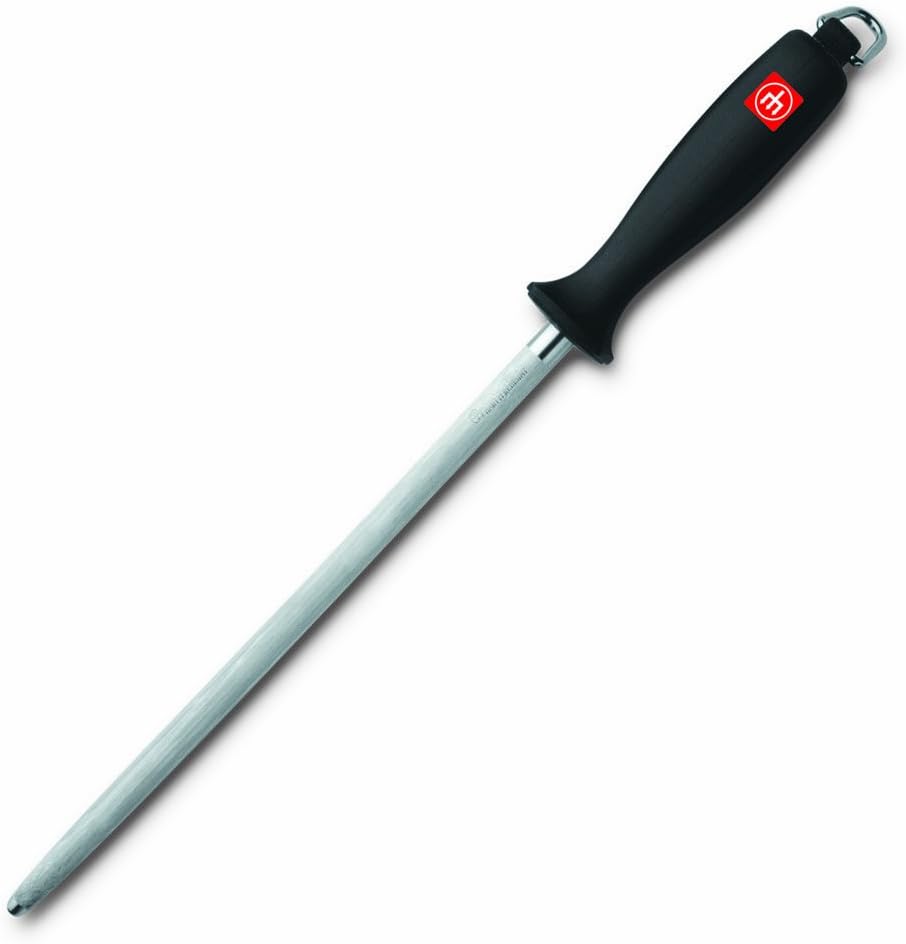
Additionally, understanding how to properly care for your hand-forged knife is essential to maintaining its condition and extending its lifespan. For tips on honing and sharpening your knife, visit our Honing Steel vs. Whetstone article.
Common Misconceptions
There are several common misconceptions surrounding hand-forged knives that can lead to confusion and misinformation. Here are a few myths busted with facts:
Myth 1: All hand-forged knives are made from high-carbon steel. Fact: While many hand-forged knives are made from high-carbon steel, other materials like stainless steel and Damascus steel are also used.
Myth 2: Hand-forged knives are always more expensive than mass-produced knives. Fact: While high-end hand-forged knives can be pricey, there are many affordable options available from reputable manufacturers.
Myth 3: Hand-forged knives are only for collectors and enthusiasts. Fact: Hand-forged knives can be used for a variety of purposes, including cooking, hunting, and everyday carry.
Myth 4: Hand-forged knives require special care and maintenance. Fact: While hand-forged knives do require some maintenance, they can be easily cared for with regular sharpening and cleaning.
Expert Recommendations
Based on our expertise and research, here are some actionable takeaways for knife buyers and enthusiasts:
- Invest in a high-quality hand-forged knife from a reputable manufacturer or craftsman
- Learn about the different types of steel and materials used in knife making, including Damascus steel
- Consider the intended use of the knife and choose a blade geometry and edge retention that suits your needs
- Properly care for and maintain your hand-forged knife to ensure its longevity and performance
For more information on knife care and maintenance, visit our Knife Care and Maintenance section.
FAQ
What is the difference between a hand-forged knife and a mass-produced knife?
A hand-forged knife is made using traditional techniques and tools, whereas a mass-produced knife is made using automated machines and manufacturing processes. Hand-forged knives are often more durable and unique, but may be more expensive than mass-produced knives.
How do I care for my hand-forged knife?
To care for your hand-forged knife, regularly sharpen and hone the blade, clean and dry the knife after use, and store it in a dry place. Avoid exposing the knife to extreme temperatures or harsh chemicals, and consider applying a patina to protect the blade.
Can I use my hand-forged knife for everyday tasks?
Yes, hand-forged knives can be used for a variety of everyday tasks, including cooking, hunting, and self-defense. However, it’s essential to choose a knife that suits your specific needs and to properly care for and maintain the blade.
What is the best type of steel for a hand-forged knife?
The best type of steel for a hand-forged knife depends on the intended use and personal preference. High-carbon steel, stainless steel, and Damascus steel are popular options, each with its unique characteristics and benefits. For more information on knife steel, visit our Knife Knowledge section.
Additionally, if you’re looking for a specific type of knife, such as a bread knife, consider the specific requirements and characteristics of that type of knife.
🔪 Recommended
Shop: quality kitchen knives
As an Amazon Associate I earn from qualifying purchases.