Introduction to Knife Handle Materials
🔪 Recommended
Shop: quality kitchen knives
As an Amazon Associate I earn from qualifying purchases.
Choosing the right knife can be a daunting task, especially when it comes to the handle material. The handle is a critical component of a knife, providing the user with a comfortable and secure grip. With various materials available, including wood, G-10, Micarta, and plastic, it’s essential to understand the characteristics of each to make an informed decision. By knowing the pros and cons of each material, buyers can select a knife that meets their specific needs and preferences. Whether you’re a professional chef or an outdoor enthusiast, the right handle material can make a significant difference in the performance and durability of your knife.
In addition to affecting the overall feel and balance of the knife, the handle material can also impact its maintenance and care. For instance, some materials are more resistant to moisture and extreme temperatures than others. Furthermore, the handle material can influence the knife’s aesthetics, with some materials offering a more traditional look and feel, while others provide a modern and sleek appearance. By considering these factors, buyers can choose a knife that not only performs well but also meets their personal style and preferences. To learn more about the different types of knives and their characteristics, you can visit our Knife Comparisons page, which features in-depth reviews and comparisons of various knife models, including the Miyabi Birchwood Chef Knife.
Core Concept: Wood Handle Materials
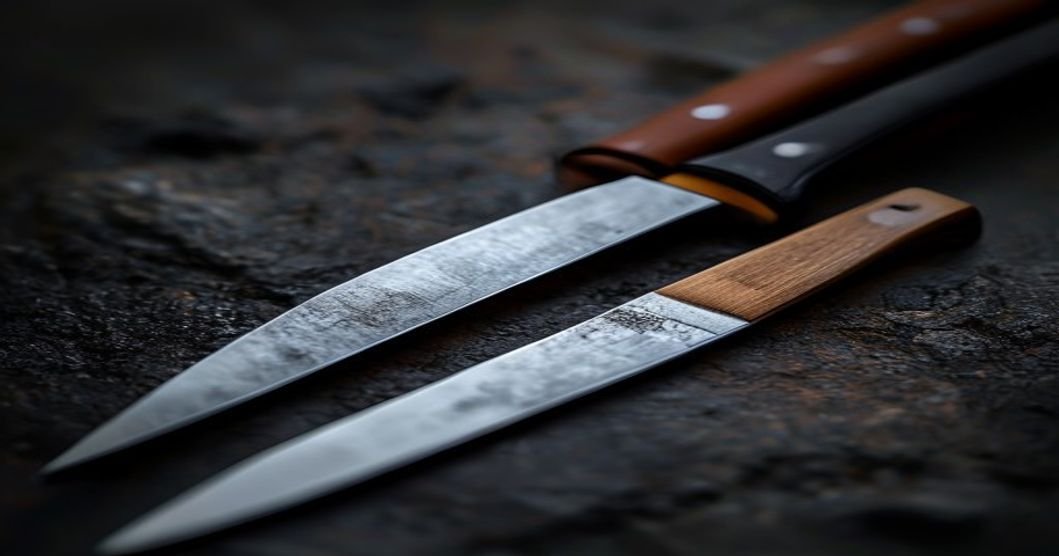
Wood is a popular choice for knife handles due to its natural beauty and tactile feel. There are various types of wood used for knife handles, each with its unique characteristics and benefits. For example, hardwoods like birch and walnut are durable and resistant to wear, while softwoods like pine and cedar are often less expensive and still offer a comfortable grip. However, wood handles require more maintenance than other materials, as they can be prone to cracking and warping if not properly cared for. To learn more about the different types of wood used for knife handles and how to care for them, you can visit our Knife Knowledge page, which features articles on various knife-related topics, including the importance of proper knife storage and maintenance.
Core Concept: G-10 Handle Materials
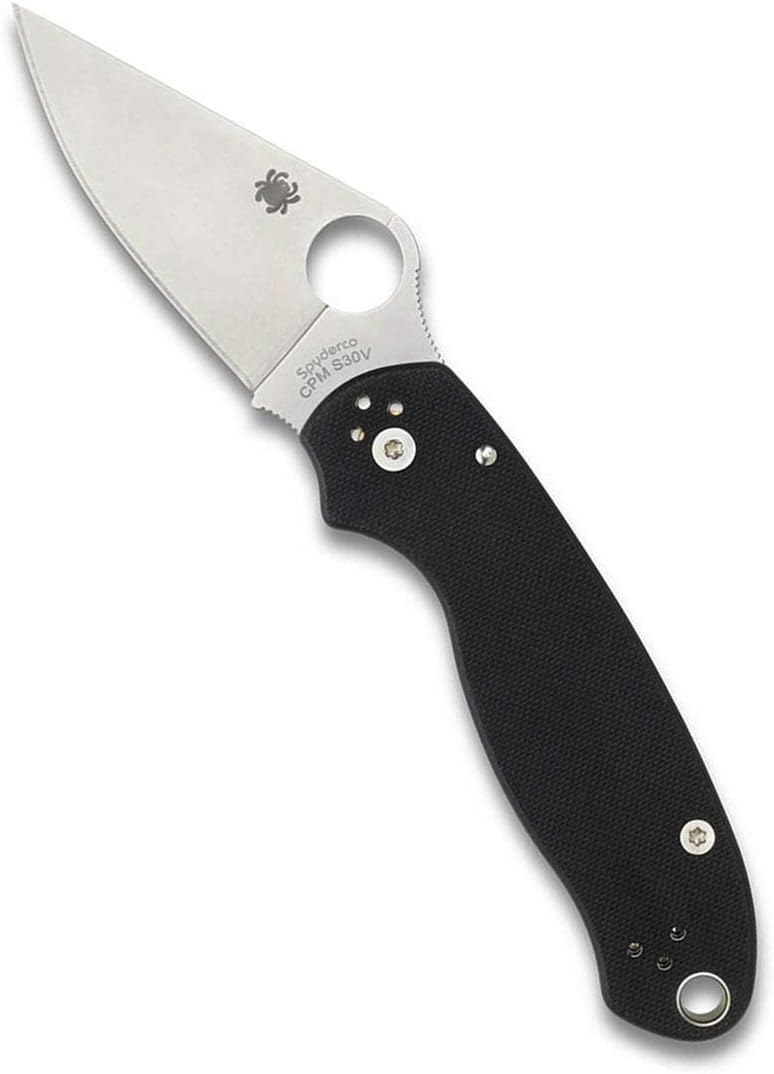
G-10 is a synthetic material made from layers of fiberglass and resin. It’s known for its exceptional strength, durability, and resistance to extreme temperatures and moisture. G-10 handles are often textured to provide a secure grip, making them ideal for outdoor and tactical knives. Additionally, G-10 is relatively low maintenance, as it’s resistant to scratches and cracks. However, some users may find G-10 handles to be too rough or abrasive, especially for extended use.
Core Concept: Micarta Handle Materials
Micarta is a type of composite material made from layers of fabric or paper impregnated with resin. It’s similar to G-10 but offers a more textured and grippy surface. Micarta handles are known for their exceptional durability and resistance to wear, making them a popular choice for high-end knives. Additionally, Micarta is relatively lightweight and can be molded into complex shapes, allowing for a high degree of customization. However, Micarta handles can be more expensive than other materials, and some users may find them too rough or abrasive.
Core Concept: Plastic Handle Materials
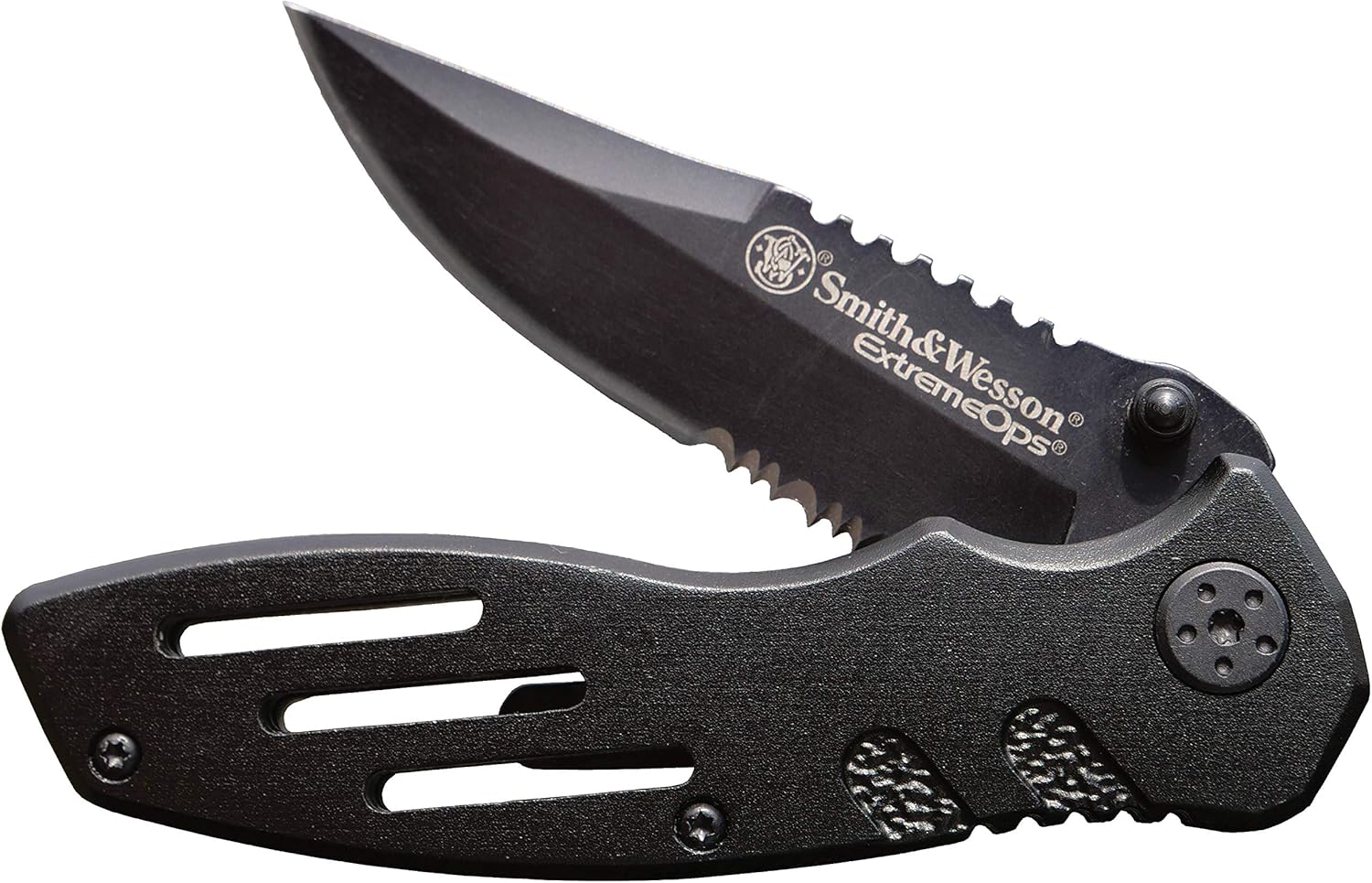
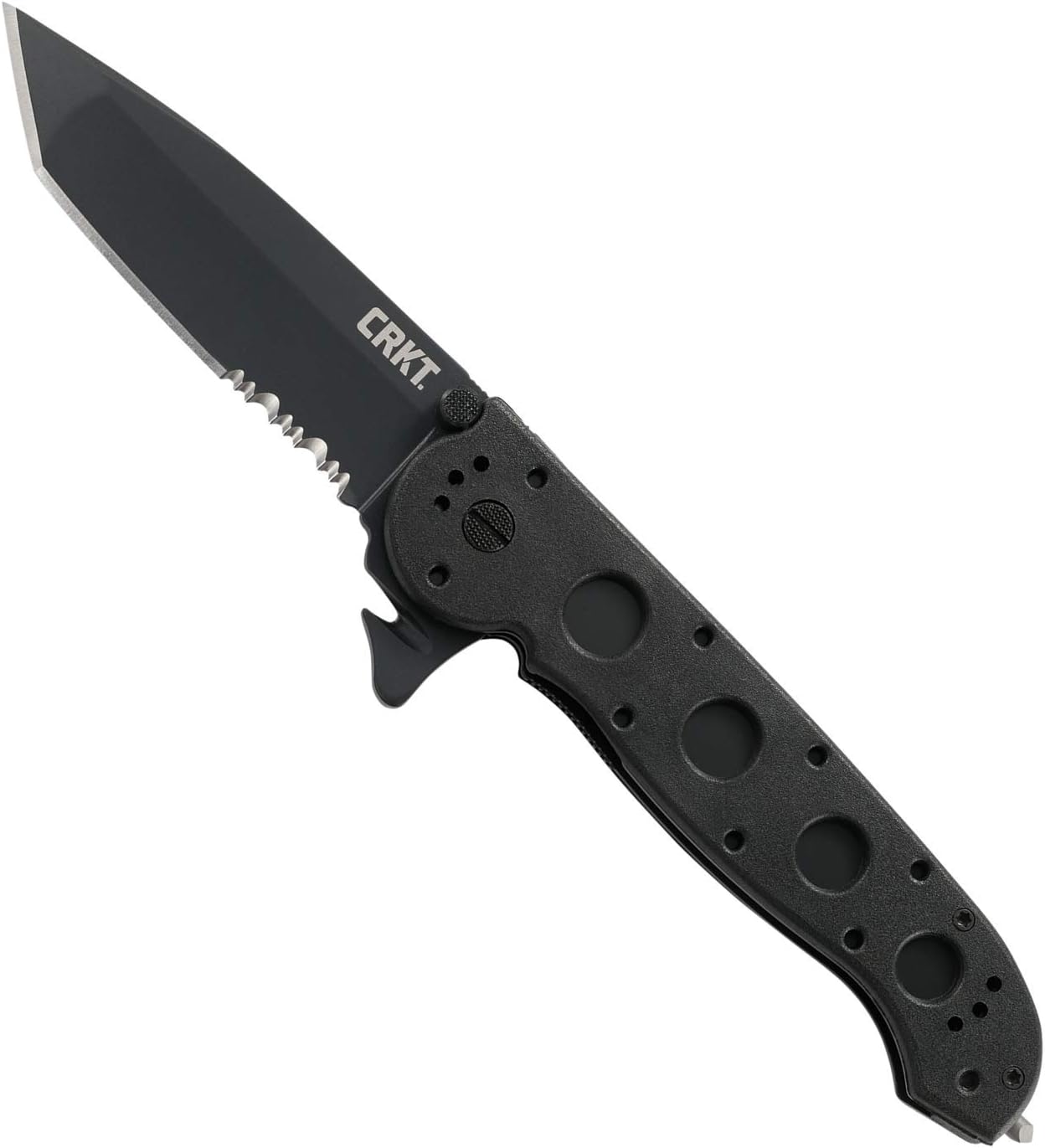
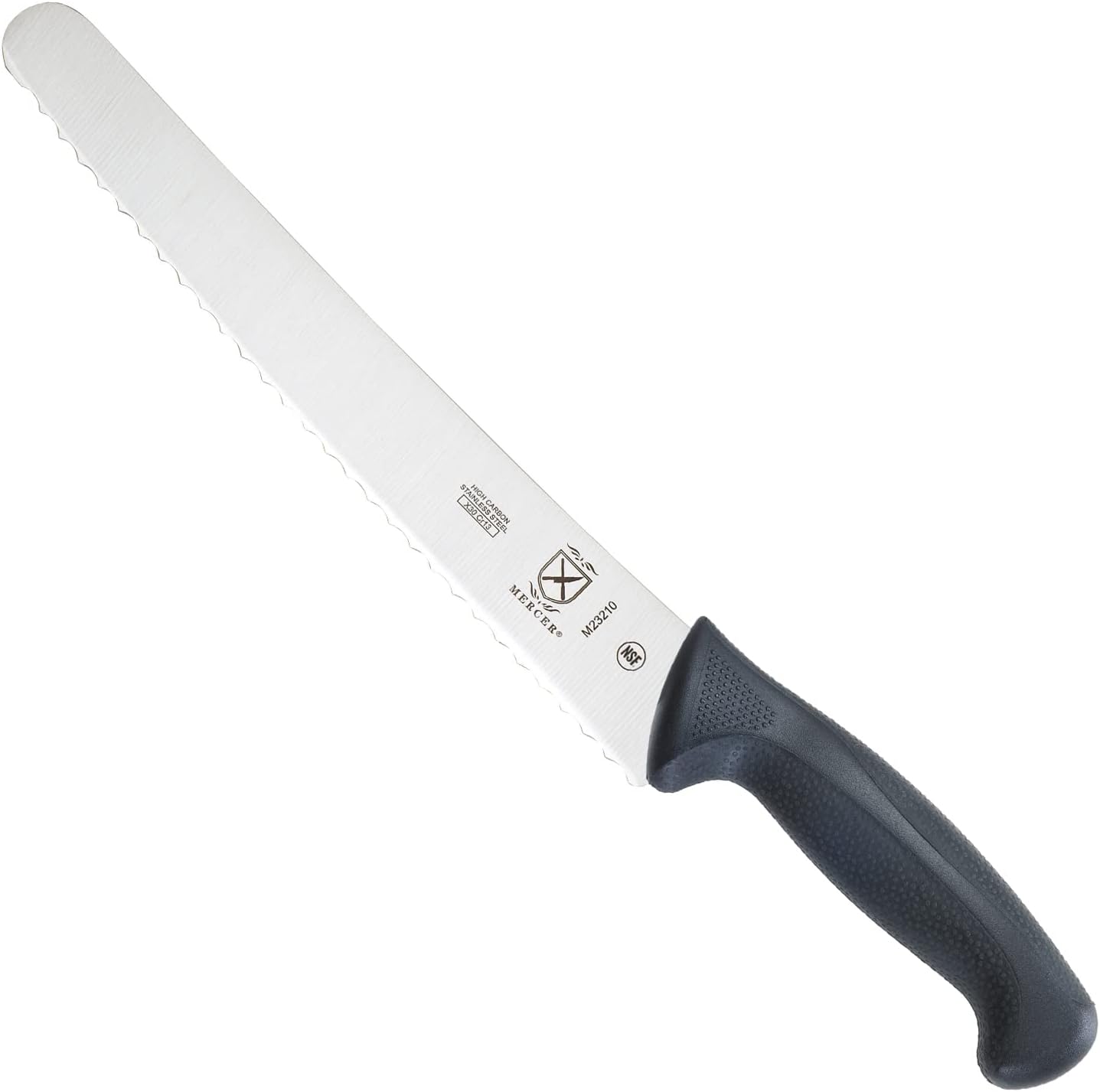
Plastic is a common material used for knife handles, particularly for entry-level or budget-friendly knives. Plastic handles are often injection-molded and can be textured to provide a secure grip. They’re also relatively lightweight and low maintenance, as they’re resistant to scratches and cracks. However, plastic handles may not be as durable as other materials, and they can become brittle with age. Additionally, some users may find plastic handles to be too slick or uncomfortable to hold.
Practical Application: Choosing the Right Handle Material
When choosing a knife, it’s essential to consider the handle material and how it will affect the overall performance and durability of the knife. Here are some factors to consider:
- Intended use: Consider the type of tasks you’ll be using the knife for and the environment in which you’ll be using it. For example, if you’ll be using the knife for outdoor activities, a G-10 or Micarta handle may be a better choice due to its durability and resistance to moisture.
- Personal preference: Think about the type of grip you prefer and the level of comfort you need. If you prefer a more traditional feel, a wood handle may be a better choice. If you prefer a more modern look and feel, a G-10 or Micarta handle may be a better option.
- Maintenance: Consider the level of maintenance you’re willing to perform on your knife. If you’re looking for a low-maintenance option, a G-10 or plastic handle may be a better choice.
- Budget: Determine your budget and choose a knife that meets your needs and preferences within that budget. You can also take our Knife Finder Quiz to help you find the perfect knife for your needs and preferences.
Common Misconceptions: Busting Myths About Handle Materials
There are several misconceptions about handle materials that can affect a buyer’s decision. Here are four common myths busted with facts:
Myth 1: Wood handles are too fragile and prone to cracking. Fact: While wood handles do require more maintenance than other materials, they can be very durable if properly cared for. Regular oiling and storage in a dry environment can help prevent cracking and warping.
Myth 2: G-10 handles are too rough and abrasive. Fact: While G-10 handles can be textured, they’re not always rough or abrasive. Some manufacturers offer smooth G-10 handles that provide a comfortable grip without being too aggressive.
Myth 3: Micarta handles are too expensive. Fact: While Micarta handles can be more expensive than other materials, they offer exceptional durability and resistance to wear. Additionally, Micarta handles can be molded into complex shapes, allowing for a high degree of customization.
Myth 4: Plastic handles are always cheap and low-quality. Fact: While some plastic handles may be cheap and low-quality, others can be very durable and well-made. Look for plastic handles that are injection-molded and textured to provide a secure grip.
Expert Recommendations: Actionable Takeaways
Here are four actionable takeaways to consider when choosing a knife handle material:
- Consider the intended use of the knife and choose a handle material that meets those needs. For example, if you’ll be using the knife for outdoor activities, a G-10 or Micarta handle may be a better choice.
- Think about your personal preference for grip and comfort. If you prefer a more traditional feel, a wood handle may be a better choice. If you prefer a more modern look and feel, a G-10 or Micarta handle may be a better option.
- Don’t be afraid to try out different handle materials before making a purchase. Visit a local knife shop or attend a knife show to get a feel for different handle materials.
- Consider the level of maintenance you’re willing to perform on your knife. If you’re looking for a low-maintenance option, a G-10 or plastic handle may be a better choice. You can also learn more about proper knife storage and maintenance on our Knife Storage Organization Safety page.
FAQ: Frequently Asked Questions
What is the most durable handle material?
The most durable handle material is often debated among knife enthusiasts, but G-10 and Micarta are generally considered to be among the most durable options. Both materials offer exceptional resistance to wear and extreme temperatures, making them ideal for high-end knives.
How do I care for a wood handle?
To care for a wood handle, regular oiling is essential. Apply a small amount of oil to the handle and wipe off any excess with a clean cloth. Avoid storing the knife in a humid environment, as this can cause the wood to warp or crack. You can also learn more about proper knife care and maintenance on our Knife Knowledge page.
Can I use a knife with a G-10 handle in extreme temperatures?
Yes, G-10 handles are known for their exceptional resistance to extreme temperatures. They can withstand temperatures ranging from -20°F to 200°F, making them ideal for outdoor and tactical knives.
What is the difference between Micarta and G-10?
Micarta and G-10 are both composite materials, but they have some key differences. Micarta is made from layers of fabric or paper impregnated with resin, while G-10 is made from layers of fiberglass and resin. Micarta handles are often more textured and grippy than G-10 handles, but both materials offer exceptional durability and resistance to wear. You can also learn more about the different types of knife materials and their characteristics on our Knife Knowledge page.
By considering the different types of handle materials and their characteristics, buyers can choose a knife that meets their specific needs and preferences. Whether you’re a professional chef or an outdoor enthusiast, the right handle material can make a significant difference in the performance and durability of your knife. Remember to also consider the blade geometry and material, as these can also impact the overall performance of the knife. You can learn more about blade geometry and its importance on our Knife Knowledge page.
🔪 Recommended
Shop: quality kitchen knives
As an Amazon Associate I earn from qualifying purchases.