Introduction to Knife Balance
🔪 Recommended
Shop: quality kitchen knives
As an Amazon Associate I earn from qualifying purchases.
Understanding knife balance is essential for knife buyers, as it directly affects the performance and usability of a knife. A well-balanced knife can make a significant difference in the overall cooking experience, allowing for smoother, more precise cuts, and reducing fatigue during extended use. When a knife is properly balanced, it becomes an extension of the cook’s hand, allowing for effortless chopping, slicing, and dicing. This knowledge helps buyers make informed decisions when selecting a knife, ensuring they choose a tool that meets their specific needs and preferences.
Moreover, recognizing the importance of knife balance can also influence how buyers care for their knives. A balanced knife is less likely to be mishandled or stored improperly, which can lead to damage or premature wear. By grasping the fundamental principles of knife balance, buyers can develop good habits and techniques for maintaining their knives, ultimately extending their lifespan and preserving their performance. For those looking to explore different types of knives, our Knife Type Comparison Bread Vs Serrated Size Matters article provides valuable insights into the characteristics of various knife types.
Core Concept: Weight Distribution
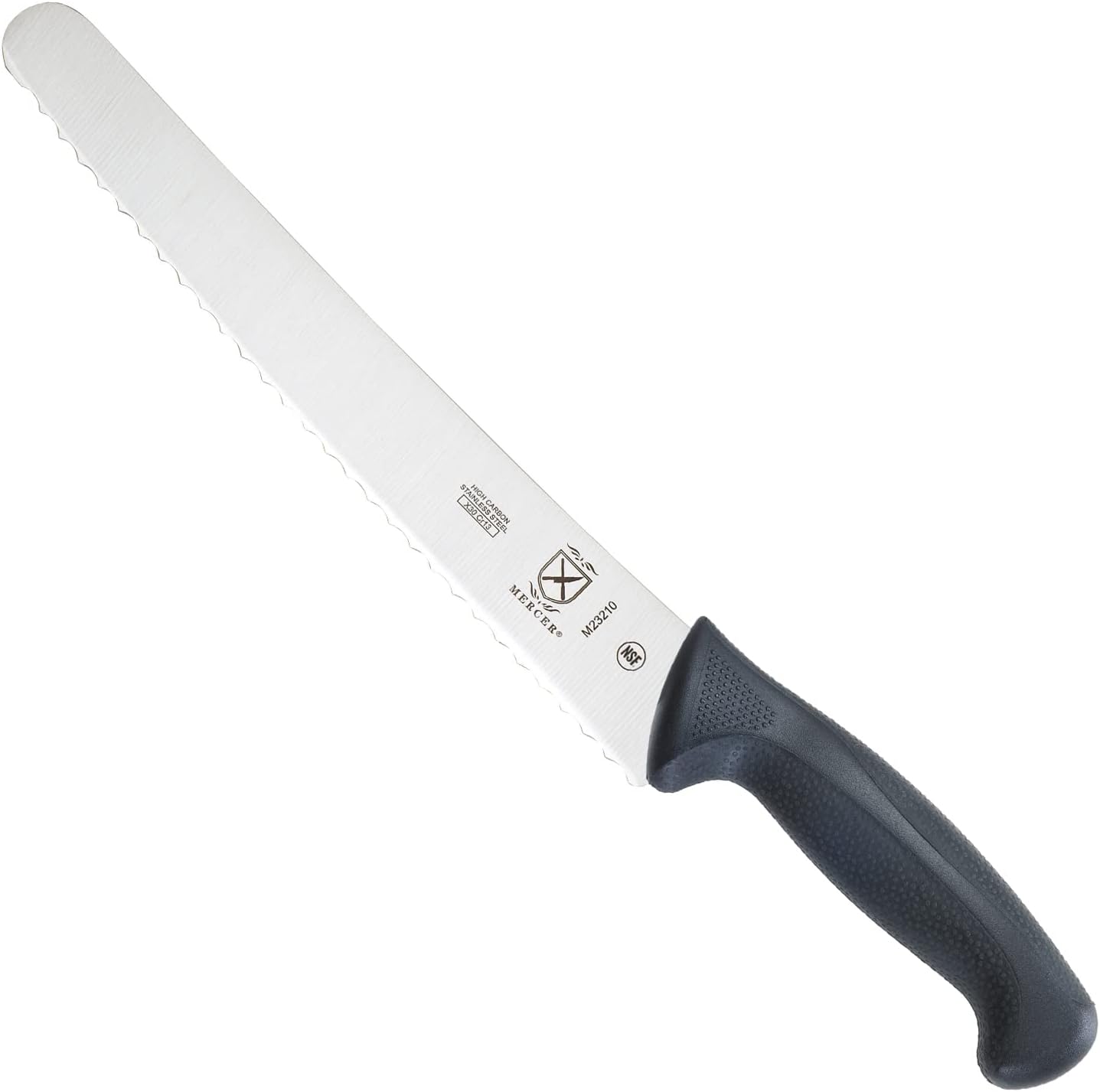
Weight distribution refers to the way the weight of a knife is allocated between its blade and handle. A well-balanced knife typically has a weight distribution that allows it to feel neutral or slightly handle-heavy in the hand. This balance point is usually located near the bolster or the area where the blade meets the handle. The weight distribution of a knife affects its overall feel and usability, with a balanced knife providing a more comfortable and controlled cutting experience.
Core Concept: Balance Point
The balance point of a knife is the precise location where the weight of the blade and handle are evenly distributed. This point can be found by balancing the knife on a finger or a pencil, allowing the buyer to determine whether the knife is blade-heavy, handle-heavy, or neutrally balanced. The balance point is crucial, as it influences the knife’s agility, stability, and overall performance. A knife with a balance point that is too far forward or backward can be difficult to maneuver and may lead to fatigue or accidents.
Core Concept: Ergonomics
Ergonomics play a vital role in knife balance, as the shape and design of the handle can significantly impact the overall feel and usability of the knife. An ergonomic handle should fit comfortably in the hand, allowing for a secure grip and precise control. The material and construction of the handle can also affect the balance of the knife, with some materials being heavier or lighter than others. For example, a knife with a wooden handle may have a different balance point than one with a G-10 or Micarta handle.
Practical Application
When buying or caring for a knife, understanding the concepts of weight distribution, balance point, and ergonomics can be extremely valuable. Here are some practical tips to consider:
- Handle the knife: Before purchasing a knife, hold it in your hand to get a sense of its balance and weight distribution.
- Check the balance point: Determine the balance point of the knife to ensure it is neutrally balanced or slightly handle-heavy.
- Consider the materials: Think about the materials used in the construction of the knife, including the blade and handle, and how they may affect its balance.
- Store the knife properly: Store the knife in a dry place, away from other objects that could cause damage or affect its balance.
For those looking for a personalized knife recommendation, our Knife Finder Quiz can help narrow down the options and suggest the best knife for their specific needs.
Common Misconceptions
There are several common misconceptions surrounding knife balance that can lead to confusion and misinformed purchasing decisions. Here are four myths busted with facts:
Myth 1: A heavier knife is always better. Fact: While a heavier knife can be more stable, it is not always the best option. A well-balanced knife with a lighter weight can be more agile and easier to maneuver.
Myth 2: A knife with a straight handle is always more balanced. Fact: The shape and design of the handle can significantly impact the balance of the knife. An ergonomic handle with a curved or contoured design can provide a more comfortable and secure grip.
Myth 3: The material of the blade does not affect the balance of the knife. Fact: The material of the blade can significantly impact the balance of the knife. For example, a high-carbon steel blade may be heavier than a stainless steel blade, affecting the overall balance of the knife.
Myth 4: The balance of the knife is not important for beginners. Fact: The balance of the knife is crucial for all users, regardless of experience level. A well-balanced knife can help prevent accidents and make the learning process easier and more enjoyable.
Expert Recommendations
Based on our expertise and research, here are four actionable takeaways for knife buyers:
- Choose a knife with a neutrally balanced or slightly handle-heavy design for optimal control and agility.
- Consider the materials used in the construction of the knife, including the blade and handle, and how they may affect its balance.
- Look for a knife with an ergonomic handle design that fits comfortably in your hand.
- Experiment with different knife types and brands, such as Zwilling vs Wusthof or Shun vs Global, to find the one that best suits your needs and preferences.
FAQ
What is the ideal balance point for a knife?
The ideal balance point for a knife is near the bolster or the area where the blade meets the handle. This allows for a neutrally balanced or slightly handle-heavy design, providing optimal control and agility.
How does the material of the handle affect the balance of the knife?
The material of the handle can significantly impact the balance of the knife. Different materials, such as wood, G-10, or Micarta, have varying weights and densities that can affect the overall balance of the knife.
Can a knife be too balanced?
Yes, a knife can be too balanced. If a knife is too neutrally balanced, it may lack the stability and control provided by a slightly handle-heavy design. On the other hand, a knife that is too blade-heavy can be difficult to maneuver and may lead to accidents.
How do I store my knife to maintain its balance and prevent damage?
To store your knife and maintain its balance, keep it in a dry place, away from other objects that could cause damage or affect its balance. Avoid storing the knife in a humid environment or near direct sunlight, as this can cause the handle materials to degrade or the blade to rust.
🔪 Recommended
Shop: quality kitchen knives
As an Amazon Associate I earn from qualifying purchases.