Introduction to Edge Retention
🔪 Recommended
Shop: quality kitchen knives
As an Amazon Associate I earn from qualifying purchases.
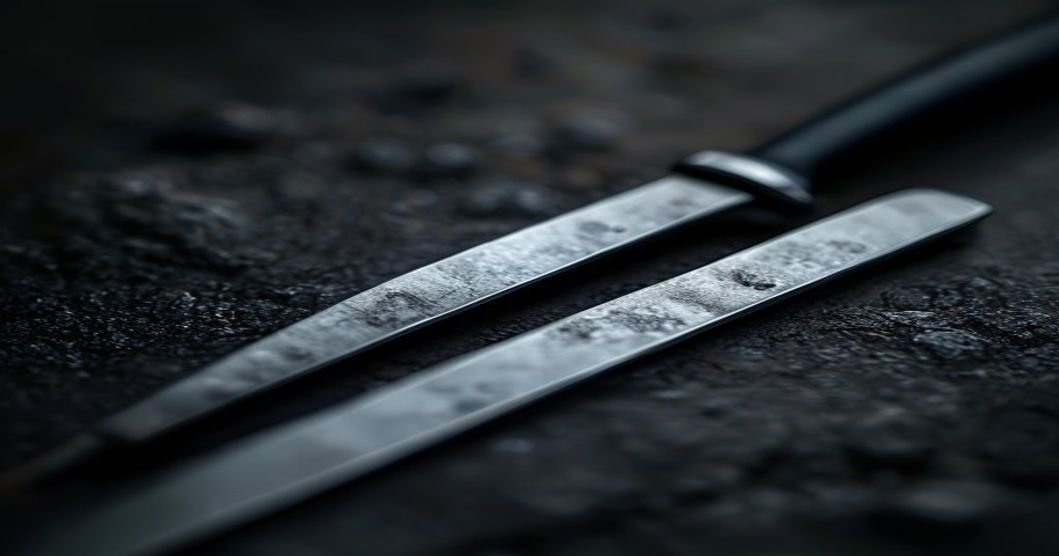
When it comes to buying a new knife, there are several factors to consider, including the type of steel, handle material, and overall design. However, one of the most important aspects of a knife is its edge retention. Edge retention refers to the ability of a knife to maintain its sharpness over time, and it is a key factor in determining the overall performance and longevity of a knife. By understanding the science behind edge retention, knife buyers can make informed decisions and choose a knife that will meet their needs and provide years of reliable service.
Edge retention is not just a matter of personal preference, but it can also have a significant impact on safety and efficiency. A knife with poor edge retention can become dull quickly, leading to accidents and injuries. On the other hand, a knife with excellent edge retention can make tasks easier and faster, reducing the risk of accidents and improving overall productivity. For example, the Ka Bar Dozier is a popular pocket folding knife known for its excellent edge retention, thanks to its Aus 8a steel and hollow grind edge. By understanding the factors that affect edge retention, knife buyers can choose a knife that will provide the best possible performance and value.
Core Concept: Steel Type and Edge Retention
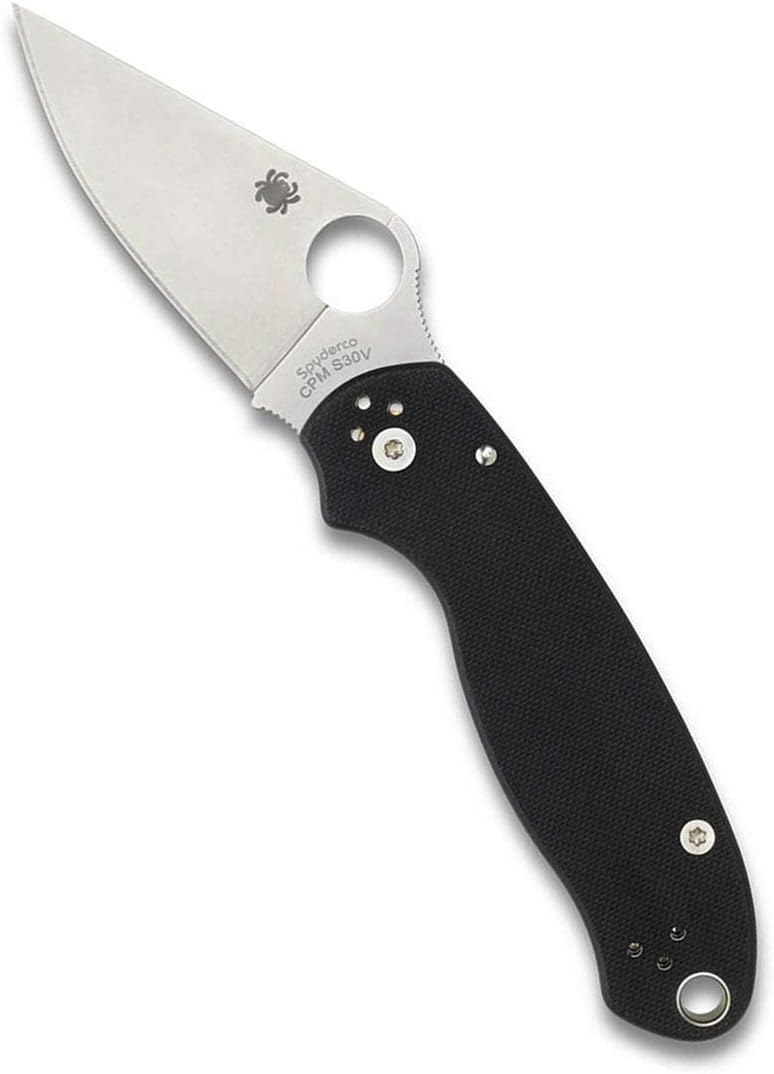
The type of steel used in a knife is one of the most important factors in determining its edge retention. Different types of steel have different levels of hardness, toughness, and corrosion resistance, which can all affect edge retention. For example, high-carbon stainless steels like S30V and 154CM are known for their excellent edge retention and corrosion resistance, making them popular choices for high-end knives. On the other hand, softer steels like 420J1 and 420J2 may be more prone to dulling, but they are also more resistant to corrosion and easier to sharpen.
Core Concept: Edge Geometry and Edge Retention
Edge geometry refers to the shape and angle of the blade’s edge, and it can have a significant impact on edge retention. A knife with a steep edge angle and a straight edge will typically have better edge retention than a knife with a shallow edge angle and a curved edge. This is because a steep edge angle and straight edge provide more support for the edge, reducing the likelihood of dulling and chipping. For example, the Kershaw Blur is a popular folding knife with a steep edge angle and straight edge, which helps to explain its excellent edge retention.
Core Concept: Heat Treatment and Edge Retention
Heat treatment is the process of heating and cooling steel to achieve a specific level of hardness and toughness. Proper heat treatment is critical for edge retention, as it can help to create a strong and stable edge. For example, a knife with a Rockwell hardness rating of 58-60 will typically have better edge retention than a knife with a Rockwell hardness rating of 50-52. This is because the higher hardness rating indicates a stronger and more stable edge, which is less prone to dulling and chipping.
Practical Application
So how can knife buyers apply their knowledge of edge retention when buying and caring for knives? Here are a few tips:
- Choose a knife with a high-carbon stainless steel, such as S30V or 154CM, for excellent edge retention and corrosion resistance.
- Consider the edge geometry of the knife, and choose a knife with a steep edge angle and straight edge for better edge retention.
- Look for knives with proper heat treatment, such as a Rockwell hardness rating of 58-60, for a strong and stable edge.
- Regularly sharpen and maintain the knife to prevent dulling and chipping.
For more information on knife maintenance and sharpening, check out our guide to Paudin knives, which includes tips on how to care for and maintain your knife.
Common Misconceptions
There are several common misconceptions about edge retention that can be misleading or confusing. Here are a few myths that need to be busted:
Myth #1: All knives with high-carbon steel have excellent edge retention. While high-carbon steel is generally harder and more resistant to corrosion than low-carbon steel, it is not a guarantee of excellent edge retention. Other factors, such as edge geometry and heat treatment, also play a critical role.
Myth #2: Edge retention is the only factor that determines a knife’s performance. While edge retention is important, it is not the only factor that determines a knife’s performance. Other factors, such as ergonomics, balance, and materials, also play a critical role.
Myth #3: A knife with excellent edge retention will never need to be sharpened. While a knife with excellent edge retention may stay sharp longer, it will still need to be sharpened regularly to maintain its edge. In fact, a knife with excellent edge retention may be more prone to micro-chipping, which can lead to a dull edge if not addressed.
Myth #4: Ceramic knives have better edge retention than steel knives. While ceramic knives do have some advantages, such as being more resistant to corrosion, they are not necessarily better than steel knives in terms of edge retention. In fact, ceramic knives can be more prone to chipping and cracking than steel knives, which can lead to a dull edge.
Expert Recommendations
Here are a few expert recommendations for choosing a knife with excellent edge retention:
- Choose a knife with a high-carbon stainless steel, such as S30V or 154CM, for excellent edge retention and corrosion resistance.
- Consider the edge geometry of the knife, and choose a knife with a steep edge angle and straight edge for better edge retention.
- Look for knives with proper heat treatment, such as a Rockwell hardness rating of 58-60, for a strong and stable edge.
- Regularly sharpen and maintain the knife to prevent dulling and chipping, and consider using a field sharpening system for on-the-go maintenance.
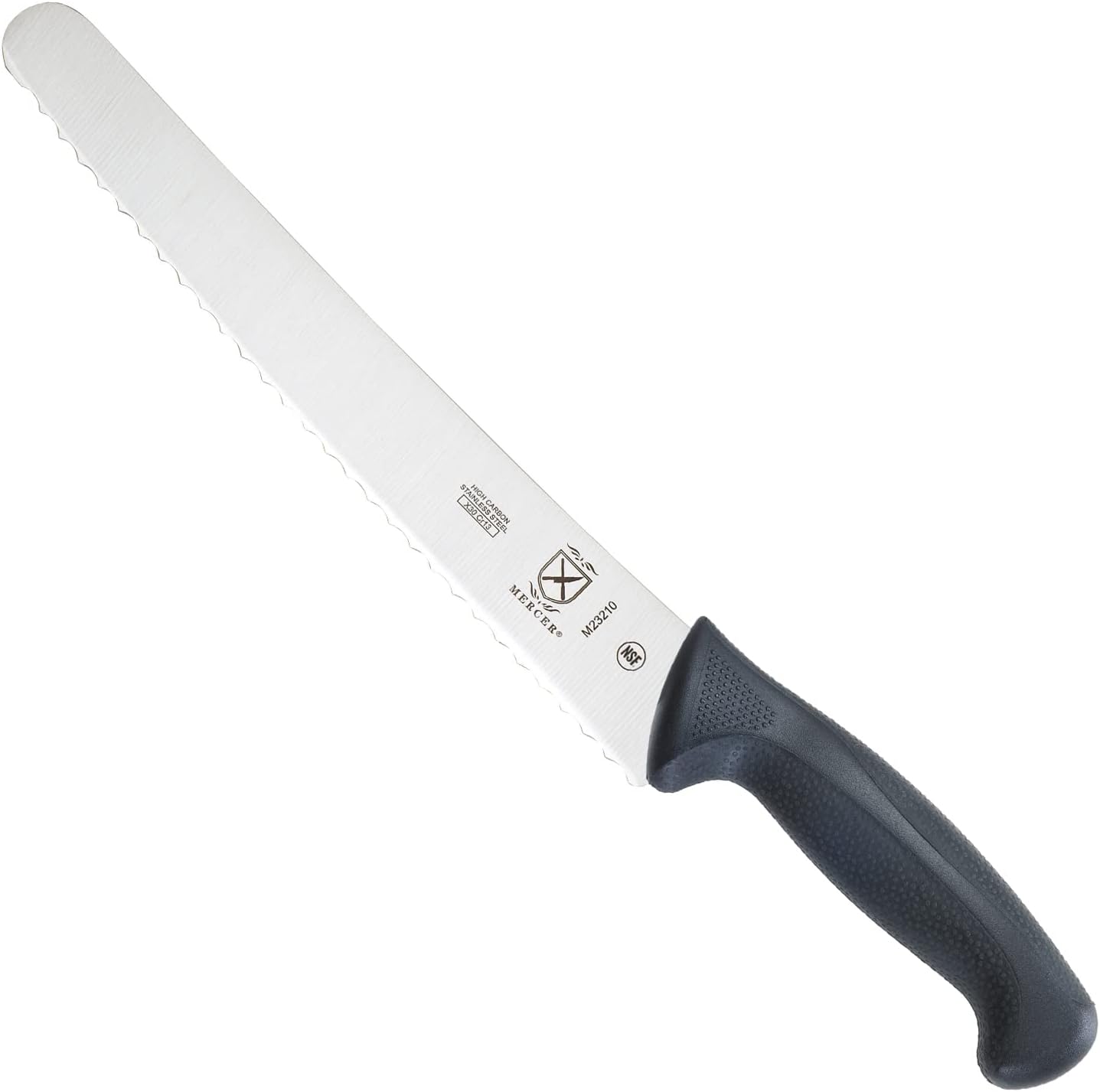
For more information on knife selection and maintenance, check out our guide to bread knives, which includes tips on how to choose and care for a serrated knife.
FAQ
What is the best type of steel for edge retention?
The best type of steel for edge retention is high-carbon stainless steel, such as S30V or 154CM. These steels are known for their excellent hardness, toughness, and corrosion resistance, making them ideal for knives that require excellent edge retention.
How often should I sharpen my knife?
The frequency of sharpening depends on the type of knife, the material it is made of, and how often it is used. As a general rule, a knife should be sharpened every 1-3 months, or whenever it becomes dull. For more information on sharpening, check out our review of the Ka Bar Dozier, which includes tips on how to sharpen a folding knife.
Can I use a knife with poor edge retention for heavy-duty tasks?
While it is possible to use a knife with poor edge retention for heavy-duty tasks, it is not recommended. A knife with poor edge retention may become dull or damaged more easily, which can lead to accidents and injuries. Instead, choose a knife with excellent edge retention, such as the Kershaw Blur, which is designed for heavy-duty use.
How can I improve the edge retention of my knife?
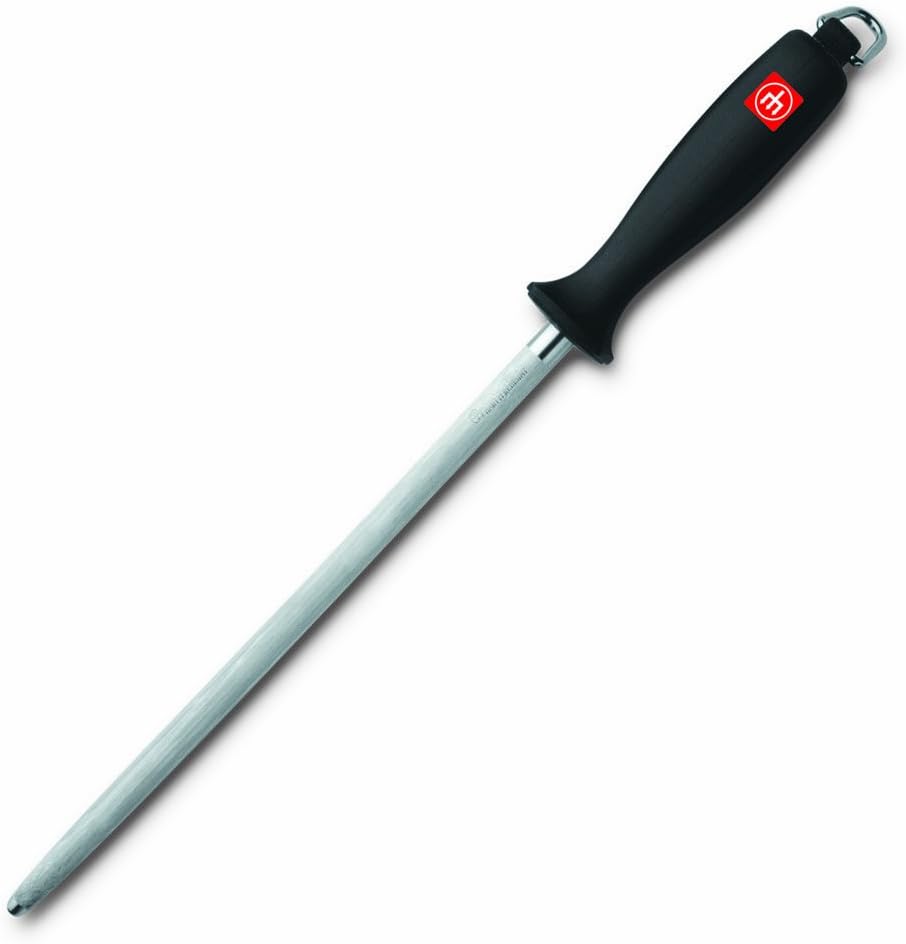
There are several ways to improve the edge retention of a knife, including regular sharpening and maintenance, using a sharpening steel to hone the edge, and applying a rust-inhibiting coating to the blade. For more information on knife maintenance, check out our guide to Paudin knives, which includes tips on how to care for and maintain your knife.
🔪 Recommended
Shop: quality kitchen knives
As an Amazon Associate I earn from qualifying purchases.