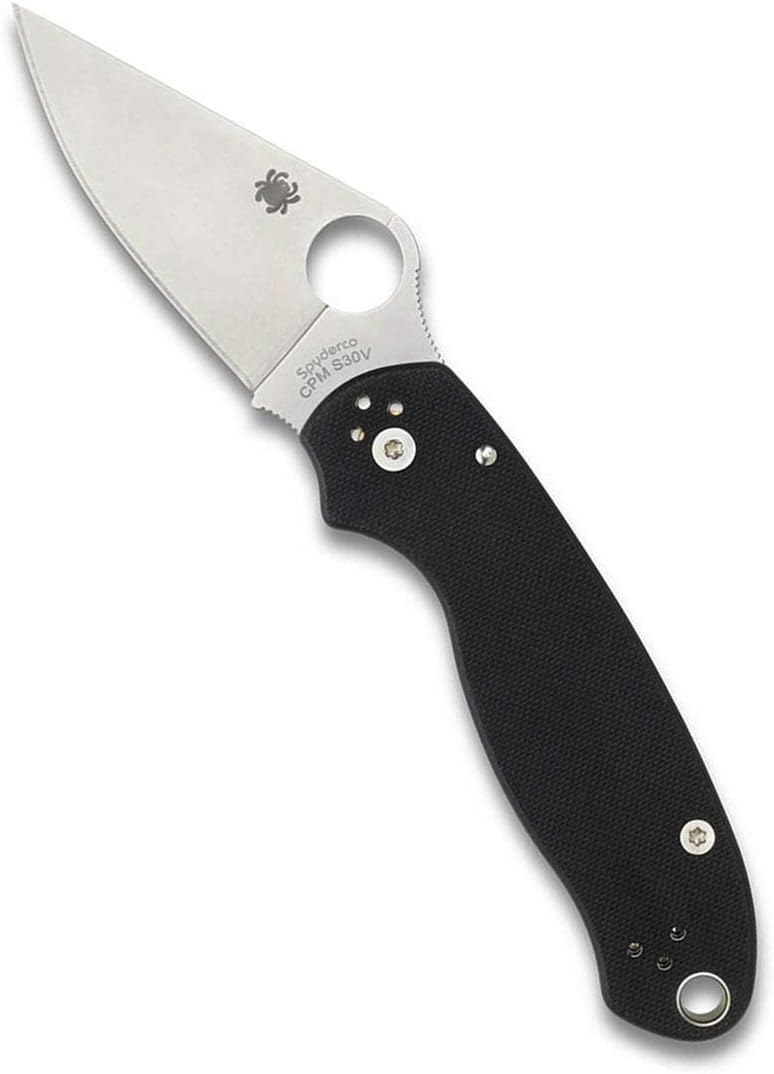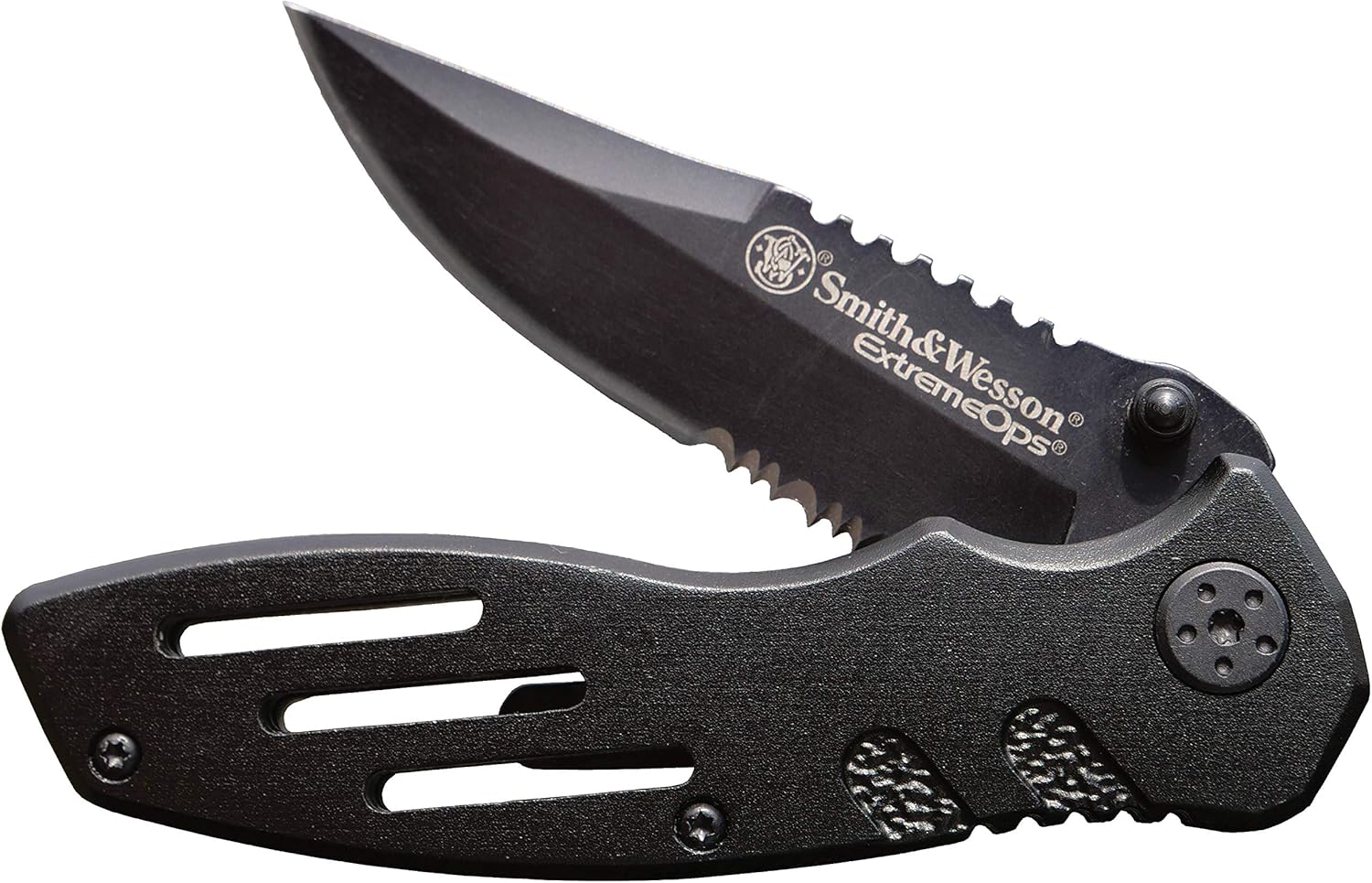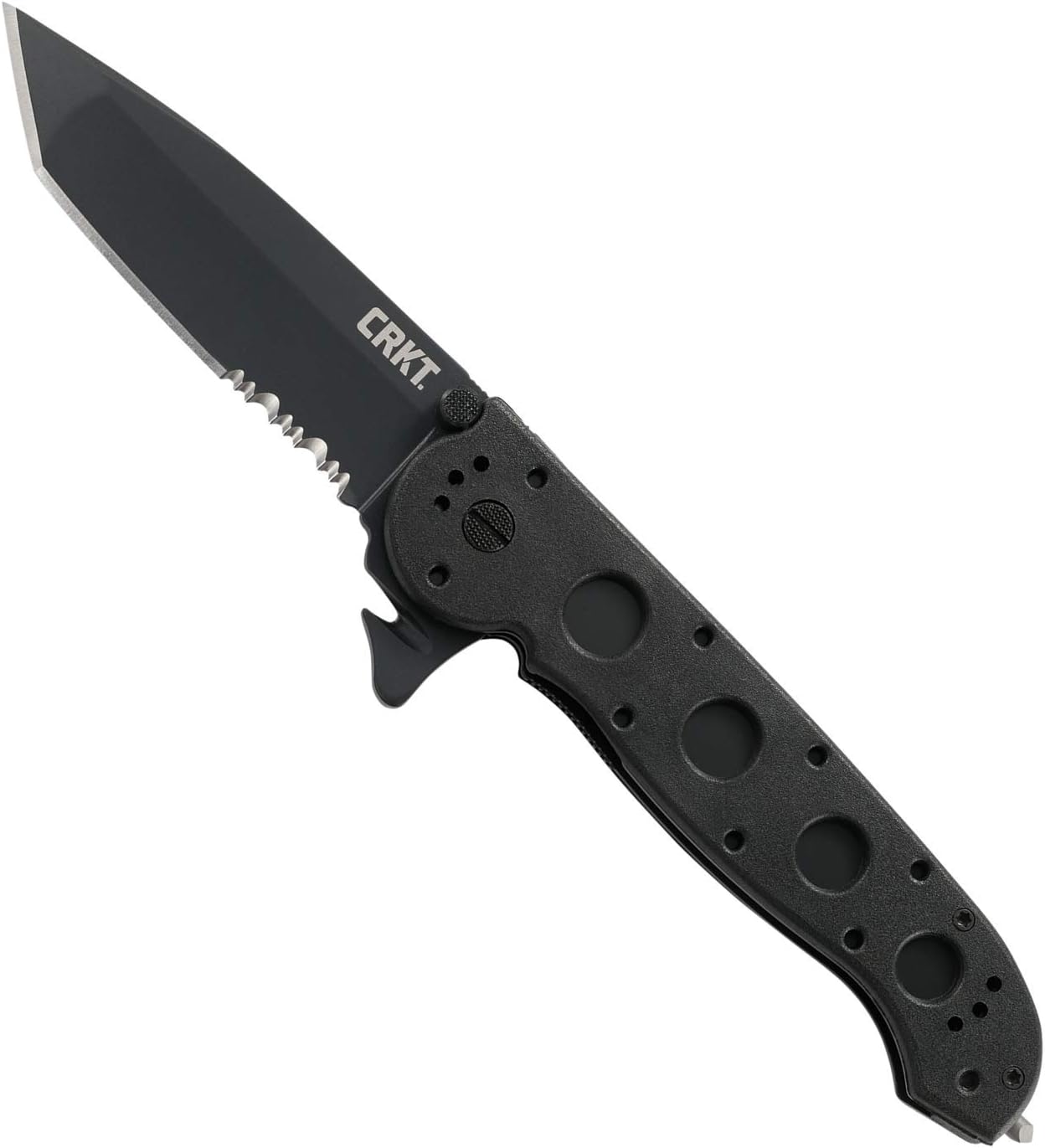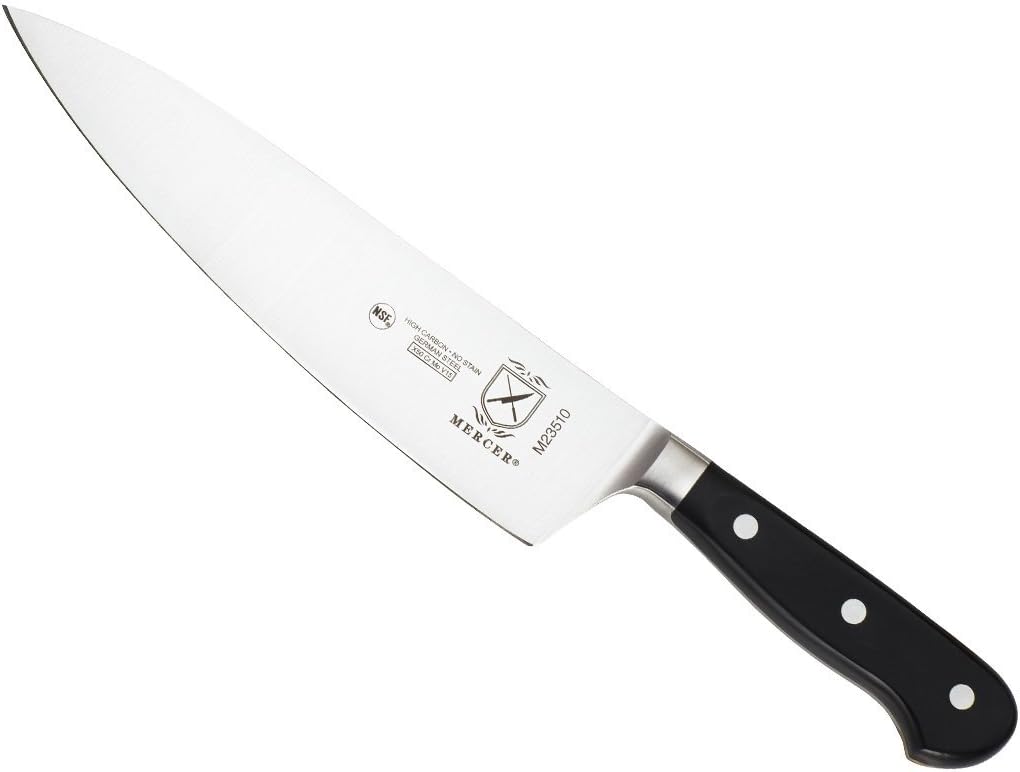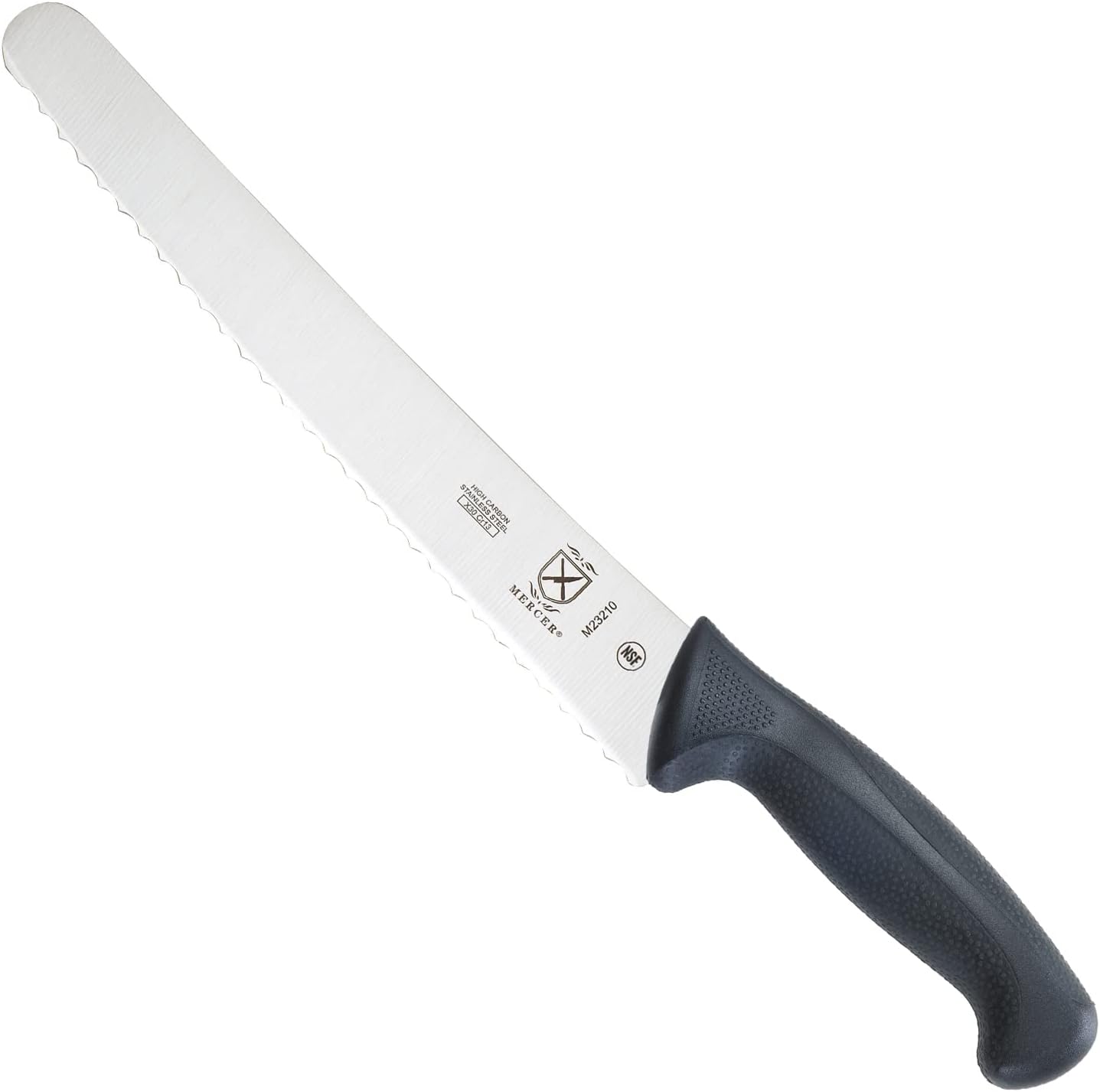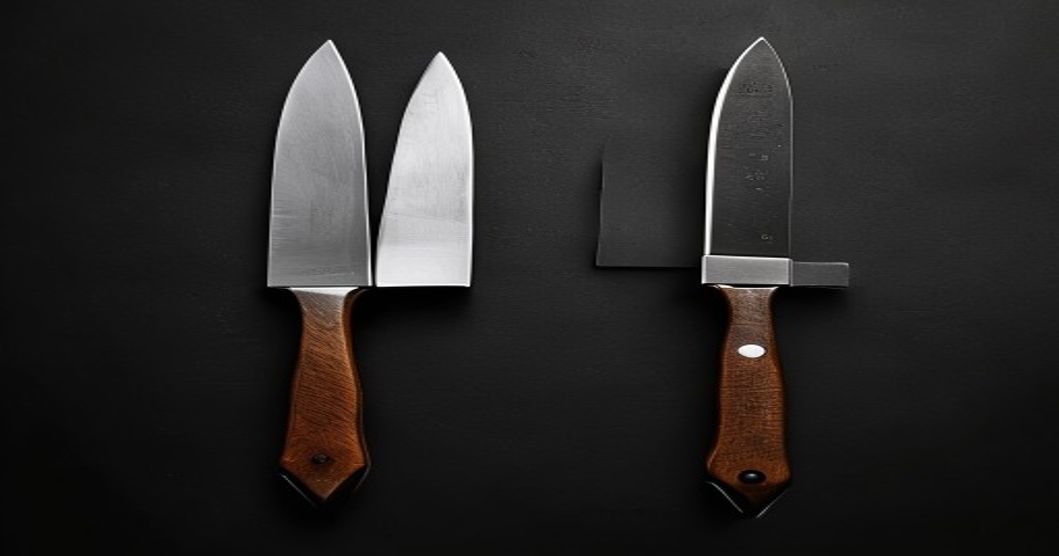
High carbon steel knives offer superior edge retention, sharpening ease, and a sharper edge, but may require more maintenance due to rust susceptibility. Regular stainless steel knives provide excellent durability and resistance to corrosion, but may lack the sharpness and edge retention of high carbon steel. The choice between the two ultimately depends on personal preference, cooking style, and intended use.
When it comes to choosing the right knife, the type of steel used is a crucial factor to consider. High carbon steel and regular stainless steel are two popular options, each with its own set of advantages and disadvantages. High carbon steel is known for its exceptional hardness, edge retention, and sharpening ease, making it a favorite among professional chefs and culinary enthusiasts. On the other hand, regular stainless steel is prized for its durability, resistance to corrosion, and low maintenance requirements.
In this article, we will delve into the key differences between high carbon steel and regular stainless steel knives, exploring their composition, performance, and suitability for various tasks and users. Whether you are a seasoned chef or a home cook, understanding the characteristics of these two steel types will help you make an informed decision when selecting the perfect knife for your needs. For a more in-depth look at the properties and applications of high carbon steel and stainless steel, visit our Knife Knowledge High Carbon Steel Vs Stainless Steel Complete Breakdown page.
Specs Comparison Table
🔪 Recommended
Shop: high carbon
As an Amazon Associate I earn from qualifying purchases.
| Steel Type | HRC | Edge Angle | Weight | Price | Best For |
|---|---|---|---|---|---|
| High Carbon Steel | 58-62 | 20-30 degrees | 6-8 oz | $100-$500 | Chefs, culinary enthusiasts |
| Regular Stainless Steel | 54-58 | 25-35 degrees | 8-10 oz | $50-$200 | Home cooks, outdoor enthusiasts |
Blade Material
High carbon steel is composed of a higher percentage of carbon, typically between 0.5% and 1.5%, which contributes to its exceptional hardness and edge retention. Regular stainless steel, on the other hand, contains a higher percentage of chromium, usually between 12% and 18%, which enhances its corrosion resistance. The 440 stainless steel used in some knives is a good example of a durable and resistant steel alloy.
Edge Retention
High carbon steel knives are renowned for their ability to hold a sharp edge, even after repeated use and sharpening. This is due to the high carbon content, which creates a harder, more durable edge. Regular stainless steel knives, while still capable of holding a sharp edge, may require more frequent sharpening to maintain their cutting performance.
Sharpening Ease
High carbon steel knives are generally easier to sharpen than regular stainless steel knives, as they can be honed to a sharper edge with less effort. However, this also means that high carbon steel knives may require more frequent sharpening to maintain their edge. For those new to sharpening, it may be helpful to start with a budget-friendly option and practice their sharpening skills before investing in a high-end knife.
Durability
Regular stainless steel knives are more resistant to corrosion and wear, making them a great choice for outdoor enthusiasts or those who work in harsh environments. High carbon steel knives, while durable in their own right, may require more maintenance to prevent rust and corrosion. The Cold Steel Wild West Bowie is an example of a durable and corrosion-resistant knife.
Ergonomics
Both high carbon steel and regular stainless steel knives can be designed with ergonomic handles and balanced construction, making them comfortable to use for extended periods. However, high carbon steel knives may be more prone to handle wear and tear due to their higher density and hardness.
Value
High carbon steel knives tend to be more expensive than regular stainless steel knives, especially when it comes to high-end or custom models. However, their exceptional performance and durability may make them a worthwhile investment for serious chefs and culinary enthusiasts. For those on a budget, Damascus steel knives can offer a more affordable alternative with similar performance characteristics.
Who Should Choose Each
High Carbon Steel Knives
High carbon steel knives are ideal for professional chefs, culinary enthusiasts, and anyone who values exceptional edge retention and sharpening ease. They are also suitable for those who prioritize performance and are willing to invest in a higher-quality knife. For a comparison of high carbon steel knives from different regions, visit our German Steel Vs Japanese Steel Knives page.
Regular Stainless Steel Knives
Regular stainless steel knives are perfect for home cooks, outdoor enthusiasts, and those who prioritize durability and low maintenance. They are also a great choice for beginners or those on a budget, as they offer a more affordable entry point into the world of high-quality knives.
FAQ
What is the difference between high carbon steel and stainless steel?
High carbon steel contains a higher percentage of carbon, which contributes to its exceptional hardness and edge retention. Stainless steel, on the other hand, contains a higher percentage of chromium, which enhances its corrosion resistance.
How do I maintain my high carbon steel knife?
To maintain your high carbon steel knife, it’s essential to clean and dry it regularly, store it in a dry place, and apply a rust-inhibiting oil or wax to the blade. You should also sharpen your knife regularly to maintain its edge.
Can I use my stainless steel knife in a salty or acidic environment?
While stainless steel knives are more resistant to corrosion than high carbon steel knives, they can still be susceptible to damage in salty or acidic environments. To minimize the risk of corrosion, it’s essential to clean and dry your knife regularly and apply a rust-inhibiting oil or wax to the blade.
In conclusion, the choice between high carbon steel and regular stainless steel knives ultimately depends on your personal preferences, cooking style, and intended use. High carbon steel knives offer exceptional edge retention, sharpening ease, and a sharper edge, but may require more maintenance. Regular stainless steel knives provide excellent durability and resistance to corrosion, but may lack the sharpness and edge retention of high carbon steel. By considering your needs and priorities, you can make an informed decision and choose the perfect knife for your culinary journey.
🔪 Recommended
Shop: high carbon
As an Amazon Associate I earn from qualifying purchases.