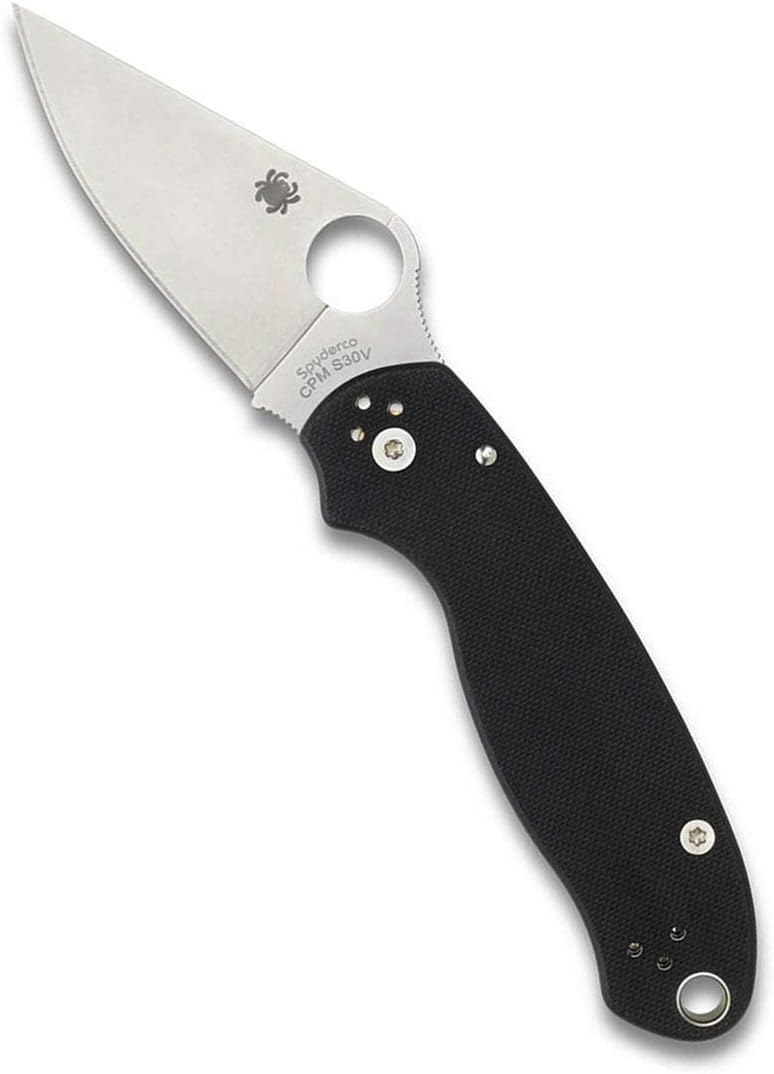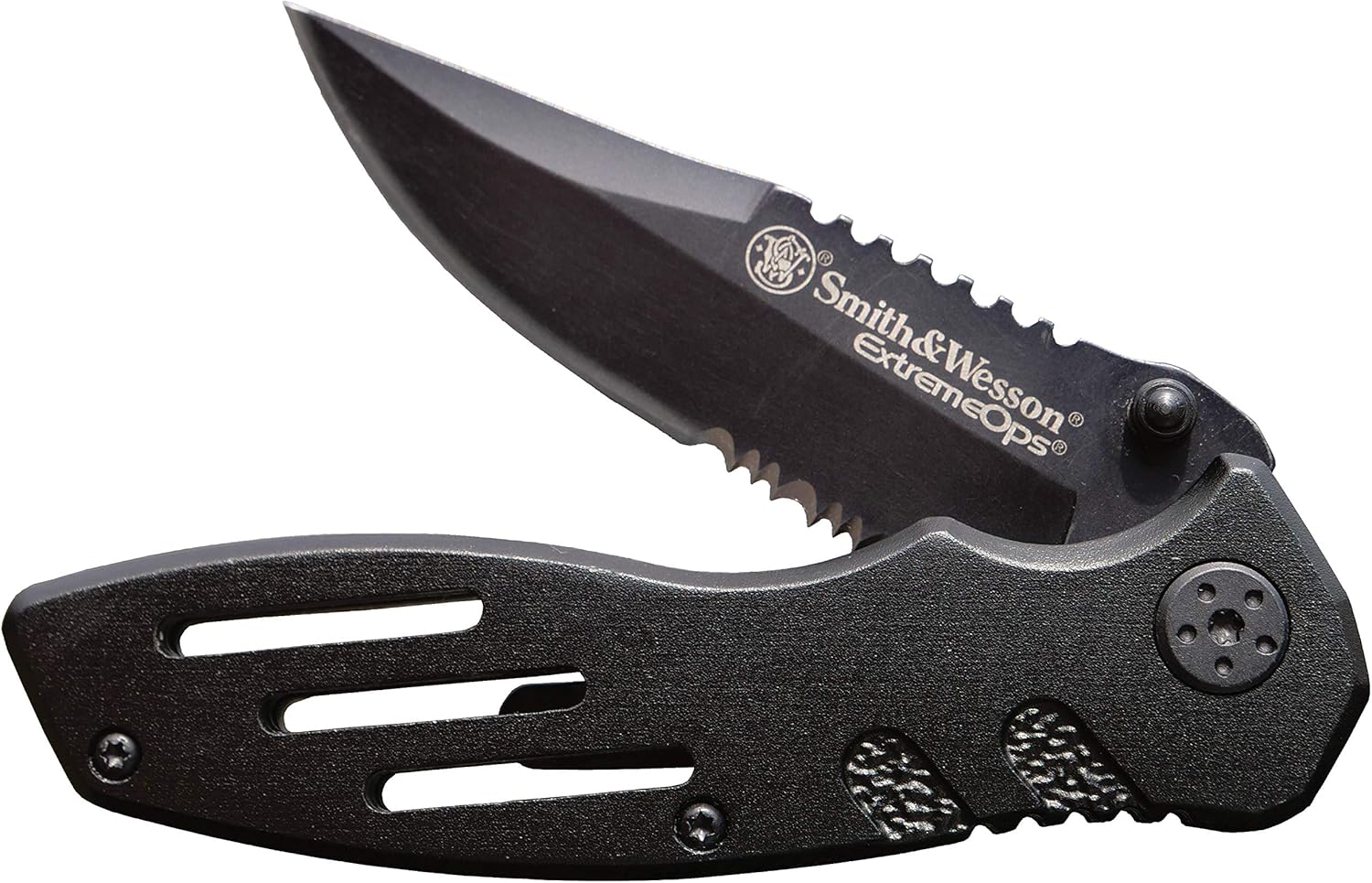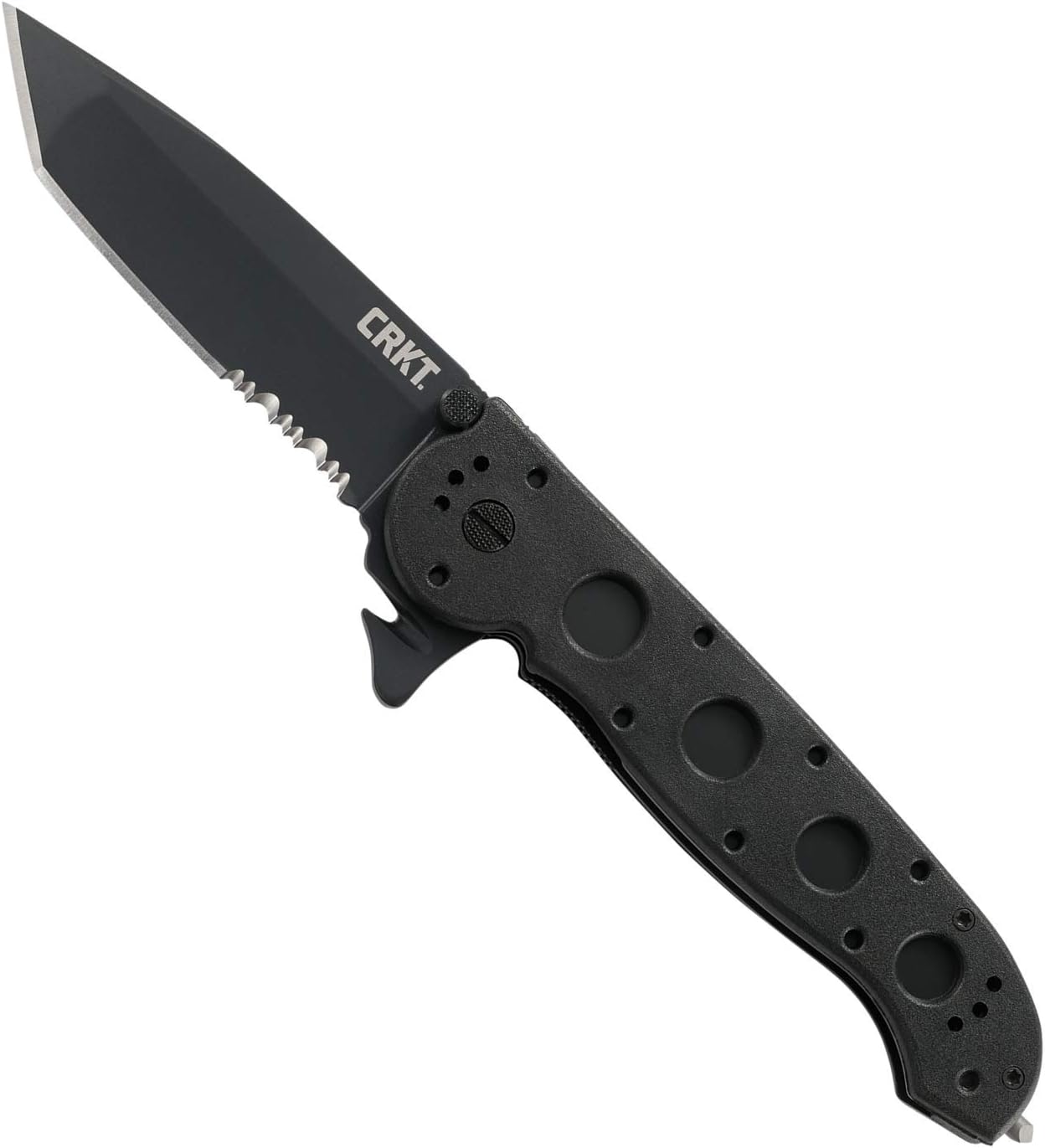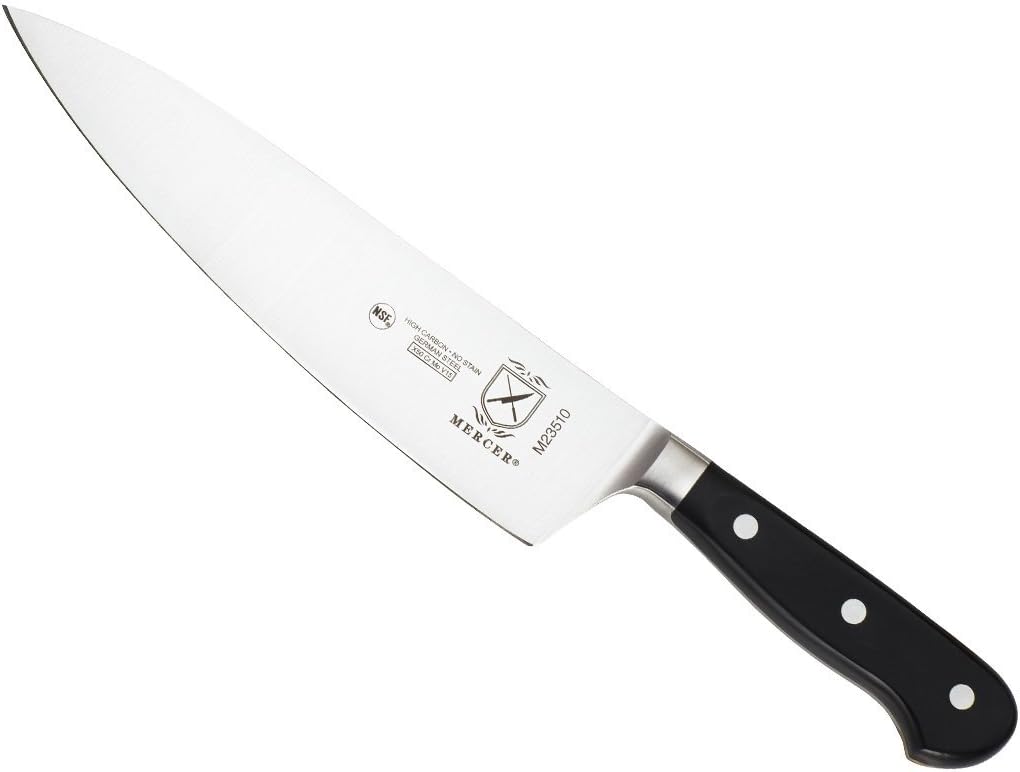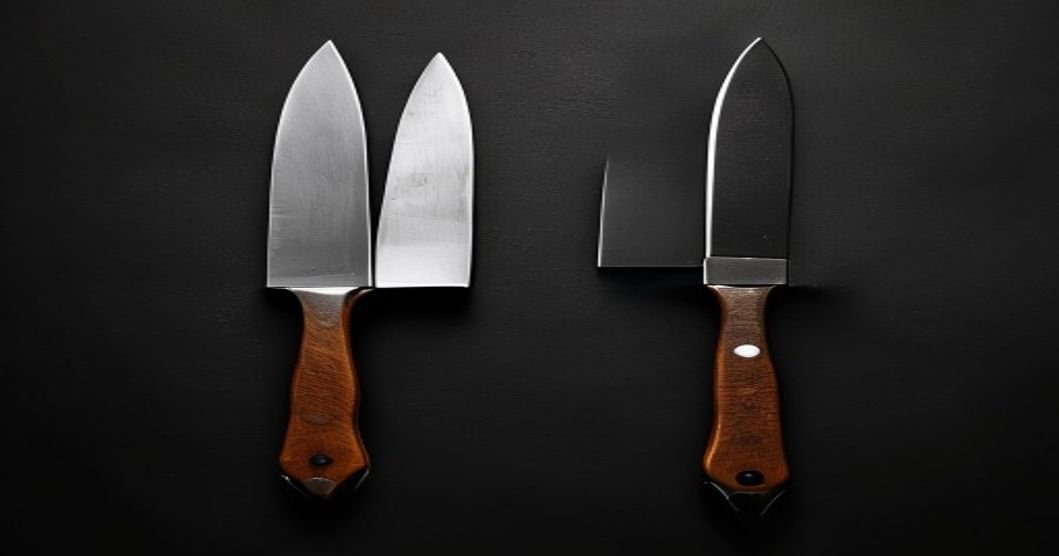
When it comes to choosing between German steel and Japanese steel knives, the decision ultimately comes down to personal preference, cooking style, and the type of tasks you’ll be using the knife for. German steel knives, such as those made from Solingen steel, are known for their durability and resistance to corrosion, while Japanese steel knives, such as those made from S35VN or S45VN steel, are prized for their sharpness and edge retention.
For many chefs and home cooks, the choice between German steel and Japanese steel knives is a difficult one. Both types of steel have their own unique characteristics, advantages, and disadvantages. German steel knives have been a staple in many professional kitchens for decades, and are known for their ruggedness and ability to withstand the demands of heavy use. On the other hand, Japanese steel knives have gained a reputation for their exceptional sharpness and cutting performance, making them a popular choice among professional chefs and serious home cooks.
In recent years, the popularity of Japanese steel knives has grown significantly, with many manufacturers now offering a range of models made from high-carbon stainless steels such as S35VN and S45VN. These steels offer a unique combination of hardness, toughness, and corrosion resistance, making them ideal for use in a variety of applications, from fine dining to outdoor adventures. For example, the QSP Hawk is a popular pocket folding knife made from 14C28N steel, which offers excellent edge retention and corrosion resistance at an affordable price.
Specs Comparison Table
🔪 Recommended
Shop: German steel
As an Amazon Associate I earn from qualifying purchases.
| Steel | HRC | Edge Angle | Weight | Price | Best For |
|---|---|---|---|---|---|
| Wüsthof Classic Ikon (German) | 58 | 20 | 8 oz | $100 | Heavy-duty chopping, professional kitchens |
| Shun DM0706 (Japanese) | 61 | 16 | 6 oz | $200 | Delicate slicing, fine dining |
| Cold Steel SRK (German) | 55 | 22 | 10 oz | $50 | Outdoor adventures, camping |
Blade Material
The blade material is one of the most important factors to consider when choosing between German steel and Japanese steel knives. German steel knives are typically made from high-carbon stainless steels such as 440C or 420J2, which offer excellent durability and resistance to corrosion. Japanese steel knives, on the other hand, are often made from high-carbon stainless steels such as S35VN or S45VN, which offer exceptional sharpness and edge retention.
Edge Retention
Edge retention is another key factor to consider when choosing between German steel and Japanese steel knives. Japanese steel knives are generally known for their exceptional edge retention, thanks to the high carbon content and precise heat treatment process used in their manufacture. German steel knives, on the other hand, may not hold their edge as well as Japanese steel knives, but they are often easier to sharpen and maintain.
Sharpening Ease
Sharpening ease is an important consideration for many chefs and home cooks, as it can affect the overall performance and longevity of the knife. German steel knives are generally easier to sharpen than Japanese steel knives, thanks to their softer steel and more forgiving edge geometry. Japanese steel knives, on the other hand, can be more challenging to sharpen, but they often require less frequent sharpening due to their exceptional edge retention.
Durability
Durability is a critical factor to consider when choosing between German steel and Japanese steel knives. German steel knives are generally more durable than Japanese steel knives, thanks to their thicker blades and more robust construction. Japanese steel knives, on the other hand, may be more prone to chipping or cracking if not handled carefully, but they are often lighter and more agile in the hand.
Ergonomics
Ergonomics is an important consideration for many chefs and home cooks, as it can affect the overall comfort and usability of the knife. German steel knives are often designed with a more traditional, ergonomic handle shape that fits comfortably in the hand. Japanese steel knives, on the other hand, may have a more minimalist or futuristic design that can take some getting used to, but they often offer exceptional balance and agility.
Value
Value is a critical factor to consider when choosing between German steel and Japanese steel knives. German steel knives are often less expensive than Japanese steel knives, thanks to their more straightforward construction and simpler materials. Japanese steel knives, on the other hand, can be more expensive due to their high-quality materials and precise manufacturing process, but they often offer exceptional performance and longevity.
Who Should Choose Each
German Steel Knives
German steel knives are ideal for chefs and home cooks who prioritize durability and ease of maintenance. They are often the best choice for heavy-duty chopping and slicing tasks, and are well-suited for professional kitchens or outdoor adventures. For example, the Cold Steel Wild West Bowie is a rugged and reliable pocket knife made from German steel that is perfect for camping or hiking.
Japanese Steel Knives
Japanese steel knives are ideal for chefs and home cooks who prioritize sharpness and edge retention. They are often the best choice for delicate slicing and fine dining tasks, and are well-suited for professional kitchens or serious home cooking. For example, the S35VN steel used in many Japanese knives offers exceptional edge retention and corrosion resistance, making it an excellent choice for chefs who demand the best.
FAQ
What is the difference between German steel and Japanese steel?
The main difference between German steel and Japanese steel is the type of steel used and the manufacturing process. German steel knives are typically made from high-carbon stainless steels such as 440C or 420J2, while Japanese steel knives are often made from high-carbon stainless steels such as S35VN or S45VN. For more information on the differences between these steels, check out our S35VN vs S45VN comparison.
Which type of steel is better for a beginner?
For a beginner, German steel knives may be a better choice due to their ease of sharpening and maintenance. They are also often less expensive than Japanese steel knives, making them a more affordable option for those just starting out. However, Japanese steel knives can also be a great choice for beginners who are willing to invest the time and effort into learning how to properly care for and maintain them. For more information on the best steels for beginners, check out our guide to 440 stainless steel.
Can ceramic knives be a good alternative to steel knives?
Ceramic knives can be a good alternative to steel knives for certain tasks, such as slicing or chopping delicate ingredients. However, they are not as durable as steel knives and may be more prone to chipping or breaking. For more information on the pros and cons of ceramic knives, check out our ceramic vs steel comparison.
Ultimately, the choice between German steel and Japanese steel knives comes down to personal preference and cooking style. Both types of steel have their own unique advantages and disadvantages, and the best choice for you will depend on your specific needs and priorities. By considering factors such as blade material, edge retention, sharpening ease, durability, ergonomics, and value, you can make an informed decision and choose the best knife for your needs.
🔪 Recommended
Shop: German steel
As an Amazon Associate I earn from qualifying purchases.